The phrase ‘Jesus paid it all’ refers to the biblical truth that Jesus Christ fully satisfied the debt of humanity’s sin through His sacrificial death on the cross. Scriptures like Romans 6:23 and Isaiah 53:5 affirm that His suffering and resurrection provide complete forgiveness and eternal life to all who believe.
Few hymns stir the hearts of believers quite like Jesus paid it all. For over a century and a half, these powerful words have echoed through church sanctuaries, personal devotion times, and quiet moments of prayer — reminding countless Christians of the most precious truth in all of Scripture: that Jesus Christ bore the full weight of our sin and paid a debt we could never pay ourselves. But have you ever stopped to truly consider what it means when we sing those words? What is the biblical foundation behind this beloved hymn, and what exactly did Jesus pay, and for whom?
In this article, we take a deeper look at the meaning, history, and scriptural truth behind “Jesus Paid It All.” From the original pen of Elvina M. Hall in 1865 to the timeless passages of Scripture that gave birth to this hymn, we will explore how the cross of Christ stands as the ultimate proof that our debt of sin has been fully and finally covered. Whether you are a lifelong believer seeking a fresh encounter with grace or someone curious about what Christians truly believe about the sacrifice of Jesus, this study is for you. Let us open God’s Word together and discover anew the breathtaking truth that Jesus paid it all — and that nothing more is needed for the forgiveness of sin and the gift of eternal life.
What Does ‘Jesus Paid It All’ Mean?
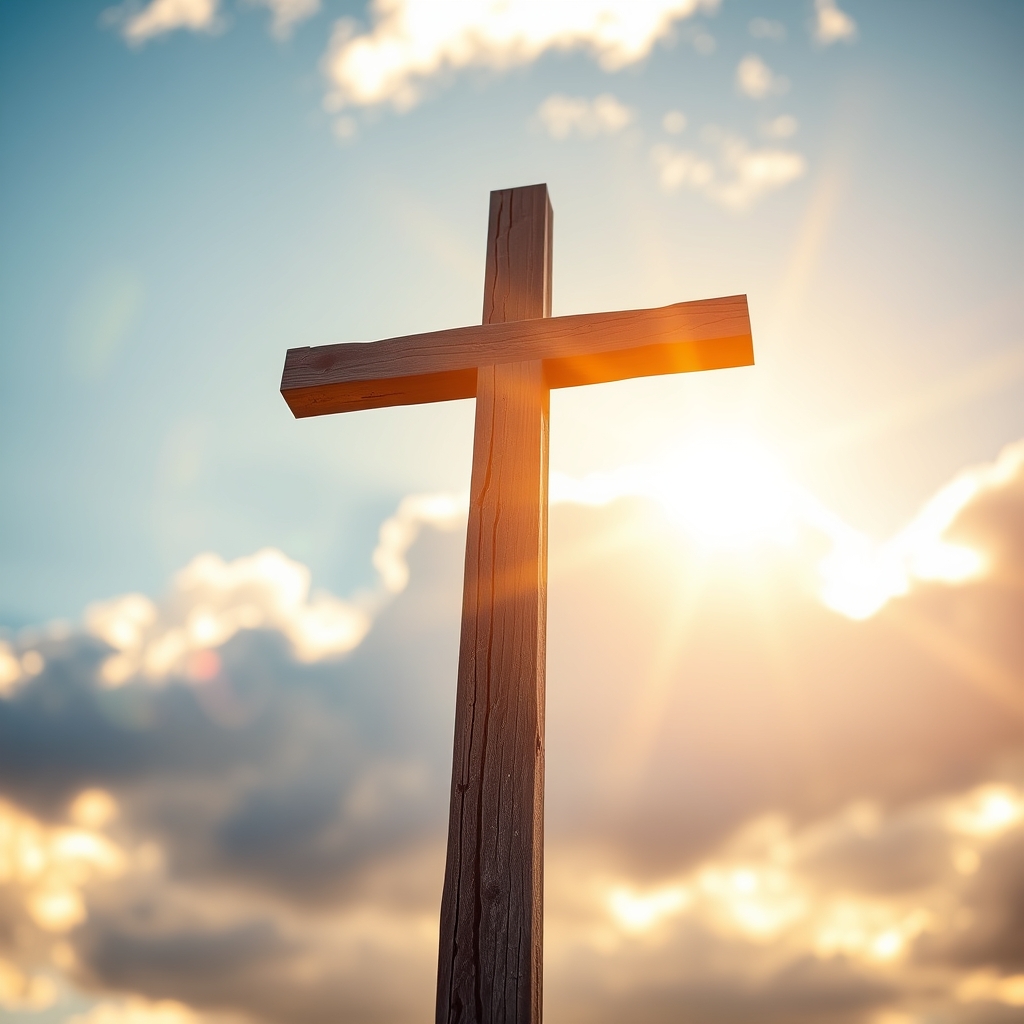
When we sing that Jesus paid it all, we are declaring a profound truth. It means every sin, every failure, and every debt owed to God was fully settled by Christ on the cross. Nothing was left undone. He bore what we could never pay.
The Biblical Foundation of Jesus Paying It All
The phrase “Jesus paid it all” is not just poetic language. It is rooted in Scripture. The Bible teaches that God’s holiness demands justice, and sin creates a debt no human can pay. Yet in His love, God provided a way.
- God’s justice requires that sin be punished (Romans 6:23, “For the wages of sin is death…”) [1]
- God’s mercy provides a substitute: His own Son, Jesus Christ (Romans 5:8, “But God demonstrates his own love for us in this: While we were still sinners, Christ died for us.”) [2]
- Christ’s death and resurrection fulfill God’s righteous requirement (Romans 3:25–26)
Because of this, the hymn “Jesus Paid It All” points us back to the Gospel message: salvation by grace alone, through faith alone, in Christ alone.
Understanding the debt of sin and Christ’s Atonement
To see what “Jesus paid it all” means, we must understand the debt of sin and the beauty of Christ’s atonement.
The Debt of Sin
Sin separates us from a holy God. It carries a penalty we cannot erase:
- All people have sinned (Romans 3:23)
- The penalty for sin is spiritual death (Romans 6:23)
- No amount of good works can remove that debt (Ephesians 2:8–9)
In other words, we are spiritually bankrupt before God. We owe what we can never repay.
Christ’s Atonement: Full Payment for Sin
Jesus stepped in as our substitute. He lived a perfect life and died in our place. His death paid the full price for our sin.
- Jesus took our sins upon Himself (1 Peter 2:24, “He himself bore our sins in his body on the cross…”) [3]
- His sacrifice satisfied God’s justice (Romans 3:25–26)
- His resurrection proves God accepted His payment (Romans 4:25)
Therefore, when we say “Jesus paid it all,” we mean:
- He bore the guilt we deserved
- He endured the punishment for our sins
- He offers us His righteousness and eternal life as a gift
This is the heart of the Gospel: there is nothing left for us to pay. Jesus has already paid it all.
What Does the Bible Say About Jesus Paid It All?

Key Scriptures That Declare Christ’s Full Payment
The phrase “Jesus paid it all” is more than a beloved hymn lyric. It is a truth rooted deeply in Scripture. The Bible clearly teaches that Jesus Christ made a complete and final payment for sin. No human effort can add to what He has done.
From Genesis to Revelation, one central message runs throughout. God Himself provided the only way for sinners to be reconciled to Him. That way was through His Son, Jesus Christ. Jesus paid it all by bearing the full weight of God’s righteous judgment against sin.
Several New Testament passages speak directly to this truth:
- 1 Peter 2:24 – “He himself bore our sins in his body on the cross, so that we might die to sins and live for righteousness; by his wounds you have been healed.” [4]
- Colossians 2:13-14 – God “having cancelled the charge of our legal indebtedness… he took it away, nailing it to the cross.” [5]
- Hebrews 10:14 – “For by one sacrifice he has made perfect forever those who are being made holy.” [6]
These verses reveal that Christ’s payment was not partial or temporary. It was absolute. The debt of sin was settled once for all time. In addition, no sacrifice is needed beyond what Jesus offered on the cross.
Romans 6:23 and the Gift of Eternal Life
Perhaps no single verse captures the heart of “Jesus paid it all” more clearly than Romans 6:23. This verse lays out two realities:
- “For the wages of sin is death” – Sin has a cost.
- “But the gift of God is eternal life in Christ Jesus our Lord” – Salvation cannot be earned; it is a gift.
The contrast is powerful. The first half speaks of what humanity deserves because of sin: eternal separation from God. However, the second half reveals what God freely gives through Jesus Christ. We cannot pay our own debt. Only Christ could offer the payment that justice demanded. Jesus paid it all so that we might receive what we could never earn: eternal life.
Importantly, this gift is not based on human merit. Paul makes clear elsewhere that salvation is “by grace… through faith… not by works” (Ephesians 2:8-9). [7] Therefore, the believer’s response is simply to trust in and receive what Christ has done.
Isaiah 53:5 – wounded for our transgressions
Over seven hundred years before Christ’s birth, the prophet Isaiah described the suffering Savior with stunning clarity. Isaiah 53:5 declares:
“But he was pierced for our transgressions, he was crushed for our iniquities; the punishment that brought us peace was on him, and by his wounds we are healed.”
This verse connects directly to the cross. Every wound Jesus bore carried purpose. He was pierced for our sins, not His own. After all, He was sinless (2 Corinthians 5:21). [8] He was crushed under the weight of humanity’s guilt. The punishment we deserved fell on Him instead.
As a result, peace with God is now possible. Healing—spiritual, emotional, and ultimately physical—flows from His sacrifice. Jesus paid it all by absorbing the penalty that was rightfully ours. Isaiah’s prophecy was fulfilled at Calvary, where Christ bore the full wrath of God against sin.
In summary, Scripture leaves no room for doubt. From the Old Testament prophecies to the New Testament declarations, the Bible affirms one glorious truth: Jesus paid it all. His sacrifice was complete, sufficient, and final. Therefore, every believer can rest in the finished work of Christ and live in the freedom that His payment provides.
What Are the Words for ‘Jesus Paid It All’?
One of the most powerful ways to understand our faith is through worship, and few hymns capture the Gospel’s core message quite like “Jesus Paid It All.” To appreciate this beloved hymn fully, it helps to know its words — both the original verses penned in the 19th century and the modern adaptations sung in churches today.
Original Lyrics by Elvina M. Hall (1865)
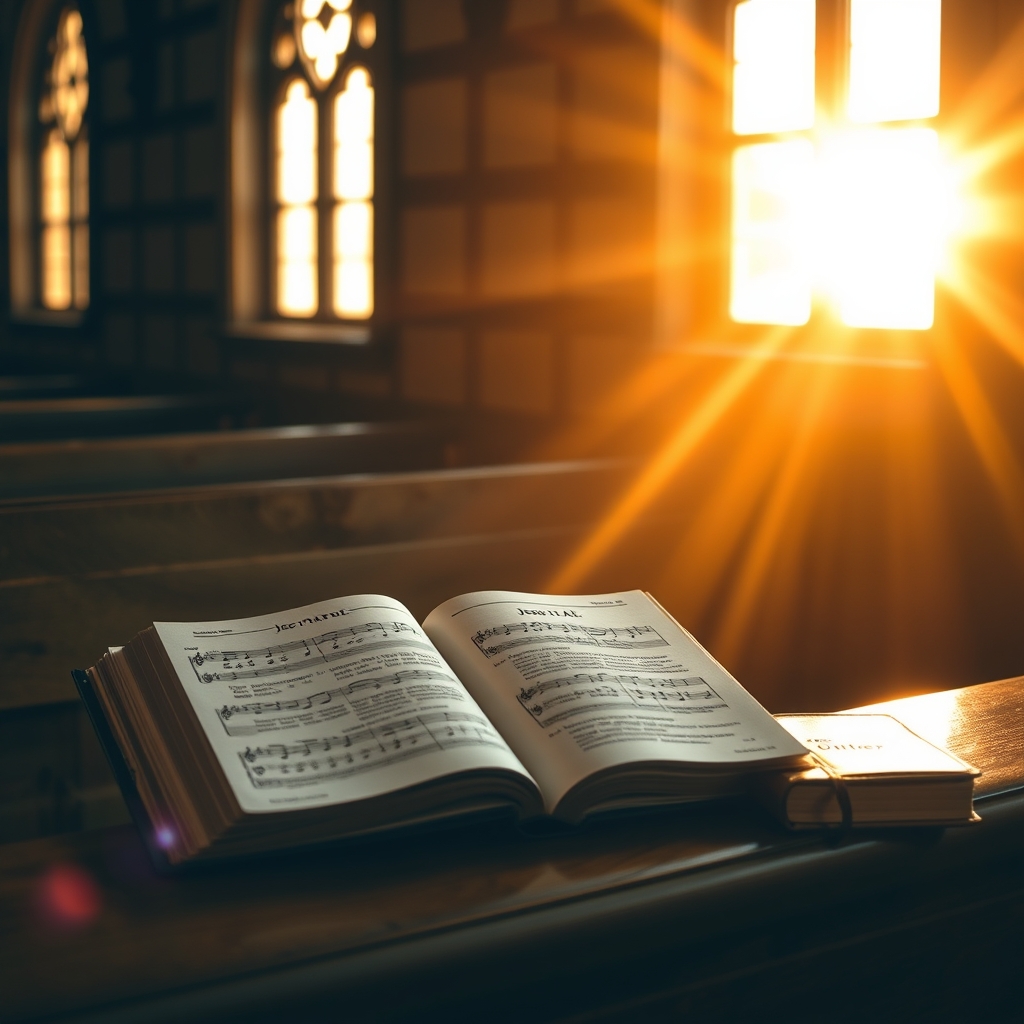
In 1865, a 45-year-old church organist named Elvina M. Hall wrote the lyrics to what we now know as “Jesus Paid It All.” She composed the words while sitting in the choir loft of the Monument Methodist Episcopal Church in Baltimore, Maryland. According to historical accounts, the inspiration came to her during a long pastoral prayer. She wrote the words on the flyleaf of a hymnal. [9]
The original lyrics are a beautiful expression of complete trust in the finished work of Christ. Here are the original verses:
- Verse 1: “I hear the Savior say, ‘Thy strength indeed is small; Child of weakness, watch and pray, Find in Me thine all in all.”
- Refrain: “Jesus paid it all, All to Him I owe; sin had left a crimson stain, He washed it white as snow.”
- Verse 2: “Lord, now indeed I find Thy power, and Thine alone, Can change the leper’s spots And melt the heart of stone.”
- Verse 3: “For nothing good have I Whereby Thy grace to claim; I’ll wash my garment white In the blood of Calvry’s Lamb.”
These words reflect a deep understanding of human insufficiency and divine sufficiency. Hall wrote from a place of personal communion with Christ. Her lyrics point not to human effort but to the finished work of Jesus on the cross.
A key verse behind her inspiration is found in the Gospel of John:
“I am the vine; you are the branches. If you remain in me and I in you, you will bear much fruit; apart from me you can do nothing.” — John 15:5
The hymn’s refrain — “Jesus paid it all” — is rooted in the atonement theology of Scripture. It echoes passages like:
- Colossians 2:13–14 — Christ forgave all our sins, having canceled the charge of our legal indebtedness.
- Romans 5:8 — While we were still sinners, Christ died for us.
Modern Adaptations and Variations
Over the past 150+ years, “Jesus Paid It All” has been adapted by many worship artists and recording artists. These modern versions retain the original spirit and theology while adding new musical arrangements and sometimes new verses.
Notable modern adaptations include:
- Kristian Stanfill / Passion — A popular contemporary worship version that has been widely used in churches worldwide. This version keeps the original chorus intact and adds a reverent, modern sound. [10]
- Tasha Cobbs Leonard — Her gospel-influenced rendition brought the hymn to a new generation. Her version emphasizes the reality of being washed clean by the blood of Jesus.
- Various Hymn Reimaginings — Many modern hymn compilations, such as those by Shane & Shane or Ascend the Hill, have brought the hymn into settings that blend traditional and modern worship.
While the musical arrangements may differ, the core message remains the same: Jesus Christ paid the full penalty for sin. No adaptation has ever altered this central truth. Furthermore, modern versions often simplify the language or adjust the melody, but they never dilute the Gospel content.
Here is a general comparison of original and modern versions:
| Element | Original (1865) | Modern Adaptations |
|---|---|---|
| Language style | 19th-century poetic English | Contemporary, accessible phrasing |
| Theological focus | Total dependence on Christ’s work | Same focus, with renewed emphasis on His blood and sacrifice |
| Musical style | Traditional hymn | Modern worship, gospel, or blended arrangements |
| Core message | Jesus paid it all; sin washed away | Unchanged — full payment through Christ alone |
The enduring popularity of “Jesus Paid It All” is evidence of its unshakable biblical foundation. Whether sung in a traditional service with organ accompaniment or led by a modern worship band, every version points to the same glorious truth:
“For you know that it was not with perishable things such as silver or gold that you were redeemed… but with the precious blood of Christ, a lamb without blemished or defect.” — 1 Peter 1:18–19
When we sing the words of this hymn — in any version — we are not simply performing a song. We are proclaiming the Gospel. We are declaring that Jesus Christ, the Son of God, paid our debt in full. As modern believers, we can sing these words with the same conviction Elvina Hall had in 1865: we owe everything to Him.
Who Sang ‘Jesus Paid It All’ First?
The beloved hymn “Jesus Paid It All” stands as one of the most cherished declarations of the gospel in Christian worship history. But who first gave voice to these powerful words, and how did this hymn become a cornerstone of the Church’s song?
Elvina M. Hall and the Hymn’s Origin
The story of “Jesus Paid It All” begins in 1865, during a season of personal devotion. Elvina M. Hall was a 45-year-old widow and member of the Monument Methodist Episcopal Church in Baltimore, Maryland.
One Sunday morning, as the pastor’s sermon ran long, Hall found her mind wandering. Instead of growing restless, she turned her focus heavenward. During that service, she penned the lyrics to what would become one of the most enduring hymns ever written.
Here are the remarkable details surrounding the hymn’s creation:
- The Setting: Hall wrote the lyrics in her pew during a Sunday morning service.
- The Composer: John T. Grape, the church organist, set Hall’s words to music.
- The Sharing: Hall tore the words from her hymnal and gave them to Pastor George W. Schreck (or possibly Pastor U. L. Jones, as accounts vary).
- The Publication: The hymn was first published in the Sunday School Lute, a hymnal for the church’s Sunday school.
The hymn’s message is profoundly simple yet theologically rich. It declares that the full debt owed by sinful humanity has been completely satisfied by the blood of Jesus Christ. Every word points sacrificially to the cross and the sufficiency of His atonement.
The opening lines capture this truth powerfully:
“I hear the Savior say, ‘Thy strength indeed is small;
Child of weakness, watch and pray, Find in Me thine all in all.'”
These words echo Christ’s call to depend entirely upon Him. As Jesus declared in John 15:5, “I am the vine; you are the branches. Whoever abides in me and I in him, he it is that bears much fruit, for apart from me you can do nothing.”
How the Hymn Became a Worship Staple
After its initial publication, “Jesus Paid It All” might have remained a local treasure. However, divine providence had a much larger stage in mind. The hymn was discovered by Professor Theodore Perkins, editor of the periodical Sabbath Carols. He reprinted it, and from there, the hymn began to spread across American churches.
Several factors contributed to its enduring popularity:
- Scriptural Fidelity: Every line aligns with biblical truth about the atonement.
- Melodic Simplicity: The tune is easy to sing, making it accessible to congregations of all sizes.
- Timeless Theology: The doctrine of Christ’s full payment for sin transcends generations and denominations.
- Personal Testimony: The hymn speaks to every believer who knows they could never earn salvation on their own.
For over 150 years, “Jesus Paid It All” has been sung in revival meetings, Sunday services, Easter celebrations, and personal quiet times. Artists across genres have recorded renditions of it, further cementing its place in the worship canon. [11]
The hymn’s staying power reminds us that the gospel never grows old. It never loses its relevance. As Paul wrote in 1 Corinthians 2:2, “For I decided to know nothing among you except Jesus Christ and him crucified.” That singular, glorious truth is precisely what Elvina Hall captured with clarity and devotion.
Today, whether sung by a congregation of thousands or whispered by a single soul in prayer, the hymn proclaims an unshakable reality: Jesus truly paid our debt in full. Nothing can be added to His finished work. Nothing can diminish its power. As the hymn itself testifies, “Jesus paid it all, all to Him I owe; sin had left a crimson stain, He washed it white as snow.”
Why Is ‘Jesus Paid It All’ So Significant to Christian Worship?

`html
A Hymn Rooted in Grace Alone
Few hymns capture the heart of the Gospel as powerfully as “Jesus Paid It All.” At its core, this beloved hymn is a declaration of grace. It reminds every believer that salvation is not earned. It is a gift, purchased entirely by the blood of Jesus Christ.
The Apostle Paul wrote, “For by grace you have been saved through faith, and that not of yourselves; it is the gift of God” (Ephesians 2:8, NKJV). This truth is the very foundation of the hymn. Every lyric points to one central reality: Jesus paid the full price for our sin. Nothing we do can add to what He has already accomplished on the cross.
Furthermore, the hymn strips away all human boasting. It leaves no room for pride or self-reliance. Instead, it lifts high the finished work of Christ. When believers sing these words, they are proclaiming that their hope rests entirely in Jesus. Not in their works. Not in their goodness. Only in Him.
Consider the weight of this message:
- Sin created an impossible debt. Romans 6:23 tells us, “For the wages of sin is death, but the gift of God is eternal life in Christ Jesus our Lord.” We owed what we could never pay.
- Jesus paid that debt in full. Colossians 2:13–14 explains that God “having wiped out the handwriting of requirements that was against us… He has taken it out of the way, having nailed it to the cross.”
- Grace is the only response. Because Jesus paid it all, we respond with worship, gratitude, and surrendered lives. Our obedience flows from thankfulness, not from a desire to earn God’s love.
In addition, this hymn has endured for over 150 years because it speaks a timeless truth. Every generation of believers needs to hear that Jesus paid it all. It is a message that never grows old. It meets the weary soul with hope and the broken heart with healing.
Its Role in Personal Devotion and Corporate Worship
“Jesus Paid It All” holds a unique place in both private prayer and gathered worship. It serves as a powerful reminder of what Christ has done. Whether sung in a small prayer group or a large congregation, its message unites believers around the cross.
In personal devotion, this hymn draws the heart closer to Jesus. When a believer meditates on the words, they are reminded of the depth of Christ’s love. It becomes a moment of reflection and repentance. The hymn invites the listener to lay down every burden at the foot of the cross.
Many Christians have testified that singing or praying through this hymn during difficult seasons brought them peace. It redirects the mind from circumstances to the unchanging truth of the Gospel. Jesus paid it all. Therefore, we can rest in His finished work.
In corporate worship, the hymn serves as a collective declaration of faith. When the church sings together, they are united in proclaiming the same glorious truth. It builds fellowship and strengthens the body of Christ. There is something powerful about hearing hundreds of voices declare in unison that Jesus paid the full price for sin.
Moreover, this hymn is often used during communion and altar calls. Its lyrics naturally lead the heart toward gratitude and surrender. Pastors and worship leaders frequently turn to it because it clearly communicates the Gospel in a way that is both simple and profound.
Here are some ways “Jesus Paid It All” impacts worship:
- It centers the service on the Gospel. Every time the hymn is sung, the cross remains the focal point of worship.
- It invites response. The lyrics call the listener to surrender fully to Jesus, making it a powerful tool for altar invitations and moments of commitment.
- It comforts the broken. For those carrying guilt or shame, the hymn offers the assurance that Jesus has already paid for every sin.
- It teaches sound doctrine. Even new believers can grasp the core message of grace through the simple, scriptural lyrics.
Ultimately, “Jesus Paid It All” is more than a hymn. It is a confession of faith. It is a declaration that Jesus Christ is sufficient. He is the Savior who bore our sins, endured the wrath of God, and rose again in victory. Every time His people sing these words, they echo the truth of 1 Peter 2:24: “Who Himself bore our sins in His own body on the tree, that we, having died to sins, might live for righteousness—by whose stripes you were healed.”
This is why the hymn remains so significant. It does not merely tell a story. It proclaims the greatest truth the world has ever known: Jesus paid it all, and because of Him, we are free.
`
Frequently Asked Questions
What Does It Mean by ‘Jesus Paid It All’?
“Jesus paid it all” means that Jesus Christ fully satisfied the penalty for our sins through His death on the cross. Because of our sin, we owed a debt we could never repay. However, Jesus paid that debt completely. 1 Peter 2:24 tells us, “He himself bore our sins in his body on the tree, that we might die to sin and live to righteousness.” As a result, we no longer bear the guilt of sin. Instead, we receive the gift of eternal life. Romans 6:23 confirms this: “For the wages of sin is death, but the gift of God is eternal life in Christ Jesus our Lord.” His payment was sufficient, final, and complete.
What Does the Bible Say About Jesus Paid It All?
The Bible clearly teaches that Jesus fully paid the price for our redemption. Several powerful scriptures declare this truth among Christians today.
- Isaiah 53:5 — “He was pierced for our transgressions; he was crushed for our iniquities; upon him was the chastisement that brought us peace, and with his wounds we are healed.”
- Romans 5:8 — “But God demonstrates his own love for us in this: While we were still sinners, Christ died for us.”
- 1 Peter 3:18 — “For Christ also suffered once for sins, the righteous for the unrighteous, that he might bring us to God.”
- Romans 6:23 — “For the wages of sin is death, but the gift of God is eternal life in Christ Jesus our Lord.”
Furthermore, Hebrews 10:10 adds, “We have been made holy through the sacrifice of the body of Jesus Christ once for all.” Christ’s sacrifice was a one-time event that fully and finally removed the debt of sin for all who believe. In addition, Colossians 2:13-14 states that God “forgave us all our sins, having canceled the charge of our legal indebtedness… he took it away, nailing it to the cross.” Therefore, the Bible emphasizes that nothing can be added to the finished work of Christ.
Who Sang ‘Jesus Paid It All’ First?
The beloved hymn “Jesus Paid It All” was written by Elvina M. Hall in 1865. She composed the lyrics during a church choir practice in Baltimore, Maryland. Furthermore, the music was later set by John T. Grape. Soon after, it was published in a collection called Golden Chains. [12] Over time, countless artists have performed this hymn. Therefore, Elvina Hall is properly recognized as the original writer of this timeless declaration of grace.
What Are the Words for ‘Jesus Paid It All’?
The original 1865 lyrics by Elvina M. Hall are deeply rooted in the theme of Christ’s full payment for sin. Modern adaptations often include a chorus that was not in her original version. Below are the core, most commonly used lyrics today.
Verse 1
I hear the Savior say,
“Thy strength indeed is small;
Child of weakness, watch and pray,
Find in Me thine all in all.”
Chorus
Jesus paid it all,
All to Him I owe;
Sin had left a crimson stain,
He washed it white as snow.
Verse 2
For nothing good have I
Whereby Thy grace to claim;
I’ll wash my garments white
In the blood of Calv’ry’s Lamb.
Verse 3
And now complete in Him,
My robe, His righteousness,
Close sheltered ‘neath His side,
I am divinely blest.
Modern Adaptations
Over the years, many artists and churches have adapted the hymn. Some versions add scripture references or update the language. However, the core message remains the same. Every adaptation points to the same truth: Jesus Christ fully paid the price for our salvation. Because of this, believers can rest in His finished work. Whether sung in a traditional style or a modern arrangement, the hymn continues to inspire worship and gratitude in the hearts of Christians worldwide.
Conclusion: Jesus Truly Paid It All
The hymn “Jesus Paid It All” is far more than a beautiful melody. It is a profound declaration of the Gospel itself. Every verse points to the finished work of Jesus Christ on the cross. He did not merely help us. He fully paid the debt we could never pay.
Throughout this article, we have explored the deep meaning behind these powerful words. We have seen the biblical foundation of Christ’s atonement. We have examined the key scriptures that declare His full payment. Furthermore, we have looked at the history of this beloved hymn and its enduring significance in worship.
As we conclude, let us remember the core truth this song proclaims. Our salvation is not based on our own efforts. It is based entirely on what Jesus has already done. The Bible tells us, “For by grace you have been saved through faith. And this is not your own doing; it is the gift of God” (Ephesians 2:8). [13]
The Unchanging Truth of the Cross
The message of the cross is the heart of our faith. It is a message of hope, love, and redemption. Consider these eternal truths:
- Our Debt Was Real: We were separated from God because of our sin. The wages of sin is death (Romans 6:23).
- His Payment Was Sufficient: Jesus, the sinless Son of God, took our place. He bore the full weight of God’s judgment against sin.
- His Work Is Finished: When Jesus cried, “It is finished” (John 19:30), He declared that the debt was paid in full. Nothing more is needed. [14]
- Our Response Is Faith: We receive this incredible gift by trusting in Jesus alone for our salvation.
Therefore, we do not sing “Jesus Paid It All” as a mere historical fact. We sing it as a present reality. It is the foundation of our daily walk with God. When we feel unworthy, we remember His grace. When we face trials, we remember His victory. In every circumstance, we rest in His finished work.
A Final Word of Encouragement
If you are new to the faith, let this truth sink deep into your heart. You do not have to earn God’s love. Jesus has already purchased it for you with His own blood. Simply come to Him as you are. Confess your sin. Believe in His resurrection. Receive the gift of eternal life He offers so freely.
For the mature believer, let this hymn rekindle your first love. It is easy to become complacent. We can forget the immense cost of our salvation. Remember the cross. Remember the empty tomb. Let the truth of “Jesus Paid It All” fill you with fresh gratitude and awe.
Ultimately, this song is a call to worship. It invites us to lift our eyes from ourselves and fix them on Jesus. He is the author and perfecter of our faith (Hebrews 12:2). [15] He is the one who loved us and gave Himself for us.
So, let us sing with confidence and joy. Let us live in the freedom His payment has secured. Jesus truly paid it all. To Him be the glory forever and ever. Amen.
Sources
- https://www.biblegateway.com/passage/?search=Romans+6:23&version=NIV
- https://www.biblegateway.com/passage/?search=Romans+5:8&version=NIV
- https://www.biblegateway.com/passage/?search=1+Peter+2:24&version=NIV
- https://www.biblegateway.com/passage/?search=1%20Peter%202:24&version=NIV
- https://www.biblegateway.com/passage/?search=Colossians%202:13-14&version=NIV
- https://www.biblegateway.com/passage/?search=Hebrews%2010:14&version=NIV
- https://www.biblegateway.com/passage/?search=Ephesians%202:8-9&version=NIV
- https://www.biblegateway.com/passage/?search=2%20Corinthians%205:21&version=NIV
- https://www.umcdiscipleship.org/resources/the-beautiful-story-behind-jesus-paid-it-all
- https://www.passionofficial.com/
- https://www.hymnary.org/text/i_hear_the_savior_say
- https://www.hymnologyarchive.org/
- https://www.biblegateway.com/passage/?search=Ephesians%202:8&version=ESV
- https://www.biblegateway.com/passage/?search=John%2019:30&version=ESV
- https://www.biblegateway.com/passage/?search=Hebrews%2012:2&version=ESV