
Marcus Borg was an Episcopal theologian and author known for interpreting Jesus, Scripture, and the resurrection through a progressive Christian framework. His views differ from historic biblical Christianity, which teaches that Jesus is the divine Son of God who truly died for sinners and physically rose again, as affirmed in 1 Corinthians 15:3–4 and John 20:31.
Marcus Borg was a respected scholar and an influential voice in modern discussions about Jesus, faith, Scripture, and the resurrection. His writings have shaped how many people understand Christian belief. However, some of his views do not agree with the clear teaching of the Bible. Questions about Jesus’ identity and resurrection are central to the Gospel. Therefore, Christians should examine every claim carefully and compare it with God’s Word.
This article will examine who Marcus Borg was and what he believed about Jesus and the resurrection. It will also consider his religious background and important books. Finally, it will compare his views with biblical Christianity. Scripture—not academic reputation, tradition, or personal experience—is the final authority for truth. The Bible teaches that Jesus Christ is the divine Son of God. He died for our sins and rose bodily from the grave (1 Corinthians 15:3–4). As we study these questions, may we return to the true Jesus, the risen Lord and Savior revealed throughout Scripture.
Who Was Marcus Borg?
Marcus Borg’s Academic and Religious Background
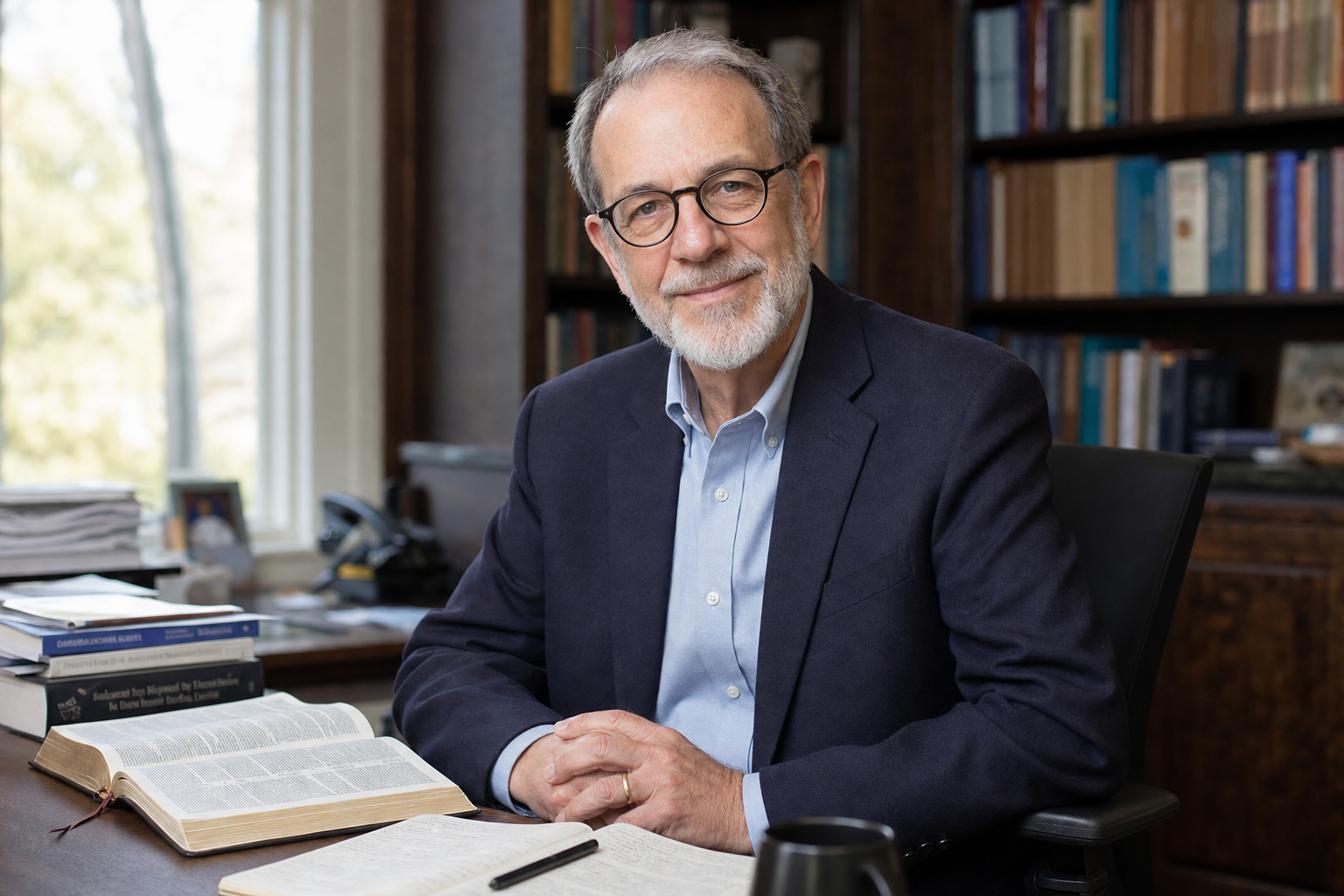
Marcus Borg was an American New Testament scholar, author, and Episcopal priest. He was born in 1942. For many years, he taught religion and biblical studies at Oregon State University. He became known for writing about Jesus, Christian faith, Scripture, and the historical study of the New Testament. [1]
Borg was also part of the Jesus Seminar. This group of scholars debated which words and actions of Jesus were historically authentic. Borg often presented Jesus as a Jewish teacher, prophet, and spiritual guide. His views differed from the historic Christian belief that Jesus is the eternal Son of God.
Christians should approach every teacher with humility and care. Academic training does not replace the authority of God’s Word. Scripture tells believers to “test everything” and hold on to what is good (1 Thessalonians 5:21). It also presents Jesus as God in the flesh (John 1:1, 14).
Why His Work Remains Influential
Borg’s books made academic discussions about Jesus easier to understand. He wrote about miracles, biblical interpretation, Christian tradition, and the resurrection. His work showed that many people want a faith that faces difficult questions. Still, answers should be measured by Scripture, not by popularity, reputation, or personal experience.
His writings may help readers understand modern debates. However, they should not define the Christian gospel. The Bible gives the final testimony: Jesus Christ died for sinners, rose bodily from the grave, and reigns as Lord and Savior (Romans 10:9; 1 Corinthians 15:20–22).
What Did Marcus Borg Believe About Jesus?
His Understanding of Jesus
Borg viewed Jesus as a real Jewish teacher from the first century. He also saw Him as a deeply spiritual person. Borg emphasized Jesus’ relationship with God, His wisdom, His prophetic message, and His compassion. He also highlighted Jesus’ concern for the poor and excluded. For Borg, faith meant a life-changing relationship with God. [2]
However, this view does not fully affirm the historic Christian belief that Jesus is the eternal Son of God who became human. Borg often explained Jesus’ divine identity through symbolism, spiritual experience, and the faith of the early Christian community.
How This Differs from Biblical Christianity
Christianity is more than a moral system based on Jesus’ teaching. It depends on the truth of who He is. Jesus said, “Before Abraham was, I am” (John 8:58). His hearers understood this as a claim to divinity. John also writes that “the Word was God” and that “the Word became flesh” (John 1:1, 14).
Scripture identifies Jesus as the eternal Son of God, the promised Messiah, and the Savior who gave His life as a ransom. He is also the perfect revelation of the Father (Matthew 16:16; Mark 10:45; John 14:9). These truths are connected to His atoning death and bodily resurrection. Jesus is not merely one spiritual guide among many. He is the divine Son, the crucified Savior, and the risen Lord (John 14:6).
Did Marcus Borg Believe in the Resurrection?

His Interpretation of the Resurrection
Borg used resurrection language, but he did not believe that Jesus rose bodily from the grave. Instead, he saw the resurrection as a spiritual experience. He believed that Jesus’ followers encountered God after Jesus died. Through this experience, they came to believe that Jesus continued to live with God. This view treats the resurrection as symbolic or theological, not as the physical transformation of Jesus’ body.
This interpretation conflicts with the central message of the New Testament. Paul wrote, “And if Christ has not been raised, your faith is futile; you are still in your sins” (1 Corinthians 15:17). The first Christians did not merely proclaim that Jesus lived on in their memories. They proclaimed that God raised Him bodily from the dead.
What Scripture Teaches
The Gospels teach that Jesus truly died, was buried, and rose on the third day. The tomb was found empty. Jesus appeared to His disciples, invited them to touch His wounds, and ate with them (Matthew 27:50–60; Luke 24:1–7, 39–43; John 20:19–29). Paul also records that Jesus appeared to Peter, the apostles, and more than five hundred witnesses (1 Corinthians 15:3–8).
Therefore, the resurrection was a public apostolic proclamation, not merely an inward experience. It confirms Jesus’ identity and saving work. It also guarantees the future resurrection of those who belong to Him (1 Corinthians 15:20–23). The biblical testimony is clear: Jesus Christ died for our sins, was buried, and was raised on the third day (1 Corinthians 15:3–4).
What Were Marcus Borg’s Main Convictions?
Faith, Scripture, and Tradition
Borg approached Christianity through historical study, personal spirituality, and Christian tradition. He emphasized faith as more than agreement with doctrines, describing it in terms of relationship with God, spiritual transformation, compassion, justice, and discipleship.
His approach to Scripture differed from the historic Christian understanding of the Bible as fully authoritative. He frequently used historical-critical methods and interpreted some biblical accounts through symbolic or metaphorical categories. His general convictions can be summarized as follows:
- Faith: A personal encounter with God expressed through spiritual transformation.
- Scripture: A sacred witness approached through historical and critical interpretation rather than complete inerrant authority.
- Tradition: A valuable resource for forming faith, though not always a fixed expression of biblical truth.
- Jesus: A central spiritual and historical figure whose identity was not fully understood in terms of eternal deity and bodily resurrection.
Why Biblical Authority Matters
Jesus said, “Your word is truth” (John 17:17), and Paul taught that all Scripture is “God-breathed” and equips believers for faithful living (2 Timothy 3:16–17). Human scholarship and spiritual experience may provide background, but they cannot replace God’s revelation.
Biblical discernment asks whether a teaching affirms Jesus as fully God and fully man, upholds His sinless life, atoning death, and bodily resurrection, treats Scripture as authoritative, and calls people to repentance, faith, and obedience. Scripture reveals Jesus as the incarnate Word who died for sinners and rose again to give salvation (John 1:1, 14; 1 Corinthians 15:3–4; John 3:16).
What Denomination Was Marcus Borg Associated With?
His Episcopal and Anglican Association
Marcus Borg was associated with the Episcopal Church, part of the Anglican tradition in the United States. He served as an Episcopal priest and worked within that church’s worship, sacramental life, and Christian tradition. [3]
He was also widely identified with progressive Christianity, which often emphasizes historical study, spiritual experience, social justice, and the development of Christian beliefs. His affiliation does not mean that every Episcopal congregation or Anglican believer shared his conclusions.
Why a Church Label Is Not the Final Standard
A denomination identifies a tradition but does not settle every theological question. The Bereans were commended for examining teaching against Scripture (Acts 17:11). Christians should therefore evaluate every view by the apostolic Gospel: Jesus is truly God, died for sinners, rose bodily from the dead, and alone provides salvation (John 1:1, 14; 1 Corinthians 15:3–4; Luke 24:39; Acts 4:12).
What Books Did Marcus Borg Write?
Notable Books
Borg wrote widely about Jesus, the Bible, Christian faith, and spiritual practice. His conclusions should be compared carefully with Scripture. Well-known titles include:
- Meeting Jesus Again for the First Time (1994): Presents Jesus primarily as a Jewish wisdom teacher and person deeply connected with God.
- The God We Never Knew (1997): Discusses Borg’s understanding of God and Christian spirituality.
- Reading the Bible Again for the First Time (2001): Encourages historical and symbolic approaches to familiar biblical stories.
- The Heart of Christianity (2003): Explores faith, discipleship, compassion, and Christian identity.
- Jesus: Uncovering the Life, Teachings, and Relevance of a Religious Revolutionary (2006): Examines Jesus as a first-century Jewish figure and religious revolutionary.
- Speaking Christian (2011): Explains familiar Christian words and ideas in modern terms.
- Evolution of the Word (2012): Offers a modern reading order and interpretation of the New Testament.
- Days of Awe and Wonder (2017): Reflects on spiritual experience and Christian living.
He also coauthored books with John Dominic Crossan, including The Last Week and The First Christmas. Publisher and library records provide further details about his books and publication history. [4] [5]
How to Read These Books From a Biblical Perspective
Readers may examine these works to understand one modern approach to Jesus, but they should read the Gospels first and test every claim against Scripture. The Bible—not any author’s reputation—must determine the truth about Christ. The New Testament testifies to one Lord who died for sins and rose bodily from the grave (Luke 24:27; 1 Corinthians 15:1–4).
What Does Marcus Borg’s Legacy Teach Christians About Jesus?

Testing Claims by Scripture
Borg’s legacy reminds Christians to examine theological claims carefully. The Bereans searched the Scriptures to test what they heard, and John instructed believers to test the spirits (Acts 17:11; 1 John 4:1). Christians may understand the questions raised by his work without accepting conclusions that contradict the Bible.
Historical study can provide useful background, but it cannot replace divine revelation. Any message that denies Christ’s identity, atoning death, or bodily resurrection must be rejected as contrary to the apostolic Gospel (Galatians 1:8–9). The church is called to worship Christ as Lord, not merely admire Him as a teacher.
The True Identity and Mission of Jesus Christ
Jesus is not merely a spiritual teacher, social reformer, or symbol of religious hope. He is the eternal Son of God who became man for our salvation. The Word was God and became flesh (John 1:1, 14), and Jesus declared, “Before Abraham was, I am” (John 8:58).
He came to seek and save the lost, willingly died for sinners in fulfillment of Scripture, and rose bodily from the grave (Luke 19:10; Isaiah 53:5–6; 1 Corinthians 15:3–4). Because He lives, those who trust Him receive forgiveness, new life, and the hope of resurrection (John 11:25–26).
Scripture therefore gives the decisive answer: Jesus Christ is Lord, the promised Messiah, the crucified Savior, and the risen Son of God. Everyone who believes in Him has eternal life (John 3:16).
Frequently Asked Questions
Who was Marcus Borg?
He was an American New Testament scholar, author, and Episcopal priest known for writing about Jesus, Scripture, faith, and the resurrection. His views should be tested against the authority of God’s Word.
What did Marcus Borg believe about Jesus?
He regarded Jesus as a first-century Jewish teacher and spiritual figure who revealed God through wisdom, compassion, and transformation. His view did not fully agree with the biblical confession that Jesus is the eternal Son of God who became flesh (John 1:1, 14).
Did Marcus Borg believe in the bodily resurrection?
No. He generally understood resurrection as a spiritual experience or continuing awareness of Jesus rather than Jesus physically rising from the grave. Scripture teaches that Jesus’ tomb was empty, that He appeared in a real body, and that many witnesses saw Him (Luke 24:39–43; 1 Corinthians 15:3–8).
What denomination was Marcus Borg associated with?
He was associated with the Episcopal Church and served as an Episcopal priest. A denominational label does not settle whether a doctrine agrees with Scripture. The decisive biblical confession is that Jesus is the divine Son of God, died for sinners, rose bodily, and alone provides salvation (1 Corinthians 15:3–4; Acts 4:12).