
What Are the Luminous Mysteries of the Rosary?
The luminous mysteries of the Rosary are five Gospel scenes from the public ministry of Jesus. They are often called the mysteries of light because each scene reveals something about who Jesus is and what He came to do. The five scenes are His Baptism in the Jordan, the wedding at Cana, His proclamation of God’s kingdom, His Transfiguration, and the giving of the Lord’s Supper.
This guide uses the Bible as the final authority. The phrase luminous mysteries describes a devotional way of remembering these passages. It is not a new section of Scripture, and the Bible does not command every Christian to use the Rosary. A helpful practice must lead us toward truth, repentance, faith, and love for Jesus Christ.
The central question is not whether a person can repeat a prayer perfectly. The central question is whether we see Jesus clearly and respond to Him with faith. These scenes show His identity, His kingdom, His glory, His saving death, and His call to believe. They also fit within a wider study of Christian prayers, worship, and devotion.
Are the Luminous Mysteries Biblical?
The five events are biblical. Matthew, Mark, Luke, and John record Jesus’ Baptism, the sign at Cana, His preaching, the Transfiguration, and the meal in which He gave the bread and cup to His disciples. Christians can read and meditate on these passages with confidence because they come from the Gospel witness.
The name and arrangement are a later devotional framework. Scripture does not say, “Pray the luminous mysteries,” or require a Rosary. That distinction matters. We should never give a human tradition the same authority as God’s Word. At the same time, a framework can be useful when it helps people open the Bible, remember Christ, and pray honestly.
Use this practice with discernment. Read the passage in context. Do not invent details that the text does not give. Do not let repeated words become empty habit. Let the scene lead you to worship the Lord Jesus, confess sin, receive grace, and obey what He has said.
The First Luminous Mystery: Jesus Is Baptized
Matthew 3:13-17 records the Baptism of Jesus in the Jordan. John knew that Jesus was greater than he was, yet Jesus came to be baptized to fulfil all righteousness. When Jesus came up from the water, the Spirit of God descended like a dove, and the Father declared, “This is my beloved Son, with whom I am well pleased.”
This scene reveals the Triune God. The Son stands in the water, the Spirit descends, and the Father speaks from heaven. Jesus is not merely a good man beginning a religious career. He is the beloved Son who enters His public mission with the Father’s approval. His humility is not weakness. It is willing obedience to the Father’s saving plan.
When you meditate on this mystery, praise Jesus as the Son of God. Ask the Lord to give you a clean heart and a willing spirit. Remember that Christian baptism points to union with Christ, but water cannot save us apart from faith in the Savior. Salvation is God’s grace received through trust in Jesus.
What Jesus’ Baptism Means for Believers
Jesus did not need to repent of sin, because He is holy. He came to identify Himself with the people He came to save. He would carry the burden of sin to the cross, even though He Himself was without sin. His Baptism points forward to the obedient life and sacrificial death of the Savior.
Believers therefore look at Jesus’ Baptism with gratitude, not superstition. Christian baptism is a public sign of repentance and faith, but it does not replace the new birth. A person is not made right with God by performing a ceremony while refusing Christ. We are reconciled to God through Jesus, who died and rose again for sinners.
This first mystery also teaches us to listen to the Father’s testimony about Jesus. The Father calls Him beloved. The Spirit rests on Him. If we want to know God, we must come to His Son. Jesus is the light who makes the Father known.
The Second Luminous Mystery: Jesus at Cana
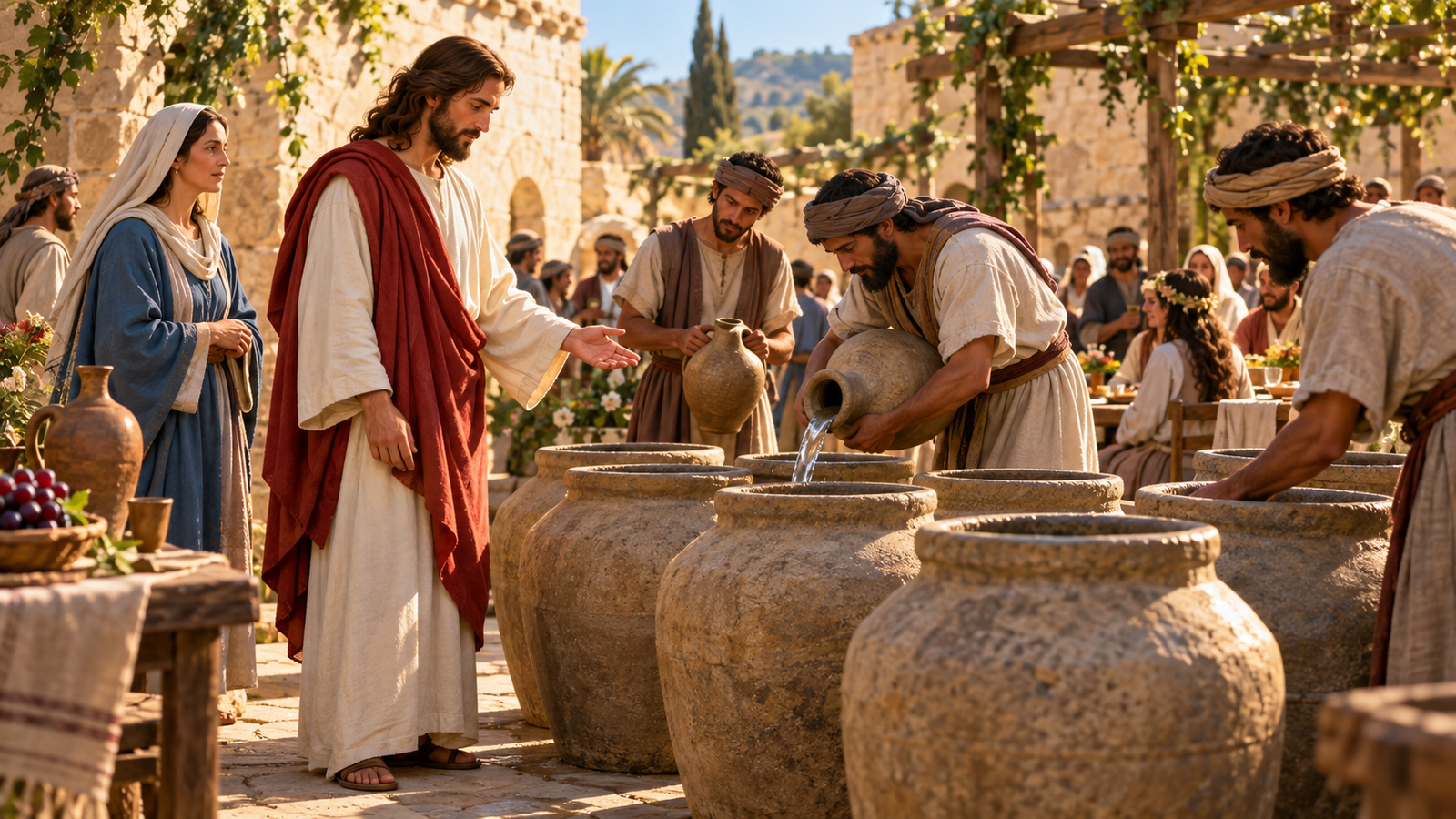
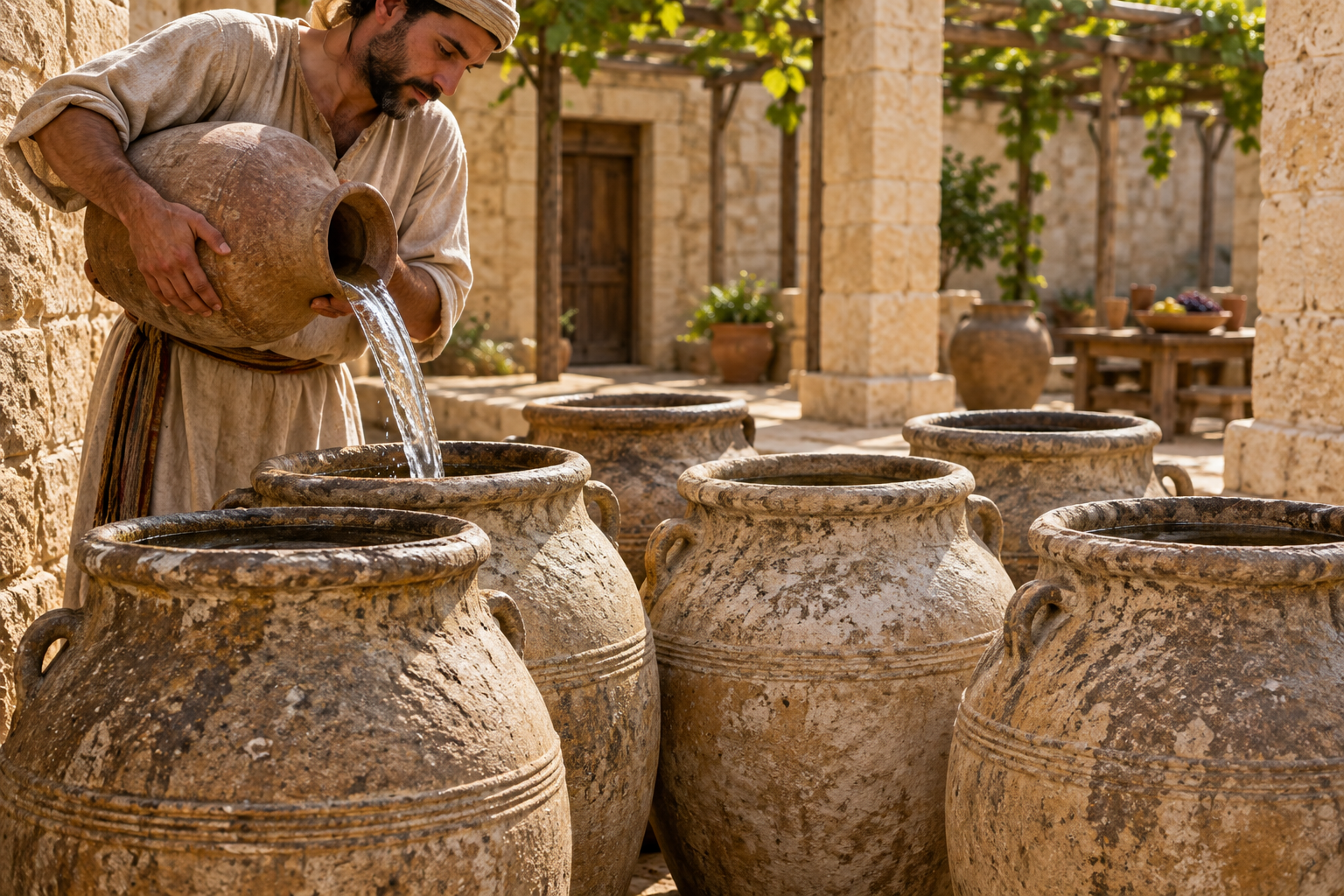
John 2:1-12 tells how Jesus attended a wedding at Cana in Galilee. When the wine ran out, Jesus told the servants to fill six stone water jars. The water became wine, and John calls this the first of Jesus’ signs. The sign manifested His glory, and His disciples believed in Him.
The miracle is not mainly a lesson about getting what we want. It is a revelation of Jesus’ glory. He has authority over creation, and He brings fullness where there is lack. He is present in ordinary human life, yet He is more than an ordinary guest. The servants obeyed His word, and the disciples saw a reason to trust Him.
Mary’s words to the servants are also a wise summary for anyone who wants to follow Jesus: “Do whatever he tells you.” Those words do not make Mary the Savior. They direct attention to Jesus. Read this scene with humility and ask where you need to obey Christ rather than your own preferences.
Jesus Reveals His Glory at Cana
Cana shows that Jesus is compassionate and powerful. He cares about an embarrassing need at a wedding, but the sign points beyond the immediate problem. Jesus is the Lord who provides, and His signs invite faith. The miracle is not a trick or an empty display. It is a sign that points to His identity.
The Gospel of John repeatedly calls readers to believe in Jesus. Faith is not a vague feeling that life will improve. It is trust in the person and promise of Christ. The disciples believed in Him because they saw His glory. We believe through the trustworthy apostolic testimony preserved in Scripture.
As you pray this mystery, thank Jesus for His patient care. Bring ordinary needs to Him without treating prayer as a demand. Ask Him to change your heart so that you treasure His glory more than His gifts. Worship Him because He is Lord, not only because He can solve a problem.
The Third Luminous Mystery: Jesus Proclaims the Kingdom
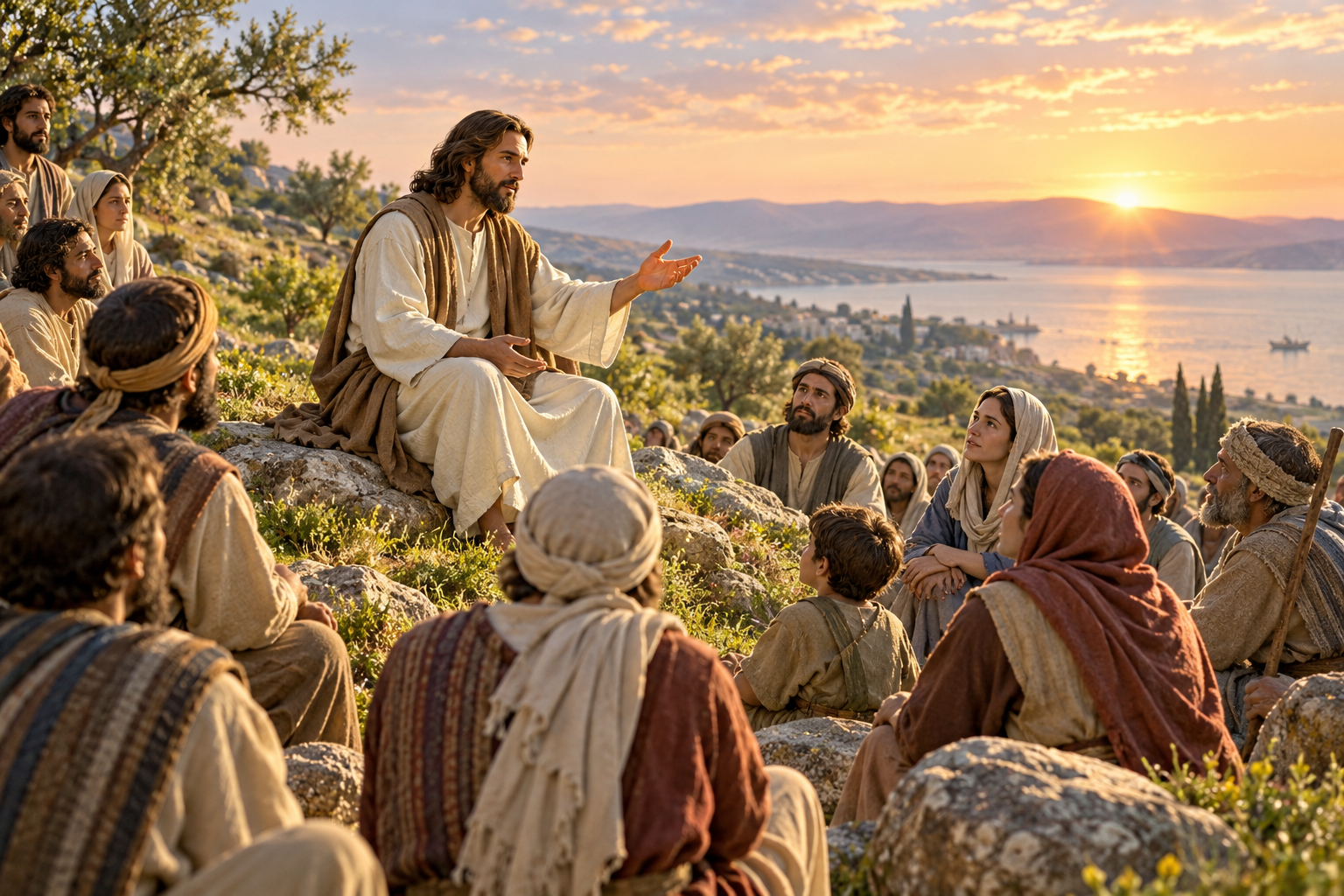
Mark 1:14-15 gives a short summary of Jesus’ first public message: “The time is fulfilled, and the kingdom of God is at hand; repent and believe in the gospel.” Jesus does not offer self-improvement without truth. He announces that God’s promised reign has come near in His own person.
The right response is repentance and faith. Repentance means turning from sin and false rule. Faith means trusting the good news about Jesus. The kingdom is not merely a political program or a private feeling. It is God’s saving rule, revealed in the King who came to rescue sinners and gather a people for Himself.
To understand this mystery more fully, study what Jesus preached. He taught about mercy, holiness, prayer, forgiveness, judgment, love, and eternal life. Every part of His teaching calls us to receive Him as Lord.
Repent and Believe the Gospel
Jesus’ call to repent is good news because He offers forgiveness. Repentance is not a way to purchase salvation. It is the honest turning of a sinner who stops defending sin and comes to Christ for mercy. A person who believes the Gospel trusts that Jesus died for sins and rose again according to the Scriptures.
The kingdom of God changes the direction of life. We no longer treat money, popularity, pleasure, family, or political power as our highest hope. We learn to obey Jesus and seek the good of others. The King is also the suffering Savior, so His kingdom comes with a cross before the crown.
When praying this mystery, examine your response to Jesus’ words. Is there a sin you keep excusing? Is there a promise you refuse to trust? Ask the Holy Spirit to make you teachable. A humble heart is not a perfect heart, but it is willing to come into the light.
The Fourth Luminous Mystery: Jesus Is Transfigured
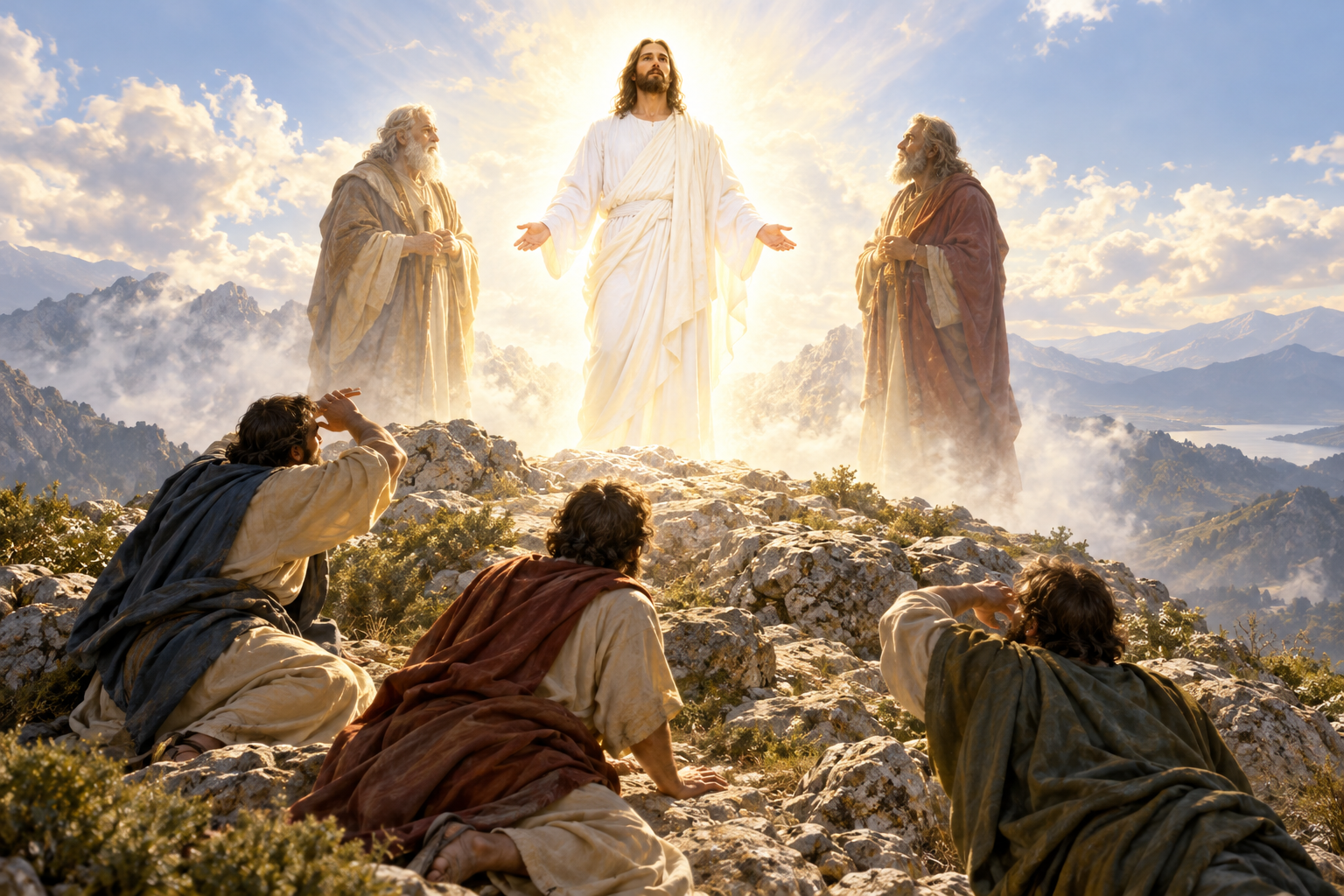
In Matthew 17:1-8, Jesus takes Peter, James, and John up a high mountain. He is transfigured before them, His face shines like the sun, and His clothes become white as light. Moses and Elijah appear, but the Father’s voice identifies Jesus: “This is my beloved Son, with whom I am well pleased; listen to him.”
The Transfiguration gives the disciples a glimpse of Jesus’ divine glory. He is not one teacher among many. Moses and Elijah point to the Law and the Prophets, but Jesus stands above them. When the disciples look again, they see no one but Jesus only. The entire Bible finds its fulfilment in Him.
This scene also prepares the disciples for the cross. The glorious Son will willingly suffer and die. Christian hope does not ignore the cross. It knows that the crucified Jesus is the risen and glorified Lord. We can trust Him when present circumstances look dark because His glory is real and His victory is certain.
Listen to Jesus
The Father’s command on the mountain is simple: listen to Jesus. We listen by receiving His words as true, reading them in context, and obeying them with faith. Prayer that never listens to Scripture becomes shaped by our own wishes. Biblical prayer lets God’s Word correct and comfort us.
Listening to Jesus includes hearing His promises. He welcomes the weary, forgives the repentant, protects His people, and will raise the dead on the last day. It also includes hearing His warnings. He calls us away from hypocrisy, greed, lust, bitterness, and self-righteousness. His truth is kind because it leads to life.
Ask the Lord to quiet the voices that compete with Christ. Human teachers can help, but no teacher stands above the Bible. Use Christian wisdom for daily life to bring decisions under Scripture, and return again and again to Jesus as the final authority.
The Fifth Luminous Mystery: Jesus Gives the Lord’s Supper
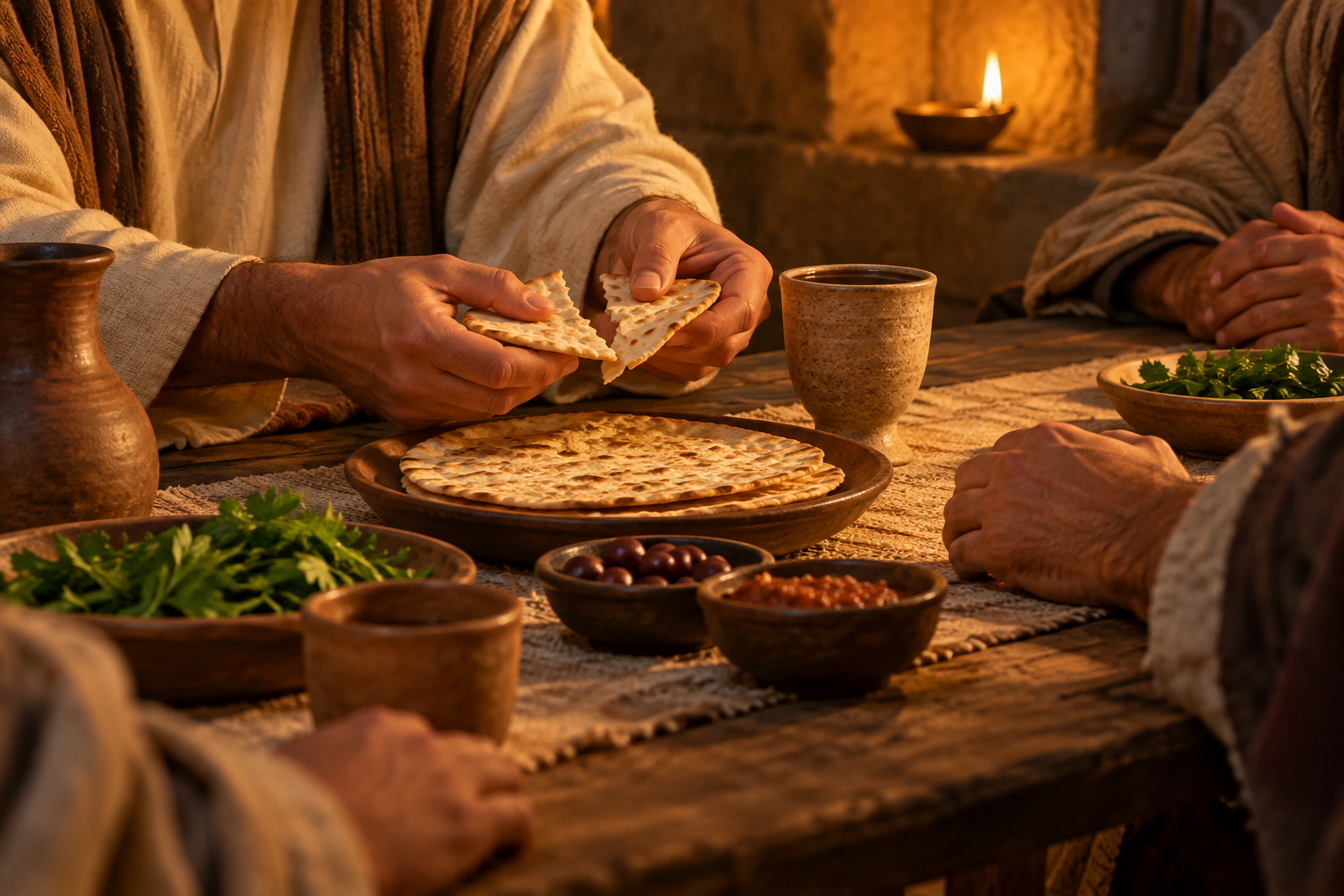
The fifth mystery remembers the night Jesus was betrayed. In 1 Corinthians 11:23-26, Paul repeats the apostolic account of Jesus taking bread and the cup. Jesus said the bread pointed to His body given for His people, and the cup pointed to the new covenant in His blood. He commanded His disciples to remember Him.
This meal points to the cross. Jesus did not die as a helpless victim whose plans failed. He gave Himself for sinners. His death is the foundation of forgiveness and the new covenant. The Lord’s Supper therefore proclaims the Gospel until Jesus comes again. It is a remembrance filled with hope because the One who died is risen.
Christians should approach the Lord’s Supper with faith, self-examination, gratitude, and love for the church. The elements are not magic objects, and repeating words cannot save a person who refuses Jesus. The meal directs us to the Savior who gave His body and blood for our redemption.
Remember Christ’s Death Until He Comes
The Lord’s Supper keeps the church centred on the death of Jesus. We never outgrow the cross. It tells us that sin is serious, that God is holy, and that God’s love is costly. Jesus took the judgment sinners deserve so that those who trust Him can receive forgiveness and peace with God.
The meal also points forward. Paul says that believers proclaim the Lord’s death until He comes. Christian worship looks back to Calvary and forward to the return of Christ. We live between the resurrection and the day when Jesus will make all things new. This hope gives courage in suffering and strength for faithful service.
As you meditate on this mystery, thank Jesus for His sacrifice. Confess any bitterness or hidden sin. Seek reconciliation where you can. Then remember that your confidence is not in the strength of your prayer but in the finished work of the Lord Jesus Christ.
How to Pray the Luminous Mysteries with Scripture
Begin by opening the Gospel passage for the mystery. Read slowly and ask what the text says about Jesus, the Father, the Spirit, sin, salvation, and the call to faith. Avoid adding details just because they appear in a painting or tradition. Let the inspired text lead your thoughts.
You may then pray in four simple movements. Praise Jesus for what the passage reveals. Confess how you have resisted His truth. Thank Him for His saving work. Ask for grace to obey one clear application. You can use a familiar prayer pattern if it helps, but the words should remain connected to Scripture and sincere faith.
Prayer is communion with God, not a technique for controlling outcomes. Repetition can help attention, but empty repetition does not impress the Lord. A short prayer with a believing heart is better than many words spoken without understanding. Keep Christ as the centre of every meditation.
Jesus Christ Is the Centre
The luminous mysteries are useful only when they help us see Jesus. The first mystery shows the beloved Son. Cana shows His glory. The kingdom mystery announces His saving rule. The Transfiguration displays His divine majesty. The Lord’s Supper points to His body given and blood poured out for sinners.
Mary appears in the Cana account, and her words direct the servants to Jesus. That is the right place for every Christian helper, teacher, and tradition. No person replaces Christ. No devotional method can mediate salvation. There is one Savior, one Lord, and one Gospel of grace.
Keep the focus on the Bible and ask whether your prayer makes you more ready to trust and obey Jesus. A devotional practice that increases pride, fear, superstition, or dependence on a method needs correction. A practice that sends you to Scripture, repentance, worship, and love can serve a good purpose.
A Biblical Response to the Luminous Mysteries
The right response to these Gospel scenes is faith in Jesus Christ. He is Lord and Savior. He is truly divine and truly human. He lived without sin, died for sinners, rose bodily from the grave, and will return as King. The Bible is the authoritative Word of God that tells us this good news.
If you are seeking God, do not stop at a prayer routine. Read the Gospel accounts and come to Jesus. Confess your sin, believe His promise, and ask Him to save you. If you already belong to Christ, let these scenes deepen your love for Him and strengthen your obedience.
The Beatitudes show the humble character of people who live under Jesus’ reign. You can read the Beatitudes in Luke and ask how the light of Christ is changing your heart. Worship Him with your whole life, knowing that His grace is sufficient and His resurrection is your living hope.
Frequently Asked Questions About the Luminous Mysteries
What are the luminous mysteries of the Rosary?
The luminous mysteries are five scenes from the public ministry of Jesus: His Baptism in the Jordan, His sign at Cana, His proclamation of God’s kingdom, His Transfiguration, and His institution of the Lord’s Supper. Each one directs attention to Christ and the Gospel.
Are the luminous mysteries found in the Bible?
The five scenes come from the Gospel accounts, although the Bible does not command Christians to use a prayer set called the luminous mysteries. Christians should test every devotional practice by Scripture and keep Jesus Christ, not a method, at the centre.
Which day do people pray the luminous mysteries?
Many Rosary guides suggest praying the luminous mysteries on Thursday, but the Bible does not require a particular day. You may meditate on these Gospel scenes whenever you can read Scripture and pray with attention to Jesus.
How should I pray the luminous mysteries biblically?
Read the Gospel passage, observe what it reveals about Jesus, confess your need, thank Him for His saving work, and ask for grace to obey. Let Scripture shape the prayer instead of treating repeated words as a way to earn God’s favour.
Do the luminous mysteries replace the Gospel?
No. A devotional outline can help someone remember important Gospel scenes, but it cannot replace reading the Bible, hearing the Gospel, or trusting Jesus Christ. The Bible is the authoritative Word of God and the final guide for Christian faith and practice.
Scripture and background reading:
- Rosarium Virginis Mariae
- Matthew 3:13-17
- John 2:1-12
- Mark 1:14-15
- Matthew 17:1-8
- 1 Corinthians 11:23-26
- Luke 9:28-36
Walk in the Light of Christ
The mysteries of light lead us from the Jordan to the table, from the first sign at Cana to the glory of the mountain and the sacrifice of the cross. They are not a substitute for Scripture, but they can remind us to look carefully at the public ministry of Jesus.
The light is not an idea. It is the Lord Jesus Christ. He calls sinners to repent and believe, gives Himself for our salvation, and rises in victory. He deserves more than a moment of attention. He deserves our trust, worship, obedience, and hope.
Come to Jesus through the Gospel. Remain in His Word. Pray with humility. Serve His people. And wait for the day when the risen Lord will be seen in glory. His promise is sure, and everyone who trusts in Him will have eternal life.
