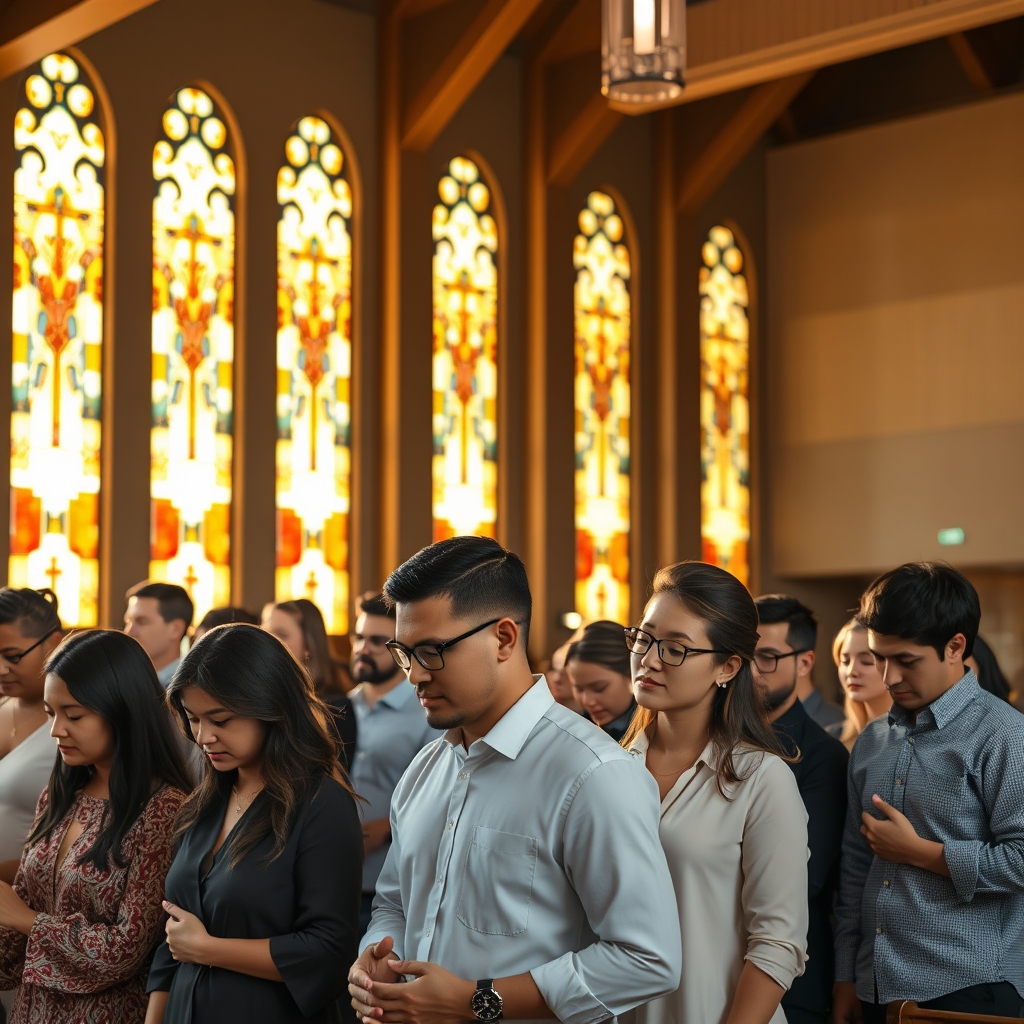
“Stand Up, Stand Up for Jesus” is a beloved Christian hymn written in 1858 by George Duffield Jr., inspired by the dying words of preacher Dudley Tyng, who urged Christians to boldly proclaim their faith in Jesus Christ. The hymn calls believers to stand firm in their faith, put on the full armor of God (Ephesians 6:13), and courageously live out the Gospel in every area of life.
Few hymns in the history of the Christian church carry the fire, courage, and urgency of Stand Up stand up for Jesus. Written in the shadow of tragedy and born from a dying man’s final charge to fellow believers, this beloved hymn has stirred the hearts of Christians for over 160 years. Its bold call to action echoes through generations, challenging every listener to consider a deeply personal question: Am I truly standing up for Jesus in my own life?
In this article, we will explore the powerful story behind Stand Up Stand Up for Jesus—from the remarkable life and untimely death of Dudley Tyng, to the moving circumstances that led George Duffield Jr. to pen its unforgettable lyrics, to the biblical foundation that gives this hymn its enduring weight. Along the way, you will discover what it means to stand up for Christ in a world that often opposes Him, examine the full lyrics and musical history, and find renewed encouragement to live out your own faith with boldness and conviction. Whether you have sung this hymn countless times or are hearing its story for the first time, may its message ignite a fresh resolve in your heart to stand firm for the Lord Jesus Christ—today and always.
What Is ‘Stand Up Stand Up for Jesus’?

Few hymns in the history of the Christian church have stirred hearts and summoned courage quite like “Stand Up, Stand Up for Jesus.” For well over a century and a half, this beloved hymn has echoed through sanctuaries, revival meetings, and quiet moments of personal devotion. It remains one of the most recognized and passionately sung hymns in the English-speaking world.
A Hymn That Has Inspired Generations
The hymn “Stand Up, Stand Up for Jesus” was born out of tragedy, faith, and an unwavering commitment to the Gospel of Jesus Christ. Since its creation in 1858, it has inspired countless believers to live boldly for their Savior. From the American Civil War battlefields to modern-day worship services, this hymn continues to call Christians to action.
Its enduring power lies in its simplicity. The lyrics are direct, urgent, and deeply rooted in Scripture. They speak to the heart of what it means to follow Jesus in a world that often opposes Him. As the Apostle Paul wrote, “Be on your guard; stand firm in the faith; be courageous; be strong“ (1 Corinthians 16:13, NIV). This hymn captures that biblical command in a way that is both memorable and deeply moving.
Over the generations, “Stand Up, Stand Up for Jesus” has been sung by:
- Civil War soldiers preparing for battle
- Revival congregations during the great awakenings
- missionaries departing for foreign fields
- Modern worship teams in churches around the world
- Individual believers facing personal trials and persecution
Its message transcends time, culture, and denomination. At its core, the hymn is a rallying cry for every believer who desires to honor Christ with their life.
The Full Title and First Verse
The hymn’s full and proper title is “Stand Up, Stand Up for Jesus.” It was written by the Reverend George Duffield Jr. in 1858. The first verse, which is the most widely known, reads:
“Stand up, stand up for Jesus,
Ye soldiers of the cross;
Lift high His royal banner,
It must not suffer loss.
From victory unto victory
His army shall He lead,
Till every foe is vanquished,
And Christ is Lord indeed.”
These opening lines set the tone for the entire hymn. They paint a vivid picture of the Christian life as a spiritual battle. Believers are called “soldiers of the cross,” a phrase that echoes Paul’s words in 2 Timothy 2:3: “Join with me in suffering, like a good soldier of Christ Jesus“ (NIV).
The imagery of lifting “His royal banner” speaks to the public nature of the Christian faith. Jesus Himself said, “Whoever acknowledges me before others, I also will acknowledge before my Father in heaven” (Matthew 10:32, NIV). The hymn calls believers to hold high the banner of the Gospel without shame or hesitation.
Furthermore, the promise that “from victory unto victory His army shall He lead” is grounded in God’s faithfulness. It reflects the assurance found in 2 Corinthians 2:14: “But thanks be to God, who always leads us as captives in Christ’s triumphal procession” (NIV). The hymn does not promise an easy life. Instead, it promises a victorious one, because the risen Christ leads His people.
In the sections that follow, we will explore the remarkable story behind this hymn. We will examine the life and death of Dudley Tyng, the man whose final sermon inspired these powerful words. We will also dig into the biblical foundations that give this hymn its lasting spiritual authority.
What Is the Story Behind Stand Up Stand Up for Jesus?

The Life and Death of Dudley Tyng
The story behind “Stand Up, Stand Up for Jesus” begins with a young preacher named Dudley Atkins Tyng. He had a powerful calling on his life. God had given him a passion for reaching the lost. His sermons were bold and urgent. Many souls came to saving faith through his preaching.
Dudley Tyng was born in 1825. He grew up in a godly home. His father was the well-known preacher William Tyng. Dudley felt the call to ministry at a young age. He studied theology faithfully and entered the Episcopal priesthood with great zeal.
Pastor Tyng became known for two remarkable things. First, his evangelistic Sunday evening services drew enormous crowds. Over a thousand people would gather to hear him preach. Many were unconverted workers and businessmen. They came because his words cut straight to the heart.
Second, Dudley Tyng championed the antislavery cause with equal boldness. He believed the Gospel demanded justice for all people. His abolitionist stance eventually cost him his first pastorate. Church leaders opposed his public position on slavery. Rather than soften his message, he moved on to a new church in Philadelphia.
In Philadelphia, Tyng founded the Church of the Epiphany. His ministry flourished there. thousands heard the good news of Jesus Christ through his preaching. He also organized large revival meetings across Pennsylvania. God was clearly at work through his faithful servant.
Tragedy struck in March of 1854. Dudley Tyng visited a farm outside Philadelphia. While inspecting a corn thrashing machine, his sleeve caught in the machinery. His arm was horribly mangled in the accident. Doctors had no choice but to amputate.
For two agonizing weeks, Dudley Tyng fought for his life. Before he passed into glory, he reportedly spoke words to his gathered family and friends. He urged them to “stand up for Jesus.” These words would become immortal. On April 13, 1854, at just 29 years old, Dudley Tyng went to be with the Lord he had served so faithfully.
His death shook the Philadelphia church community to its core. Yet from that sorrow came one of the most stirring hymns ever written. The seed was planted in Tyng’s final inspired words and in one unforgettable sermon.
The Sermon That Sparked a Hymn
Before his fatal accident, Dudley Tyng preached a powerful sermon at a YMCA meeting in March of 1854. The text for his message came from Exodus 10:11. God had commanded Pharaoh through Moses to “Go now ye that are men, and serve the Lord.”
Tyng used this passage to challenge the men in attendance. He called them to rise up and serve the Lord Jesus Christ with courage and conviction. His preaching was passionate and deeply convicting. He urged men to commit their lives fully to Christ.
The response to that sermon was remarkable. Over a thousand men were present. When Tyng gave the altar call, more than one thousand men rose to their feet. They declared their willingness to stand up and serve the Lord. The sight was overwhelming. Pastors and laymen alike were moved to tears.
Among those moved by the sermon was George Duffield Jr. He was an associate pastor and a fellow clergyman from Pennsylvania. Duffield witnessed the extraordinary response to Tyng’s preaching. He saw men standing, declaring their faith, and surrendering their lives to Jesus.
Just weeks later, news arrived that Dudley Tyng had died from his injuries. Duffield was heartbroken. But the words of Tyng and the image of those thousand men rising to their feet would not leave his mind. Deeply stirred by both the triumph and the tragedy, he sat down to preserve the moment in verse.
The result was the hymn “Stand Up, Stand Up for Jesus.” Duffield poured every ounce of emotion into the lyrics. He captured the boldness of Tyng’s preaching. He honored the sacrifice of a young pastor cut down in his prime. And he issued a lasting call to every believer to stand firm for their Lord.
“Ye that are men now serve Him, against unnumbered foes; let courage rise with danger, and strength to strength oppose.”
George Duffield Jr. Writes the Lyrics
George Duffield Jr. was born in 1818 in Carlisle, Pennsylvania. He was the son of a prominent Presbyterian minister, George Duffield Sr. The younger Duffield followed in his father’s footsteps. He served faithfully in several pastorates throughout his life, including churches in Brooklyn, Philadelphia, Galesburg, Bloomfield, Ann Arbor, Chicago, and Saginaw.
Duffield was a deeply committed Christian. He was also a gifted writer of hymns. Yet none of his compositions would ever match the impact of “Stand Up, Stand Up for Jesus.” He penned the lyrics in a single sitting, drawing from the grief and inspiration surrounding Tyng’s death. The words flowed with urgency and eternal purpose.
He completed the hymn quickly in 1858, just four years after Tyng’s passing. The original version contained five verses. Each verse carried a distinct theme while building toward the hymn’s resounding chorus. The lyrics called believers to battle, to perseverance, and ultimately to final victory through the blood of Jesus Christ.
Key themes in Duffield’s lyrics include:
- A call to battle against sin, echoing the soldier imagery of Ephesians 6:11–17
- Courage in the face of opposition, reminding believers that Jesus Himself endured the cross for the joy set before Him (Hebrews 12:2)
- The promise of ultimate victory through Christ’s name
- The final verse, which points to the day when believers shall stand before the Lord and crown Him as King
Duffield named his new hymn after the memorable words spoken by Dudley Tyng: “Stand up for Jesus.” He then hit upon the idea of combining his lyrics with a powerful existing melody. He chose the tune “WEBB,” composed by George James Webb. The combination proved to be a perfect match. The stirring melody gave the bold lyrics an anthem-like quality that congregations could sing with conviction and power.
The hymn was first sung publicly in Duffield’s church in Philadelphia. Its effect was immediate and electric. Church members felt the weight of its message. News of the hymn spread rapidly through revival meetings, camp gatherings, and churches across the nation. Before long, “Stand Up, Stand Up for Jesus” had crossed the Atlantic and reached churches throughout Europe and beyond.
“Stand up, stand up for Jesus, ye soldiers of the cross; lift high His royal banner, it must not suffer loss.”
George Duffield Jr. continued his pastoral work until his death in 1888. He never lived to see the full global impact of the hymn he wrote in a moment of inspired grief. Yet today, over 160 years later, “Stand Up, Stand Up for Jesus” continues to stir hearts, embolden faith, and call believers everywhere to take their stand for the risen Lord.
The story of Dudley Tyng, George Duffield Jr., and this beloved hymn reminds us that God often brings His greatest triumphs out of tragedy. One young preacher’s death and one pastor’s faithful response gave the Church an anthem for the ages. It calls every generation to stand firm in the faith once delivered to the saints, knowing that Jesus Christ is Lord yesterday, today, and forever (Hebrews 13:8).
What Does It Mean to Stand Up for Jesus?
A Call to Bold Faith in Everyday Life
To “stand up for Jesus” is far more than a poetic phrase from a beloved hymn. It is a daily invitation to live out your faith with courage, conviction, and love. When we sing Stand Up, Stand Up for Jesus, we are declaring that following Christ is not a passive decision. It is an active, ongoing commitment that shapes every part of our lives.
Standing up for Jesus begins in the ordinary moments. It happens when you choose honesty at work. It happens when you speak kindly in a harsh conversation. It happens when you share your testimony with a friend who is searching for hope. Furthermore, it happens when you refuse to compromise your beliefs, even when doing so would be easier.
The hymn reminds us that faith is not meant to be hidden. Jesus Himself said, “Let your light shine before others, that they may see your good deeds and glorify your Father in heaven” (Matthew 5:16). In addition, standing up for Jesus means being a living witness, not only through words but through the way you love, serve, and forgive those around you.
Here are some practical ways to stand up for Jesus in everyday life:
- Speak the truth with grace. Share the Gospel boldly, but always with compassion and respect for others.
- Live with integrity. Let your actions reflect the character of Christ in every setting, whether at home, at work, or in your community.
- Encourage fellow believers. Build up other Christians through prayer, fellowship, and words of affirmation (1 Thessalonians 5:11).
- Refuse to be silent. When the world mocks the name of Jesus, choose to honor Him openly and without shame.
- Serve those in need. Demonstrate the love of Christ through acts of mercy and generosity (James 2:15–17).
Biblical Foundations for Standing Firm
The call to stand up for Jesus is deeply rooted in Scripture. Throughout the Bible, God’s people are urged to be strong, courageous, and unwavering in their faith. These commands are not suggestions. They are essential instructions for every believer who desires to honor the Lord.
One of the most powerful passages on this theme is found in Ephesians 6:13–14. The Apostle Paul writes, “Therefore put on the full armor of God, so that when the day of evil comes, you may be able to stand your ground, and after you have done everything, to stand. Stand firm then.” This passage teaches us that standing up for Jesus requires spiritual preparation. We cannot rely on our own strength. Instead, we must depend on the armor of God, which includes truth, righteousness, the Gospel of peace, faith, salvation, and the Word of God.
In addition, the Apostle Paul gives a clear directive in 1 Corinthians 16:13: “Be on your guard; stand firm in the faith; be courageous; be strong.” This verse captures the heart of what it means to stand up for Jesus. It is a call to vigilance, courage, and unwavering trust in the Lord.
Furthermore, the Old Testament provides powerful examples of those who stood firm. Consider Shadrach, Meshach, and Abednego, who refused to bow before King Nebuchadnezzar’s golden image, even under threat of death (Daniel 3:16–18). Their faithfulness is a timeless reminder that standing up for God sometimes means standing alone.
Here are key biblical principles for standing firm in your faith:
- Put on the armor of God daily. Spiritual readiness is not optional. It is essential for every believer (Ephesians 6:10–18).
- Remain rooted in God’s Word. Scripture is your foundation and your weapon against deception and doubt (Psalm 119:105).
- Pray without ceasing. Prayer is the lifeline that connects you to the power of God (1 Thessalonians 5:17).
- Stay in fellowship with other believers. You were never meant to stand alone. The body of Christ is designed for mutual support (Hebrews 10:24–25).
- Remember the promises of God. When trials come, anchor your soul in the unchanging truth of His Word (Isaiah 40:31).
Standing Up in a World That Opposes the Gospel
Let us be honest. Standing up for Jesus is not always easy. In many parts of the world, Christians face persecution for their faith. According to Open Doors, more than 365 million Christians experience high levels of persecution and discrimination for their faith in Christ. [1] This sobering reality reminds us that the call to stand up for Jesus may come at a great personal cost.
However, even in nations where religious freedom is protected, believers often face subtle forms of opposition. You may encounter ridicule at school. You may feel pressure to stay silent about your faith at work. You may struggle with the temptation to conform to a culture that rejects biblical truth. In these moments, the words of Stand Up, Stand Up for Jesus ring with urgent relevance.
Jesus never promised that following Him would be easy. In fact, He told His disciples plainly, “If the world hate you, ye know that it hated me before it hated you” (John 15:18, KJV). Yet He also promised that He would never leave us nor forsake us (Hebrews 13:5). As a result, we can stand with confidence, knowing that the One who calls us to stand is the One who empowers us to endure.
Standing up for Jesus in a hostile world requires more than human willpower. It requires the Holy Spirit working within you. It requires a heart that is fully surrendered to the lordship of Christ. And it requires a deep, abiding trust that God is sovereign over every circumstance you face.
Here is the beautiful truth: when you stand up for Jesus, you are never standing alone. The same God who parted the Red Sea, who shut the mouths of lions, and who raised Jesus from the dead is with you. He is your strength, your shield, and your ever-present help in trouble (Psalm 46:1).
So take heart, beloved. The call to stand up for Jesus is not a burden. It is a privilege. It is an invitation to join the great cloud of witnesses who have gone before you, declaring with one voice that Jesus Christ is Lord, yesterday, today, and forever (Hebrews 13:8).
Stand Up Stand Up for Jesus Lyrics
Original Lyrics by George Duffield Jr.
George Duffield Jr. penned the lyrics to Stand Up, Stand Up for Jesus in 1858. He was deeply moved by the final words and tragic death of his friend, Dudley Tyng. The hymn was first published in a small tract shortly after it was written. Today, it remains one of the most recognized and beloved hymns in the history of the Christian church.
Below are the original lyrics as written by Duffield:
Stand up! stand up for Jesus!
Ye soldiers of the Cross;
Lift high His royal banner,
It must not suffer loss.
From victory unto victory
His army He shall lead,
Till every foe is vanquished,
And Christ is Lord indeed.
Stand up! stand up for Jesus!
The trumpet call obey,
Forth to the mighty conflict
In this His glorious day.
Ye that are men now serve Him
Against unnumbered foes:
Let courage rise with danger,
And strength to strength oppose.
Stand up! stand up for Jesus!
Stand in His strength alone:
The arm of flesh will fail you;
Ye dare not trust your own.
Put on the Gospel armor,
Each piece put on with prayer;
Where duty calls, or danger,
Be never wanting there.
Stand up! stand up for Jesus!
The strife will not be long:
This day the noise of battle,
The next the victor’s song.
To him that overcometh,
A crown of life shall be;
He with the King of Glory
Shall reign eternally.
These words are rich with biblical imagery. Duffield drew inspiration from passages like Ephesians 6:13–14, which calls believers to “put on the full armor of God” and to “stand firm.” The hymn is a stirring call to action. It reminds every believer that the Christian life is one of active courage and unwavering faith in Jesus Christ.
Common Variations and Modern Arrangements
Over the decades, some hymnals and congregations have adjusted the lyrics. These changes reflect evolving language preferences and theological emphases. Although the core message remains the same, certain verses or phrases have been modified in various editions.
Below is a summary of the most commonly noted variations:
| Original Phrase | Common Variation | Notes |
|---|---|---|
| “Ye soldiers of the Cross” | “Your courage rise” (altered in some versions) | Some hymnals adjust phrasing for clarity or modern usage. |
| “Against unnumbered foes” | “And strength to strength oppose” | Occasionally combined or reordered in modern arrangements. |
| “He with the King of Glory / Shall reign eternally” | Retained in most versions | This closing line is widely preserved without change. |
In addition to textual variations, the hymn has been set to several different musical arrangements throughout its history. The most well-known tune is “Webb”, composed by George James Webb. However, other arrangements exist in gospel and contemporary styles. Furthermore, modern worship bands have occasionally performed Stand Up, Stand Up for Jesus with fresh musical instrumentation and rhythms.
Some contemporary renditions include:
- Gospel choir arrangements that emphasize powerful vocal harmonies
- Acoustic or folk-style versions using guitar and light percussion
- Piano-driven settings suited for small church worship services
Despite these musical variations, the hymn’s central message never changes. Believers are called to courageously stand up for Jesus Christ. As Scripture declares, “For God has not given us a spirit of fear, but of power and of love and of a sound mind” (2 Timothy 1:7). Whether sung in a grand cathedral or a small gathering, this hymn continues to inspire the Church to bold, unwavering faith in our Lord Jesus.
What Is the Name of the Tune Stand Up for Jesus?
`html
The beloved hymn “Stand Up, Stand Up for Jesus” has inspired generations of believers. However, many wonder about the name of the tune that carries these powerful words. Let us explore the rich musical heritage behind this iconic hymn.
The “Webb” Tune by George James Webb
The most well-known and widely used musical setting for “Stand Up, Stand Up for Jesus” is called “Webb”. It was composed by George James Webb (1803–1887), an English-born American musician and composer. [2]
Webb composed this tune in 1837. Interestingly, it was not originally written for this hymn. The tune is actually titled “Morning Light”. It became associated with “Stand Up, Stand Up for Jesus” sometime after the hymn’s text was published in 1858. The rousing, march-like quality of the Webb tune perfectly matched the bold and courageous spirit of George Duffield Jr.’s lyrics.
The Webb tune is characterized by several musical qualities that make it memorable:
- A steady, march-like rhythm — reflecting the imagery of soldiers marching forward in faith
- A strong, ascending melodic line — evoking the idea of standing up and looking heavenward for strength
- Simple, singable intervals — making it accessible for congregational singing across all ages
- A triumphant major key — celebrating the victory believers have in Christ Jesus
In addition to his work as a composer, George James Webb played a significant role in American church music. He was a close associate of Lowell Mason, often called the father of American church music. Together, they helped shape the sound of congregational singing in 19th-century America. [3]
The pairing of Webb’s stirring tune with Duffield’s powerful text proved to be one of the most enduring matchups in hymnody. Today, when most Christians sing “Stand Up, Stand Up for Jesus,” they are very likely singing the Webb tune.
Other Musical Settings of the Hymn
While the Webb tune is by far the most popular musical setting, “Stand Up, Stand Up for Jesus” has been set to several alternative tunes throughout its history. These arrangements reflect the hymn’s adaptability across denominations and worship styles.
Here are some notable alternative settings:
| Tune Name | Composer/Origin | Notable Features |
|---|---|---|
| Pleading Savior | Arranged in the 19th century | A more reflective, contemplative setting of the hymn |
| Workers for Jesus | 20th-century arrangement | Emphasizes the missionary and service themes of the text |
| SDA Hymnal Version | Seventh-day Adventist tradition | A slightly different melodic interpretation unique to Adventist hymnals |
| Festival Arrangements | Various modern composers | Updated harmonies for choir and congregational use |
Furthermore, contemporary Christian artists have also created their own renditions of “Stand Up, Stand Up for Jesus.” Bart Millard, lead singer of MercyMe, recorded a modern version that introduced the hymn to a new generation of listeners. His arrangement retains the hymn’s original message while presenting it in a style relevant to today’s worship contexts.
Other modern adaptations include:
- Acoustic and folk arrangements — featuring guitar and simple instrumentation for smaller gatherings
- Gospel choir renditions — adding rich harmonies and call-and-response elements
- Piano-driven versions — suitable for personal devotion and quiet times of worship
- Orchestral settings — performed in larger church services and Christian concerts
In addition, some hymnals published by various denominations have chosen different tunes or harmonies for the text. The Seventh-day Adventist Hymnal, for example, presents a unique melodic approach that reflects the Adventist tradition. [4]
The variety of musical settings demonstrates something beautiful: the timeless truth of the hymn’s message. Whether sung to the triumphant Webb tune or to a contemporary arrangement, the call to “stand up for Jesus” remains urgent and powerful. The Apostle Paul wrote, “Therefore put on the full armor of God, so that when the day of evil comes, you may be able to stand your ground” (Ephesians 6:13, NIV). Every musical setting of this hymn echoes that biblical command.
As you explore different versions of “Stand Up, Stand Up for Jesus,” remember that the power of the hymn is not in the melody alone. It is in the truth of Scripture that inspired it and the living Christ it proclaims. Whether you hear it in a traditional church service or through a modern worship arrangement, the message is the same: our Lord Jesus calls every believer to stand firm, speak boldly, and never be ashamed of the Gospel.
Jesus Christ is Lord — then and now and forever. Every note sung to honor Him is a declaration of that eternal truth.
`
Stand Up Stand Up for Jesus Chords and Musical Resources
Basic Chord Progressions for Guitar and Piano
One of the beautiful things about the hymn Stand Up, Stand Up for Jesus is how accessible it is to musicians of all skill levels. Whether you are a beginner guitarist leading a small group or a pianist preparing for Sunday morning worship, the basic chord structure of this hymn is straightforward and easy to learn.
The traditional arrangement is commonly played in the key of G major or C major, both of which are comfortable keys for congregational singing. Below you will find the foundational chords that work for most standard versions of the hymn.
| Chord Progression | Use in the Hymn | Keys |
|---|---|---|
| G – D – C – G | Verse opening phrase | Key of G |
| C – G – F – C | Verse opening phrase | Key of C |
| Em – D – G – C | “Stand up, stand up for Jesus” refrain | Key of G |
| Am – G – C – F | “Stand up, stand up for Jesus” refrain | Key of C |
| D – A – G – D | Chorus or bridge sections | Key of D |
| G – D – Em – C | Closing phrases and outro | Key of G |
For piano players, the left hand can play single bass notes or octaves on the root of each chord while the right hand plays the full triad. This simple approach is ideal for accompanying a congregation or a choir.
Tips for Guitar Players
- Use a capo on the second fret to easily transpose from the key of G to the key of A if the congregation prefers a higher pitch.
- A standard strumming pattern of down, down, up, up, down works well for the driving, march-like rhythm of this hymn.
- Try using a flatpick for a brighter tone that matches the bold, declarative nature of the lyrics.
- If you are playing fingerstyle, emphasize the bass notes on beats one and three to maintain the hymn’s strong rhythmic foundation.
Tips for Piano Players
- Keep the tempo steady and march-like, as this hymn was originally written with a confident, rhythmic feel.
- Add simple fills between vocal phrases using the major scale of your chosen key to keep the arrangement flowing.
- For a fuller sound, register the chords an octave higher in the right hand during the chorus while keeping the bass low and steady.
- Pedal sparingly to maintain clarity, especially in verses with faster chord changes.
Where to Find Sheet Music and Lead Sheets
Because Stand Up, Stand Up for Jesus has long been in the public domain, many free and paid resources are available for musicians who want to perform this beloved hymn.
Here are the best places to find reliable sheet music, lead sheets, and chord charts:
- Hymnary.org — This comprehensive online database offers free access to the full lyrics, musical notation, and hymnal references for Stand Up, Stand Up for Jesus. It is one of the most trusted resources for traditional hymn study. [5]
- Cyber Hymnal (hymntime.com) — Provides multiple MIDI arrangements for piano and organ. Musicians can download these files to practice or use during worship. [6]
- PraiseCharts.com — Offers professionally arranged lead sheets and chord charts for contemporary worship teams. These resources are especially useful for churches that blend modern and traditional styles.
- Sheet Music Plus (sheetmusicplus.com) — Carries printed choral arrangements, SATB choir sheets, and piano accompaniment editions that are ready for purchase and use in formal services.
- Worship Together — A ministry resource site that features contemporary chord charts and arrangements, including adaptations of classic hymns like Stand Up, Stand Up for Jesus.
- Your Local Church Music Department — Many churches maintain physical or digital libraries of hymn arrangements. In addition, choir directors and worship leaders often share resources with one another freely.
Recommended Hymnals That Include This Song
If you prefer a physical hymnal, Stand Up, Stand Up for Jesus appears in numerous well-known collections across many denominations, including:
- The Baptist Hymnal
- The Methodist Hymnal (United Methodist Hymnal)
- The Presbyterian Hymnal
- The Seventh-day Adventist Hymnal
- The Lutheran Service Book
- Amazing Grace: 366 Hymn Stories by Kenneth W. Osbeck — a valuable companion for understanding the history behind hymns like this one. [7]
Having a physical hymnal on hand is a wonderful resource for personal devotion and family worship. In addition, many of these hymnals include the original melody line by George James Webb, allowing you to experience the hymn as first sung by congregations in the days following its creation.
Creating Your Own Arrangement
Because this hymn is in the public domain, you have the freedom to create your own unique arrangement without copyright restrictions. As a result, this is an excellent opportunity for worship leaders and music directors to tailor the song to their congregation’s style and needs.
This hymn’s straightforward structure, powerful lyrics, and timeless message make it a gift to every generation of believers. Whether you play it on a simple acoustic guitar or lead it with a full worship band, the call to stand up for Jesus rings out just as powerfully today as it did when George Duffield Jr. first put pen to paper.
What Does the Bible Mean When It Says Stand Up for Jesus?
Ephesians 6:13–14 — Stand Firm in the Armor of God
The call to “stand up for Jesus” finds its deepest roots in Scripture. The Apostle Paul wrote one of the most powerful passages about spiritual standing in Ephesians 6:13–14. He said:
“Therefore put on the full armor of God, so that when the day of evil comes, you may be able to stand your ground, and after you have done everything, to stand. Stand firm then, with the belt of truth buckled around your waist…” — Ephesians 6:13–14 (NIV)
Paul was not speaking about physically rising to one’s feet. Instead, he was describing a spiritual posture of readiness and resistance. Furthermore, he listed specific pieces of God’s armor that believers are called to wear:
- The belt of truth — God’s Word as our foundation
- The breastplate of righteousness — A life made right through Christ
- The shoes of the gospel of peace — Readiness to share the Good News
- The shield of faith — Protection against the enemy’s attacks
- The helmet of salvation — Assurance of eternal hope in Jesus
- The sword of the Spirit — The Word of God as our weapon
As a result, to “stand up” in this passage means to hold your ground spiritually. Satan will attack your faith, your identity, and your peace. However, God has equipped every believer with everything needed to stand firm. The victory is not achieved by human strength. It is accomplished through the power of Christ and His Spirit at work within us.
1 Corinthians 16:13 — Stand Firm in the Faith
The Apostle Paul gave another clear directive in his letter to the Corinthians. He wrote:
“Be on your guard; stand firm in the faith; be courageous; be strong.” — 1 Corinthians 16:13 (NIV)
This short verse is packed with four commands. Each one builds on the previous. Standing firm does not happen passively. Therefore, it requires alertness, conviction, courage, and strength. In addition, the surrounding context of this verse addresses the common distractions and spiritual attacks believers face. These include:
- False teaching — Doctrines that deny the divinity of Christ or distort the Gospel
- Fear and intimidation — Pressure to remain silent about your faith
- Worldly compromise — The temptation to conform to sinful cultural norms
- Discouragement — Losing heart when trials continue for a long time
Paul was not writing to pastors or church leaders alone. He was addressing every believer. Therefore, standing firm is a daily choice. It means choosing Jesus over comfort, truth over compromise, and faith over fear.
The Difference Between Physical Standing and Spiritual Resolve
The hymn “Stand Up, Stand Up for Jesus” uses the powerful image of standing. However, the physical act of rising to one’s feet is only a symbol. The true meaning is about spiritual resolve — an inward decision that manifests in outward courage.
The Bible records one of the most pivotal moments of spiritual standing in Esther 4:14. Mordecai told Esther that God had placed her in a royal position “for such a time as this.” Esther had a choice. She could remain silent and safe. Alternatively, she could stand and risk everything for God’s people. She chose to stand, and God used her courage to save a nation.
Similarly, the three Hebrew men — Shadrach, Meshach, and Abednego — refused to compromise their faith before King Nebuchadnezzar. When commanded to bow before a golden idol, they declared in Daniel 3:18:
“Even if the God we are able to serve is not able to deliver us, we will not serve your gods.” — Daniel 3:18 (paraphrased)
They did not know whether God would rescue them from the furnace. Nevertheless, they stood firm anyway. Their resolve was not based on the outcome. It was based on the character of the God they served.
Standing up for Jesus today looks the same. It means:
- Confessing Christ openly — As Jesus said in Matthew 10:32, “Whoever acknowledges me before others, I will also acknowledge before my Father in heaven.”
- Refusing to compromise God’s truth — Even when culture pressures you to redefine sin or deny the Gospel
- Encouraging fellow believers — Building up the body of Christ through love and accountability
- Sharing the Gospel with boldness — Trusting the Holy Spirit to work through your words
In conclusion, the Bible’s call to “stand up for Jesus” is not a suggestion. It is a command rooted in the authority of God’s Word. Jesus Christ is Lord over all creation. He died for our sins, rose from the dead, and offers eternal life to all who believe in Him (John 3:16). Therefore, standing up for Him is not only our duty — it is our greatest privilege. Stand firm, beloved. The Lord your God is with you wherever you go (Joshua 1:9).
What Is the Story Behind the Song Stand Up for Jesus?
Few hymns in the history of Christianity carry a story as powerful and poignant as Stand Up, Stand Up for Jesus. This beloved song did not emerge from a quiet study or a peaceful retreat. Instead, it was born from heartbreak, personal loss, and the unwavering faith of those who refused to let tragedy have the final word. Understanding the story behind this hymn deepens its meaning and reminds every believer that God can bring triumph from even the greatest sorrow.
From Tragedy to Triumph: How Death Gave Birth to a Hymn
The origin of Stand Up, Stand Up for Jesus is inseparable from the life and death of a young Presbyterian minister named Dudley Atkins Tyng. In the mid-1800s, Tyng was a passionate preacher known for his bold evangelistic sermons and his deep concern for the working people of Pennsylvania. He served as rector of the Church of the Epiphany in Philadelphia and later became a vocal advocate for missions and spiritual awakening.
Tragically, in April 1858, Tyng suffered a devastating farming accident. His arm was caught in a piece of machinery, and the injury became infected. As he lay dying at the age of thirty-one, those who visited him were struck by his remarkable peace and his continued focus on the work of the Gospel. Even on what he sensed might be his deathbed, he spoke words that would echo far beyond that room.
Earlier that year, at an evangelistic meeting attended by over five hundred workingmen, Tyng had preached from Exodus 10:11 — “Go now that ye are men, and serve the Lord.” His congregation responded so powerfully that over a thousand men signed a pledge to stand faithfully for Christ. [8]
As he faced death, Tyng gathered those around him and urged them to be courageous for the faith. His final public words were a charge to “stand up for Jesus.” These words pierced the heart of his close friend, fellow minister George Duffield Jr. Deeply moved by the death of his companion, Duffield could not let the moment pass without response. Within days, he sat down and wrote the hymn “Stand Up, Stand Up for Jesus” as a poetic tribute to Tyng’s life, his final charge, and the call that every Christian must answer.
What makes this story so remarkable is the way God used human suffering to produce something of eternal value. The hymn that began in a grieving friend’s heart has now been sung by millions around the world for over 160 years. As Romans 8:28 promises, “And we know that all things work together for good to them that love God, to them who are the called according to his purpose.” The death of Dudley Tyng gave birth to a song that still calls believers to courage today.
The Hymn’s Impact on the American Church
The hymn first appeared as a leaflet at a large Christian convention in Philadelphia. It spread quickly, particularly among young people and Sunday school groups across the United States. Its simple, rousing melody and direct language made it easy to learn and sing together.
During the years surrounding the Civil War, Stand Up, Stand Up for Jesus became a particular source of encouragement to soldiers. Both Union and Confederate troops carried the hymn with them, finding in its words a spiritual resolve that transcended the horrors of battle. The song reminded them that their ultimate loyalty was not to a nation alone but to the Lord Jesus Christ, who had conquered death itself.
The hymn also played a key role in the rise of the American Sunday school movement. [9] Evangelical leaders such as Dwight L. Moody and Ira Sankey used the song extensively in their revival campaigns throughout the late 1800s. Its emphasis on standing firm for Christ resonated deeply with an era of great spiritual awakening and missionary expansion.
In addition to its use in revival meetings, the hymn found a permanent place in hymnals across numerous Protestant denominations. It became one of the most widely recognized hymns in American Christendom, a staple of congregational singing for generations. Its influence extended beyond church walls, shaping the spiritual language of American believers who used its title phrase — “stand up for Jesus” — as a shorthand for Christian courage and public faith.
How the Hymn Spread Around the World
The reach of Stand Up, Stand Up for Jesus was not limited to America. Through missionary efforts translated hymnals, and later radio and recording technology, the song traveled across the globe.
- Missionaries carried the hymn to Asia, Africa, and Latin America. As evangelical missionaries established churches in new nations, they brought beloved hymns with them. Stand Up, Stand Up for Jesus became a tool for teaching believers about spiritual courage and the call to witness for Christ.
- Sunday school conventions and youth rallies on multiple continents embraced the song. Its energetic rhythm and clear message made it ideal for gatherings of young believers.
- Radio broadcasts in the twentieth century introduced the hymn to new audiences. Programs such as those associated with Billy Graham’s crusades featured classic hymns, and Stand Up, Stand Up for Jesus was among them.
- Contemporary Christian musicians have reimagined the hymn for modern congregations. Artists like Bart Millard of MercyMe have recorded renditions that bring the song’s timeless message to younger generations.
- The hymn appears in the Seventh-day Adventist Hymnal and many other denominational collections worldwide, ensuring its continued presence in global worship. [10]
Today, Stand Up, Stand Up for Jesus is sung in churches from suburban America to rural villages in Africa and Asia. Its message is universal because the call to stand firm for Christ is universal. Every culture, every generation, and every believer faces the temptation to remain silent when faithfulness is costly. This hymn answers that temptation with a clear, thunderous call to action.
The story behind this song reminds us that no act of faithfulness is wasted. Dudley Tyng died at thirty-one. He never knew that his final words would inspire a hymn heard by countless millions. George Duffield Jr. wrote the lyrics in grief. He could not have imagined their enduring power. And yet, the God who sees the end from the beginning used two ordinary men, a tragic accident, and a heart’s cry to produce something that glorifies His Son to this very day.
As you sing or reflect on Stand Up, Stand Up for Jesus, remember that its power does not lie in its familiar melody alone. It lies in the example of those who first answered the call — and in the same Christ who calls every one of us to stand firm, with the assurance that “He which hath begun a good work in you will perform it until the day of Jesus Christ” (Philippians 1:6).
Stand Up Stand Up for Jesus in Modern Worship
The hymn “Stand Up, Stand Up for Jesus” has not faded with time. Instead, it has found new life in modern worship. Today, artists and churches continue to carry its bold message forward. They present it in fresh arrangements that speak to new generations of believers.
Bart Millard and Contemporary Renditions
Bart Millard, the lead singer of MercyMe, has played a significant role in bringing classic hymns to modern audiences. His passion for timeless worship has inspired many. Through his work, songs rooted in deep theological truth reach listeners who may never enter a traditional church service.
Millard’s approach to worship blends heartfelt storytelling with powerful music. He understands that hymns like “Stand Up, Stand Up for Jesus” carry weight. They are not merely songs. They are declarations of faith. His influence has encouraged countless churches to revisit these treasures of the faith.
Contemporary renditions of the hymn often feature:
- Acoustic guitar-driven arrangements that feel intimate and personal
- Modern vocal harmonies layered over traditional melodies
- Simplified chord progressions for congregational singing
- Dynamic builds that mirror the hymn’s call to courage and action
These arrangements honor the original spirit of the hymn. At the same time, they make it accessible to worshippers of all ages. The message remains unchanged: believers are called to stand firm in their faith.
Hillsong and Other Modern Adaptations
Hillsong Worship and similar modern worship movements have reshaped how the church sings. While they are best known for original compositions, their influence extends to how classic hymns are reimagined. The bold, anthemic style of modern worship pairs naturally with the triumphant call of “Stand Up, Stand Up for Jesus.”
Several modern adaptations of the hymn have emerged in recent years. These versions often incorporate:
- Full band instrumentation including drums, electric guitar, and keyboards
- Extended musical bridges that allow for spontaneous worship
- Congregational call-and-response elements
- Projected lyrics with updated language for clarity
Other Christian artists and worship leaders have also recorded their own versions. Each brings a unique interpretation. Yet the core message endures. As Scripture declares, “Be on your guard; stand firm in the faith; be courageous; be strong” (1 Corinthians 16:13, NIV). This verse captures the very heart of the hymn.
Modern adaptations serve an important purpose. They remind the church that standing up for Jesus is not a relic of the past. It is a present and urgent calling. Every generation must answer it afresh.
The SDA Hymnal Version
The Seventh-day Adventist (SDA) Hymnal includes its own cherished version of “Stand Up, Stand Up for Jesus.” This rendition holds a special place in Adventist worship tradition. It reflects the denomination’s deep commitment to biblical truth and evangelistic zeal.
The SDA version maintains the original lyrics written by George Duffield Jr. in 1858. However, the musical setting may differ slightly from other hymnals. Adventist congregations often sing it with a sense of solemn conviction. The hymn aligns with the Adventist emphasis on the Second Coming of Christ and the need for readiness.
Key features of the SDA hymnal tradition include:
- Faithful preservation of the original hymn text
- Congregational singing accompanied by piano or organ
- Regular inclusion in worship services and revival meetings
- Use in Sabbath school programs and youth gatherings
The Seventh-day Adventist Church has a rich history of hymn singing. Music has always been central to its worship experience. The inclusion of “Stand Up, Stand Up for Jesus” in their hymnal demonstrates the song’s broad appeal across denominational lines. It transcends theological differences and unites believers around a shared call to faithfulness.
Whether sung in a traditional Adventist sanctuary or a modern megachurch, the hymn carries the same powerful exhortation. Believers are called to rise. They are called to stand. They are called to live boldly for the One who gave His life for them. As the apostle Paul wrote, “Therefore put on the full armor of God, so that when the day of evil comes, you may be able to stand your ground, and after you have done everything, to stand” (Ephesians 6:13, NIV).
The enduring presence of “Stand Up, Stand Up for Jesus” in modern worship is a testament to its timeless truth. From Bart Millard’s heartfelt influence to Hillsong’s anthemic style to the SDA hymnal’s faithful preservation, this hymn continues to inspire. It calls every believer to stand firm in the Lord Jesus Christ, today and always.
How Can You Stand Up for Jesus Today?

The hymn “Stand Up, Stand Up for Jesus” is more than a song. It is a daily call to live boldly for Christ. So how can you answer that call right now?
It starts right where you are. Whether at home, work, or school, every moment is a chance to honor Jesus. Furthermore, standing up for Him doesn’t require a grand stage. It begins with small, faithful steps taken each and every day.
Living Out Your Faith at Home, Work, and School
Your faith is not just for Sunday mornings. Jesus Christ calls you to be His witness everywhere you go. As Colossians 3:17 says, “And whatever you do, whether in word or deed, do it all in the name of the Lord Jesus, giving thanks to God the Father through Him.”
Here are practical ways to stand up for Jesus in your daily life:
- Show kindness and respect to every person you meet, reflecting the love of Christ.
- Be honest and trustworthy in your work, even when it is difficult or costly.
- Speak words of encouragement to classmates, coworkers, and family members who are struggling.
- Pray without ceasking: 1 Thessalonians 5:17 reminds us to pray continually.
- Commit to studying scripture daily so that God’s Word guides your decisions. [11]
- Honor your family by serving them with patience and unconditional love.
- Respond to conflict with grace, following Jesus’s example of forgiveness.
In a world that often mocks faith, living with integrity is a powerful testimony. Moreover, when others see Christ in your actions, they see the reality of the Gospel at work.
Sharing the Gospel with Love and Courage
Standing up for Jesus also means sharing the good news of salvation with others. Jesus commanded His followers in Matthew 28:19-20: “Go and make disciples of all nations, baptizing them in the name of the Father and of the Son and of the Holy Spirit, and teaching them to obey everything I have commanded you.”
However, sharing your faith does not mean being harsh or pushy. Instead, it means speaking truth wrapped in genuine love and compassion. Here are some ways to share the Gospel effectively:
- Tell your personal testimony. Share how Jesus Christ has transformed your life. Your story is a powerful tool.
- Listen with compassion. Before speaking, take time to understand the struggles and questions of others.
- Invite others to church or to a Bible study where they can learn more about Jesus.
- Give a Bible or devotional book to someone exploring faith. [12]
- Be prepared to give an answer for the hope you have, as 1 Peter 3:15 instructs. However, do so with gentleness and respect.
Remember, only the Holy Spirit can change a heart. Therefore, your role is to be faithful in planting seeds and trusting God for the harvest.
Encouraging Other Believers to Stand Firm
The Christian life is not meant to be lived alone. In addition, Scripture calls believers to strengthen one another in faith. Hebrews 10:24-25 says, “And let us consider how we may spur one another on toward love and good deeds, not giving up meeting together, but encouraging one another.”
Standing up for Jesus includes lifting up your brothers and sisters in Christ. Here are ways you can encourage fellow believers:
- Be present in a small group or Bible study where mutual accountability and prayer are central.
- Send an encouraging text or call to a fellow believer who is going through a hard season.
- Pray consistently for the spiritual strength and protection of those in your church community.
- Share a meaningful verse or devotion with a friend who needs hope and reassurance.
- Defend fellow believers when they are mocked or marginalized for their faith in public spaces. [13]
When one believer stands firm, the whole body of Christ grows stronger. As a result, the Church shines brighter as a light in this world.
The hymn “Stand Up, Stand Up for Jesus” reminds us that faithfulness is not passive. It requires courage, love, and daily commitment to the Lord Jesus Christ. Today, wherever you are, choose to stand up for Him. Speak His name with conviction. Live with unwavering devotion. And trust that the same God who inspired a martyr’s deathbed sermon will empower your every step of faith.
Frequently Asked Questions
What is the most famous hymn of all time?
Determining the single most famous hymn is difficult. Hymns hold special places in different denominations, cultures, and eras. However, a few titles consistently rise to the top of that conversation.
“Amazing Grace”, written by John Newton in 1772, is widely considered the most universally recognized hymn in the world. Its message of redemption and grace has crossed every denominational, cultural, and generational line. Newton himself was a former slave trader whose life was radically transformed by the mercy of God. That personal story gives the hymn a powerful testimony.
Other hymns frequently mentioned alongside “Amazing Grace” include:
- “How Great Thou Art” — a majestic hymn of worship inspired by the beauty of God’s creation
- “It Is Well with My Soul” — written by Horatio Spafford after devastating personal loss
- “Great Is Thy Faithfulness” — rooted in the words of Lamentations 3:22–23
- “Blessed Assurance” — penned by Fanny Crosby, who wrote over 8,000 hymns despite being blind from infancy
“Stand Up, Stand Up for Jesus” also holds a cherished place, particularly in American evangelical history. Its bold call to Christian courage has inspired believers for over 160 years. While it may not hold the global recognition of “Amazing Grace,” its impact on generations of faithful Christians is undeniable.
Ultimately, the “most famous” hymn is often the one that has most deeply touched your own heart and drawn you closer to the Lord. As Paul wrote, “Let the word of Christ dwell in you richly, teaching and admonishing one another in all wisdom, singing psalms and hymns and spiritual songs” (Colossians 3:16).
Who was the only disciple that was not killed?
The apostle John, often called “the disciple whom Jesus loved,” is traditionally believed to be the only one of the twelve apostles who was not martyred for his faith. This is a remarkable distinction among men who all faced extraordinary danger and persecution.
The Bible records the martyrdom of several apostles:
- James, son of Zebedee — was executed by Herod with the sword around AD 44. Acts 12:2 states, “He killed James the brother of John with the sword.”
- Stephen — though not one of the original twelve, was the first Christian martyr. He was stoned to death in Acts 7.
Church tradition, drawing from early writers such as Tertullian and Eusebius, holds that other apostles also suffered martyrdom in various ways — Peter (crucified upside down), Andrew (crucified on an X-shaped cross), Paul (beheaded in Rome), and Thomas (speared in India), among others.
John, on the other hand, is believed to have lived to an old age. Jesus Himself hinted at this. After telling Peter about his own death, Peter asked, “Lord, what about this man?” Jesus replied, “If I want him to remain until I come, what is that to you?” (John 21:21–22). The early church understood this to mean John would live a long life compared to his fellow apostles.
John spent his later years in Ephesus, where he served as a pastor and shepherd to the early church. He also wrote the Gospel of John, three epistles, and the book of Revelation — all while enduring exile on the island of Patmos. Although he was not killed, John’s life was filled with hardship, persecution, and faithful suffering.
This reminds us that faithfulness to Christ does not always look the same. Some seal their testimony with their blood. Others endure long years of service and suffering. Both are precious in the sight of the Lord.
What was Billy Graham’s favorite hymn?
Dr. Billy Graham preached the Gospel to over 200 million people in his lifetime. Music was always a central part of his crusades. When the question of his favorite hymn comes up, one title stands out: “To God Be the Glory.”
This hymn was written by Fanny Crosby with music by William Howard Doane. First published in 1875, its powerful chorus declares:
“Praise the Lord, praise the Lord, let the earth hear His voice! Praise the Lord, praise the Lord, let the people rejoice! O come to the Father, through Jesus the Son, and give Him the glory, great things He hath done.”
The theme of the hymn aligns perfectly with the message Billy Graham preached for decades — that salvation comes through Jesus Christ alone, and all glory belongs to God. Graham often said the hymn summarized the Gospel in a way that anyone could understand.
Billy Graham had deep affection for many hymns. Others frequently associated with his ministry include:
- “Just As I Am” — Graham’s signature invitation hymn, played as countless people responded to the Gospel at his crusades
- “Great Is Thy Faithfulness” — a hymn of God’s unwavering dependability
- “How Great Thou Art” — a hymn of awe and reverence that was a staple in his services
Billy Graham’s love for hymns underscores an important truth: music has a unique power to move hearts toward God. As Ephesians 5:19 encourages, “addressing one another in psalms and hymns and spiritual songs, singing and making melody to the Lord with your heart.”
What is the original version of Stand Up, Stand Up for Jesus?
The original “Stand Up, Stand Up for Jesus” was written by George Duffield Jr. in 1858. It consists of five verses. The lyrics were published as a broadside — a single printed sheet — and quickly spread throughout churches across America.
The full original text includes all five verses. The first and most well-known verse is the one most people recognize today:
“Stand up! Stand up for Jesus! Ye soldiers of the cross; Lift high His royal banner, It must not suffer loss. From victory unto victory His army He shall lead, Till every foe is vanquished, And Christ is Lord indeed.”
A commonly sung second (and final) verse reads:
“Stand up! Stand up for Jesus! The solemn watchword hear; If while ye sleep He suffers, Away with shame and fear. Where’er ye meet with evil, Within you or without, Charge for the God of battles, And put the foe to rout.”
However, the original contained three additional verses that are rarely sung today:
- Verse 3 speaks of standing when the storms of life arise and standing by the sick and suffering.
- Verse 4 calls believers to stand before the judgment seat and give account of every word and deed.
- Verse 5 looks forward to the day when the saints shall stand with the Lamb on Zion’s hill, crowned forever.
Over the years, many hymnals have printed only one or two verses. Some modern hymnals have slightly altered the wording for clarity or theological precision. Children’s versions also exist.
Despite these variations, the core message remains unchanged. “Stand Up, Stand Up for Jesus” is a bold summons. It calls every believer to live courageously for Christ. As the Scripture says, “Therefore take up the whole armor of God, that you may be able to withstand in the evil day, and having done all, to stand firm” (Ephesians 6:13). That is the heart of this beloved hymn — and the heart of the Christian life.
Sources
- https://www.opdoors.org/en-US/christian-persecution/
- https://www.hymnary.org/person/Webb_Georges_James
- https://www.britannica.com/biography/George-James-Webb
- https://www.adventisthymnal.org/
- https://hymnary.org/text/stand_up_stand_up_for_jesus
- http://www.hymntime.com/tch/htm/s/t/a/n/standupsfj.htm
- https://www.amazinggrace366.com
- https://www.cyberhymnal.org
- https://www.hymntime.com
- https://www.sdahymnal.org
- https://www.biblegateway.com/passage/?search=Psalm+119:105&version=NIV
- https://www.christianitytoday.com/biblereadingplans/
- https://www.biblegateway.com/passage/?search=Galatians+6:2&version=NIV