

What Is a Salvation Prayer?
A salvation prayer is a humble response to the good news about Jesus Christ. In such a prayer, a person may confess sin, ask God for mercy, trust Jesus as Lord and Savior, and offer his or her life to God. The words can be simple. God is not impressed by a long speech. He looks at the heart and calls us to genuine faith.
A prayer cannot purchase forgiveness. Salvation is God’s gracious rescue of sinners through the death and resurrection of Jesus. A salvation prayer gives voice to repentance and faith, but Jesus is the Savior. This is why every prayer for salvation should point away from self and toward Christ.
The Bible also connects salvation with Christian prayers, worship, and devotion. We pray because God has first shown mercy. We worship because Jesus is worthy. We devote our lives to Him because He gave Himself for us.
Salvation Begins with God’s Grace
The Bible teaches that salvation begins with God. We do not make ourselves worthy and then ask Jesus to complete the work. God loved the world and gave His only Son so that everyone who believes in Him may have eternal life. Read the promise in John 3:16-18.
Grace means that God gives what sinners cannot earn. It does not mean that sin is small or that justice does not matter. It means that Jesus took the place of sinners at the cross, and God offers forgiveness to those who trust His Son.
This truth gives hope to the person who feels too dirty, too guilty, or too far away. You do not need to impress God before you come to Him. Come honestly. Ask for mercy. Look to Jesus, who is full of grace and truth.
Why Do We Need Salvation?
We need salvation because sin separates us from God. Sin is not only a list of bad actions. It is rebellion in the heart. We choose our own rule instead of loving God, trusting Him, and obeying His Word. Even respectable people need forgiveness because no one can meet God’s holy standard by personal effort.
Sin also damages our relationships. It brings shame, fear, selfishness, lies, anger, and death. We may hide our failures from other people, but we cannot hide from the Lord. The Bible’s honest diagnosis is not meant to crush us. It shows why we need a Savior who is stronger than our sin.
A salvation prayer should therefore be more than a request for a better week. It should include an honest turning to God. Jesus does care about our pain and daily needs, but He came to deal with the deepest problem first: our guilt and separation from God.
Jesus Christ Is the Only Savior
The center of salvation is Jesus Christ. He is not only a wise teacher or a good example. He is the divine Son of God who became man, lived without sin, died for sinners, and rose bodily from the grave. His cross is the place where justice and mercy meet. His resurrection declares that His sacrifice was accepted and that death does not have the final word.
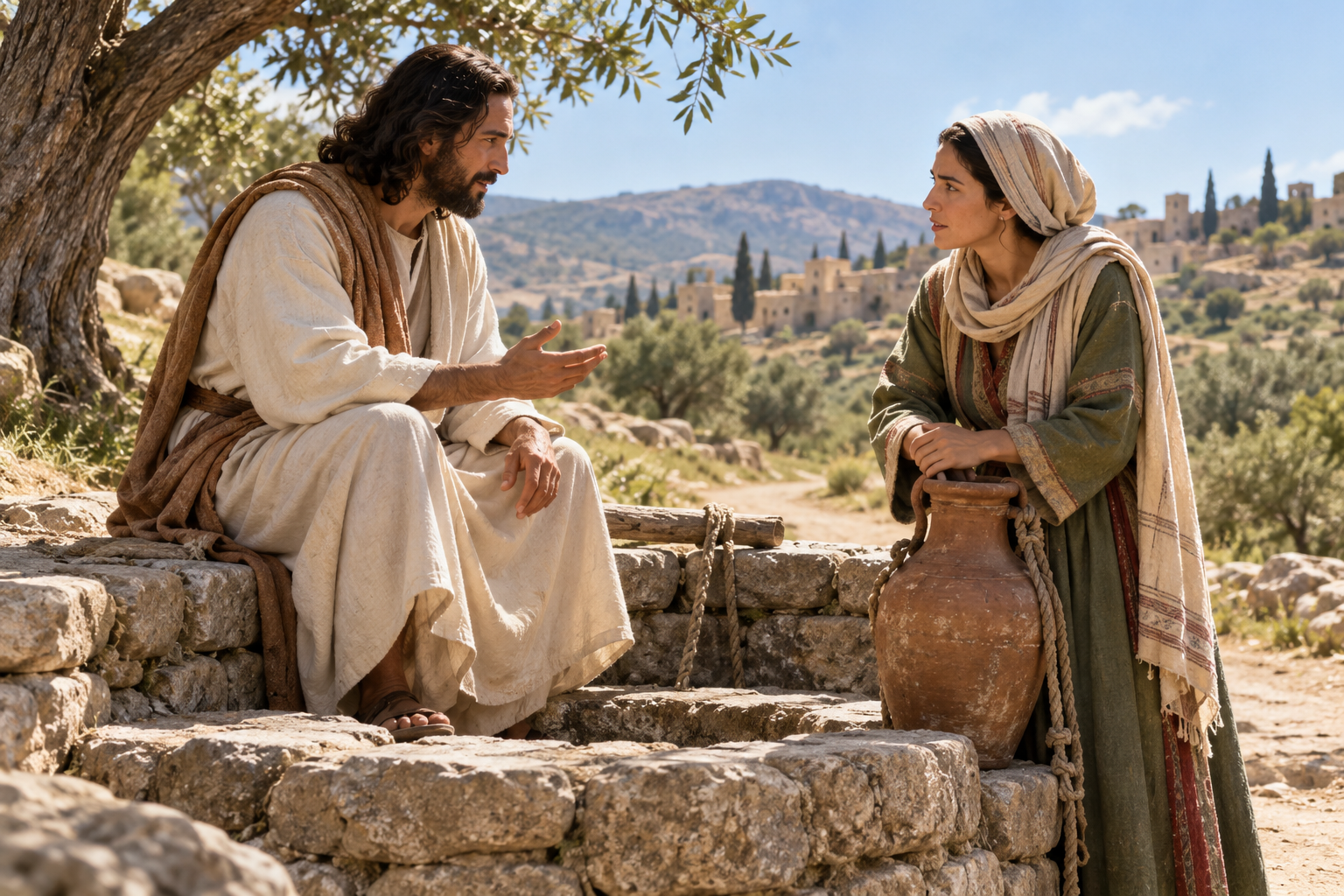
Jesus invites thirsty and burdened people to come to Him. His meeting with the Samaritan woman shows that He speaks truth while offering living water. He does not flatter sin, yet He does not turn away the person who listens and comes in faith. The scene helps us see the tender authority of the Savior.
Read the account of God’s love in John 3:16-18. A salvation prayer is Christian only when it trusts this Jesus. We do not pray to an unknown force. We call on the Lord who has revealed Himself in Scripture.
Continue learning through the life and ministry of Jesus. His words and works show us the Savior whom the Gospel calls us to trust.
Repentance Is More Than Feeling Sorry
Repentance means turning from sin toward God. It includes sorrow over sin, but it is more than painful emotion. A person may regret the consequences of sin and still want to keep the sin. Biblical repentance admits that sin is wrong because it is against God, then asks for mercy and begins to walk in a new direction.
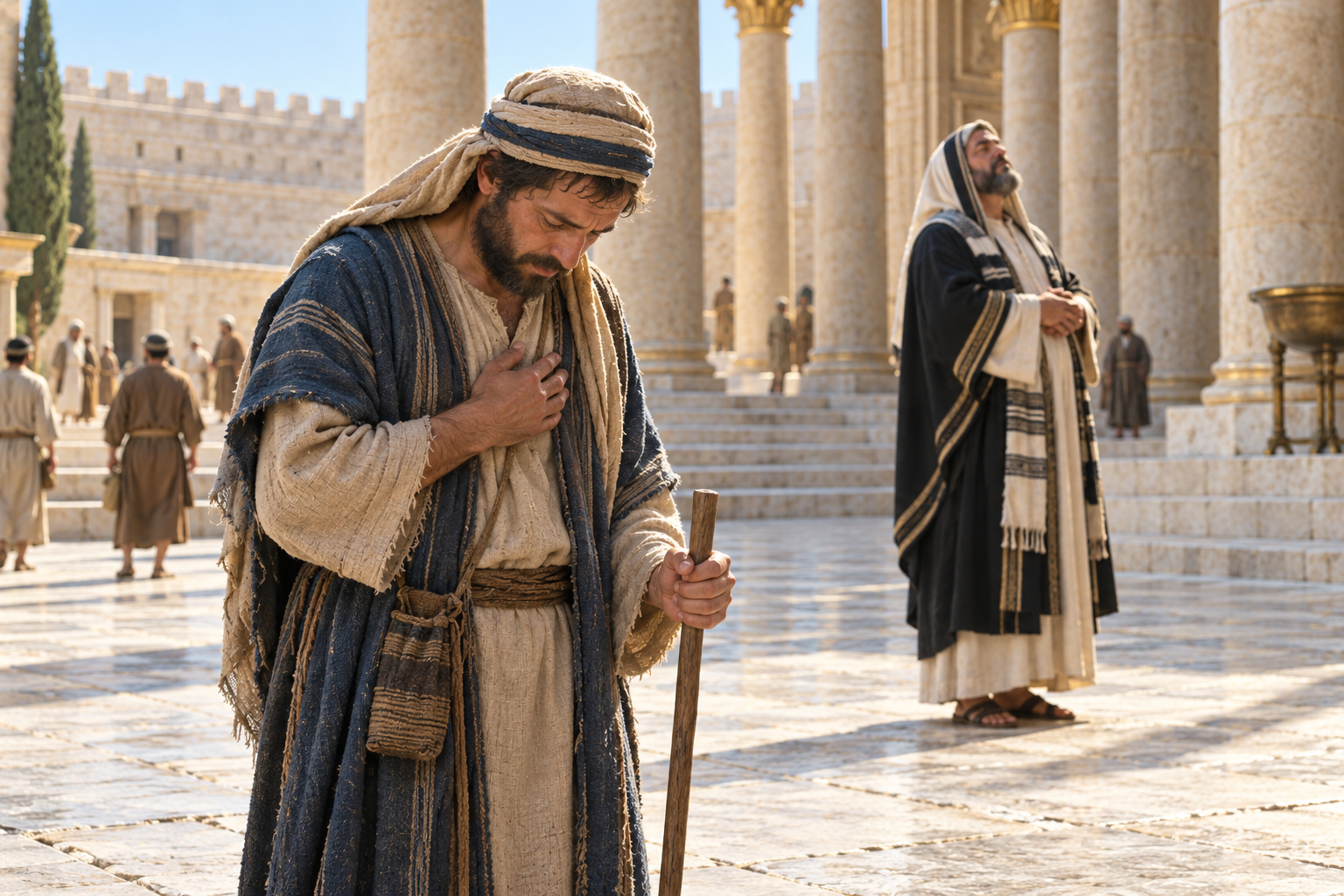
Jesus’ parable of the tax collector and the Pharisee gives a clear picture of humble repentance. The tax collector would not lift his eyes to heaven. He asked God to be merciful to him, a sinner. Jesus said that this man went home justified. Read Luke 18:9-14.
The humble man’s prayer was short, but it was not empty. It expressed a truthful view of himself and a hopeful view of God. Repentance does not say, “I can fix myself.” It says, “Lord, I need Your mercy, and I turn to You.”
Faith Means Trusting Jesus
Faith is more than agreeing that Jesus existed. It is trusting Him as the Lord who saves. Faith receives His promise, rests on His cross, and follows His Word. It is personal without being private. A person trusts Jesus and then begins to live under His loving authority.
Romans 10:9-13 speaks about confessing Jesus as Lord and believing that God raised Him from the dead. Read the passage in Romans 10:9-13. The promise is not reserved for one ethnicity, class, or religious background. Everyone who calls on the name of the Lord will be saved.
Faith does not mean that you understand every doctrine before you come. It does mean that you come to the real Jesus described by the Bible. Keep learning. Ask questions. But do not wait until you know everything before you trust the Savior who calls you.
A Simple Salvation Prayer
You may use words like these as you respond to the Gospel:
“Holy God, I confess that I am a sinner and cannot save myself. I believe that Jesus Christ is Your Son, that He died for sinners, and that You raised Him from the dead. Please forgive me because of Jesus. I turn from my sin and trust Jesus as my Lord and Savior. Teach me to follow Him, obey Your Word, and live for Your glory. Amen.”
This prayer is not a charm or a password. You can speak to God in your own words. What matters is the reality behind the words: repentance toward God and faith in Jesus Christ. If you are unsure what to say, open one of the Gospel accounts and pray honestly about what you are reading.
Can a Prayer Save You?
The prayer itself does not save you. Jesus saves. Scripture says that we are saved by grace through faith, not as a result of works that allow us to boast. Read Ephesians 2:8-10. A prayer is a good and fitting response when it expresses real trust in Christ, but the power is in God’s grace and the finished work of Jesus.
This protects us from two opposite mistakes. We should not repeat words carelessly and assume that a formula guarantees heaven. We also should not think that our imperfect words keep Jesus away when we come to Him in sincere faith. The thief who turned to Jesus at the cross had no time to perform a lifetime of religious works. He trusted the King beside him.
After a salvation prayer, look to Christ rather than constantly measuring the emotion of the moment. Feelings rise and fall. The promises of God stand firm. Continue to confess sin, trust Jesus, and learn what it means to walk with Him.
What Happens When Someone Trusts Christ?
When a person trusts Christ, God forgives and receives that person because of Jesus. The believer is no longer defined only by past sin. He or she belongs to Christ and begins a new life. The change may start quietly, but it is real. God’s Spirit teaches the believer to love holiness, reject sin, and depend on grace.
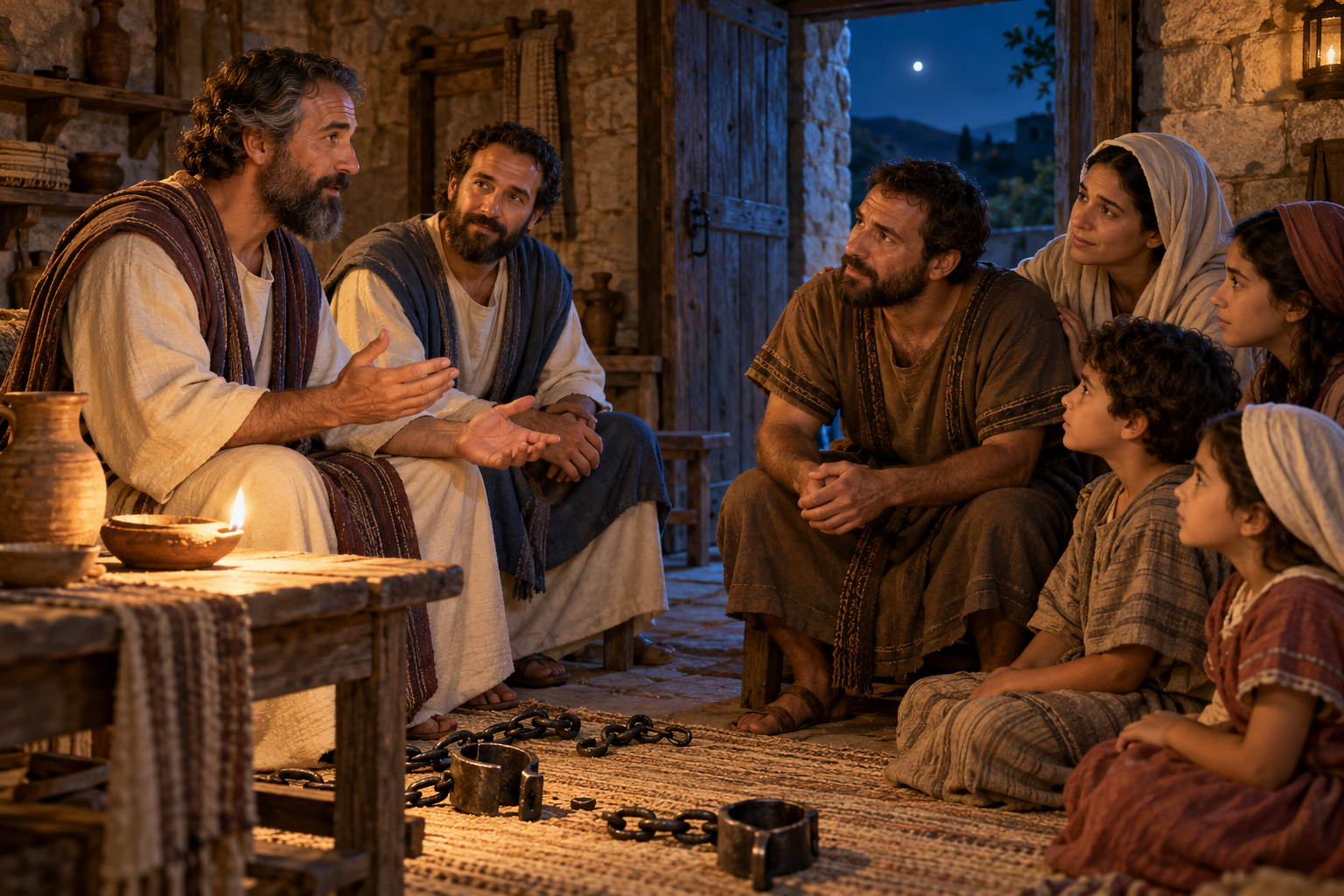
Acts 16 gives a helpful picture. A jailer asked Paul and Silas, “What must I do to be saved?” They told him to believe in the Lord Jesus. He and his household heard the Word, and the night became a moment of faith, joy, and new direction. Read the passage in Acts 16:25-34.
The scene reminds us that salvation brings people into the Word and into a community. The new believer needs teaching, prayer, encouragement, correction, and patient care. Christianity is not a one-time emotional event separated from the rest of life.
New Life Does Not Mean Instant Perfection
A person who trusts Jesus is made new, but growth usually takes time. Christians still fight temptation, confess sin, and need the help of the Holy Spirit. Do not use your weakness as an excuse to return to sin, but do not believe the lie that one failure proves Jesus has abandoned you. Bring sin into the light and return to the mercy of Christ.
The Bible describes a new creation in Christ. Read 2 Corinthians 5:17-21. The believer’s identity rests in God’s reconciling work, not in a perfect record. This gives courage to repent again and to make a wise next step.
A changed life is not a performance for other people. It is a grateful response to the Savior. Over time, Jesus changes what we love, how we speak, how we use money, how we treat people, and how we respond when we are corrected.
How to Know That Your Faith Is Real
Assurance begins with Jesus’ promise, not with a perfect emotional experience. Ask: Am I trusting Christ rather than my goodness? Do I believe the Gospel revealed in the Bible? Am I willing to confess sin and turn toward God? Do I desire to learn and obey, even when I fail? These are not ways to earn salvation. They are signs of living faith.
A healthy believer grows in love for God’s Word, prayer, the church, and other people. The growth may be slow and uneven. A new believer may have many questions, but he or she will keep coming back to Jesus. God’s grace is patient, and His discipline is meant to restore rather than destroy.
Titus 3 describes salvation as God’s mercy and renewal, not as a reward for righteous things we have done. Read Titus 3:3-7. Let that promise move you from fear to humble confidence in Christ.
What If I Feel Too Unworthy?
Feeling unworthy can be a sign that you understand the seriousness of sin, but it can also become a reason to avoid the very Savior you need. Jesus did not come for people who could present a perfect record. He came to seek and save the lost. Your unworthiness is not a surprise to Him.
Do not answer shame by arguing that you are secretly good enough. Answer shame by looking at the cross. Jesus died for sinners. His mercy is not based on the size of your past or the strength of your present feelings. Come into the light, confess the truth, and trust His promise.
The Christian life includes wise support. Speak with a faithful pastor or mature believer. If your shame is connected to abuse, addiction, or danger, seek qualified help and do not face it alone. Grace is not isolation. God often brings healing through truthful, safe community.
What Should I Do After Praying?
Start with Scripture. Read one Gospel slowly, perhaps Mark or John. Ask what the passage shows about Jesus, sin, grace, faith, and obedience. Then pray in response. A new believer does not need to know every answer on the first day. The important thing is to keep coming to Christ and His Word.
Tell a faithful Christian what has happened. Join a church that teaches the Bible, affirms Jesus as Lord and Savior, and lives with both truth and love. Ask for help with baptism, worship, fellowship, and practical growth. The church should not replace Jesus, but it should help you follow Him.
You can also learn more about what Jesus preached. His teaching will correct shallow ideas about salvation and lead you into a life of love, holiness, mercy, prayer, and hope. Christian wisdom for daily life grows as we obey the Lord in ordinary decisions.
Salvation Changes How We Live
Saving faith produces love. We begin to see other people as neighbours rather than obstacles. We become willing to forgive, tell the truth, make restitution, serve quietly, and reject habits that dishonour God. These works do not buy salvation. They show that the grace of Jesus is bearing fruit.
This does not mean that every believer changes at the same speed or in the same way. God may deal with one area first and another later. What matters is a willing heart under the authority of Scripture. We do not call darkness light. We bring our lives to Jesus and ask Him to lead us.
The pattern is simple: receive mercy, then show mercy. Receive truth, then live truthfully. Receive forgiveness, then become a forgiving person. Receive the love of Christ, then love God and neighbour. The Gospel moves from the heart into the whole life.
Salvation Gives Eternal Hope
The salvation Jesus gives is not limited to a temporary improvement. It includes peace with God now and the hope of eternal life. Christians still suffer, grieve, and face death, but they do not face these things without Christ. The risen Lord promises to keep His people and raise them to life.
This hope rests on the historical and saving work of Jesus. He truly died. He was truly buried. He truly rose again. Because He lives, those who trust Him have a secure hope that reaches beyond the grave. The resurrection is not an optional decoration on the Gospel. It is central to Christian faith.
When you pray a salvation prayer, do not reduce salvation to a moment you must endlessly recreate. Rest in Jesus. Keep looking to His cross and resurrection. Let eternal hope give you courage to repent, serve, suffer faithfully, and wait for the return of your King.
The Good News Is for Everyone
The invitation of the Gospel is wide. Romans 10 says that everyone who calls on the name of the Lord will be saved. That includes the religious person who knows he is proud, the skeptic who is beginning to ask questions, the ashamed person who thinks forgiveness is impossible, and the believer who needs to return to the mercy of Christ.
No nation, family history, social class, or past failure places a person outside the reach of Jesus. At the same time, the invitation is not a promise that we may keep our sin as our master. Jesus saves us to belong to Him. His grace is free, and it is never cheap.
If you are seeking God today, open the Bible and speak honestly to Him. Ask Him to show you the truth about Jesus. Turn from sin. Trust the Son of God who died and rose again. The Savior is worthy of your whole life.
A Salvation Prayer of Faith
You may pray now: “Lord Jesus, I come to You as a sinner who needs mercy. I believe that You are the Son of God, that You died for our sins, and that You rose again. I turn from my sin and trust You as my Lord and Savior. Forgive me, make me new, and teach me to follow You through the authority of the Bible. Thank You for Your grace. Amen.”
If you have prayed with sincere faith, keep looking to Jesus. Do not build your assurance on the exact wording of this prayer. Build it on Christ, His cross, His resurrection, and His promise. Speak with a faithful Christian and begin walking in the light of God’s Word.
A salvation prayer is the beginning of a life of worship, not the end of the conversation. The Lord who saves also teaches, corrects, comforts, and keeps His people. May your response to the Gospel become a daily “yes” to Jesus Christ, our Lord and Savior.
Frequently Asked Questions About Salvation Prayer
What is a salvation prayer?
A salvation prayer is a humble response to the Gospel. It can express repentance from sin and faith in Jesus Christ, but the prayer itself does not earn salvation. God saves by grace through faith in His Son.
What should I say in a salvation prayer?
Speak honestly to God. Confess your sin, ask for mercy, trust that Jesus died and rose again for sinners, and surrender your life to Him. Use the Bible as your guide rather than trying to find magic words.
Can a person be saved without saying a special prayer?
Yes. Scripture calls people to repent and believe in Jesus. A prayer can express that faith, but salvation rests on God’s grace and genuine trust in Christ, not on a fixed formula.
How can I know that God has saved me?
Look to Jesus and His promises. Those who trust Him are forgiven and receive new life. Over time, the Holy Spirit produces repentance, love, obedience, and a growing desire to follow God’s Word.
What should I do after praying for salvation?
Keep trusting Jesus, read the Bible, pray, join a faithful church, receive wise Christian support, and turn away from known sin. Tell a mature believer about your faith and continue learning the Gospel.
Bible passages for further study:
