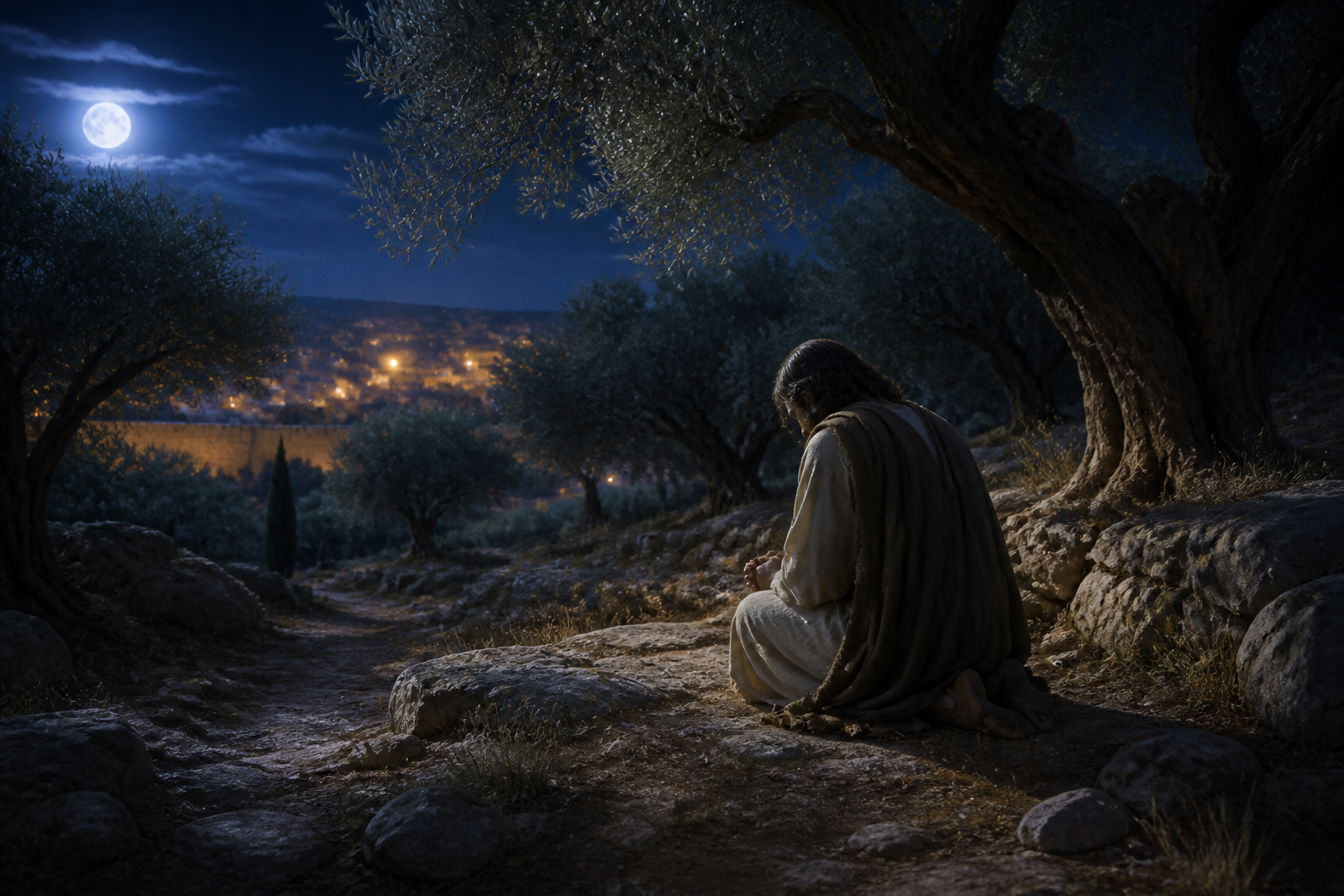
Luke 22:39-46 brings us into one of the most serious moments in the life of Jesus. After the Last Supper, Jesus goes to the Mount of Olives. He knows that His arrest, trial, suffering, and death are near. He does not hide from the Father. He prays.
In this passage, Jesus asks whether the cup before Him can be removed. Then He says, “Nevertheless, not my will, but yours, be done” (Luke 22:42). His prayer is honest, holy, and fully obedient. It shows us the real sorrow of His human life and the willing love with which He goes to the cross.
The disciples are near, but they fall asleep because of sorrow. Jesus tells them to rise and pray so they will not enter into temptation. Luke 22:39-46 is not only a story about one night. It reveals Jesus as the Son of God and Savior, and it teaches His people how to pray when fear and suffering are near.
What Happens in Luke 22:39-46?
Luke says that Jesus came out and went to the Mount of Olives “as was his custom.” His disciples followed Him. This was not a random place or a sudden choice. Jesus often went there, and Judas knew the place. The quiet garden became the setting for Jesus’ final prayer before His arrest.
Jesus tells the disciples to pray that they will not enter into temptation. Then He moves about a stone’s throw away, kneels, and speaks to the Father. He asks for the cup to be removed if the Father is willing. Yet He places the Father’s will above His own human desire to avoid the suffering ahead.
Luke records an angel strengthening Jesus and says that Jesus prays more earnestly in His agony. He later returns to the disciples and finds them sleeping because of sorrow. His final words in the passage repeat the command to rise and pray.
Readers who search for luke 22 39 46 are usually looking for the meaning of this prayer and its call to faithful living. The full scene is connected with the wider story of Scripture. Read this passage beside our guide to essential Biblical Scriptures and verses. The Bible’s central message is that Jesus goes willingly toward the cross to save His people.
Why Did Jesus Go to the Mount of Olives?
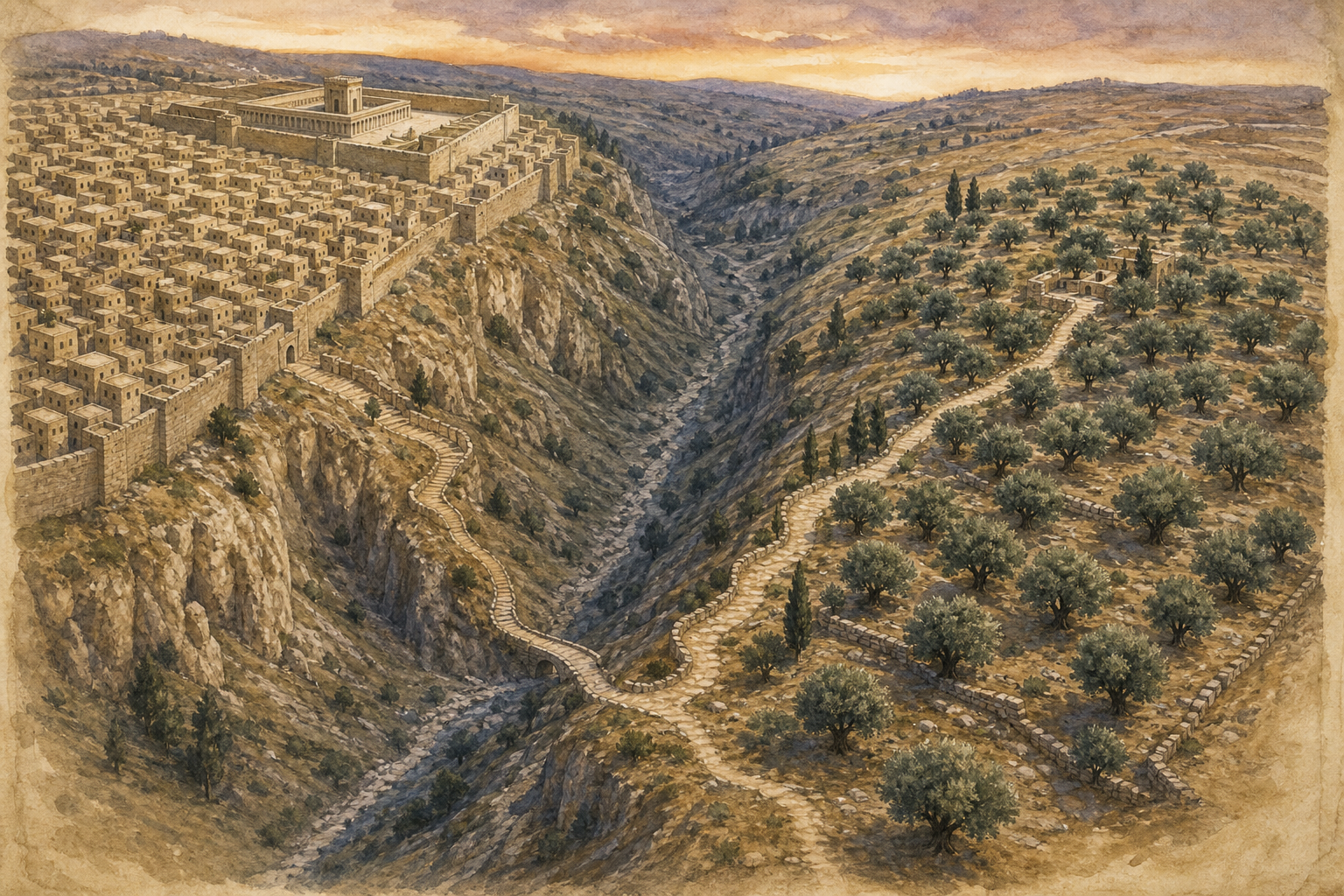
The Mount of Olives stood east of Jerusalem. Luke calls it the place Jesus went, while Matthew and Mark name the garden Gethsemane. John says Jesus crossed the Kidron Valley with His disciples and entered a garden where He and His disciples had often met. These accounts help us see the setting without inventing details the Bible does not give.
Jesus went there to pray. He did not use the garden to escape the Father’s plan. He went to meet the Father in prayer before facing the men who would arrest Him. The place was familiar, but the hour was new. Jesus knew that the path from the garden led to the cross.
His regular habit also matters. Jesus had a settled pattern of seeking the Father. In a crisis, He did not suddenly invent a spiritual life. He continued the faithful practice that had marked His ministry. Prayer was not a last resort for Him. It was the way He lived before God.
The scene also reminds us that important spiritual battles may happen in quiet places. A believer may pray in a bedroom, a church, a hospital room, or on a lonely walk. The place does not save us. The Lord hears His people because of His mercy, and Jesus teaches us to come to the Father in faith.
Jesus Prayed Before the Cross

Jesus’ prayer begins with the words, “Father, if you are willing, remove this cup from me” (Luke 22:42). The word Father shows trust and relationship. Jesus is not speaking to a distant force. He is speaking to the Father who loves Him and who sent Him into the world.
The cup is a Biblical picture of suffering and judgment. The Old Testament often uses a cup to describe what God gives people to drink in judgment. Jesus knows that He will bear the punishment due to sinners. He will be mocked, beaten, crucified, and forsaken as the sin-bearing Savior. The cross is not an accident. It is the holy purpose of God for our redemption.
Jesus does not pretend that the cup is easy. His prayer shows real grief. This is not weak faith. Honest prayer can name fear and pain while still trusting God. Jesus teaches us that submission is not the same as pretending that suffering does not hurt.
Matthew’s parallel account adds Jesus’ call to watch with Him, and Mark records that His soul is very sorrowful. These details agree with Luke. Together, the Gospels show the weight of the hour and the love of the Savior who accepts it.
What Does “Not My Will, but Yours” Mean?
Jesus finishes His prayer with a sentence every Christian should learn: “Nevertheless, not my will, but yours, be done.” He is not saying that His human will is sinful. He is saying that He willingly submits His human desire to avoid suffering to the Father’s saving purpose.
This is not passive resignation. Jesus is not dragged unwillingly toward the cross. He prays, obeys, and rises to meet the betrayer. His obedience is active love. He knows that the Father’s will is holy, wise, and good, even when that will includes terrible suffering before resurrection glory.
Christians can pray in the same pattern. We may ask God for healing, safety, reconciliation, work, or relief. God invites us to bring these requests honestly. At the same time, we trust Him enough to say that His will is greater than our limited view. Submission does not mean that we stop caring. It means that we place our lives in the hands of a faithful Father.
Jesus’ prayer is also part of His righteousness for us. He obeys where sinners have rebelled. He gives the Father the perfect obedience we could never offer. His obedience does not make our prayers unnecessary. It gives us confidence to pray because we come to God through our obedient Savior.
Jesus Shows Both His Humanity and Divinity
Luke 22:39-46 helps us understand who Jesus is. Jesus is the eternal Son of God, yet He also became truly human. His sorrow is not an act. His body is weak. His prayer is real. He experiences the coming suffering as a man who knows what pain and death mean.
At the same time, Jesus is not merely a brave teacher facing a bad ending. He is the Lord who knows the purpose of the cross. He calls God His Father, speaks with authority, and walks forward as the promised Savior. The Son of God does not stop being divine when He becomes man.
Some people think Jesus’ prayer means He was confused or sinful. The Bible gives a better answer. His human will naturally recoils from suffering and death. His holy obedience freely agrees with the Father’s plan. There is no sin in wanting relief from pain. Sin would be refusing God’s good will, and Jesus never refuses it.
Hebrews 5:7-9 reflects on Jesus’ prayers and suffering. It teaches that He learned obedience through what He suffered and became the source of eternal salvation for all who obey Him. This does not mean Jesus changed from disobedient to obedient. It means that He lived out obedience through the full experience of human suffering.
Why Did the Disciples Fall Asleep?

When Jesus returns, He finds the disciples sleeping because of sorrow. Their sleep shows how weak human beings can be under pressure. They had heard Jesus speak about betrayal and danger. Their hearts were troubled, their bodies were tired, and grief overcame them.
Their weakness does not make Jesus stop loving them. He corrects them, but He does not cast them away. Jesus knows that they need strength they cannot produce by determination alone. He tells them to pray because prayer turns weak disciples toward a strong God.
It is possible to have a willing spirit and a weak body. Mark’s account records Jesus saying that the spirit is willing but the flesh is weak. That sentence is not an excuse for carelessness. It is a reason to ask for help. A believer should know both the desire to follow Jesus and the danger of trusting personal strength.
When sorrow makes you spiritually sleepy, do not hide from God. Tell Him that you are tired. Ask for help. Ask trusted Christians to pray with you. Simple faithfulness may begin with one honest prayer and one small act of obedience.
Watch and Pray Against Temptation
Jesus tells the disciples to watch and pray so that they will not enter into temptation. To watch means to stay awake and alert. It means to notice danger instead of assuming that we are strong enough to handle it. To pray means to depend on God rather than our own courage.
Temptation often arrives when people are tired, afraid, angry, or proud. The disciples will soon face a frightening crowd. Peter will deny Jesus. Others will run away. Jesus knows what is coming, so He gives them a loving warning before the crisis arrives.
Prayer does not mean that Christians will never face temptation. It means that we face it with God’s help. We ask the Father to keep us from falling. We confess our weakness. We place our minds under the authority of Scripture. We accept wise help from the church. We turn away from places and habits that make sin easier.
The wider teaching of Jesus belongs here too. His call to repentance, faith, mercy, and the kingdom of God can be seen in our guide to what Jesus preached. Watching and praying are not ways to earn God’s love. They are the response of people who already need and receive His grace.
What Does the Angel Strengthening Jesus Teach?
Luke says that an angel from heaven appeared to Jesus and strengthened Him. Scripture does not explain every detail of this ministry, so we should not add imagined conversations or private messages. We can say what the text says: God did not abandon His Son in the garden. He gave strength for the obedience before Him.
Strength did not mean that the cup disappeared. The Father strengthened Jesus to continue praying and to obey. This is important for Christians who ask God for help. Sometimes God removes the trial. Sometimes He gives strength to remain faithful in the trial. Both are mercies, and both come from His wise hand.
The angel does not make Jesus less divine. In His earthly ministry, Jesus accepted the real conditions of human life. He prayed, grew tired, suffered, and received help. His dependence shows the beauty of His fellowship with the Father, not a lack of deity.
When we are weak, we can ask God for the strength needed for the next faithful step. We do not need to know every part of the future. Jesus knows the end of the story. Because He died and rose again, the suffering of His people is never the final word.
Jesus’ Agony and the Cost of Salvation
Luke says that Jesus was in agony and prayed more earnestly. The passage should not be used to create a dramatic picture that goes beyond the Bible. It should lead us to worship the Savior who faced the full cost of our salvation.
Jesus’ suffering was not only the pain of a difficult death. He was the sinless Son who stood in the place of guilty people. The cross would display God’s justice against sin and God’s mercy toward sinners. Jesus would give His life as the ransom for many, then rise bodily from the grave.
This is why Gethsemane cannot be separated from Good Friday and Easter morning. The prayer points forward to the cross, and the cross points forward to the empty tomb. Jesus is not a tragic victim whose mission failed. He is the Lord who lays down His life and takes it up again in obedience to the Father.
His agony also gives comfort to those who suffer. Jesus is not distant from human grief. He knows what it means to tremble before pain, to pray through the night, and to trust God when the way is hard. His compassion is grounded in real experience, and His resurrection gives believers a living hope.
The Silence of God Does Not Mean Abandonment
Luke does not record a spoken answer from the Father in this garden scene. That silence may feel familiar to people who pray during sickness, grief, or uncertainty. We ask for relief, but we do not hear a voice. We ask for direction, but the next step remains difficult.
Jesus’ prayer teaches us that silence is not proof that God is absent. The Father heard the Son. He strengthened Him and carried out the saving purpose that had been promised. The answer was not the removal of the cup. The answer was grace to obey through it.
Christians must not speak carelessly about another person’s suffering. We should not claim to know every reason God permits a trial. We can point to what Scripture clearly says: God is faithful, Christ is with His people, and suffering will not last forever. We can sit with the hurting, pray with them, and offer practical help.
In seasons when God seems quiet, keep bringing your heart to Him. Read the Psalms. Remember the cross. Hold on to the promise of resurrection. The Father who did not abandon Jesus will not abandon those who belong to Jesus.
Jesus Rose Ready to Obey
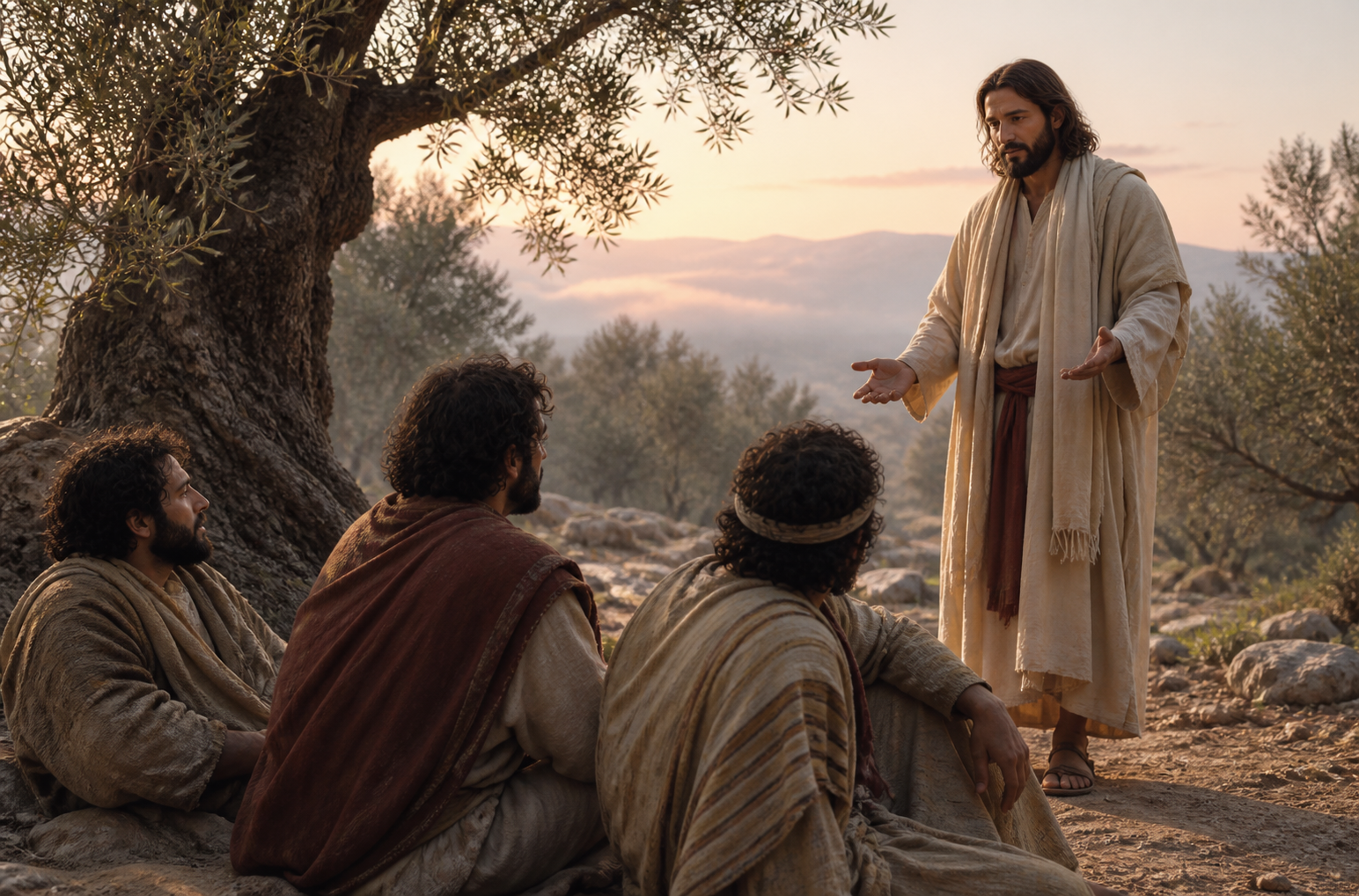
After praying, Jesus returns to the disciples and tells them to rise. He is not frozen by fear. He has placed the cup in the Father’s hands, and He is ready to meet the hour. Judas and the armed crowd are coming, but they do not control the meaning of the night. Jesus goes forward according to God’s purpose.
This movement from kneeling to rising gives a simple picture of Christian prayer. We come before God with our fear, grief, and requests. We remain honest before Him. Then we rise to obey the next command He has given us. Prayer is not an escape from faithfulness. It prepares us to live faithfully.
Jesus’ obedience leads to His death, but death does not defeat Him. He rises from the grave as Lord and Savior. Because He is risen, Christians can face hard obedience without believing that suffering is meaningless. Our future is secured by Christ, not by our ability to feel brave.
To learn more about the Lord whom the disciples followed, read our guide to the life and ministry of Jesus. His whole life leads us to trust His words and follow His steps.
How Christians Can Apply Luke 22:39-46
First, bring honest requests to God. Jesus did not hide His desire for the cup to pass. You may ask God for healing, provision, protection, or relief. Honest prayer is not unbelief when it is joined to trust in God’s will.
Second, submit your will to the Father. We do not know everything God is doing. We do know that He is holy and faithful. “Your will be done” is not a lifeless phrase. It is a choice to trust God more than we trust our own limited view.
Third, watch for spiritual danger. Notice the conditions that make you careless. Fatigue, isolation, anger, and pride can make temptation stronger. Ask God for wisdom, and accept help from mature believers. A Christian should not treat weakness as a reason for shame. Weakness is a reason to depend on grace.
Fourth, keep Jesus at the centre. This passage is not mainly a lesson about making ourselves better at prayer. It is the story of the obedient Son who prayed, suffered, died for sinners, and rose again. Our hope is not that we will copy Jesus perfectly. Our hope is that Jesus saves us and teaches us to follow Him.
If you are in a difficult season, you can take one small step today. Read Luke 22:39-46 slowly. Tell the Lord the truth. Ask for strength for the next act of obedience. Then remember that Christ is with you, and that His resurrection promises life beyond every sorrow.
For help thinking about a faithful life of prayer, speech, and action, you can also read our practical guide to Christian wisdom. Wisdom begins with reverence for the Lord and grows through obedience to His Word.
Frequently Asked Questions
What happens in Luke 22:39-46?
Jesus goes to the Mount of Olives, kneels, and prays before His arrest. He asks the Father to remove the cup if it is His will, yet submits to the Father’s will. The disciples sleep, and Jesus tells them to rise and pray so they will not enter into temptation.
What does the cup mean in Luke 22:42?
The cup points to the suffering Jesus is about to endure, including His death on the cross as the sin-bearing Savior. Jesus does not run from the Father’s plan. He asks honestly and then obeys, trusting the Father’s wise and holy will.
Why did Jesus pray if He is God?
Jesus is truly God and truly man. As the Son, He prayed to the Father in loving fellowship. His prayer also shows that He truly experienced human sorrow and faced the cross willingly. His divine identity and real humanity are both part of the Bible’s teaching.
What does watch and pray mean for Christians?
To watch and pray means to stay spiritually awake, notice our weakness, ask God for help, and depend on His Word rather than our own strength. Prayer does not earn salvation, but God uses it to keep His people humble, alert, and faithful when temptation comes.
How can Luke 22:39-46 encourage someone in suffering?
This passage shows that Jesus understands deep sorrow and welcomes honest prayer. He does not promise that every painful cup will be removed, but He promises that God’s will is good and that Christ is the obedient Savior. Believers can bring their fear to God and keep trusting Jesus.
Sources and Scripture
- Luke 22:39-46, the main passage about Jesus praying on the Mount of Olives.
- Matthew 26:36-46, the parallel account of Jesus praying in Gethsemane.
- Mark 14:32-42, the parallel account of Jesus’ sorrow and the disciples’ weakness.
- Hebrews 5:7-9, a reflection on Jesus’ prayers, suffering, obedience, and salvation.
- Jesus at Gethsemane, a sermon by R.C. Sproul at Ligonier.
- How to Go Through Gethsemane, a Bible study guide from Wisdom International.