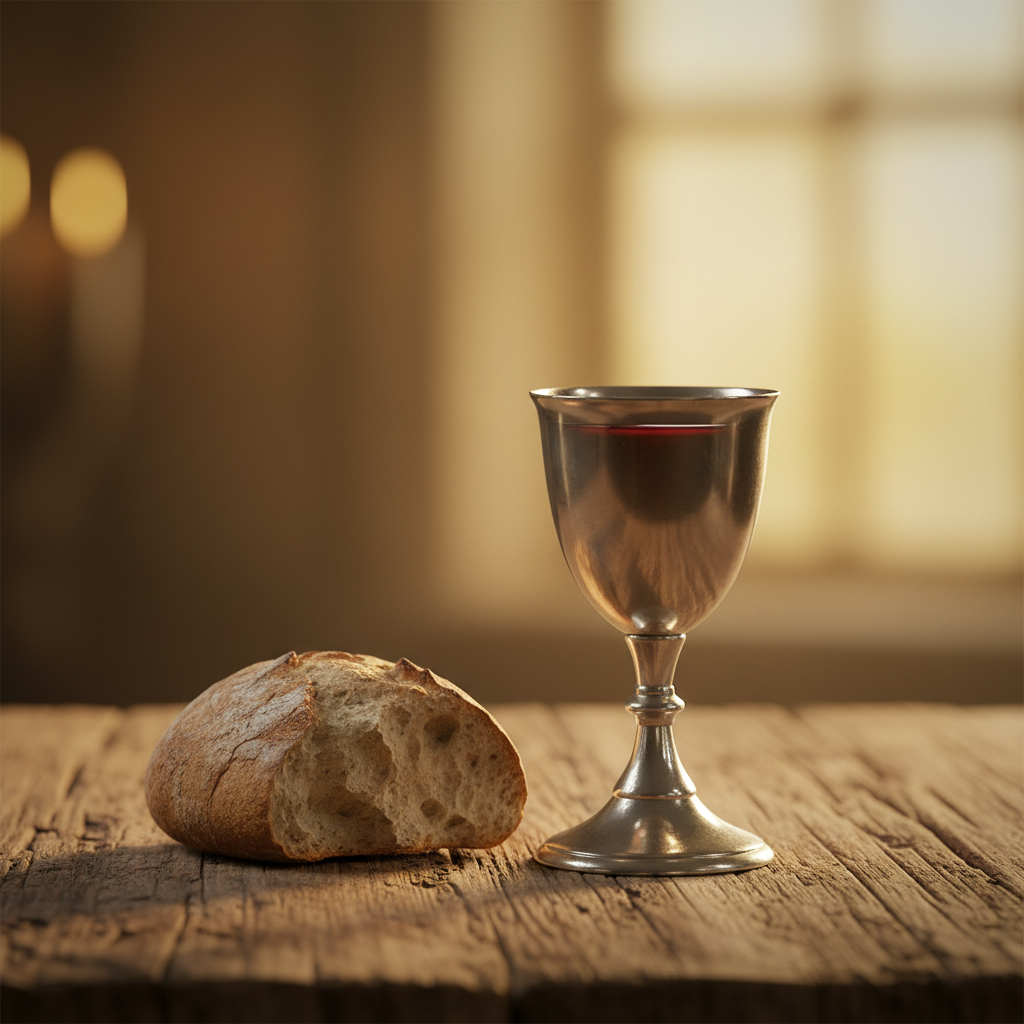
Luke 22:19 recounts Jesus instituting the Lord’s Supper, also known as Communion, during His final Passover meal. He takes bread, gives thanks, breaks it, and gives it to His disciples, saying, ‘This is My body which is given for you; do this in remembrance of Me.’ This pivotal act establishes a foundational ordinance for the Christian church, a perpetual remembrance of Christ’s sacrificial death for the forgiveness of sins.
Imagine a quiet upper room with the Passover feast underway. Knowing His hour had come, Jesus gathered with His beloved disciples for one last meal. In this sacred, poignant setting, our Lord Jesus Christ instituted a new covenant, speaking words that would echo through history. Among these profound utterances is the powerful command from Luke 22:19: “do this in remembrance of Me.” These words are not a mere historical record but an invitation to engage with the essence of His divine love, sacrifice, and victory over sin and death.
But what did Jesus mean by “This is my body given for you” and the command to remember Him through this act? This article will explore the profound significance of Luke 22:19, examining the meaning embedded in His final instructions. We will consider the biblical context, the rich symbolism of the bread, and why this command is foundational to Holy Communion today. Our goal is to deepen your understanding and appreciation for this divine ordinance, drawing you closer to the heart of Christ’s redemptive work, which culminated in His glorious resurrection.
To truly grasp the weight and wonder of Jesus’ words in Luke 22:19, we must first understand the context in which they were spoken. What was the atmosphere like? What Jewish traditions were being observed? Let us begin by examining the setting for this pivotal moment in salvation history: the Last Supper during the ancient Passover feast.
What is the Setting for Luke 22:19?
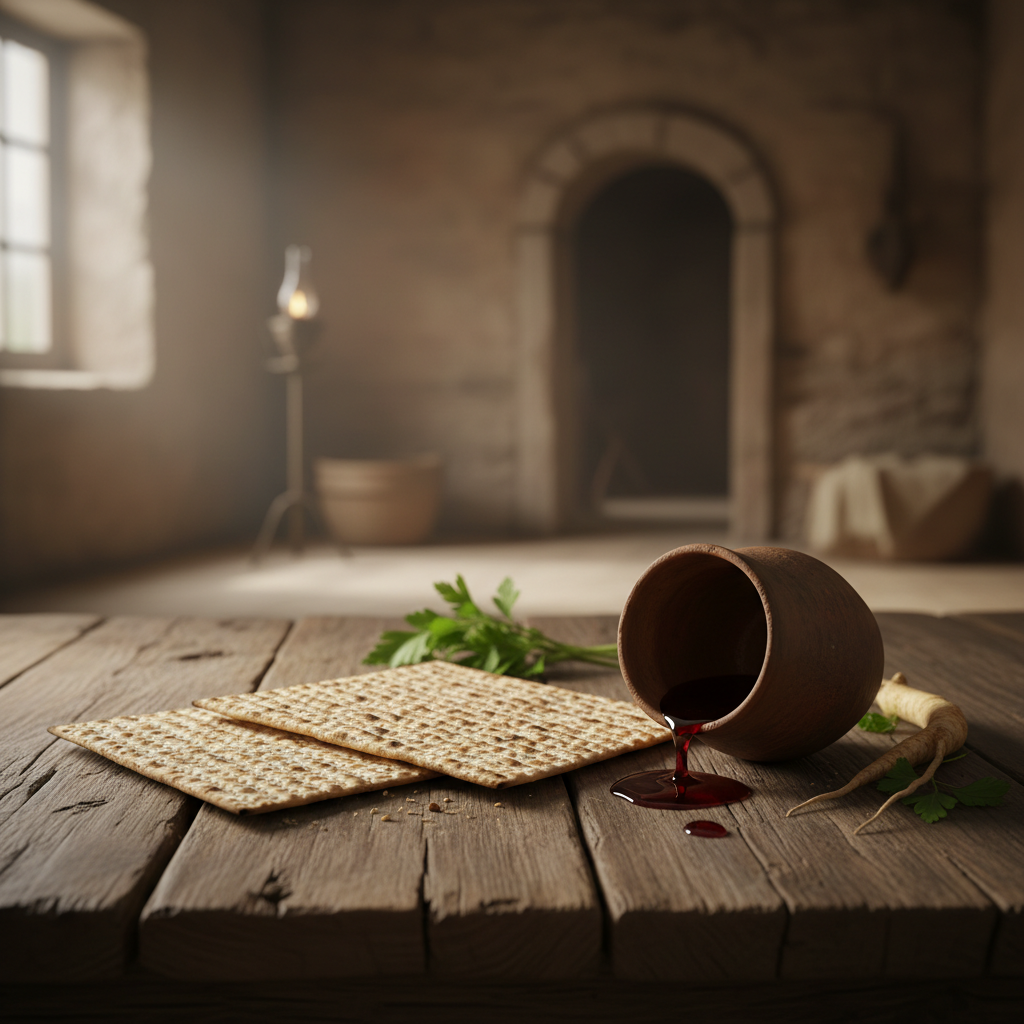
The Last Supper During Passover
The profound event of Luke 22:19 unfolds during the Passover feast, an ancient Jewish celebration with immense historical and spiritual weight. This feast commemorates God’s miraculous deliverance of the Israelites from slavery in Egypt [1].
During the original Passover, the blood of a sacrificed lamb protected the Israelites. When applied to their doorposts, this blood signaled for the angel of death to “pass over” their homes (Exodus 12). This powerful imagery provides the backdrop for Jesus’ actions.
To share a final meal before His crucifixion, Jesus gathered His twelve disciples in an upper room in Jerusalem. Luke 22:7-13 describes the preparations for this sacred meal, a moment filled with expectation and sorrow, yet also with divine purpose.
Knowing His hour had come (John 13:1), Jesus chose to transform this Passover meal. He imbued its traditional symbols with new and eternal meaning, making the Seder the setting for the institution of the Lord’s Supper.
Jesus’ Final Instructions to His Disciples
Amidst the solemnity of the meal, Jesus offered His disciples crucial final instructions. Understanding the trials that were to come, He sought to prepare their hearts for His departure and the work ahead. His words in Luke 22:19 are central to this preparation.
Jesus took bread, broke it, and gave it to them, declaring, “This is My body, which is given for you; do this in remembrance of Me” (Luke 22:19). This simple yet profound command established a new covenant. He then shared the cup of wine, explaining that it signified His blood (Luke 22:20).
These instructions were not merely ceremonial; they were a covenantal act calling His disciples to ongoing remembrance and fellowship. In instituting this sacred practice, Jesus created a perpetual reminder of His ultimate sacrifice on the cross. It also affirmed His identity as the Lamb of God (John 1:29).
During this meal, Jesus also provided comfort, warned of betrayal, and discussed true leadership (Luke 22:21-38). The institution of the Lord’s Supper, however, stands as the cornerstone. This act serves as His enduring legacy to the church, solidifying His mission to redeem humanity through sacrificial love.
What is the Meaning of Luke 22:19?
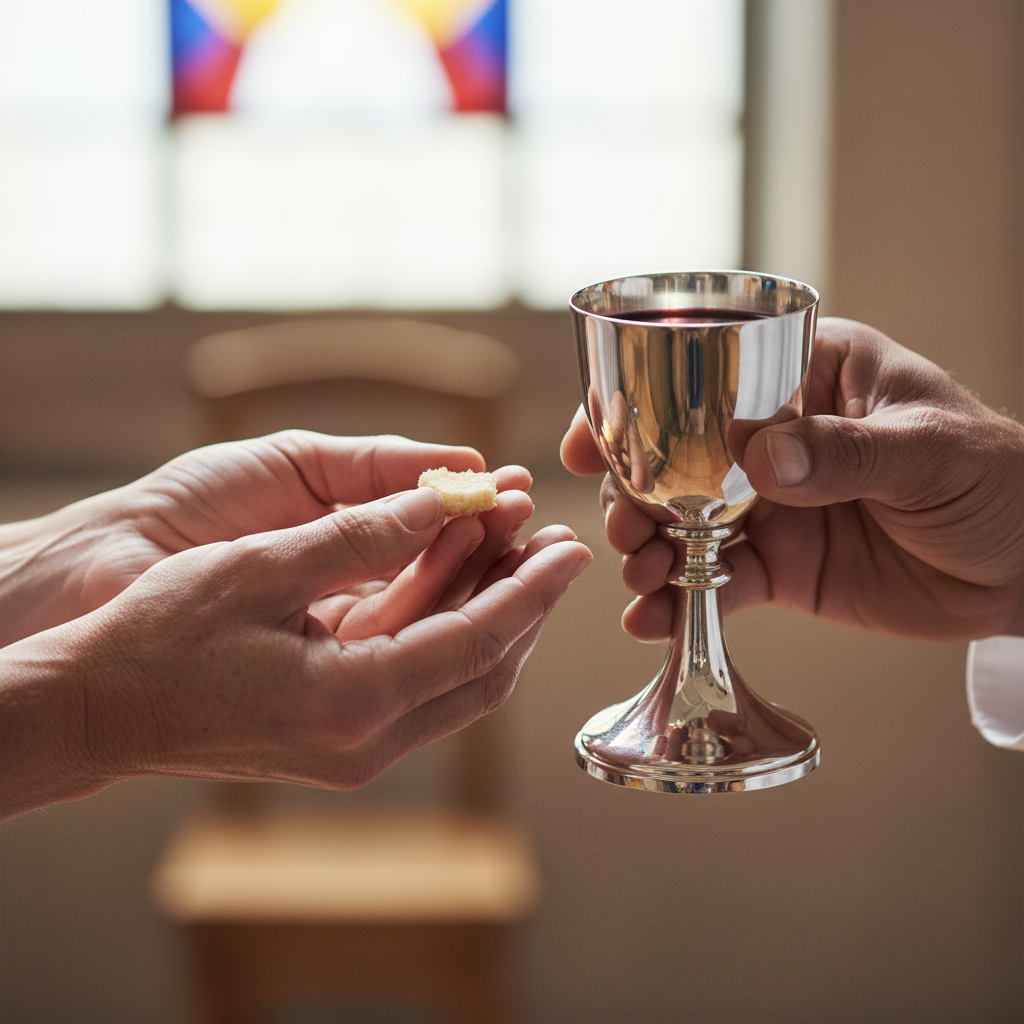
A Look at the Greek Word for ‘Remembrance’
Jesus’ powerful instruction in Luke 22:19—”Do this in remembrance of Me”—is deepened by understanding the original Greek word for “remembrance”: “ἀνάμνησις” (anamnesis).
This word goes beyond simply recalling something to mind. It is not a passive mental exercise; instead, anamnesis implies a vibrant re-presentation or re-enactment.
Consider these points about anamnesis:
- It signifies a making present of a past event.
- It involves actively participating in what is being remembered.
- It evokes a communal act, binding believers together.
Therefore, when Jesus commands us to remember Him, He is calling us to participate in the spiritual reality of His sacrifice. We are not merely thinking about His death but are actively engaging with its ongoing power and presence.
This concept echoes the Old Testament Passover, where Israel was commanded to remember their deliverance from Egypt. This memory was not static but a living tradition that brought past salvation into their present experience [2]. Similarly, in the New Covenant, Jesus Himself becomes our Passover Lamb (1 Corinthians 5:7).
Symbolism of the Bread: ‘This is My Body’
When Jesus took bread, broke it, and declared, “This is My body, which is given for you,” His simple act carried profound symbolism. As a staple of life in ancient Israel, bread represented sustenance and daily provision. By choosing it, Jesus connected His sacrifice directly to our most fundamental needs.
The breaking of the bread is equally significant, as it foreshadowed the breaking of His own physical body on the cross. This act represented His direct, substitutionary sacrifice for the sins of humanity (Isaiah 53:5).
Furthermore, because Jesus’ body was perfect and without sin, He could offer it as a complete and sufficient sacrifice. His blood, poured out to seal a new covenant (Luke 22:20), fulfills the Old Testament sacrificial system and provides eternal redemption for all who believe (Hebrews 10:10).
We do not partake in a mere ritual. Rather, we acknowledge the costly price of our salvation. The bread serves as a tangible reminder of His physical suffering, affirming the reality of His love and pointing to the spiritual nourishment found only in Him (John 6:35).
The Command: Establishing the Lord’s Supper
Jesus’ words, “Do this in remembrance of Me,” are a direct command that established a new ordinance for His followers: the Lord’s Supper. Also known as Communion or the Eucharist, this sacred meal is a central act of worship for Christians worldwide.
This command instructs believers to continue this practice until Jesus returns in glory (1 Corinthians 11:26). The Lord’s Supper serves several vital purposes:
- Remembrance: We remember Jesus’ sacrificial death by recalling His broken body and shed blood.
- Proclamation: We publicly proclaim the Lord’s death, testifying to His atoning work on the cross.
- Anticipation: We look forward to His second coming and await the fulfillment of His kingdom.
- Communion: We experience fellowship with Christ and with one another as His body.
Therefore, the Lord’s Supper is more than a tradition; it is a living testimony to the Gospel. It continually reminds us of who Jesus Christ is: our Lord and Savior, who gave His life for us and promises to return. Participating in this ordinance strengthens our faith, reaffirms our commitment to Him, and encourages us as we await His glorious return (1 Corinthians 11:23-26).
How Does Luke 22:19 Read in Different Bible Versions?
Comparing the KJV, NKJV, NIV, and ESV
Luke 22:19 contains Jesus’ profound words at the Last Supper, which are foundational to Christian faith and practice. While each Bible translation seeks to convey the original Greek meaning accurately, slight nuances in wording can appear. Understanding these differences can be insightful.
Let’s compare four widely respected versions:
| Bible Version | Luke 22:19 Text | Key Emphasis |
|---|---|---|
| King James Version (KJV) | And he took bread, and gave thanks, and brake it, and gave unto them, saying, This is my body which is given for you: this do in remembrance of me. | Traditional phrasing; “given for you.” |
| New King James Version (NKJV) | And He took bread, gave thanks and broke it, and gave it to them, saying, “This is My body which is given for you; do this in remembrance of Me.” | Modernized KJV language; “given for you.” |
| New International Version (NIV) | And he took bread, gave thanks and broke it, and gave it to them, saying, “This is my body, which is given for you. Do this in remembrance of me.” | Contemporary language; clear and direct. |
| English Standard Version (ESV) | And he took bread, and when he had given thanks, he broke it and gave it to them, saying, “This is my body, which is given for you. Do this in remembrance of me.” | Emphasis on literal accuracy; “given for you.” |
As the table shows, the core message is consistent across these versions. In each one, Jesus declares the bread to be His body and commands His disciples to continue this act in remembrance of Him. This consistency affirms the reliability of Scripture, with most variations being stylistic or reflecting different translation philosophies.
Why Wording Matters for Theological Understanding
While the core message is the same, even small differences in wording can deepen our theological understanding. Take, for example, the crucial phrase, “do this in remembrance of Me.” The original Greek word for “remembrance” is anamnesis (ἀνάμνησις), which means far more than a simple mental recall.
Consider the theological weight:
- Active Remembrance: The term anamnesis suggests bringing a past event into the present. It’s not just thinking about Jesus, but actively participating in the truth of His sacrifice. When we partake, we are drawn into the reality of His death and resurrection, deepening our connection to Him.
- Sacrificial Body: Every version highlights the phrase “My body which is given for you,” underscoring the sacrificial nature of Jesus’ act. His body was given as a ransom for many (Matthew 20:28), a perfect sacrifice that atones for our sins.
- Divine Command: Jesus gives a clear instruction: “Do this.” This command establishes the Lord’s Supper as an enduring ordinance for believers. As an act of worship, it reminds us of the New Covenant established in His blood (Luke 22:20).
Therefore, precise wording in translation is vital for ensuring doctrinal clarity and protecting the integrity of the Gospel. Every phrase in Luke 22:19 points to Jesus’ divine mission to give His life for us. He desires us to remember this ultimate sacrifice until He returns (1 Corinthians 11:26).
Ultimately, the consistent message across these translations confirms a foundational truth: Jesus Christ is the Son of God. His body was broken and His blood was shed for our salvation. Through this ordinance, we remember Him not as a distant historical figure, but as our living Lord and Savior.
What is the Jehovah’s Witness Interpretation of Luke 22:19?
Understanding the Memorial Viewpoint
Jehovah’s Witnesses hold a distinct interpretation of Luke 22:19. They refer to this occasion as the “Memorial of Christ’s Death,” rather than the “Lord’s Supper” or “Communion.”
A central tenet of their view is that the event is strictly a memorial. They believe Jesus commanded His followers to remember His sacrifice annually, on the anniversary of the day He instituted it. This observance takes place on Nisan 14 of the ancient Jewish calendar. [3]
Another key distinction is the limited participation. Jehovah’s Witnesses teach that only a select group, the “anointed,” may partake of the emblems (unleavened bread and red wine). This group is believed to number 144,000 individuals who have a heavenly hope and will rule with Christ.
The vast majority of attendees, known as the “other sheep,” do not partake. Instead of eating the bread or drinking the wine, they are present as respectful observers. This distinction is fundamental to their theology.
In essence, their view is that the bread and wine are purely symbols of Jesus’ body and blood. They do not believe in a real presence of Christ in the emblems and reject the idea that partaking grants special grace or a personal union with Christ.
Here are key aspects of their Memorial viewpoint:
- It is an annual observance, not a regular practice.
- Only the “anointed” 144,000 partake of the emblems.
- The emblems are strictly symbolic representations.
- It serves as a memorial of Christ’s death, not a communion with Him.
- Participation by the “other sheep” is observational.
A Biblical Response Affirming Christ’s Sacrifice
In contrast, the historic Christian perspective sees a more inclusive meaning in Luke 22:19. The Bible teaches that Jesus Christ died for the sins of all who believe, making His sacrifice fully accessible to anyone who places their faith in Him (John 3:16-17).
The command “Do this in remembrance of me” (Luke 22:19) is understood to extend to all believers. Scripture gives no indication of a limited class of Christians eligible to partake in the Lord’s Supper. In his letter to the Corinthian church, a diverse group of believers, the Apostle Paul gives instructions on the proper way to observe it (1 Corinthians 11:23-26).
While the Lord’s Supper is certainly a memorial of Jesus’ broken body and shed blood, it is also understood to be much more. It is an act of communion with Christ Himself. As Paul writes, “The cup of blessing that we bless, is it not a participation in the blood of Christ? The bread that we break, is it not a participation in the body of Christ?” (1 Corinthians 10:16, ESV).
This “participation” signifies a spiritual union and fellowship with the Lord. It is a moment to proclaim His death until He comes again (1 Corinthians 11:26). Furthermore, it is a covenant meal that establishes the new covenant in His blood (Luke 22:20).
Here are crucial biblical affirmations regarding Christ’s sacrifice and the Lord’s Supper:
- Universal Invitation: Jesus died for all people, and His invitation to remember Him through communion is for all believers (John 6:53-56).
- Spiritual Presence: While interpretations of Christ’s presence vary, the Supper is understood as a spiritual communion with Him, not merely a symbolic act of remembrance (1 Corinthians 10:16).
- Proclamation of Truth: Partaking is an active declaration of faith in Jesus’ death, resurrection, and promised return (1 Corinthians 11:26).
- New Covenant: The Supper celebrates the New Covenant, sealed by Jesus’ blood, which offers forgiveness and eternal life to all who believe (Matthew 26:28; Hebrews 9:11-14).
- Affirmation of Faith: This act of remembrance and communion affirms Jesus as the divine Son of God, whose sacrifice alone can save (Romans 5:8; Philippians 2:5-11).
In conclusion, Jesus Christ, our Lord and Savior, offered Himself as the perfect, once-for-all sacrifice for the sins of the world. His command in Luke 22:19 invites all believers to partake in the Lord’s Supper. This act is a profound testament to His divine love, atoning death, and glorious resurrection. It serves to strengthen our faith, remind us of our salvation, and unite us with Him until He returns.
How Does Luke 22:19 Apply to Christians Today?
The Practice of Holy Communion
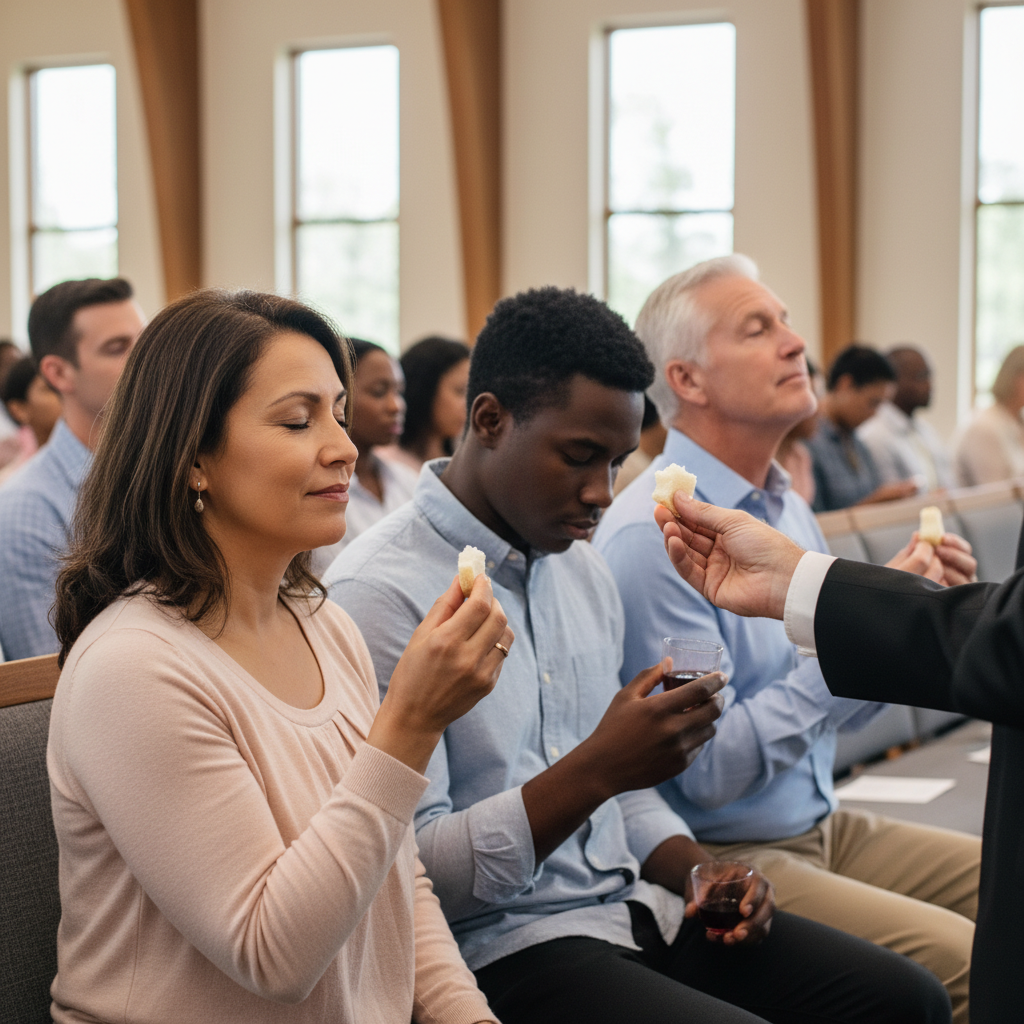
Luke 22:19 provides the foundation for Holy Communion, one of Christianity’s most sacred practices. Also known as the Lord’s Supper or the Eucharist, this ordinance was instituted by Jesus Himself during the Last Supper. He gave His disciples a direct command: “Do this in remembrance of Me.”
This command is not merely a suggestion; it is a divine instruction for believers throughout all ages. The act involves two simple elements—bread and wine (or grape juice)—each carrying profound symbolic weight. The bread represents Jesus’ physical body, which was broken for our sins on the cross (1 Corinthians 11:24). The cup of wine symbolizes His shed blood, which established the new covenant and sealed our redemption (Luke 22:20).
Participating in Holy Communion is a tangible expression of faith and a powerful reminder of Jesus’ ultimate sacrifice. It affirms His death and resurrection and points to His promised return. This practice unites believers across time and geography, connecting us to the upper room in Jerusalem. In obedience to Christ’s command, most Christian denominations observe Holy Communion regularly [4].
Yet, the significance goes beyond mere symbolism. In this sacred meal, we believe Christ is truly present. His presence strengthens our faith, renews our spirits, and serves as a constant testament to the incredible grace offered to us through His passion.
A Personal Act of Worship and Remembrance
Receiving Holy Communion is a deeply personal experience, far more than a communal ritual. It is a profound act of worship that calls each believer into a moment of intimate connection with Jesus Christ. When we partake, we actively remember His love and recall His sacrifice for us (John 15:13).
The central command, “Do this in remembrance of Me,” prompts us to reflect on the immense cost of our salvation and internalize the depth of God’s love. This act becomes a time for heartfelt thanksgiving for His Son and the new life we have in Him.
Furthermore, Communion invites self-examination. The Apostle Paul urged believers to “examine themselves” before eating the bread and drinking the cup (1 Corinthians 11:28). This vital self-reflection leads to repentance and encourages a renewed commitment to live for Christ. Consider what Holy Communion helps us do:
- Remember Christ’s Sacrifice: We vividly recall His body broken and blood shed.
- Proclaim His Return: We declare His death until He comes again (1 Corinthians 11:26).
- Examine Our Hearts: It prompts spiritual self-assessment and repentance.
- Experience Unity: We share in fellowship with Christ and fellow believers.
- Receive Spiritual Nourishment: It strengthens our faith and renews our commitment.
Through this sacrament, Christians proclaim Jesus’ saving work, both to ourselves and to the world. This proclamation strengthens our hope in His second coming and reaffirms our belonging to His body, the Church.
Ultimately, Holy Communion reinforces the true identity and mission of Jesus Christ. He is our Redeemer, our Savior, and the Son of God. His mission was to lay down His life for us, conquering sin and death to offer eternal life to all who believe. This act of remembrance anchors our faith firmly in Him.
Frequently Asked Questions about Luke 22:19
What is the full context of Luke 22:19-21?
Luke 22:19-21 captures the pivotal moment of the Last Supper. During the Passover celebration, Jesus gathers with His disciples for a meal that both foreshadows His ultimate sacrifice and establishes the Lord’s Supper—a new covenant sealed by His blood.
The passage reads:
- Luke 22:19: “And He took bread, gave thanks and broke it, and gave it to them, saying, ‘This is My body which is given for you; do this in remembrance of Me.'” Here, Jesus directly connects the bread to His body and commands His followers to repeat this act as a lasting memorial of His sacrifice.
- Luke 22:20: “Likewise He also took the cup after supper, saying, ‘This cup is the new covenant in My blood, which is shed for you.'” The cup symbolizes the new covenant, which is sealed by His shed blood and replaces the old covenant of the Law (Hebrews 8:6-13).
- Luke 22:21: “But behold, the hand of My betrayer is with Me on the table.” Immediately after instituting this sacred meal, Jesus reveals the presence of His betrayer. This stark contrast highlights the depth of His love, as He willingly goes to the cross despite knowing of the betrayal.
Together, these verses paint a powerful picture of Jesus’ love, covenant, and impending sacrifice, set against the shadow of human treachery. This context deepens our understanding of His complete obedience to God’s will.
Why is remembering Jesus’ sacrifice so important?
Remembering Jesus’ sacrifice is crucial because it lies at the very heart of the Christian faith. This act of remembrance offers profound spiritual benefits and deepens a believer’s relationship with God.
- It is Jesus’ Command: Jesus Himself instituted the Lord’s Supper, instructing His followers to “do this in remembrance of Me” (Luke 22:19). Therefore, participation is a direct act of obedience.
- Proclaims His Saving Work: Each time we participate, we proclaim not only His death but also His resurrection and future return (1 Corinthians 11:26), which strengthens our witness to the world.
- Reinforces the New Covenant: Jesus’ sacrifice established a new covenant that grants forgiveness of sins and eternal life (Matthew 26:28). Remembering this covenant affirms our place in God’s grace.
- Deepens Our Gratitude and Love: Reflecting on Christ’s immense sacrifice ignites gratitude by reminding us of the boundless love that led God to lay down His life for us (John 3:16; Romans 5:8).
- Fosters Spiritual Unity: Sharing in communion unites believers, as we all partake in one bread and one cup, symbolizing our unity in the body of Christ (1 Corinthians 10:16-17).
- Provides Assurance of Forgiveness: Remembering His shed blood brings assurance that our sins are forgiven and that we are made righteous through faith in Him (2 Corinthians 5:21).
Therefore, this remembrance is not a mere mental exercise but a vital spiritual practice that continually points us back to the source of our salvation: Jesus Christ, our Lord and Savior.
How do different denominations interpret ‘This is my body’?
The phrase “This is my body” (Luke 22:19) is central to the Lord’s Supper, yet its meaning is interpreted in several ways across Christian denominations. Despite these differences, all interpretations affirm the reality of Jesus’ sacrifice and seek to honor His command.
Here are the primary interpretations:
- Transubstantiation (Roman Catholic Church): This view holds that through the priest’s consecration, the bread and wine truly transform into the actual body and blood of Christ. While the appearances (or “accidents”) of bread and wine remain, their underlying substance changes [5]. Consequently, participants believe they are truly receiving the body and blood of Christ.
- Consubstantiation (Lutheran Church): This perspective suggests that Christ’s body and blood are present “in, with, and under” the elements of bread and wine. In this view, the bread remains bread and the wine remains wine, but Christ’s true body and blood are also really present in a sacramental union, received by the communicant.
- Symbolic/Memorial View (Reformed, Baptist, and many Evangelical churches): This view teaches that the bread and wine are symbols representing Christ’s body and blood. The Lord’s Supper is understood as a memorial of His sacrifice, and obedience to His command to remember Him is emphasized. In this interpretation, Christ is not physically present in the elements but is spiritually present with believers as they partake in faith.
Despite these different interpretations, a unifying truth remains: all denominations recognize the Lord’s Supper as a sacred act of profound significance. It reminds believers of Jesus’ sacrificial love, points to His redemptive power, and unites them in their shared faith in Jesus Christ, who gave His life for their salvation.