What Happens in Luke 19:1-10?
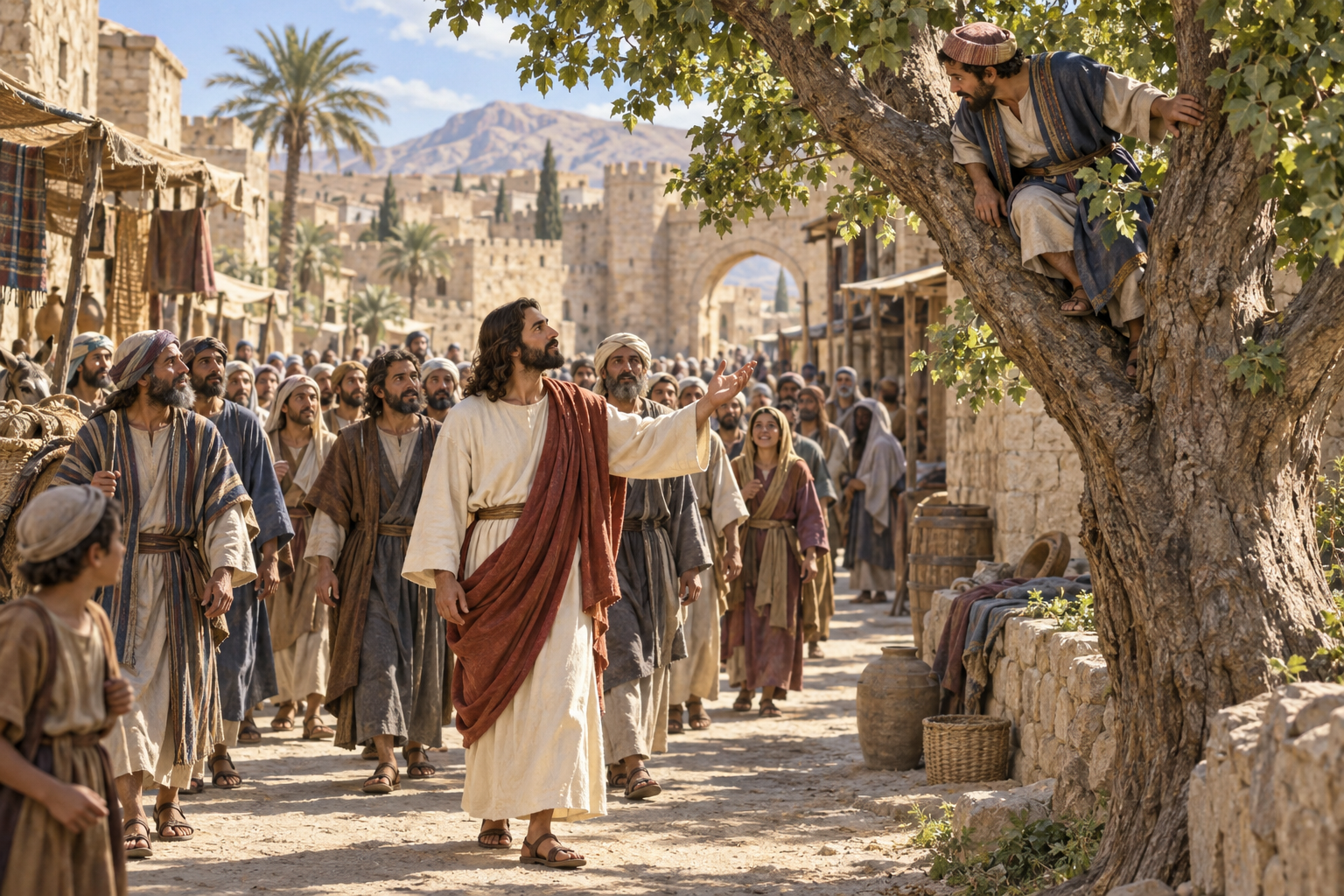
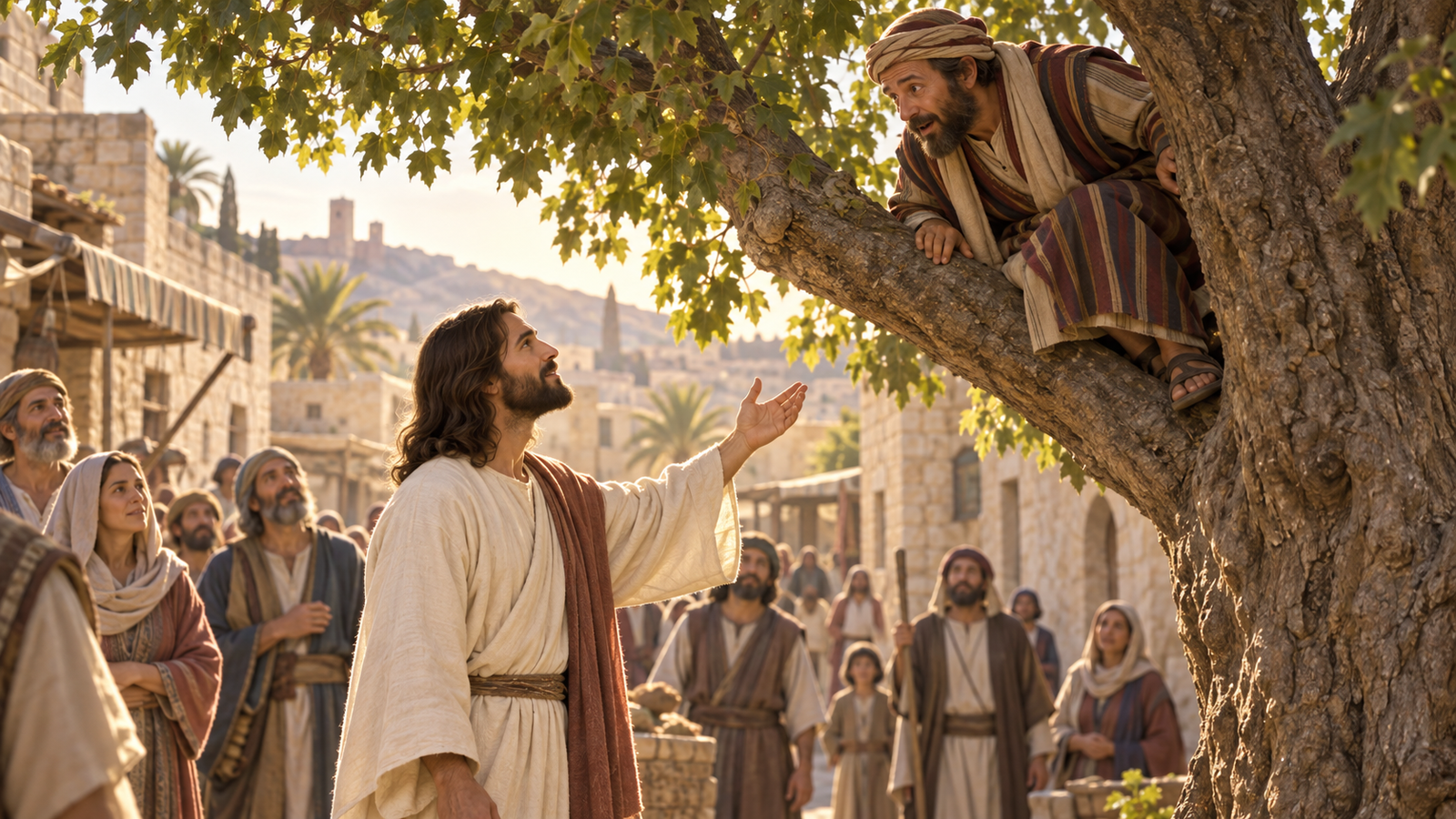
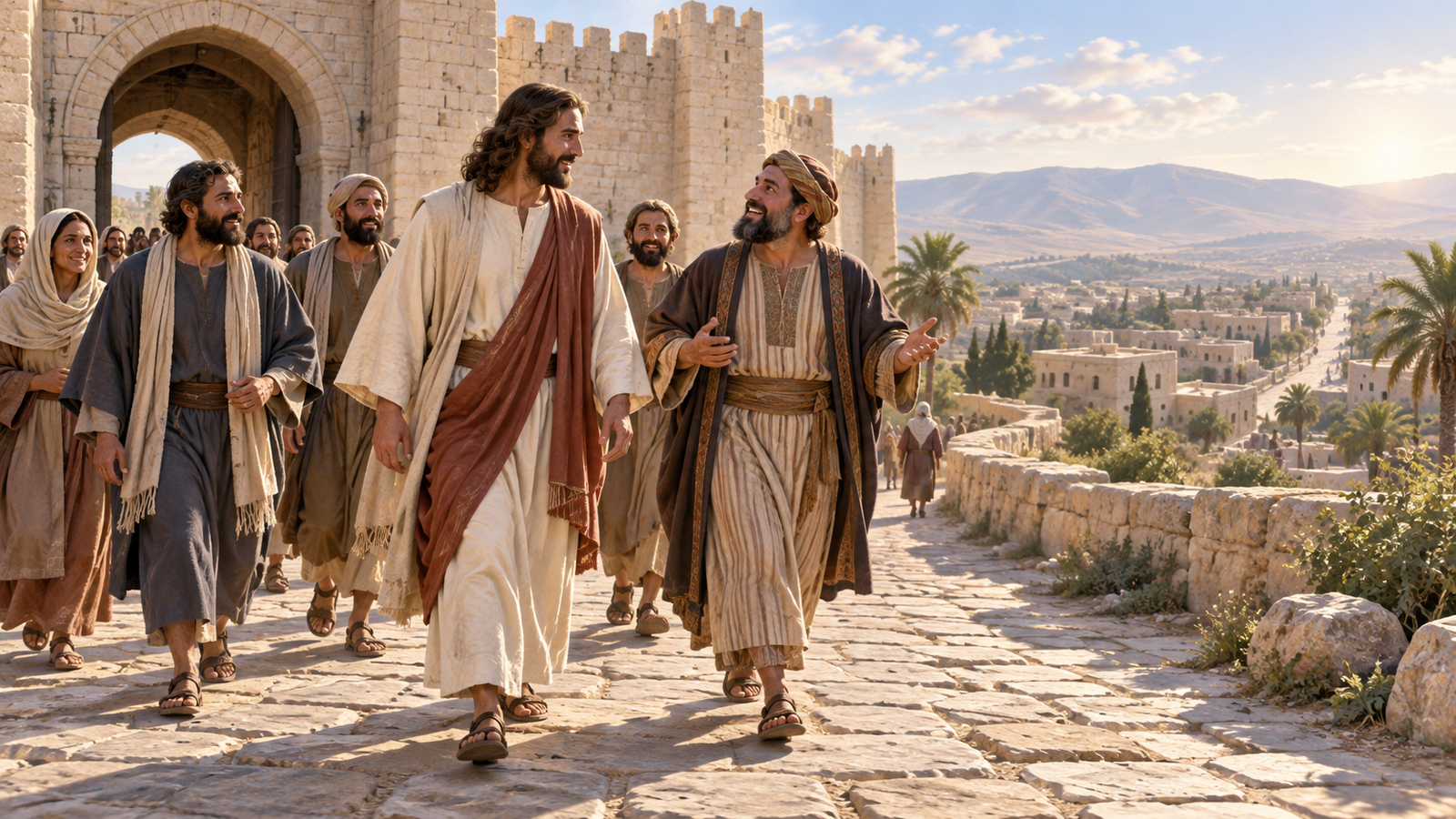
Luke 19:1-10 tells the story of Zacchaeus, a chief tax collector who wanted to see Jesus. Because he was small in stature and the crowd blocked his view, he climbed a sycamore tree along the road. When Jesus reached the place, He looked up, called Zacchaeus by name, and said that He must stay at his house that day.
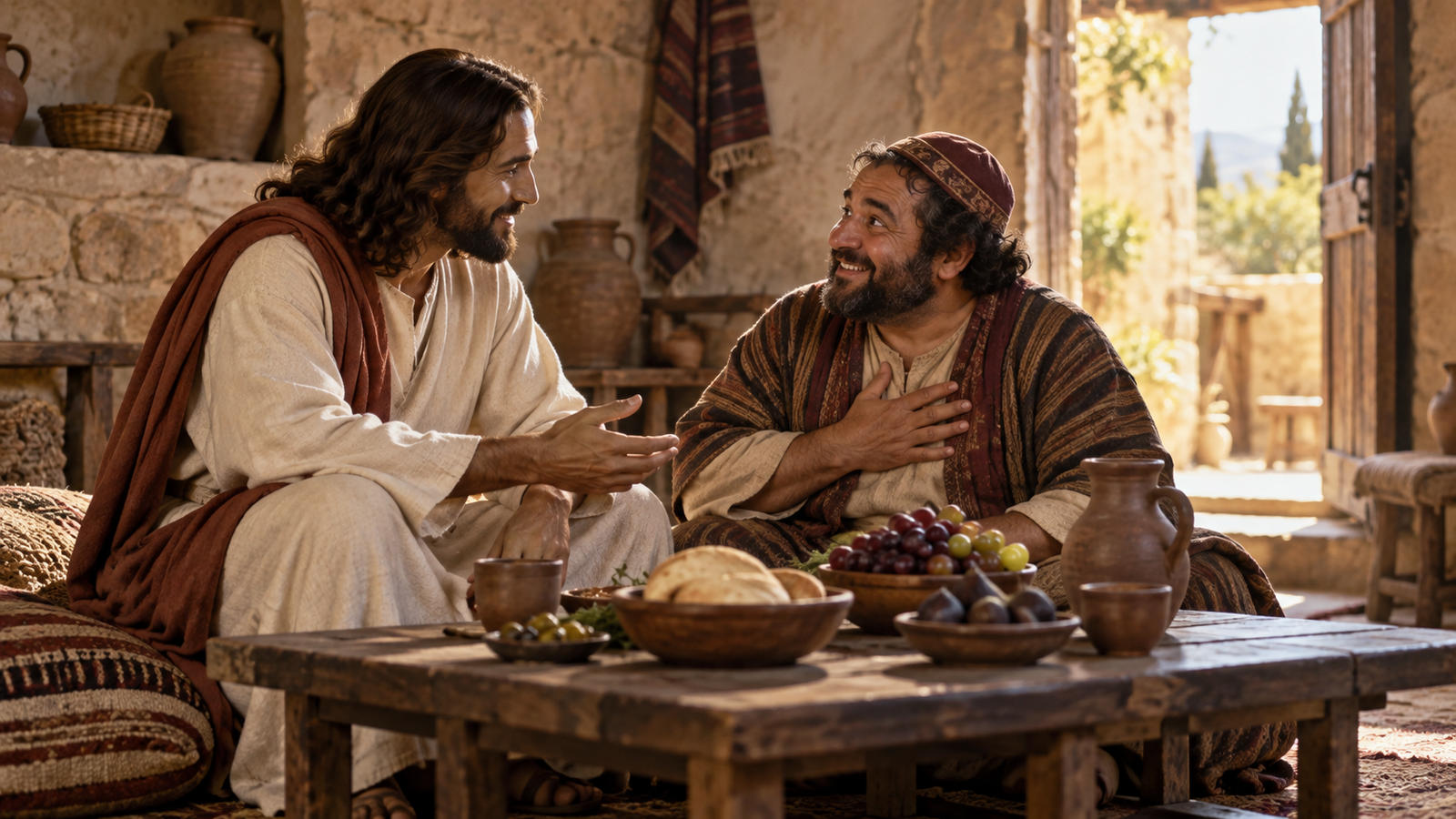
Zacchaeus came down quickly and received Jesus with joy. The crowd did not celebrate. They grumbled because Jesus had gone to the home of a man they called a sinner. Yet Zacchaeus stood before the Lord and spoke about giving to the poor and restoring what he had taken unfairly.
Jesus then announced that salvation had come to the house. He closed the scene with a clear explanation: “The Son of Man came to seek and to save the lost.” This is the centre of Luke 19:1-10. It is a story about the saving mission of Jesus Christ, the response of a changed heart, and the mercy of God toward sinners.
Read the Passage as Part of the Bible’s Story
Luke 19 belongs inside the larger story of Scripture. The Bible reveals one holy God who creates, judges sin, keeps His promises, and saves His people. The account of Zacchaeus is not an isolated lesson about being more generous. It shows the promised Savior bringing mercy to a sinner.
Read this passage beside the wider Biblical Scripture and Verses pillar and the life and ministry of Jesus. These guides can help you keep the story connected to the person and work of Christ. Jesus is the Lord who came in the flesh, fulfilled God’s promises, died for sinners, and rose again.
That larger setting protects us from reducing Zacchaeus to a formula. The passage does not say that climbing a tree saves people or that giving away money is the centre of the gospel. It shows Jesus seeking the lost and bringing salvation through His own gracious authority.
Jericho, Zacchaeus, and the Crowd
Jesus was passing through Jericho. Luke does not present Zacchaeus as an anonymous person in a large crowd. He gives us his name, his work, and his wealth. Zacchaeus was a chief tax collector and was rich. These details help us understand why the crowd viewed him with suspicion and contempt.
Tax collectors were associated with Rome and with the collection of money from their own people. The passage does not describe every part of Zacchaeus’s past, so we should not add details that Scripture does not give. It does tell us that his public reputation was poor and that his wealth stood out.
Luke places this account after Jesus’ teaching about humility and before His arrival in Jerusalem. The nearby account of the tax collector who cried for mercy warns us not to trust in our own righteousness. Luke 18:9-14 shows that the humble sinner who asks for mercy is the one who goes home justified. Zacchaeus’s story gives us a living picture of that mercy meeting a real person.
Jesus Sees Zacchaeus and Calls Him by Name
Zacchaeus first wanted to see who Jesus was. His desire may have begun with curiosity, but Jesus’ call went deeper than a passing look. The Lord stopped, looked up, and called him by name. Jesus was not confused by the crowd, and Zacchaeus was not invisible to Him.
Jesus told him to hurry and come down because He must stay at his house that day. The word “must” shows purpose. This was not an accidental visit. The Son of God was carrying out the Father’s saving mission, and that mission included meeting Zacchaeus in his own home.
The call of Jesus was personal and urgent, but it was also gracious. Jesus did not first demand that Zacchaeus repair his reputation. He called him into fellowship, and that fellowship would expose sin and produce change. Grace does not ignore sin. It brings the sinner into the presence of the Savior who can forgive and transform.
Zacchaeus Welcomes Jesus With Joy
Zacchaeus hurried down from the tree and received Jesus joyfully. His response is simple but important. He did not remain at a distance. He welcomed the Lord who had called him. The joy came before Luke records his public promise about money.
Christian faith begins with receiving Jesus Christ, not with presenting a record of personal achievement. We come to Him as people who need mercy. We do not make ourselves clean and then invite Him in. He calls us, and His grace creates a new response in us.
Jesus is not only a helper for difficult moments. He is Lord and Savior. He is the divine Son who came in the flesh, died for sinners, and rose again. Zacchaeus’s joy points us toward a personal welcome of Christ, while the rest of the account shows that this welcome cannot remain empty words.
Why Did People Grumble at Jesus?
The crowd grumbled because Jesus had gone to be the guest of a sinner. Their words reveal a common human temptation. People often want mercy for themselves but distance from people whose sins, reputations, or histories make them uncomfortable.
Jesus did not approve of wrongdoing. He entered Zacchaeus’s home to save him, not to celebrate injustice. The Lord’s holiness and mercy belong together. He receives sinners who turn to Him, and He changes the way they live.
Luke 15 gives the same setting of grumbling when tax collectors and sinners draw near to Jesus. In the parables of the lost sheep and lost coin, Jesus teaches that heaven rejoices when a sinner repents. Luke 15:1-10 helps us see why Jesus went toward Zacchaeus. The seeking mercy of God is not a problem to solve. It is good news for the lost.
Jesus Brings Salvation Into Zacchaeus’s Home
Jesus said, “Today salvation has come to this house.” The announcement is stronger than saying that Zacchaeus had enjoyed an interesting conversation. Jesus declared that salvation had arrived. The man who had been known by his work and wealth was now met by the saving Lord.
The house became a place of grace, but the house itself did not save Zacchaeus. Jesus saved him. The Lord’s presence exposed his need and gave him hope. The same Savior is still the only ground of peace with God.
When we speak about salvation, we must keep the gospel clear. Jesus Christ is Lord. He lived without sin, died in the place of sinners, and rose bodily from the grave. We are saved by God’s grace through faith, not by our moral record. Ephesians 2:8-10 teaches both truths: salvation is God’s gift, and the saved are then created for good works.
True Repentance Produces Changed Actions
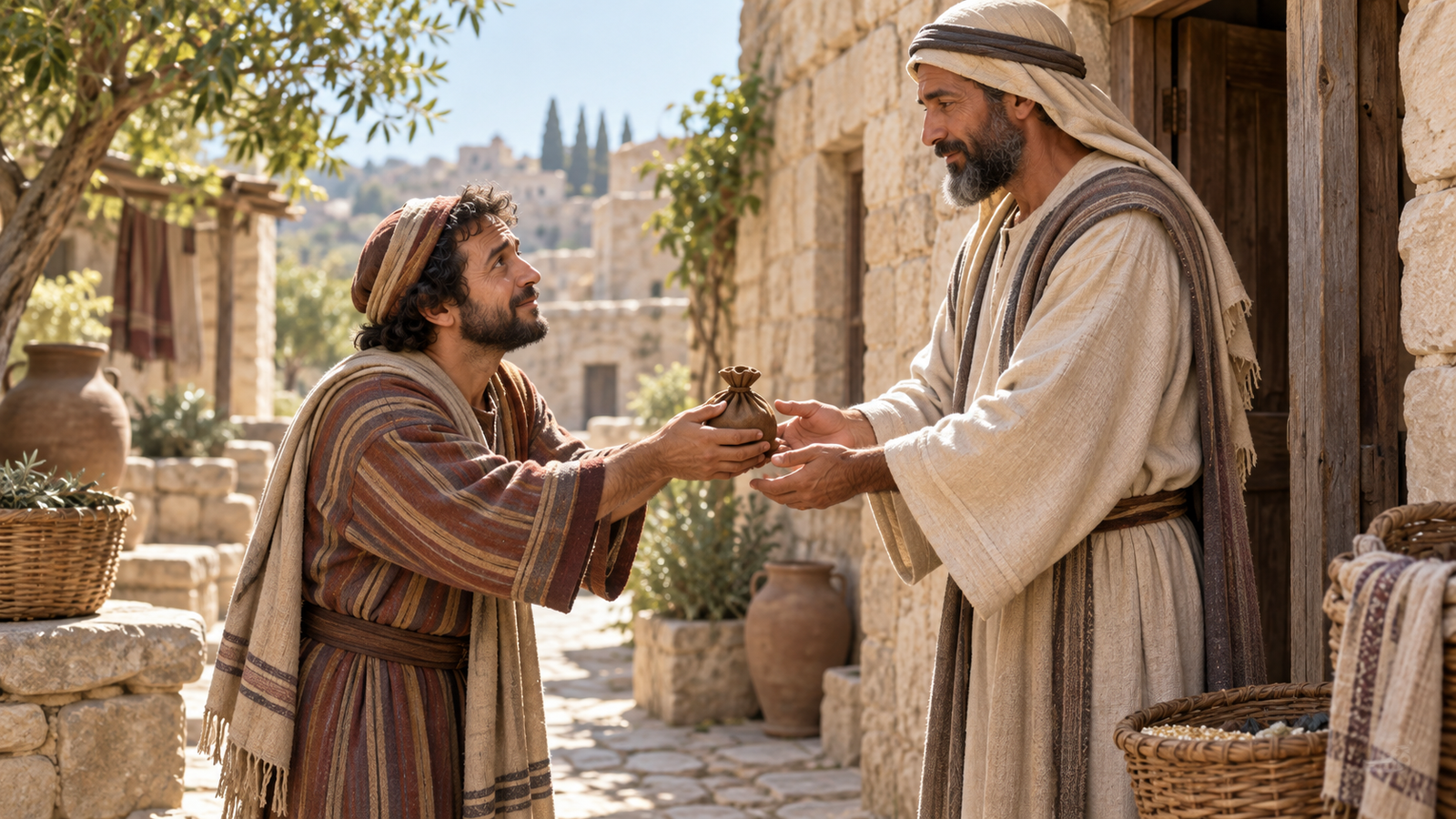
Zacchaeus stood and spoke to the Lord. He said that he gave half of his goods to the poor and that, if he had defrauded anyone, he would restore it fourfold. His words show that repentance reached his possessions and his relationships.
Repentance is more than feeling embarrassed. It is a turn toward God that changes the direction of life. Zacchaeus did not merely say that he was sorry. He was ready to act honestly and generously. His changed use of money gave visible evidence that his heart had been reached by Jesus.
We should be careful not to invent a complete biography for Zacchaeus. The text gives us this promise, and this promise is enough. It shows that grace does not leave a person comfortable with sin. A changed heart begins to repair harm, tell the truth, share with the poor, and treat neighbours with justice. These works do not purchase salvation, but they display its fruit.
Does Giving Money Back Earn Salvation?
No. Zacchaeus did not buy salvation by giving money away. Jesus announced salvation because He had come to seek and save the lost. The Lord’s grace came first. Zacchaeus’s generosity followed as a response to that grace.
The Bible never teaches that a sinner can pay God back for sin. No gift, donation, religious activity, or good deed can remove guilt before a holy God. Salvation rests on the finished work of Jesus Christ. He died and rose again so that sinners who trust Him can be forgiven and reconciled to God.
Romans 10:9-10 points us to faith in the risen Lord. We confess that Jesus is Lord and believe that God raised Him from the dead. Good works matter because love and faith are living, but they are not the foundation of our acceptance. Christ is the foundation.
The Son of Man Came to Seek and Save the Lost
Jesus called Himself the Son of Man and explained His mission with one sentence: He came to seek and save the lost. Zacchaeus was not saved because he found a clever way to reach Jesus. Jesus sought him in the crowd, called him from the tree, and brought salvation to his home.
To be lost is to be separated from God and unable to rescue ourselves. Sin bends our desires, damages our relationships, and leaves us guilty before the Judge. The answer is not self-improvement alone. We need the Savior who came from God, took on flesh, died for sinners, and rose in victory.
Jesus still seeks the lost through the gospel. He calls people to repent and believe. He does not promise that following Him will leave every earthly problem unchanged, but He gives forgiveness, new life, and the sure hope of resurrection. 2 Corinthians 5:17 describes those who are in Christ as a new creation. The old has passed away, and new life has come.
What Luke 19 Teaches About Grace
Grace moves toward the person others have written off. The crowd saw Zacchaeus as a sinner. Jesus saw a man who needed salvation and whom He intended to call. The Lord’s mercy is not controlled by social approval.
Grace also creates joy. Zacchaeus received Jesus with joy before the public evidence of his changed life appeared. Christian joy is not denial of sin. It is the glad discovery that Jesus is willing and able to save.
Grace then produces humility. Zacchaeus did not defend every part of his past or accuse the crowd. He stood before the Lord and spoke about a new direction. The gospel gives us a safe place to confess sin because our hope rests in Christ rather than in our ability to look respectable.
Jesus Knows the Person Behind the Reputation
Zacchaeus had a public label, but Jesus knew him personally. The Lord knew his name, his home, his need, and the work He was doing in his heart. This does not mean that reputation never matters. It means that a person is never beyond the reach of Christ’s mercy.
Some readers may feel more like Zacchaeus than they want to admit. Sin may be public, hidden, old, or recent. Others may feel like the crowd and find it hard to believe that Jesus would show mercy to someone they distrust. Luke 19 speaks to both groups. We all need the Savior, and Jesus is able to save.
The Lord also knows the faithful person who feels unseen. He sees the believer who prays quietly, serves without credit, or carries shame that others do not understand. His attention is not limited by the crowd. Bring your true self to Him, and trust His word more than the labels placed on you.
Faith Responds With Joy and Obedience
Zacchaeus received Jesus joyfully, then spoke about concrete obedience. This order matters. Faith receives the Lord, and faith then begins to obey. Christian obedience is not a ladder by which we climb up to God. It is the grateful response of people whom God has met with mercy.
Following Jesus touches the whole person. It reaches our use of money, our treatment of neighbours, our willingness to confess wrong, and our care for the poor. We may not have Zacchaeus’s exact circumstances, but we can ask where Jesus is calling us to live honestly and generously.
Use the wider teaching of Jesus as a guide for that response. He calls His people to love God, love neighbours, seek first the kingdom, forgive, pray, and walk in truth. Obedience grows over time, but a living faith does not treat Jesus’ words as optional.
Zacchaeus and the Hope of a New Life
The story does not end with Zacchaeus making a promise. It ends with Jesus declaring salvation. The centre of Christian hope is not the strength of our first response or the perfection of our later obedience. It is the faithful Savior who seeks and saves His people.
New life does not mean that every consequence disappears immediately. Zacchaeus still had to face the people he had harmed. His promise to restore what he had taken would require humility and patience. But he no longer had to live as the same man. The grace of Jesus gave him a new direction.
The same hope belongs to everyone who is in Christ. God does not merely cover a person with an improved image. He makes a new creation. This is why Christian change is possible even when growth is slow. Jesus is not finished with His people, and His grace teaches them to walk in the light.
How Can We Follow Jesus Today?
Begin by coming honestly to Jesus. Admit that you are a sinner who cannot save yourself. Believe that Jesus Christ is Lord, that He died for sinners, and that God raised Him from the dead. Ask Him for mercy and trust His promise.
Then listen to Him through Scripture. Read Luke 19 slowly. Notice what Jesus does, what Zacchaeus receives, and what changes. Pray that the Spirit will show you one area where repentance should become visible. This may involve an apology, a repaired relationship, generous giving, truthful work, or a decision to leave a sinful pattern.
Stay close to the people of God. A healthy church can help you hear the Bible, receive correction, serve with humility, and remember the gospel when feelings are weak. You can also explore Christian wisdom for daily life as you seek to apply the truth of Jesus with patience. Following Christ is a lifelong walk of grace, faith, repentance, and hope.
Summary of Luke 19:1-10
Luke 19:1-10 shows Jesus entering Jericho and meeting Zacchaeus, a chief tax collector and rich man. Zacchaeus wanted to see Jesus, so he climbed a sycamore tree. Jesus called him by name and chose to stay at his house.
Zacchaeus welcomed Jesus with joy. His response to the Lord included a promise of generous giving and restitution. This did not earn salvation. It showed that Jesus had changed the direction of his life.
Jesus declared that salvation had come to the house and explained His mission: the Son of Man came to seek and save the lost. The passage calls us to receive Christ with faith, turn from sin, trust His saving death and resurrection, and let grace produce honest obedience.
Frequently Asked Questions
What happens in Luke 19:1-10?
Jesus enters Jericho and sees Zacchaeus, a chief tax collector who has climbed a tree to see Him. Jesus calls Zacchaeus down, stays at his house, and brings salvation. Zacchaeus responds with joy and promises generous restitution. Jesus explains that the Son of Man came to seek and save the lost.
Who was Zacchaeus in the Bible?
Zacchaeus was a chief tax collector and a rich man in Jericho. The passage also says he was small in stature. Although the crowd treated him as a sinner, he sought to see Jesus, welcomed Him, and responded to grace with changed actions.
What does Zacchaeus teach us about repentance?
Zacchaeus shows that repentance turns toward Jesus and produces honest change. His promise to give to the poor and restore what he had defrauded did not purchase salvation. It showed that his encounter with Jesus had changed his heart and his relationship with money and neighbours.
What does the Son of Man came to seek and save the lost mean?
It means that Jesus came as the promised Savior to find and rescue sinners who cannot save themselves. He does not wait for the lost to make themselves worthy. He seeks them with mercy, calls them to Himself, and gives salvation to those who trust Him.
Does Zacchaeus earn salvation by giving money back?
No. Salvation is God’s gift of grace received through faith, not a wage earned by works. Zacchaeus’s generosity and restitution were evidence of a changed response to Jesus. Good works follow saving grace; they do not replace the cross and resurrection of Christ.
Read Luke 19:1-10 in Context
Read these passages with Luke 19:1-10. Together they help us see the humility, mercy, grace, and new life that surround Zacchaeus’s encounter with Jesus.
- Luke 19:1-10 tells the full account of Zacchaeus and the saving mission of Jesus.
- Luke 18:9-14 contrasts self-righteousness with humble mercy.
- Luke 15:1-10 shows heaven’s joy over a sinner who repents.
- Ephesians 2:8-10 explains salvation by grace and the good works that follow.
- 2 Corinthians 5:17 describes new creation in Christ.
- Romans 10:9-10 calls us to confess Jesus as Lord and believe in His resurrection.