
John 2:1 marks the setting for Jesus Christ’s first recorded miracle, stating, ‘On the third day a wedding took place at Cana in Galilee. Jesus’ mother was there, and Jesus and his disciples had also been invited to the wedding.’ This event begins the account of Jesus turning water into wine, a powerful sign that revealed His glory, affirmed His divinity, and caused His disciples to put their faith in Him.
From the start of His public ministry, Jesus Christ showed both His divine authority and His deep compassion. He first revealed His glory not in a great temple or city square, but at a humble wedding feast in Cana. This pivotal event, recorded in the Gospel of John, was the first of many signs from the Son of God. It affirmed Him as the promised Messiah whose power is greater than any earthly limitation and marked the beginning of His redemptive mission.
This account in John 2, often called Jesus’ first miracle, holds deep theological meaning for believers. It offers a glimpse into the heart of God and the power of His Son. In this article, we will examine the rich details of the wedding at Cana. We’ll look at the miraculous transformation of water into wine and what this act reveals about Jesus Christ Himself: His perfect timing, His compassion for human joy, and the first unveiling of His divine glory.
As we delve into this passage, our goal is to deepen your understanding and strengthen your faith with clear answers from the authority of God’s Word. Let’s begin by setting the scene and exploring the cultural context of this extraordinary moment.
What is the Context of the Wedding at Cana in John 2:1?
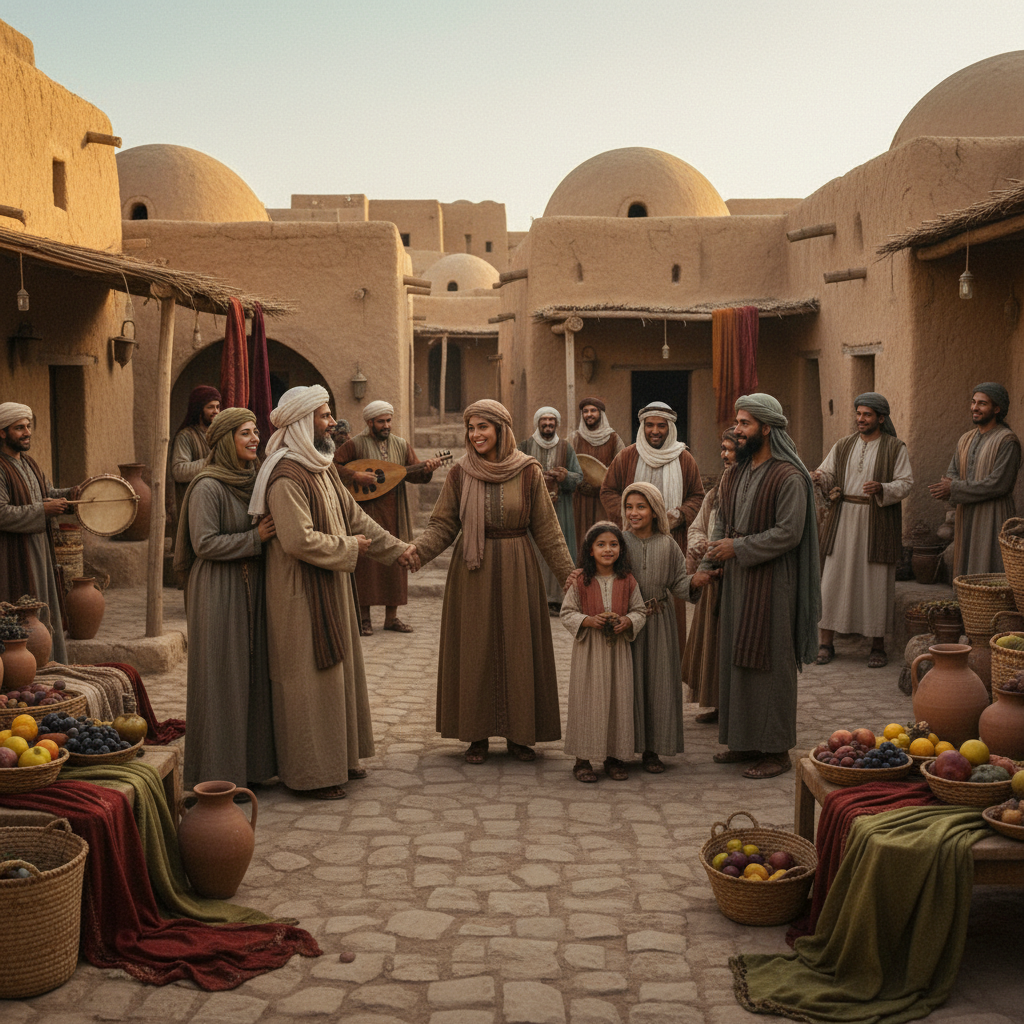
The Setting: Cana in Galilee
The Gospel of John begins its account of Jesus’ public ministry in a humble setting: the village of Cana in Galilee (John 2:1). Located in the northern district of ancient Israel, Cana was likely a small, unassuming town often overlooked by the religious leaders in Jerusalem.
This ordinary location, however, serves as a powerful backdrop for an extraordinary display of God’s power. Cana’s modest nature underscores a key divine principle: Jesus’ ministry was not confined to grand temples. Instead, His glory shone forth in common places, bringing light to everyday lives. This detail confirms the accessibility of our Savior to all people, regardless of their status or location.
The ‘Third Day’: Its Biblical Significance
John 2:1 notes, “On the third day there was a wedding at Cana in Galilee.” This specific phrase, “on the third day,” carries deep biblical significance. In its immediate context, it marks the third day after Jesus called His first disciples (John 1:43-51), signaling a pivotal moment in His unfolding ministry.
Beyond this, the “third day” is a recurring theme throughout Scripture, often pointing to divine intervention and new beginnings. Most profoundly, it foreshadows Jesus’ ultimate triumph over death. Our Lord Jesus Christ rose from the grave on the third day, securing our salvation (1 Corinthians 15:4) and proving His divine nature. Therefore, even at the start of His ministry, this detail subtly hints at His glorious mission and ultimate victory, affirming God’s perfect plan of redemption.
Who Was Invited to the Wedding?
The Gospel of John identifies the key attendees at this pivotal event, stating, “Jesus’ mother was there, and Jesus and his disciples also were invited to the wedding” (John 2:1-2).
- Jesus: As a guest, our Lord demonstrated His willingness to participate in human joys and celebrations. His presence sanctified the occasion and showed His compassion for ordinary life.
- Mary, His Mother: Mary played a crucial role, and her presence highlights her close relationship with Jesus. She also demonstrated simple faith by trusting Him even before His public miracles began.
- His Disciples: The newly called disciples—including Andrew, Peter, Philip, and Nathanael (John 1:40-51)—were also present. For them, this first miracle was a foundational experience. Witnessing Jesus’ divine power firsthand strengthened their budding faith and confirmed their decision to follow Him as the Messiah.
This gathering was, therefore, more than a social event; it was a divinely orchestrated occasion that prepared the way for Jesus to reveal His glory for the very first time (John 2:11).
What does John 2 verse 1 mean?
A Verse-by-Verse Breakdown of John 2:1-11
John 2:1-11 recounts the first recorded miracle of Jesus, a powerful display of His divine nature that marked the beginning of His public ministry. Let us explore each part of this foundational passage.
- John 2:1: “On the third day there was a wedding at Cana in Galilee, and the mother of Jesus was there.” This verse sets the scene at a wedding, a central event in Jewish social life. Mary’s presence suggests a close relationship with the host family.
- John 2:2: “Jesus also was invited to the wedding with his disciples.” Here, we see Jesus actively participating in everyday human life by blessing a common celebration. It also notes that His disciples were already following Him at this early stage.
- John 2:3: “When the wine ran out, the mother of Jesus said to him, ‘They have no wine.'” When the wine ran out—a major social embarrassment—Mary brought the problem directly to Jesus. Her simple statement reveals her deep trust in His ability to help.
- John 2:4: “And Jesus said to her, ‘Woman, what does this have to do with me? My hour has not yet come.'” Jesus’ reply might sound harsh, but the term “Woman” was a respectful form of address. With this statement, He asserts His divine timing and authority, indicating He operates according to God’s plan, not human urgencies (John 7:6).
- John 2:5: “His mother said to the servants, ‘Do whatever he tells you.'” Mary’s faith shines through in this verse. Despite His initial response, she implicitly trusts Jesus and instructs the servants to obey His every word—a model of faith for all believers.
- John 2:6: “Now there were six stone water jars there for the Jewish rites of purification, each holding twenty or thirty gallons.” This verse notes the presence of six large stone water jars used for Jewish purification rites. Capable of holding twenty to thirty gallons each, their immense size highlights the abundance of the coming miracle.
- John 2:7: “Jesus said to the servants, ‘Fill the jars with water.’ And they filled them up to the brim.” Jesus gives a simple command, and the servants’ immediate and complete obedience is key. By filling the jars “up to the brim,” they showed their submission to His authority.
- John 2:8: “Then he said to them, ‘Now draw some out and take it to the master of the feast.’ So they took it.” Following His next command, the servants delivered the new “wine.” Their continued obedience suggests the transformation from water to wine happened instantaneously.
- John 2:9: “When the master of the feast tasted the water now become wine, and did not know where it came from (though the servants who had drawn the water knew), the master of the feast called the bridegroom.” When the master of the feast tasted the water that had become wine, he immediately recognized its superior quality. However, he was unaware of its miraculous origin, though the servants knew.
- John 2:10: “and said to him, ‘Everyone serves the good wine first, and when people have drunk freely, then the poor wine. But you have kept the good wine until now.'” The master praises the bridegroom, unknowingly highlighting the unparalleled quality of Jesus’ creation. His comment confirms that Jesus did not just create wine—He created the best wine.
- John 2:11: “This, the first of his signs, Jesus did at Cana in Galilee, and manifested his glory. And his disciples believed in him.” This final verse summarizes the miracle’s profound purpose. It was the first of Jesus’ “signs,” an act that “manifested his glory” and strengthened the faith of His disciples, who began to see Him as more than just a teacher.
Mary’s Simple Faith and Jesus’ Sovereign Response
The interaction between Mary and Jesus at Cana offers profound insights into both human faith and divine sovereignty. Mary’s response to the crisis is admirable; instead of panicking or trying to solve the problem herself, she turned immediately to Jesus (John 2:3). This simple act reveals her deep trust and her belief that He could intervene, even before His public ministry had truly begun.
Her instruction to the servants—”Do whatever he tells you” (John 2:5)—is even more telling. This timeless command for all believers embodies a simple yet powerful faith that calls for complete obedience to Christ’s word.
In response, Jesus’ statement, “My hour has not yet come” (John 2:4), confirms His divine nature. It shows He is not bound by human expectations but acts according to His Father’s perfect timing. While this reply emphasizes His sovereign authority as the Son of God, it does not diminish His love. He ultimately chooses to perform the miracle, demonstrating His compassion by meeting a human need while fulfilling His divine purpose. His actions are always perfectly aligned with God’s will (John 5:19).
From Water to Wine: A Sign of the New Covenant
The transformation of water into wine at Cana is more than a simple act of kindness; it is a profound theological statement. This miracle serves as a powerful sign pointing to the New Covenant established by Jesus Christ.
The six stone jars mentioned in the passage were not for drinking but held water for Jewish purification rituals (John 2:6). These rites were central to the Old Covenant, representing the Law and symbolizing humanity’s ongoing need for cleansing. However, as mere shadows of what was to come, they could not truly cleanse the heart (Hebrews 10:4).
Jesus replaced this water with the finest wine. In Scripture, wine often symbolizes joy, abundance, and God’s blessings. More importantly, it directly foreshadows the New Covenant, which Jesus would later seal with His own blood, represented by wine (Matthew 26:27-28). The Old Covenant, with its rules and rituals, was good but ultimately pointed to a greater reality. In contrast, the New Covenant brings true spiritual cleansing and abundant life through Christ, offering an overflowing supply of grace and joy.
Thus, Jesus’ first miracle dramatically illustrates this transition from the old to the new. By replacing the ceremonial water of the Law with the abundant wine of grace, He shows that He is the one who makes all things new (Revelation 21:5). This miracle “manifested his glory” (John 2:11), revealing Him as the promised Messiah and the Son of God who brings life in its fullness (John 10:10). Ultimately, this divine act solidified the faith of His disciples and continues to call us to believe in Him today.
What Does This First Miracle Reveal About Jesus Christ?

His Divine Power Over Creation
Jesus performed His first miracle at a wedding in Cana by transforming water into wine (John 2:1-11). This act is a profound showcase of His divine power. It wasn’t a mere trick or an illusion but an instantaneous act of creation.
Think about the natural process of making wine: grapes must grow, be harvested, and then ferment. This requires time, skill, and the workings of nature. Jesus, however, bypassed all these steps with a single command. By His word, He turned ordinary water into extraordinary wine.
This reveals several key aspects of His power:
- Authority Over Nature: Jesus demonstrated absolute control over the elements. He commanded the very essence of matter to change its composition. This points to His role as the Creator described in Genesis. As John 1:3 says, “all things were made through Him, and without Him was not anything made that was made.”
- Instantaneous Transformation: The transformation from water to wine was immediate and complete. In fact, the master of the feast declared it the best wine of the celebration (John 2:10). This highlights Jesus’ omnipotence—the ability to act without limitation or delay.
- Supernatural Ability: No human is capable of such a feat. This miracle, therefore, proves Jesus’ unique identity. He is not merely a prophet or a teacher but God in human form—the Son of God with divine power.
Some might ask if Jesus was simply a magician. The answer is a clear no. Magic seeks to manipulate unseen forces or create illusions. In contrast, Jesus revealed His inherent divine authority. He performed a genuine miracle that showcased His power as the source of all life and creation (Colossians 1:16).
His Compassion for Human Joy and Need
Beyond a display of power, this miracle beautifully illustrates Jesus’ deep compassion. He intervened in what might seem like a small problem, but for the host family, it was a significant one. In that culture, running out of wine at a wedding feast would have brought them great shame and embarrassment.
When Jesus’ mother, Mary, brought the problem to Him, His initial response was, “My hour has not yet come” (John 2:3-4). While this might seem distant, He chose to act anyway. This decision reveals His loving concern for the everyday details of people’s lives.
His compassion is evident in several ways:
- Empathy for Social Needs: Jesus understood the cultural weight of the situation. He cared about the joy and reputation of the families involved, and His act of grace saved them from public humiliation.
- Presence in Celebration: Jesus was not distant or detached from human experience. By attending the wedding, He affirmed the value of joy, community, and marriage. He blesses and participates in the celebrations of our lives.
- Responsiveness to a Need: Mary’s simple statement, “They have no wine,” was all that was needed (John 2:3). Jesus’ response demonstrates His compassion for the needs brought before Him, even before His public ministry had officially begun.
This miracle teaches us that Jesus cares about every part of our lives, not just the obviously spiritual ones. He is concerned with our daily joys, social standing, and personal struggles. His compassion is both boundless and personal (Philippians 4:19).
The Beginning of the Revelation of His Glory
The Gospel of John states the profound significance of this event: “This, the first of his signs, Jesus did at Cana in Galilee, and manifested his glory. And his disciples believed in him” (John 2:11).
This miracle was more than just an impressive feat; it was a “sign” pointing to a greater reality. It began to reveal who Jesus truly is. The “glory” that was manifested is the visible expression of God’s divine nature and presence. For His disciples, it became a pivotal moment that solidified their faith.
The revelation of His glory encompasses:
- Validation of His Identity: Through this powerful act, Jesus began to confirm that He was the promised Messiah, the Son of God. His divine glory, veiled in human flesh, started to shine through (John 1:14).
- A Foundation for Faith: Witnessing this transformation convinced the disciples of His divine authority. The miracle strengthened their belief and prepared them for the greater signs and teachings to come. It became a cornerstone for their faith in Him as Lord.
- Inauguration of His Ministry: Although Jesus had lived a quiet life until this point, the miracle marked the public beginning of His mission. It signaled something new was beginning, just as the new wine replaced the water. This act pointed toward the new covenant He came to establish.
Therefore, this first sign at Cana makes it clear that Jesus was more than just a good man or a moral teacher. It boldly declares His divine nature. He came to reveal God’s glory, save humanity through His sacrificial death and resurrection, and establish His Kingdom. He is Jesus Christ, Lord and Savior, the Son of God, and the Living Word (John 14:6).
Frequently Asked Questions about John 2:1

What is the main message of John 2:1-11?
The main message of John 2:1-11 is a profound revelation of Jesus Christ’s divine glory and power. As the start of Jesus’ public ministry, this passage showcases His compassion for human needs and foreshadows the abundance of the New Covenant.
Specifically, the narrative conveys several key truths:
- Jesus’ Glory Revealed: John 2:11 states, “This, the first of his signs, Jesus did at Cana in Galilee, and manifested his glory. And his disciples believed in him.” This miracle was no mere trick; it was a demonstration of God’s power that unveiled His divine nature.
- The Beginning of Signs: John’s Gospel often refers to miracles as “signs.” These signs point beyond the miracles themselves to reveal Jesus’ identity as the Son of God. The wedding at Cana was the very first of these miraculous signs.
- Divine Authority Over Creation: By transforming water into wine, Jesus demonstrated His absolute authority and power over the natural world, an act that confirms His deity.
- God’s Abundant Provision: The miracle provided an abundance of the best wine, which speaks to God’s generosity in providing for His people and hints at the spiritual richness available in Christ.
- Mary’s Faith and Jesus’ Sovereignty: Mary showed her trust in Jesus by telling the servants, “Do whatever he tells you” (John 2:5). Jesus, however, responded according to His own sovereign and divine timing.
- Foundation for Disciples’ Faith: Witnessing this miracle and seeing His glory with their own eyes strengthened the disciples’ faith and solidified their conviction in Him.
In essence, John 2:1-11 establishes Jesus as the Messiah by revealing His glory and inviting all to believe in Him.
Why was turning water into wine so significant?
The turning of water into wine at Cana holds immense significance because it was far more than a simple act of benevolence; it was a powerful declaration of Jesus’ identity and mission.
- It Was Jesus’ First Public Miracle: As the inaugural “sign” (John 2:11), this miracle set the stage for Jesus’ public ministry, immediately marking Him as extraordinary and signaling the arrival of God’s Anointed One.
- Manifestation of His Glory: The primary purpose of the sign was to “manifest his glory” (John 2:11). By openly displaying the divine radiance and power inherent in God, Jesus provided a tangible revelation of His deity.
- Symbol of the New Covenant: Jesus transformed water held in stone jars used for Jewish purification rites (John 2:6) into joyous new wine. This act symbolizes the transition from the old covenant of law and ritual to the new covenant of grace and abundance in Christ. The new wine represents the joy and spiritual richness Jesus brings.
- Demonstration of Divine Power Over Creation: Jesus’ ability to instantaneously change the fundamental properties of water into wine showcased His absolute power over creation—a power intrinsic to God alone—which affirms His place in the Godhead.
- Messianic Expectation Fulfilled: Jesus’ provision of large quantities of high-quality wine at a wedding feast resonated with Old Testament prophecies of abundance in the Messiah’s kingdom (e.g., Isaiah 25:6), highlighting His role as the one who fulfills God’s promises.
- Confirmation of His Disciples’ Faith: Witnessing this miracle and His divine authority firsthand profoundly impacted Jesus’ disciples, confirming their initial belief and strengthening their commitment to Him as Lord.
Therefore, the significance of turning water into wine lies in its multifaceted revelation: it proclaimed Jesus as the divine Son of God, announced the new era of His kingdom, and provided a glimpse into the abundant life found in Him.
What does John 2:1 say in the KJV translation?
The King James Version (KJV) of the Bible renders John 2:1 with its characteristic poetic language, effectively setting the scene for Jesus’ first miracle.
Here is the exact wording of John 2:1 in the KJV:
“And the third day there was a marriage in Cana of Galilee; and the mother of Jesus was there.”
This verse provides the immediate context for the wedding by identifying the location (Cana in Galilee) and noting the presence of Jesus’ mother, Mary. This simple statement introduces a pivotal event in Jesus’ early ministry, marking the beginning of His public demonstration of glory as the Son of God.