What Does the Bible Mean by Jesus His Life?
When people search for Jesus His life, they may want a simple story of where He lived, what He taught, and why He matters. The Bible gives more than a biography. It shows the life of Jesus Christ as the saving work of the Son of God.
Jesus entered human history, lived among ordinary people, announced the kingdom of God, served the needy, died for sinners, and rose from the dead. His life was not a collection of disconnected events. Every part moved toward the cross, the empty tomb, and the gathering of a people who trust Him.
This guide follows the main story told in Scripture. You can also read the wider Life and Ministry of Jesus pillar for more passage-by-passage help. This guide keeps an important truth in view: Jesus is fully God and truly man. He is Lord and Savior, and the Bible is the authority that tells us who He is.
Jesus Is the Eternal Son Who Became Man
The story of Jesus does not begin at Bethlehem. John opens his Gospel by calling Jesus the Word. The Word was with God, and the Word was God. John also says that the Word became flesh and lived among us. John 1:1-18 gives the foundation for everything we say about His life.
Jesus was not only a wise teacher or a good example. He is the eternal Son through whom all things were made. He entered the world He created, took a real human nature, and lived with grace and truth. His humility did not cancel His divinity.
This is why Christians worship Jesus. His life reveals God to us. His words carry divine authority, His compassion shows the heart of the Savior, and His death and resurrection accomplish what no ordinary person could do.
Jesus’ Birth and the Promise of God
The Gospel accounts of Jesus’ birth show God keeping His promises. Jesus was born in Bethlehem, and His coming was announced as good news. He is the promised Christ, the King and Savior sent by God.
Scripture does not present the birth of Jesus as a charming story separated from sin and redemption. The child born in Bethlehem came to save His people. The eternal Son took on flesh so that He could live in obedience, die in the place of sinners, and rise in victory.
Because Jesus is truly human, He can represent us. Because He is truly God, His saving work has lasting power. The manger points forward to the cross and the resurrection. The whole life of Jesus belongs to the one gospel of grace.
Jesus’ Early Years in Nazareth
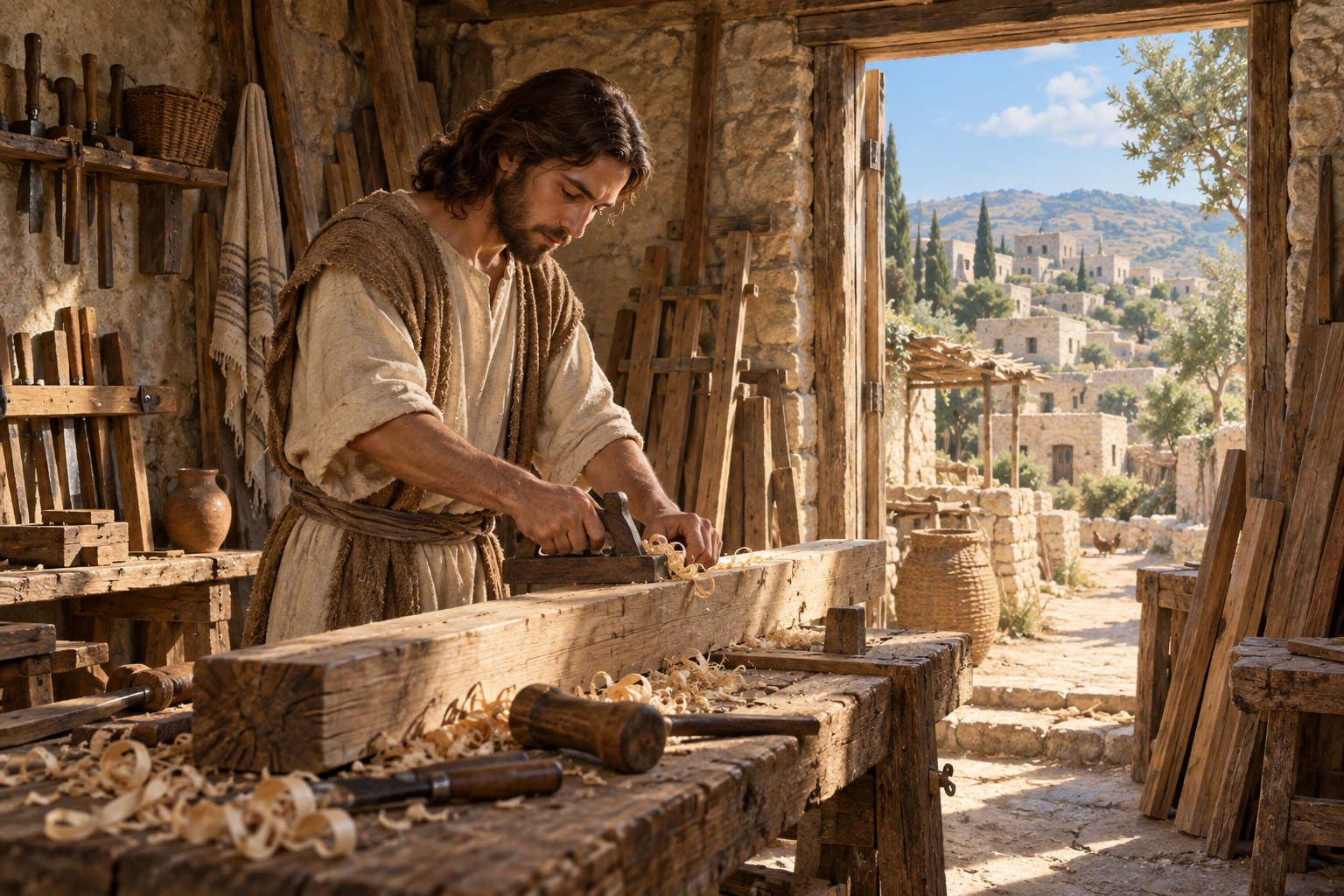
Jesus grew up in Nazareth with Mary and Joseph. The Gospels give few details about these years, and that silence teaches us to be careful. We should not fill the gaps with legends or invented stories. The Bible gives us what God wants us to know.
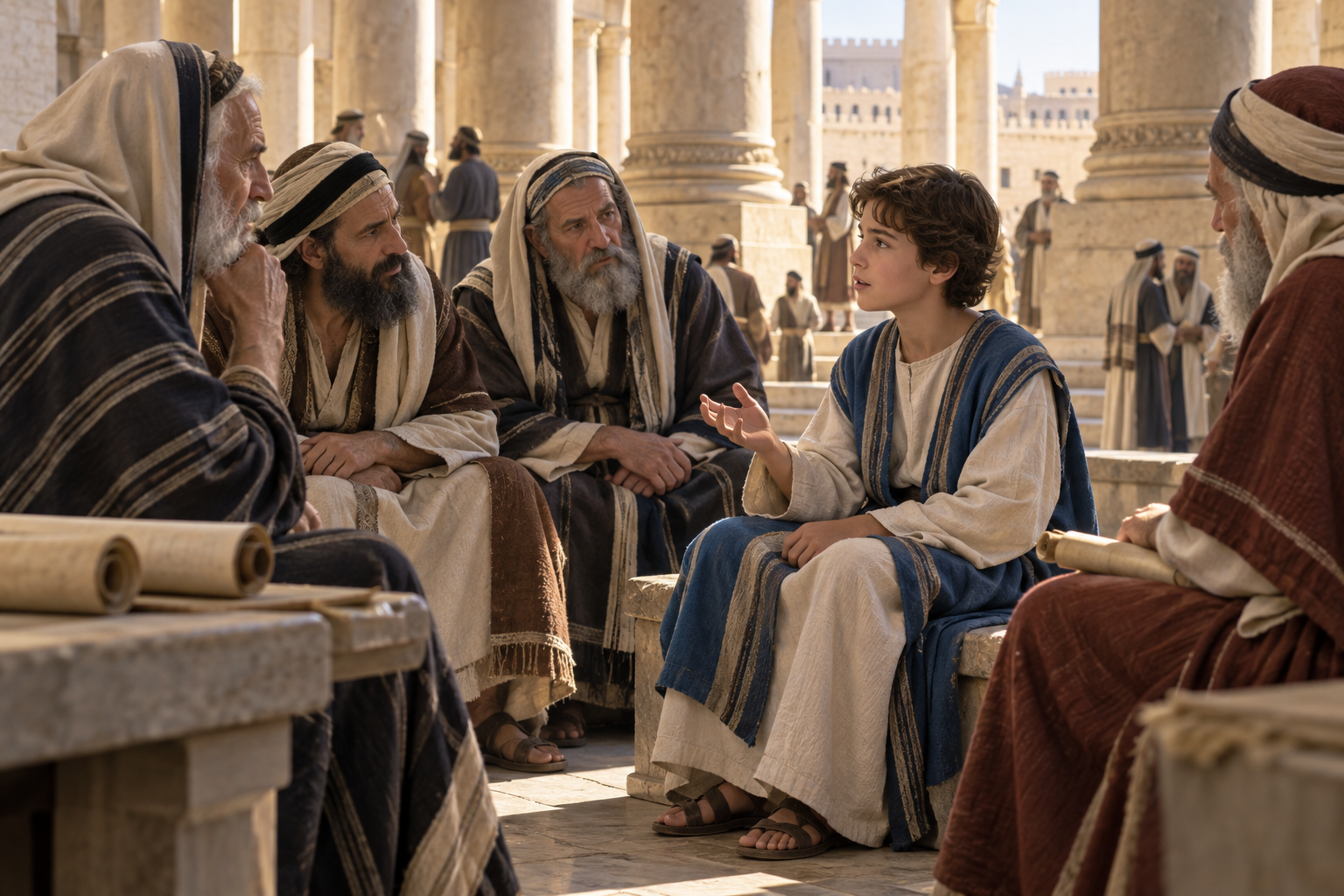
Luke records one clear childhood event. When Jesus was twelve, He remained in Jerusalem after the Passover and was found among the teachers in the temple. He listened, asked questions, and amazed those who heard Him. He also spoke about being in His Father’s house.
After this, Jesus returned to Nazareth and lived in submission to Mary and Joseph. Luke says that He increased in wisdom, stature, and favor with God and man. His hidden years were not wasted years. The Son of God lived a real human life in quiet faithfulness before His public ministry.
Jesus Begins His Public Ministry
Jesus began His public ministry by proclaiming the gospel of God. His message was clear: the time was fulfilled, the kingdom of God was near, and people should repent and believe the gospel. He did not invite people to admire Him from a distance. He called them to respond to God.
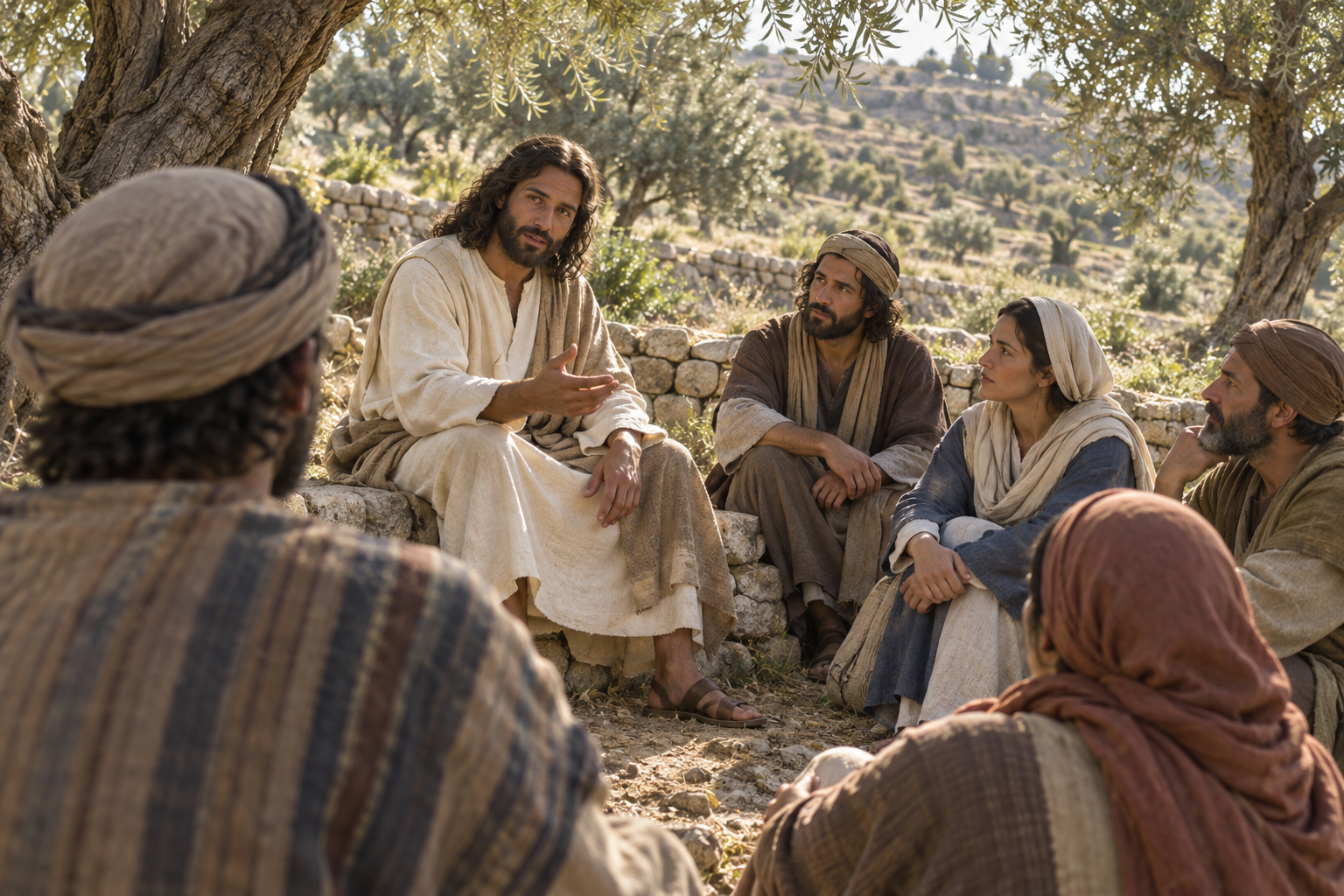
Jesus taught in synagogues, villages, homes, and open places. He spoke with authority because He did not merely repeat the opinions of teachers. He spoke as the One who knew the Father and had come to announce the truth.
His public ministry also included signs of mercy and authority. He healed sickness, freed people from oppression, and cared for those who came to Him. These works were not entertainment. They showed that the kingdom was breaking into a wounded world through its true King.
Jesus Calls People to Follow Him
Jesus called disciples to follow Him. He called fishermen, tax collectors, and other ordinary people. They did not become His disciples because they had already understood everything. They followed because Jesus called them.
Following Jesus meant leaving old loyalties behind and learning from Him. The disciples heard His teaching, watched His compassion, saw His authority, and slowly came to understand His identity. Their story reminds us that Christian growth is a walk of grace and obedience.
Jesus still calls people through the gospel. A disciple is not simply someone who knows facts about Christ. A disciple trusts Him, listens to His words, turns from sin, and learns to live under His lordship. You can read more about what Jesus preached as you consider that call.
Jesus Teaches the Kingdom of God
The kingdom of God was at the centre of Jesus’ teaching. He taught people to seek God’s kingdom, repent of sin, trust the Father, love their neighbours, forgive others, and live with hope. His teaching was both comforting and searching.
Jesus used parables, commands, questions, warnings, and promises. He spoke to the poor, the proud, the religious, the guilty, and the curious. He welcomed those who came to Him, but He never softened the truth to make sin seem harmless.
His teaching calls for a whole-life response. The Beatitudes in Luke show the kind of heart Jesus blesses. He forms a people who depend on God, show mercy, hunger for righteousness, and keep following Him when obedience is costly.
Jesus Shows Compassion and Authority
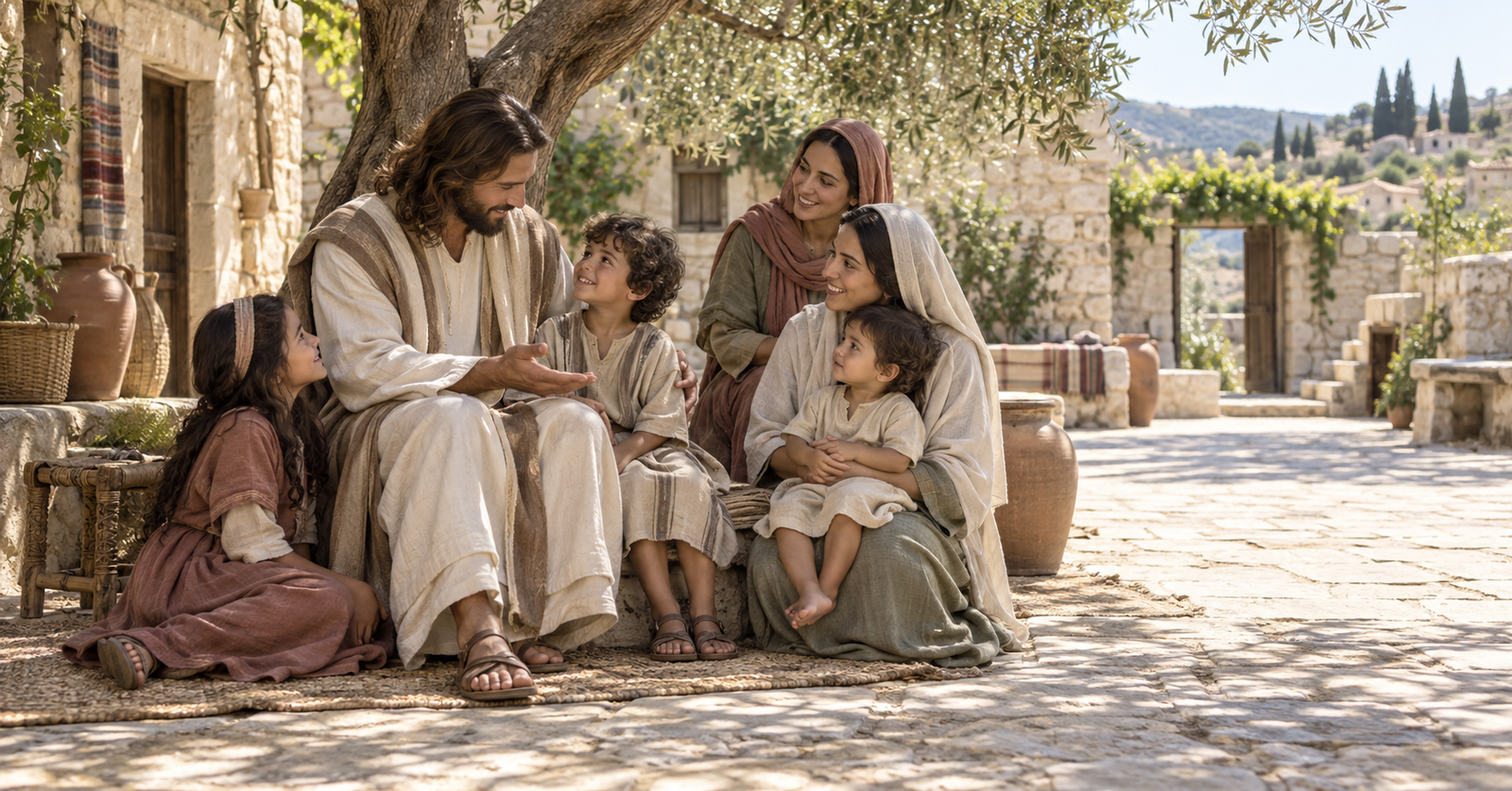
The life of Jesus brings together compassion and authority. He saw people who were sick, hungry, grieving, ashamed, or pushed aside. He did not treat them as interruptions. He moved toward them with mercy.
Jesus also had authority over sickness, nature, demons, sin, and death. His miracles supported His message and revealed His identity. They were signs that pointed beyond the immediate need to the greater salvation He came to give.
Jesus’ compassion was never weak approval of sin. He received sinners so that they could be forgiven and changed. He spoke truth with love. He called people to faith and repentance, then gave them hope in the grace of God.
Jesus Prays and Obeys the Father
Jesus often prayed. The Gospels show Him praying early in the morning, withdrawing from crowds, giving thanks, and seeking the Father’s will. Prayer was not a performance for Jesus. It belonged to His life of loving obedience.
Jesus was fully God, yet He also lived as a true man who trusted the Father. He faced hunger, weariness, rejection, sorrow, and temptation without sin. His obedience was active and faithful, even when the path led toward suffering.
His prayerful life teaches us that strength is not found in self-reliance. Believers can bring fear, need, and joy to God. We follow Jesus by trusting the Father, obeying Scripture, and asking for grace to remain faithful.
Jesus Goes to the Cross
Jesus’ life moved toward Jerusalem and the cross. He knew that suffering awaited Him, yet He did not turn away from the Father’s will. He was betrayed, falsely accused, mocked, beaten, and crucified.
The cross was not an accident that defeated Jesus. He gave Himself willingly for sinners. The holy Son took the place of the guilty so that those who trust Him can receive forgiveness and peace with God. His death was the fulfilment of Scripture and the centre of the gospel.
We must not reduce the cross to an example of courage. Jesus died for our sins. He bore judgment and opened the way to reconciliation. His suffering shows both the seriousness of sin and the depth of God’s love.
Jesus Rises From the Dead
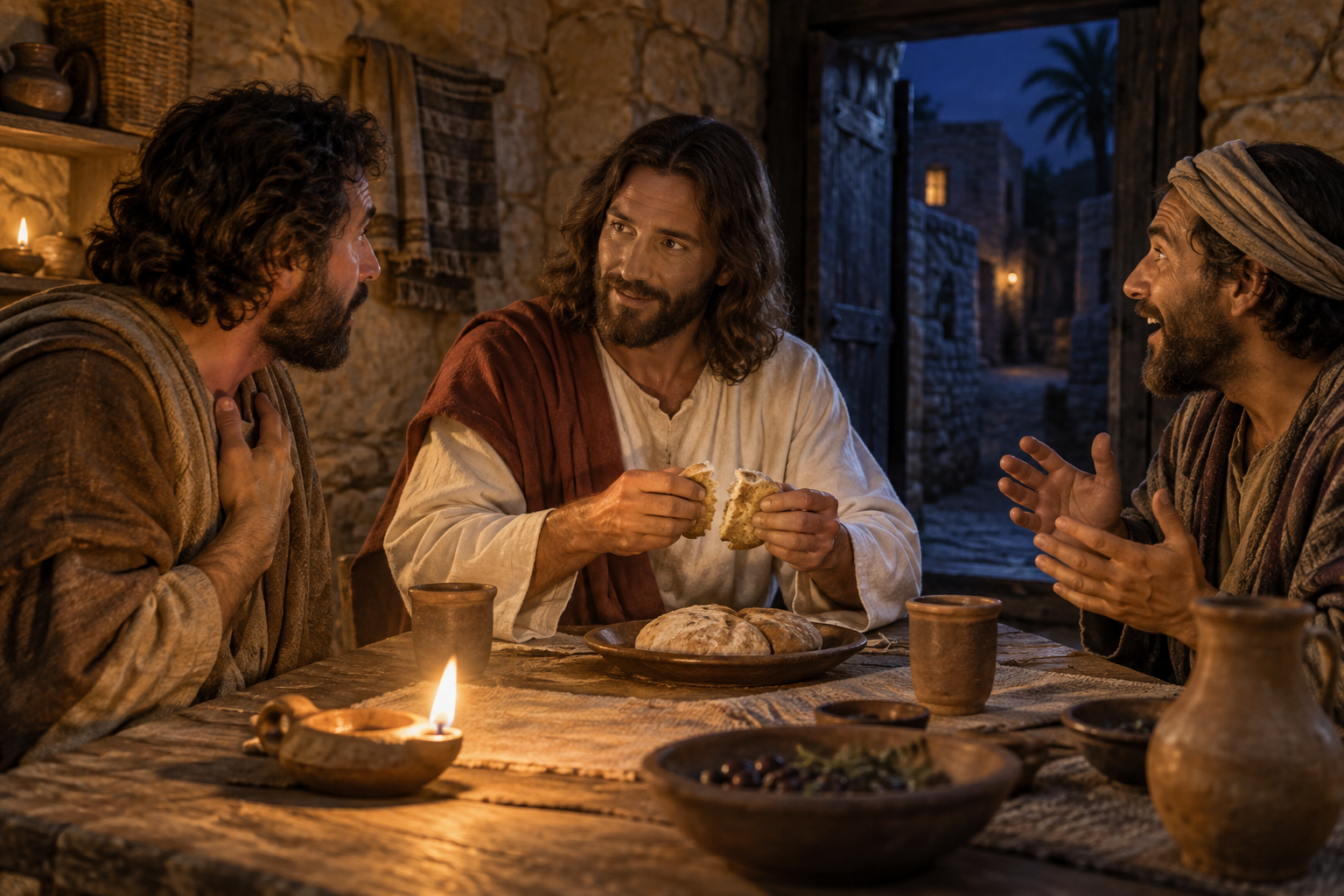
Jesus was buried, but death did not hold Him. The New Testament declares that Christ died for our sins, was buried, and was raised on the third day according to the Scriptures. He appeared to Peter, the apostles, and many other witnesses. 1 Corinthians 15:3-8 calls this message a matter of first importance.
The resurrection was bodily and real. Jesus was not only remembered by His friends, and the disciples were not asked to build hope on a private feeling. The risen Lord met witnesses, spoke with them, and showed that He had conquered death.
Because Jesus lives, His saving work is complete and His promises are trustworthy. Those who belong to Him have forgiveness now and the hope of resurrection. The risen Christ is not a figure from the past. He is the living Lord who calls people to faith today.
Jesus Sends His People and Ascends
After His resurrection, Jesus continued to teach His disciples and commissioned them to bear witness. He did not leave them with a vague message about being kind. They were to proclaim the gospel and make disciples in His name.
Acts records that Jesus ascended into heaven. His ascension did not mean that He stopped being active. He reigns as Lord, intercedes for His people, and will return according to God’s promise. The church lives between His resurrection and His return.
Acts 1:1-11 connects the risen Jesus to the mission of His people. Christians testify about Him by the power of the Holy Spirit, trusting that the same Jesus who ascended is the Savior and King.
What Jesus’ Life Means for Salvation Today
Jesus’ life matters because He came to save sinners. His perfect obedience, sacrificial death, and victorious resurrection are the ground of salvation. We do not save ourselves by copying Jesus well enough. We receive salvation by trusting the Jesus who gave Himself for us.
The Bible calls people to repent and believe. Repentance means turning from sin toward God. Faith means resting on Jesus Christ, not on our record, feelings, family, or religious activity. He is Lord, and He is able to forgive everyone who comes to Him.
Jesus also gives new life. He does not merely improve our reputation. He reconciles us to God and begins to change our desires and actions. The Christian life grows from the finished work of Christ and looks forward to the day when He makes all things new.
How Can We Follow Jesus in Daily Life?
Begin with the truth about Jesus. Read the Gospels and ask God to help you see Christ clearly. Admit your sin, believe that He died and rose again, and confess Him as Lord. Christian faith starts with Jesus, not with self-improvement.
Then follow Him in ordinary choices. Listen to Scripture, pray, tell the truth, forgive, serve, resist temptation, and care for people who are easy to ignore. Obedience does not purchase God’s love. It is the grateful fruit of belonging to Jesus.
Stay close to a faithful church and wise Christian friends. You can also use Christian wisdom for daily life as you seek to apply biblical truth with patience. Following Jesus is a lifelong walk, and His grace is sufficient for each step.
Frequently Asked Questions
What does the Bible say about Jesus’ life?
The Bible presents Jesus Christ as the eternal Son of God who became man. It tells us about His birth, His growth in Nazareth, His public ministry, His teaching and miracles, His death for sinners, His bodily resurrection, and His ascension. The Gospels show that every part of His life serves His saving mission.
Where did Jesus spend His early years?
Jesus was born in Bethlehem, but He grew up in Nazareth with Mary and Joseph. Luke records one event from His childhood, when He was twelve and spoke with teachers in the Jerusalem temple. Scripture gives few details about the hidden years, so we should not add stories that the Bible does not tell.
What did Jesus do during His public ministry?
Jesus announced the kingdom of God, called people to repent and believe, taught with authority, called disciples, welcomed the needy, healed the sick, cast out demons, and showed mercy. His works were signs of His authority and pointed people to His identity as the promised Savior and Son of God.
Why did Jesus die on the cross?
Jesus died on the cross for the sins of His people, according to the Scriptures. He gave Himself willingly, bearing judgment in the place of sinners. His death was not a tragic accident or a defeat. It was the central act of redemption that makes forgiveness possible for those who trust Him.
Did Jesus rise from the dead?
Yes. The Bible teaches that Jesus was buried and raised on the third day. He appeared to Peter, the apostles, and many other witnesses. His resurrection confirms that He conquered death, that His sacrifice was accepted, and that He is the living Lord who gives eternal life.
Bible Passages for Reading About Jesus’ Life
Read these passages slowly and ask what they show about the identity, mission, authority, death, resurrection, and reign of Jesus Christ.
- John 1:1-18 teaches that the eternal Word became flesh.
- Luke 2:41-52 records Jesus at twelve in the temple.
- Mark 1:14-39 shows the beginning of His Galilean ministry.
- Matthew 16:13-17 records Peter’s confession of Jesus as the Christ.
- 1 Corinthians 15:3-8 summarizes the death and resurrection gospel.
- Acts 1:1-11 connects the risen Jesus to His ascension and mission.