
What does a Jesus Christ prayer look like? The Bible shows us more than a list of words. It shows us the Son of God speaking to the Father with reverence, trust, love, and willing obedience. Jesus prayed in quiet places, in public with His disciples, and in the darkest hour before the cross.
Jesus also teaches His people how to pray. He brings us to the Father, gives us words for praise and daily needs, and calls us to forgive others. Christian prayer is not a way to control God. It is a humble response to the God who has made a way for sinners to come near through Jesus Christ.
What Does Jesus Christ Prayer Mean?
Jesus Christ prayer can mean prayer that follows Jesus’ teaching, prayer offered through His name, and prayer that looks to Him as Savior and Lord. It is not a magic phrase. It is a real conversation with the living God, shaped by the truth of the Bible.
Jesus taught His disciples to pray to “our Father in heaven” (Matthew 6:9). This shows both closeness and reverence. God is not a distant force. He is the holy Father who knows His children and welcomes those who come through Christ. At the same time, prayer is not casual self-expression without truth. We come before the King.
Scripture gives a helpful pattern. We praise God for who He is, thank Him for His mercy, confess our sin, ask for what we need, and pray for the good of other people. We listen to God by opening His Word and then answer Him with faith. For a wider look at Christian devotion, see our Christian prayers, worship, and devotion guide.
Prayer also makes more sense when we remember the whole life and ministry of Jesus. He is not a distant name used at the end of a sentence. He is the living Lord who teaches, saves, intercedes, and calls His people to follow Him.
Why Did Jesus Pray If He Is God?
The Bible teaches that Jesus Christ is truly God and truly man. He is the eternal Son who became flesh for our salvation. His prayers do not deny His divinity. They show His perfect relationship with the Father and His real human life among us.
Jesus prayed because He came to do the Father’s will. He received His mission from the Father and obeyed Him in every part of His earthly life. He also prayed as the true human representative of His people. He felt hunger, tiredness, sorrow, and pain. In all of this, He trusted the Father without sin.
Jesus’ prayer life also teaches us dependence. If the sinless Son gladly prayed, we should not treat prayer as an emergency button or a religious performance. We need God every day. Jesus shows us that prayer is not weakness. It is the right response of a creature to the Creator and of a redeemed child to a loving Father.
A clear Christian explanation of this question also points to Jesus’ full humanity and full divinity. Read this Bible teaching on why Jesus prayed, then test every explanation by the authority of Scripture.
His prayers point to the Gospel. Jesus did not remain only a teacher. He gave His life on the cross for sinners and rose again. Because He lives, those who trust Him have a living Savior who brings them to God.
What Did Jesus Teach in the Lord’s Prayer?
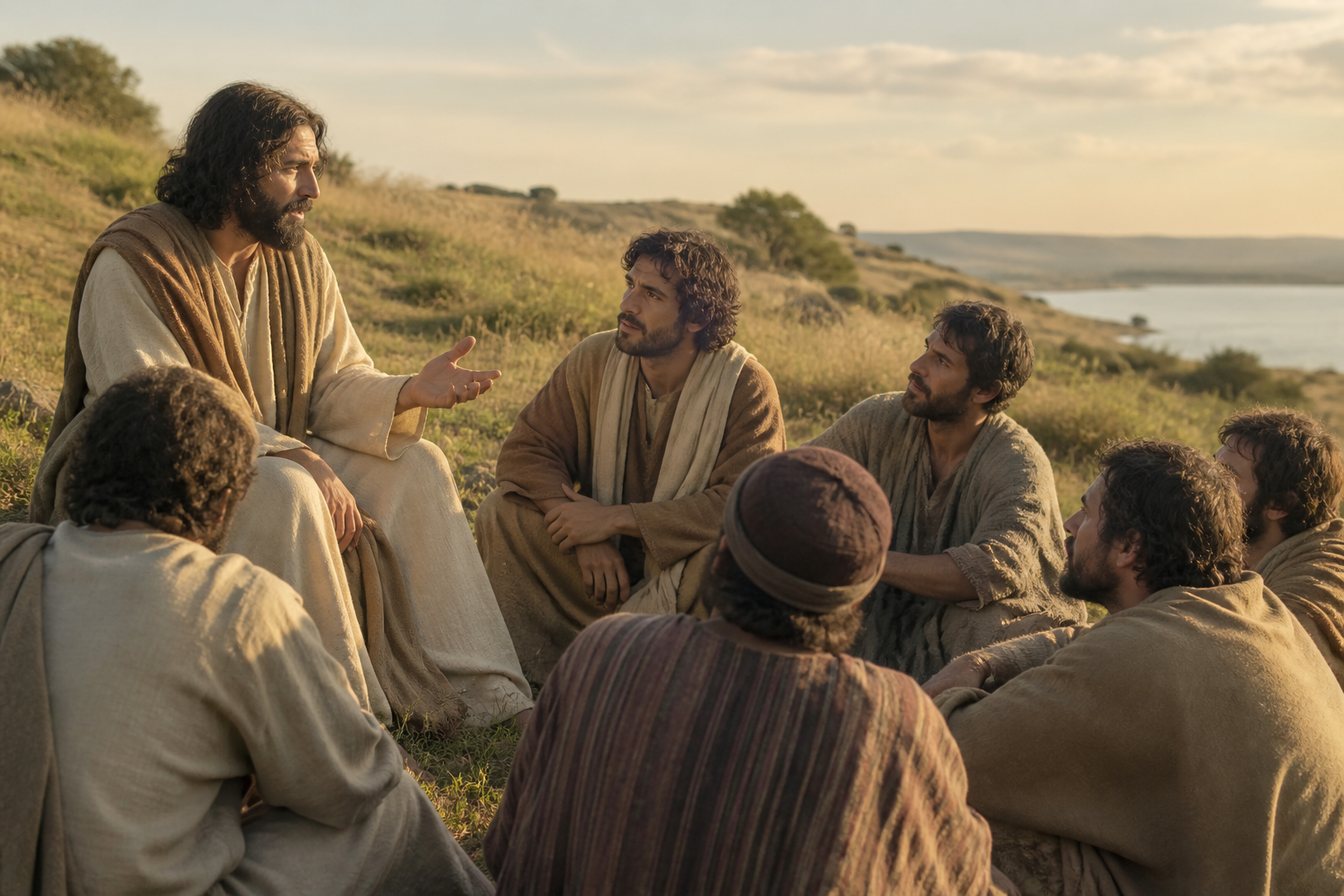
In Matthew 6:5-13, Jesus teaches a pattern for prayer. He warns against praying only to be admired. He also warns against empty repetition that treats many words as a way to force God’s hand. The Father already knows what His children need. You can read the passage in Matthew 6:5-13.
The Lord’s Prayer begins with God: “Our Father in heaven, hallowed be your name.” Then it asks for God’s kingdom and will. Only after these requests does it ask for daily bread, forgiveness, and protection from temptation and evil. The order teaches us to place our lives inside God’s larger purpose.
The prayer is both personal and shared. Jesus says “our Father,” not only “my Father.” Christians pray as members of Christ’s people. We bring individual needs, but we do not forget the church, the poor, the suffering, our enemies, or the spread of the Gospel.
BibleProject’s guide to the Lord’s Prayer also highlights how Jesus joins God’s purposes with ordinary needs. This helps new believers. Prayer does not require impressive language. It requires a heart that turns toward God in faith.
What Should Come First in a Jesus Christ Prayer?
Jesus teaches us to begin with God’s name, kingdom, and will. To ask that God’s name be hallowed is to ask that He be known, honored, and treasured as holy. This request corrects our self-centered instincts. We often begin with what we want God to change for us. Jesus begins with who God is.
To pray for God’s kingdom is to ask for the rule of God to be seen in the world and in our own lives. We ask God to save people, strengthen the church, defeat evil, and make us willing servants. To pray for God’s will is not to become passive. It is to trust that His wisdom is better than ours and to obey what He has already said in Scripture.
Jesus is central to every part of this prayer. He is the promised King who brings God’s kingdom. He is the obedient Son who perfectly did the Father’s will. He is the risen Lord who sends His people to announce the Gospel. A prayer focused on Jesus will never treat God as a tool for personal success.
How Can Christians Bring Daily Needs to God?
The Lord’s Prayer asks for daily bread. This includes ordinary needs such as food, work, shelter, strength, wisdom, and help for today. God cares about these needs, and Jesus invites us to bring them without shame. We do not have to pretend that we are stronger than we are.
Jesus also teaches us to ask for forgiveness and to forgive our debtors. We confess our sins because God is holy. We receive forgiveness because Jesus died in the place of sinners and rose again. We do not earn the Father’s welcome by forgiving others, but forgiven people learn to release revenge and seek peace.
Finally, we ask God not to lead us into temptation and to deliver us from evil. This is a prayer for watchfulness. We should not trust our own strength. Ask God to expose false desires, protect you from harmful choices, and help you resist the devil. He is faithful to keep His people, but He also calls us to flee sin and walk in obedience.
Paul gives a similar invitation in Philippians 4:6-7 and 1 John 5:14-15. Bring requests with thanksgiving, and ask according to God’s will. These promises do not make Christians free from trouble. They teach us where to carry trouble.
What Does It Mean to Pray in Jesus’ Name?
Jesus tells His disciples to ask in His name (John 14:13-14). Praying in Jesus’ name does not mean adding a religious ending to any request. It means coming to the Father because of Jesus, under His authority, and in a way that agrees with His character and will.
Jesus is the one mediator between God and humanity. His death removes the guilt of everyone who trusts Him. His resurrection proves that His saving work is accepted. We do not approach God because our prayers are polished. We approach because Christ is worthy and because He gives access to the Father.
Praying in Jesus’ name also changes what we ask. A request for revenge, pride, or sin cannot honestly claim the authority of Jesus. A request for holiness, wisdom, mercy, healing, daily provision, or boldness in witness may be brought with confidence, while still submitting the result to God’s wisdom. Read this Scripture passage about Jesus’ name and mediation slowly and carefully.
How Did Jesus Pray in Suffering?
In Gethsemane, Jesus prayed before His arrest and crucifixion. He asked the Father if the cup of suffering could pass from Him, yet He submitted Himself by saying, “not as I will, but as you will.” His prayer was honest about pain and perfectly obedient at the same time.
Matthew 26:36-46 shows that Jesus did not pretend the cross was easy. He was deeply sorrowful. Yet He did not run from the Father’s plan. He trusted God and went forward to lay down His life. The account is recorded in Matthew 26:36-46.
This gives Christians a safe pattern for hard prayer. Tell God what hurts. Ask for help and deliverance. Do not call evil good, and do not hide your grief behind religious words. Then place the outcome in the hands of the Father. Submission is not hopelessness. It is confidence that God is wise, holy, and present.
Jesus’ suffering prayer leads to the cross and the empty tomb. He died for sin, defeated death, and rose bodily. Christian hope does not rest on getting every request we make. It rests on the Lord who gave Himself for us and now reigns alive.
Can You Pray When You Feel Unworthy?

Yes. If you wait until you feel worthy, you will never pray with peace. The good news is that Jesus welcomes sinners who turn to Him. Hebrews teaches that believers can draw near to God’s throne of grace because Jesus is our great high priest. We come honestly, not proudly.
Guilt can make us hide, but the Gospel calls us into the light. Confess your sin to God. If another person was harmed, take wise responsibility. Ask for help when a pattern is strong. Then trust the promise of Christ, not the strength of your emotions. Jesus’ blood is sufficient for the believer’s cleansing.
A prayer from an unworthy person can be a faithful prayer when it rests on the worthy Savior. The man who cried, “Lord, have mercy,” was not turned away. The tax collector who asked God for mercy went home justified. Jesus does not bless proud religious performance. He receives the humble.
How Do Scripture and Prayer Work Together?
Prayer and Scripture belong together because prayer is a response to God’s truth. The Bible tells us who God is, what He has done, what He promises, and how He calls us to live. As you read, turn the words into praise, confession, requests, and obedience.
For example, when you read that God is holy, praise Him and ask for a clean heart. When you read a promise of forgiveness, thank Him and confess your sin. When you read a command to love your enemies, ask for grace to obey. When you read about Jesus’ death and resurrection, worship the Savior and ask for courage to tell others.
This protects us from making prayer only about our feelings. Feelings matter, but they change. God’s Word is steady. Our biblical wisdom guide can help you connect daily choices with Scripture. You can also read about what Jesus preached and let His call shape your prayers.
If you are new to prayer, this beginner guide to prayer offers practical questions to consider. Use helpful teaching as a servant, but keep returning to the Bible and to Jesus Christ Himself.
Should Christians Pray Alone and With Others?
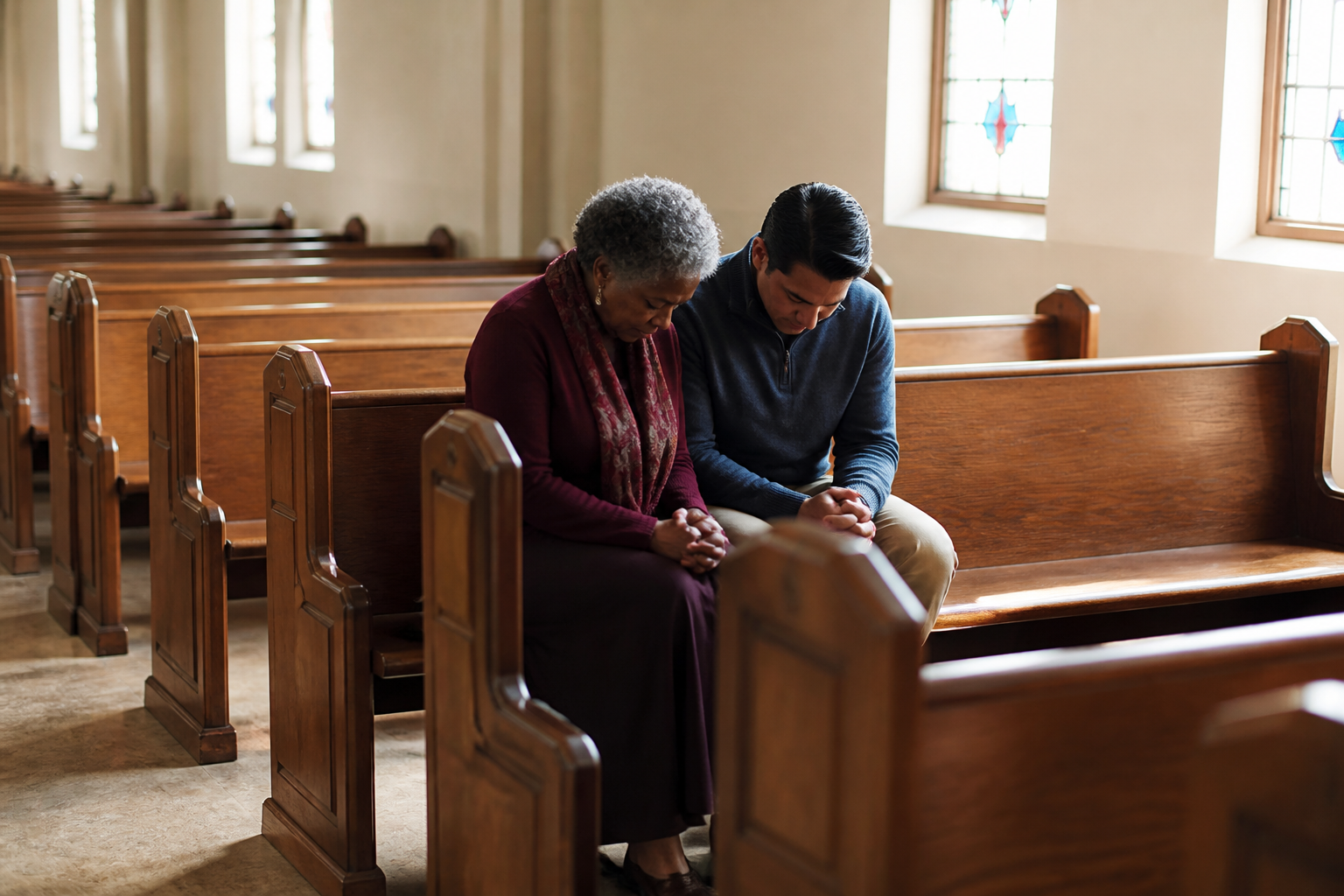
Jesus teaches private prayer in Matthew 6:6. A quiet place helps us speak honestly before God without trying to impress other people. Private prayer is not a performance. It is time with the Father who sees what is hidden.
Jesus also prayed with His disciples and taught them to pray together. The early church devoted itself to prayer, teaching, fellowship, and the breaking of bread. Christians need both personal communion with God and the encouragement of the church.
Ask other believers to pray for you when you are weak. Pray for your church leaders, your family, your enemies, the sick, people who are suffering, and those who have not heard the Gospel. Shared prayer teaches us to carry one another and to look beyond our own concerns.
Prayer with others should remain reverent and truthful. It should not become a way to expose someone’s private pain, control a group, or display spiritual status. Let the name of Jesus be honored, and let love guide your words.
A Simple Jesus Christ Prayer for Each Day
You do not need special language to begin. You can use the Lord’s Prayer as your guide and speak plainly. The following is a short example. It is not a Bible verse, and it is not a formula. Let it lead you toward your own honest words.
Father in heaven, Your name is holy. Thank You for sending Jesus Christ, Your Son and my Savior. Because He died for my sins and rose again, please forgive me and help me walk in the light. Give me what I need today. Teach me to obey Your Word, forgive others, resist temptation, and love people well. Let Your kingdom be seen in my life. I ask in the name of Jesus, trusting Your wisdom and will. Amen.
After you pray, open the Bible and obey the next clear command God gives you. Prayer is not an escape from faithfulness. It strengthens us to follow Jesus in real life. Keep returning to the Lord when you fail, when you rejoice, and when you do not know what to do.
Jesus Christ is not far from His people. He is the divine Son of God who became man, died for sinners, rose again, and reigns as Lord. Come to the Father through Him with confidence, humility, and hope.
Frequently Asked Questions About Jesus Christ Prayer
How should I begin a Jesus Christ prayer?
Begin by turning to God through Jesus Christ. Praise God for who He is, confess your sins, thank Him for the Gospel, and ask for what you need. You can use the Lord’s Prayer in Matthew 6:9-13 as a simple guide.
Did Jesus pray to Himself?
No. Jesus prayed to God the Father. The Bible also teaches that Jesus is the eternal Son of God who became truly human. His prayers show His relationship with the Father and His perfect obedience during His earthly mission.
What does praying in Jesus’ name mean?
It means coming to God because of Jesus and asking in a way that agrees with His character and will. It is not a magic phrase that makes every selfish request succeed.
Can I pray when I have sinned?
Yes. Confession is one reason to pray. Jesus died and rose again so that repentant sinners can receive forgiveness. Come honestly, receive His mercy, and take wise steps of obedience and repair.
What should I do when God does not answer as I expect?
Keep praying with faith and submit the result to God’s wisdom. Scripture invites honest requests, but it does not promise that every request will be answered in the way or time we want. Trust the Father and keep following Jesus.