
What Is a Zacchaeus Sermon?
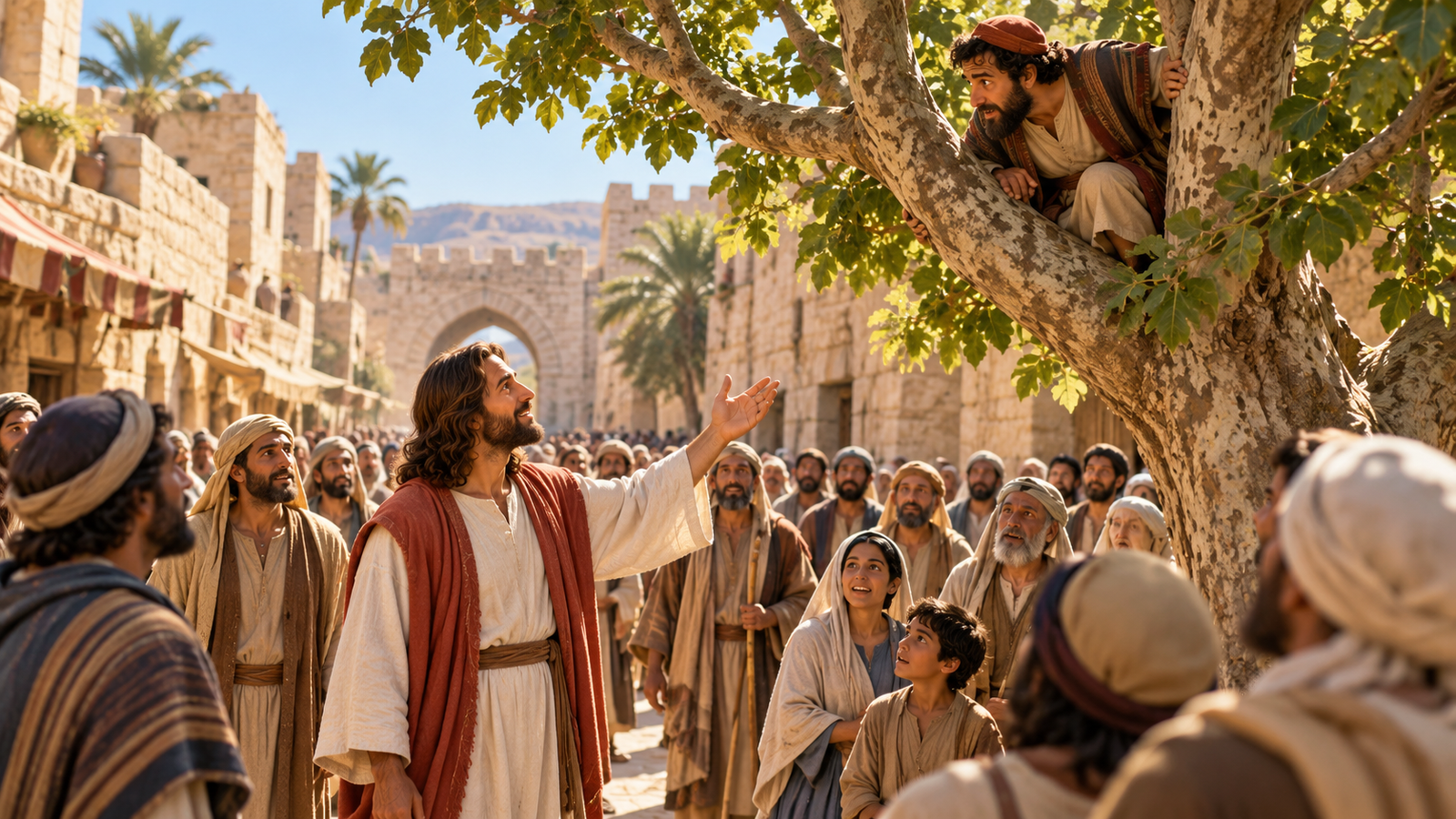
A Zacchaeus sermon explains the meeting between Jesus and Zacchaeus in Luke 19:1-10. Zacchaeus was a chief tax collector and was rich. He wanted to see Jesus, but the crowd and his short stature made that difficult, so he climbed a sycamore tree. Jesus stopped, called him by name, and said that He must stay at Zacchaeus’s house. The story ends with Jesus declaring that salvation had come to the house because the Son of Man came to seek and save the lost. Read the full passage at Luke 19:1-10. This is more than a lesson about being kind or brave. It is a Gospel story. Jesus Christ is Lord and Savior. He sees a sinful person, moves toward him, calls him to Himself, and produces a changed life. A faithful zacchaeus sermon should therefore show both the mercy of Jesus and the seriousness of repentance. It should lead us to trust the authority of the Bible and to worship the risen Christ.
Who Was Zacchaeus in the Bible?
Luke gives us four clear facts. Zacchaeus was in Jericho. He was a chief tax collector. He was rich. He was also short, which made it hard for him to see Jesus through the crowd. The Bible does not ask us to fill in details that it does not give. We should not invent a full biography or claim to know every part of his past. We can say what the text says and let its words search our own hearts. The crowd later called Zacchaeus a sinner. That public reputation helps explain why people grumbled when Jesus chose to stay at his house. Yet Zacchaeus was not outside the reach of divine mercy. The same Lord who knew his public name also knew his private need. Scripture often shows that outward respectability cannot save us, while a person who humbly comes to Christ can receive grace. The story connects naturally with the life and ministry of Jesus. Jesus did not merely give advice from a distance. He came near to people who needed forgiveness. His holiness did not make Him afraid of sinners, and His welcome did not make Him approve sin. He came to rescue people from sin and bring them into fellowship with God.
Zacchaeus Wanted to See Jesus
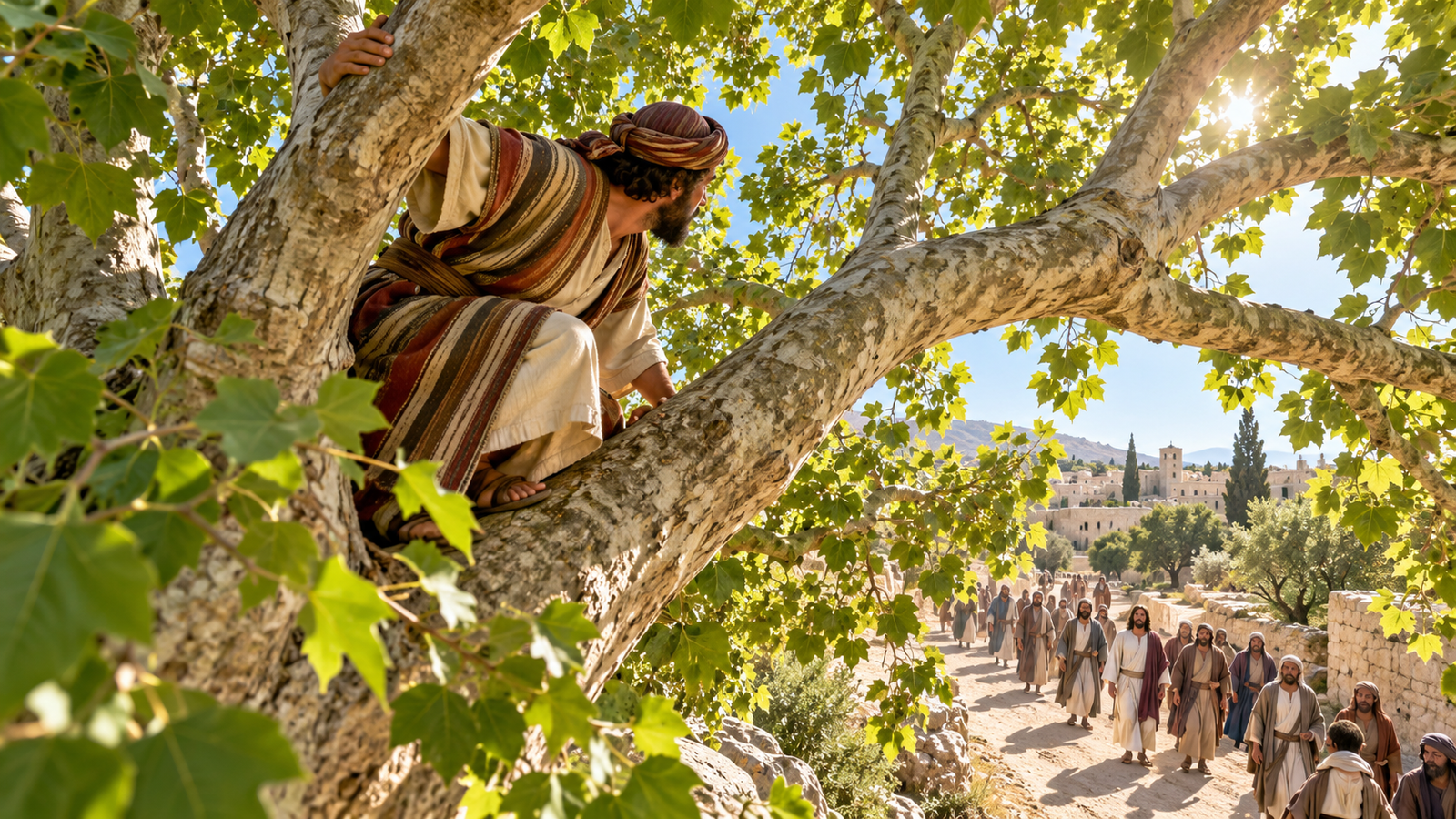
Zacchaeus made an effort to see Jesus. He ran ahead and climbed a sycamore tree. The detail is simple, but it is important. He did not stay hidden behind the crowd. He wanted to know who Jesus was, and he accepted the embarrassment of climbing where everyone could see him. His desire did not save him by itself, but it put him where he could hear the call of Christ. Many people are curious about Jesus, but curiosity must become a response to His Word. A person may read a Gospel, attend a church service, or search for answers online. Those steps are useful, but the central question is whether we will receive Jesus as He truly is. He is not only an inspiring teacher. He is the divine Son, the promised Savior, and the risen Lord. A good zacchaeus sermon invites honest seeking. Bring your questions to Scripture. Ask God for mercy. Do not let pride, fear, a painful past, or the opinion of a crowd keep you from listening to Jesus. He is worthy of more than a passing glance.
Jesus Called Zacchaeus by Name
When Jesus reached the tree, He looked up and called, “Zacchaeus, hurry and come down.” Jesus already knew the man’s name. His call was personal, urgent, and gracious. Zacchaeus had been looking for Jesus, but Jesus was seeking Zacchaeus first. The Lord’s initiative is one of the great comforts in this passage. Salvation begins with God’s mercy, not with human achievement. Jesus then said that He must stay at Zacchaeus’s house. This was not an accidental visit. It was a purposeful act of grace. The Lord knew the shame attached to Zacchaeus’s reputation, and He did not allow the crowd to decide whether this man could be approached. Jesus crossed the social distance in order to bring truth and salvation to a sinner. Christ still calls people through the Scriptures. His call is not a private voice that adds new doctrine. It is the clear invitation of the Gospel: repent and believe in Him. When His Word exposes sin and offers mercy, the right response is not delay. Zacchaeus came down quickly and received Jesus with joy.
Jesus Welcomed a Sinner
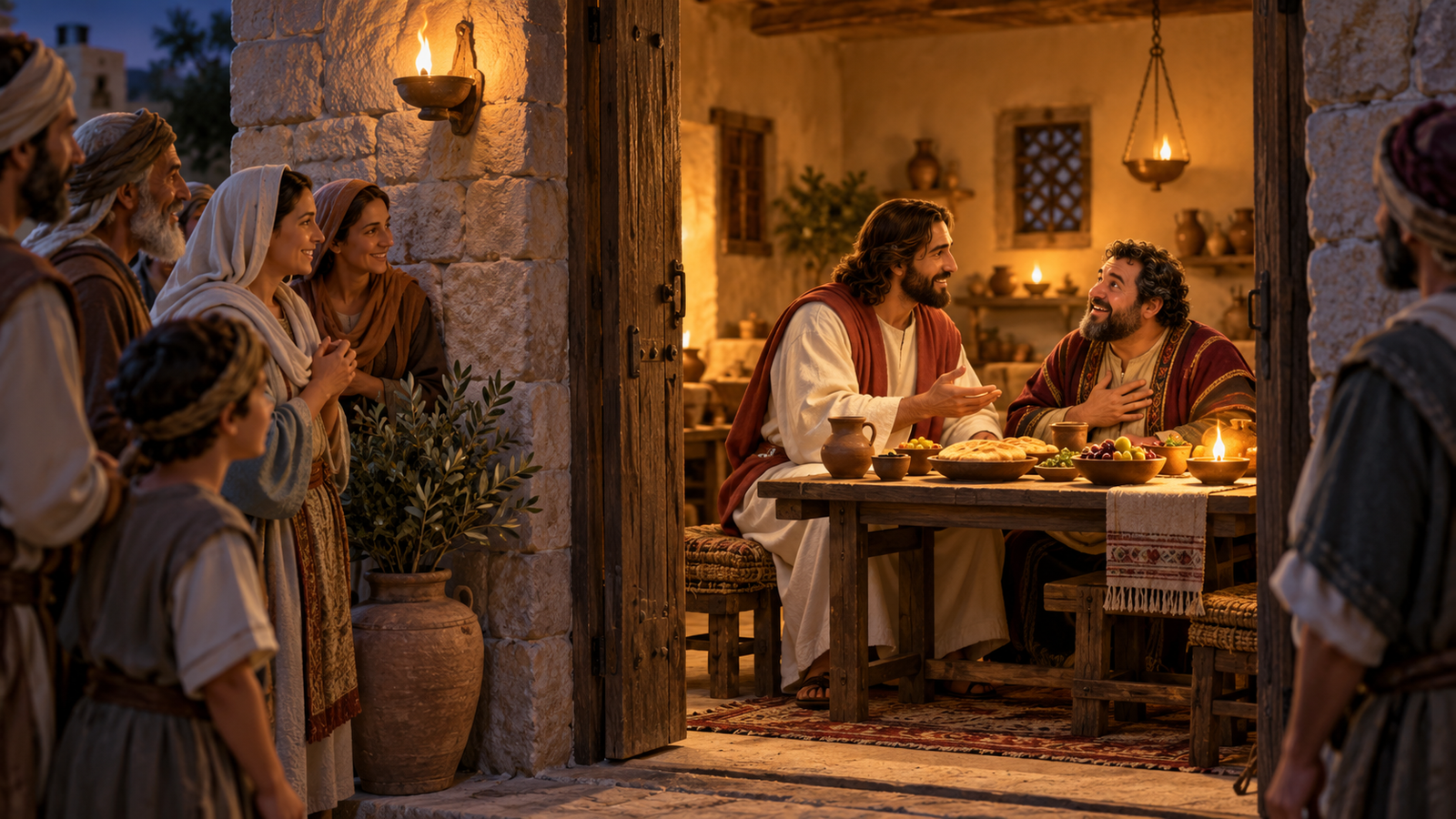
The crowd grumbled because Jesus had gone in to be the guest of a man they considered a sinner. Their complaint reveals a common human mistake. We can be very aware of another person’s sin and very unaware of our own need for grace. Jesus was not confused about Zacchaeus’s life. He was deliberately bringing salvation to someone who needed it. Jesus welcomed Zacchaeus without watering down holiness. He did not say that sin did not matter. His presence brought sin into the light and opened the way for repentance. The Lord can sit at a sinner’s table because He is the holy Savior who came to defeat sin, not because He accepts sin as harmless. This is why Christians should learn who Jesus the Son of God is. His welcome is stronger than social shame, but it is also more truthful than human approval. He receives repentant sinners, forgives them, and teaches them to walk in new obedience. His grace creates a new kind of life.
Zacchaeus Responded with Repentance
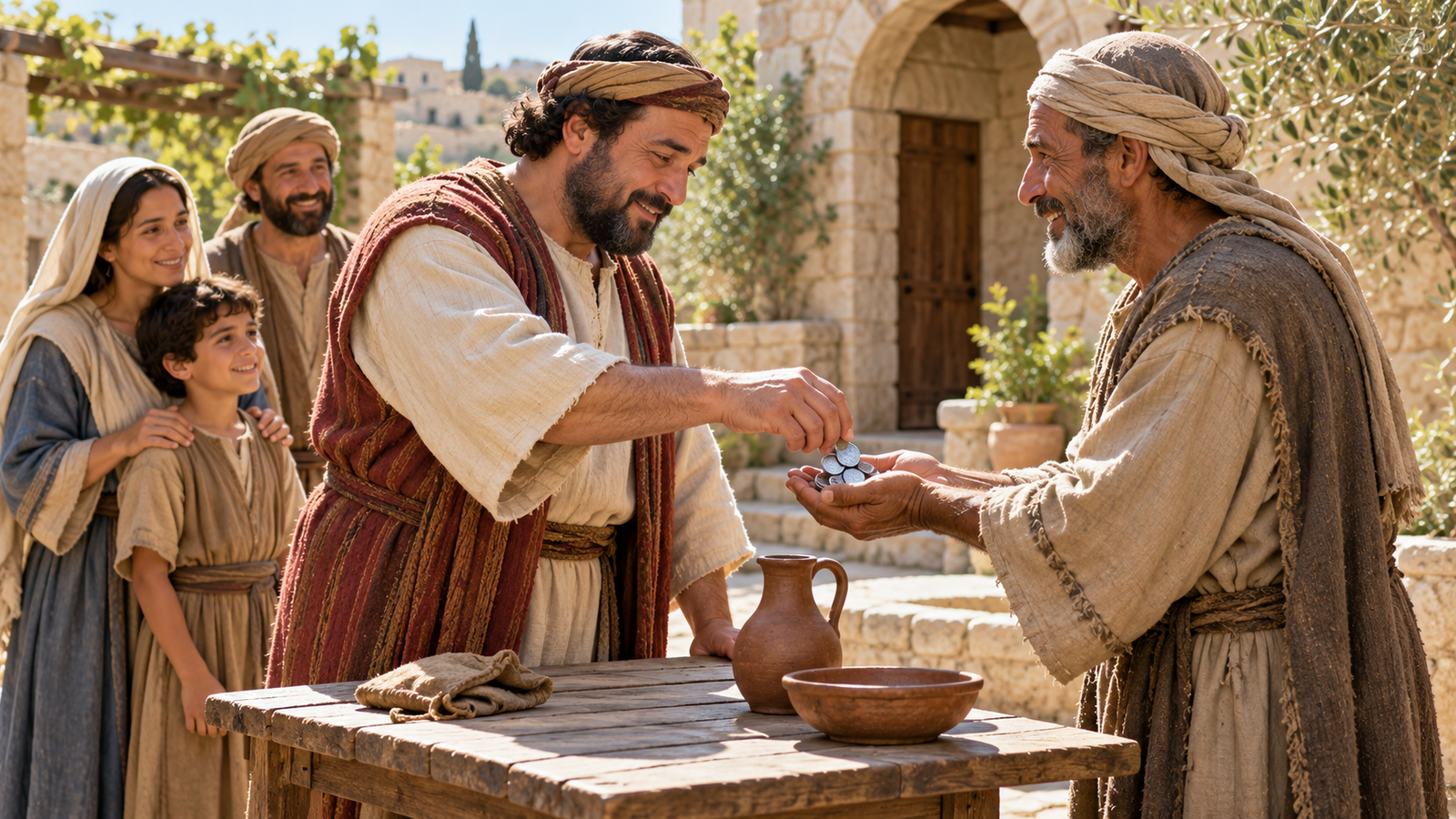
Zacchaeus stood and said that he would give half of his goods to the poor. He also said that if he had defrauded anyone, he would restore four times as much. His words were public and costly. He did not defend himself, blame the crowd, or make a vague promise to become nicer. He named a new direction that touched his money and his treatment of other people. The Bible calls this repentance. Repentance is not merely feeling bad. It is turning from sin toward God. A repentant person stops making peace with wrong and becomes willing to obey Jesus. Zacchaeus’s restitution did not purchase salvation. It showed that Jesus had changed what he loved and how he thought about his neighbour. The image of returned coins is useful because it makes repentance visible. Some wrongs can be repaired. Some words can be confessed. Some debts can be paid. Wisdom is needed, especially where contact could cause danger or further harm. Yet the basic principle remains: grace does not make us careless about the damage sin causes.
What Does Salvation Mean in This Story?
Jesus declared that salvation had come to Zacchaeus’s house. Salvation means rescue from sin and reconciliation with God. It is not simply better finances, a better reputation, or a happier afternoon. Jesus came to save people from guilt, judgment, and spiritual death. He accomplished salvation through His death on the cross and His bodily resurrection. Zacchaeus did not save himself by giving away possessions. The order matters. Jesus came to him, Jesus called him, and Jesus brought salvation. Zacchaeus responded with joy and repentance. The changed conduct was the fruit of grace, not a payment for grace. This protects the Gospel from two errors: thinking our works can earn God’s favour, or thinking real faith can remain completely unchanged. Paul explains the same truth in Ephesians 2:8-10. We are saved by grace through faith, and we are created in Christ Jesus for good works. Good works are not the root of salvation. They are the fruit that grows from a life made new by God.
Jesus Seeks and Saves the Lost
Jesus ended the encounter with a mission statement: the Son of Man came to seek and to save the lost. This explains why He stopped for Zacchaeus. Jesus was not collecting interesting stories or trying to win a popularity contest. He was fulfilling His saving mission. The lost are not people who merely need a little advice. They need the Savior. The word “lost” is humbling because it removes our claim to self-rescue. We can be wealthy, educated, religious, or admired and still be lost before God. Zacchaeus had resources, but he needed mercy. The Lord Jesus sees that need with perfect knowledge. He does not seek us because we are impressive. He seeks us because He is compassionate and because His saving purpose is sure. This promise also gives hope for people we have almost given up on. Pray for family members, neighbours, and public sinners without deciding that they are beyond Christ’s reach. We must not excuse evil or promise a particular outcome. We can proclaim the Gospel faithfully because the Savior still seeks the lost.
Grace Comes Before Changed Living
Luke 19 should be read beside the prayer of the tax collector in Luke 18. In that earlier parable, a tax collector stood far away, would not lift his eyes to heaven, and asked God for mercy. Jesus said that this humble man went home justified. Read Luke 18:9-14 and notice the contrast with the proud religious man in the same passage. Zacchaeus’s story has the same direction. He does not present a record of good deeds and ask Jesus to reward him. Jesus comes to him, and Zacchaeus receives Him with joy. Then his life begins to change. Humility receives grace. Grace produces repentance. Repentance becomes visible in love and obedience. This order matters in every Christian life. We do not clean ourselves up so that Jesus will accept us. We come to Jesus because we need cleansing. After He saves us, He teaches us to live differently. A faithful zacchaeus sermon keeps the focus on Christ rather than making the sinner’s effort the hero.
A Zacchaeus Sermon Calls Us to Humility
Zacchaeus had status and money, but he still had to climb down from the tree. He had to stand before Jesus and the crowd. He had to stop hiding behind his position. The Gospel calls every person to the same humility. We must admit that we are sinners and that we cannot make ourselves right with God. Humility is not self-hatred. It is truthful self-knowledge before a holy and merciful God. It allows us to confess sin without making excuses and to receive forgiveness without pretending that we deserve it. Because Jesus is Lord, humility also means listening when His Word corrects us. The opposite of humility is not only loud pride. It can also be quiet self-reliance. A person may appear gentle while secretly trusting money, reputation, morality, or religious activity. Zacchaeus reminds us that salvation is found in Jesus, not in the identity we build for ourselves.
A Zacchaeus Sermon Calls Us to Make Things Right
Zacchaeus did not treat repentance as a private feeling. He spoke about the people he had harmed and promised practical action. His example should make us examine our own relationships. Have we taken what did not belong to us? Have we lied, cheated, manipulated, or used authority selfishly? Have we damaged someone’s name and refused to correct the story? Making things right requires wisdom. A sincere apology should not become a way to demand comfort from the person who was hurt. Restitution should be honest and safe. In some cases, a trusted pastor or counsellor can help decide what a faithful next step looks like. Where direct contact could create danger, responsible guidance matters. James teaches that faith is shown by its works in James 2:14-18. Works do not replace faith, but living faith is not empty. It moves our hands, our words, our schedules, and our money toward obedience to God.
How Christians Should Welcome Changed People
The crowd saw Zacchaeus’s old reputation. Jesus saw the person He was bringing into salvation. Christians must be careful here. We should not ignore a person’s history, remove wise safeguards, or give positions of trust without testing character. Forgiveness is not the same as instant restoration to every role. At the same time, we must not keep a repentant person forever trapped in an old name. If Jesus has brought someone to repentance, the church should tell the truth about sin and also make room for the truth of grace. A changed person may need patient support, accountability, and time. That is different from permanent contempt. This is part of what Jesus preached. He called people to repentance, faith, mercy, and a life that honours God. A church can be both careful and welcoming. Christian wisdom for daily life helps believers apply these principles without becoming either naive or hard-hearted.
How to Apply Luke 19 Today
First, ask whether you have truly come to Jesus. Christian faith is not admiration for a Bible character or attendance at a religious event. It is trust in Jesus Christ, the divine Son of God who died for sinners and rose again. Turn from sin and receive the mercy He offers in the Gospel. Second, name the places where repentance needs to become practical. Ask God to show you dishonest habits, selfish use of money, proud speech, or harm you have ignored. Do not try to repair everything in one emotional moment. Take a wise, truthful step and seek help when needed. Third, refuse the crowd’s habit of writing people off. Pray for the lost, welcome honest repentance, and use your resources to love your neighbour. Finally, keep reading the Bible. Luke 19 is not a free-floating motivational story. It is part of the true account of the Lord Jesus and His saving work.
The Gospel Hope in Zacchaeus
The hope of Zacchaeus is the hope of the Gospel. Jesus still saves sinners. He does not wait for us to become worthy. He calls us in mercy, receives all who come to Him in faith, and begins the work of making us new. Paul describes this new life in 2 Corinthians 5:17: in Christ, the old has passed away and the new has come. That new life rests on the cross and resurrection. Jesus Christ is not only a gentle visitor who shares a meal. He is the Lord who laid down His life for His people, rose from the grave, and reigns in glory. His love is strong enough to forgive the worst sinner, and His holiness is strong enough to transform the person He saves. The promise of John 3:16 points us to God’s love in giving His Son so that believers may have eternal life. So let this zacchaeus sermon end where Luke ends: with confidence in the Savior who seeks and saves the lost. Come to Jesus, receive His grace, and walk in grateful obedience.
Frequently Asked Questions About Zacchaeus
What is the main message of the Zacchaeus sermon?
The main message is that Jesus seeks and saves the lost. Zacchaeus responded to Jesus with faith, repentance, and changed conduct, showing that saving grace produces a new direction in life.
What did Zacchaeus do when Jesus came to his house?
Zacchaeus welcomed Jesus joyfully. He then said he would give half of his possessions to the poor and repay four times anything he had taken wrongly, showing the fruit of repentance.
Was Zacchaeus saved because he gave money away?
No. The Bible teaches salvation by God’s grace through faith, not by works. Zacchaeus’s generosity was evidence of a changed heart after Jesus came to him.
What does Zacchaeus teach Christians about repentance?
Repentance turns a person toward Jesus and away from sin. It includes honest humility and a willingness to make right what can be made right, while trusting Christ for forgiveness.
How can I apply the Zacchaeus story today?
Come to Jesus with humility, receive His saving grace, confess sin, repair harm where possible, and live as a person who loves God and neighbour. Let Scripture guide your next faithful step.
Bible passages used:
