What Does Infant Jesus Church Mean?
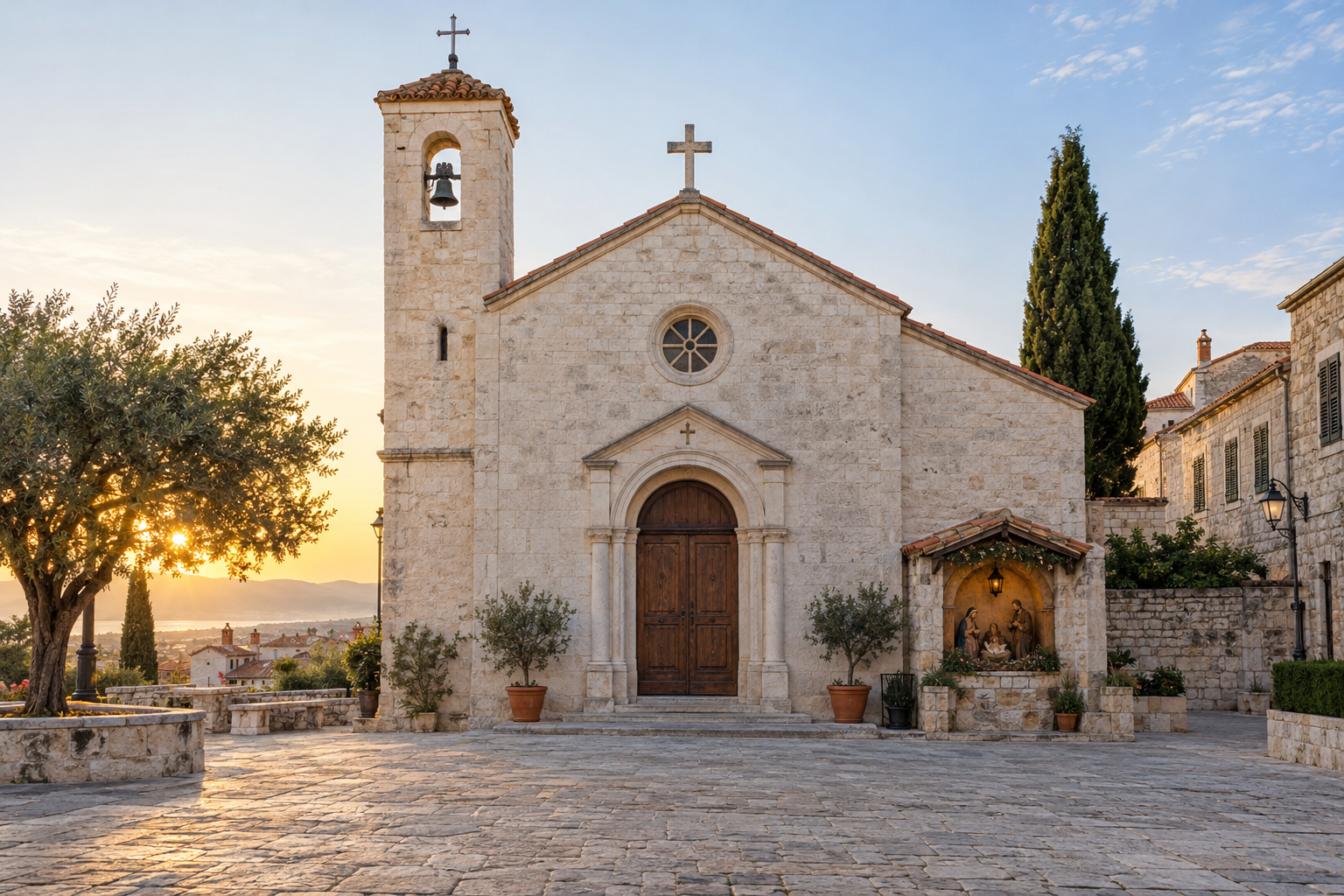
The phrase Infant Jesus Church may appear in the name of a local church, parish, chapel, school, or ministry. It points to a true part of the Christian story: the eternal Son of God became a real human baby. He entered our world in humility and was laid in a manger. He was cared for by Mary and Joseph, grew as a child, and lived among us as the promised Savior.
The name can be precious when it leads people to worship Jesus Christ. It can also become confusing if people treat the infant Jesus as a separate spiritual figure or stop thinking about His full mission. The baby in Bethlehem is the same Jesus who taught with authority, died for sinners, rose from the dead, and reigns as Lord.
This Biblical guide explains what the name means, what the Bible says about Jesus’ childhood, and how to evaluate any church that uses the name. Read alongside the life and ministry of Jesus so the manger stays connected to the Savior’s complete work. The final standard is not a sign, tradition, or personal impression. It is the Word of God, which directs us to Jesus Christ.
Is Infant Jesus Church One Denomination?
Infant Jesus Church is not, by the name alone, one worldwide denomination with one universal structure. Different local churches may use the name in different places and traditions. A name can tell you what a congregation wants to remember, but it does not tell you everything the congregation believes.
For example, the official website of Infant Jesus Church in Holingallur describes a local parish, its worship life, and its history. Its history page says that the community developed from an earlier local station and later received a church dedicated to Infant Jesus. That is useful information about one congregation. It should not be treated as a description of every church with the same name.
Before visiting or joining a church, read its statement of faith and listen carefully to its preaching. You can also compare its beliefs with the Christian churches and denominations guide. The question is whether this particular church is faithful to the Gospel and the Bible.
What the Bible Says About Jesus’ Birth
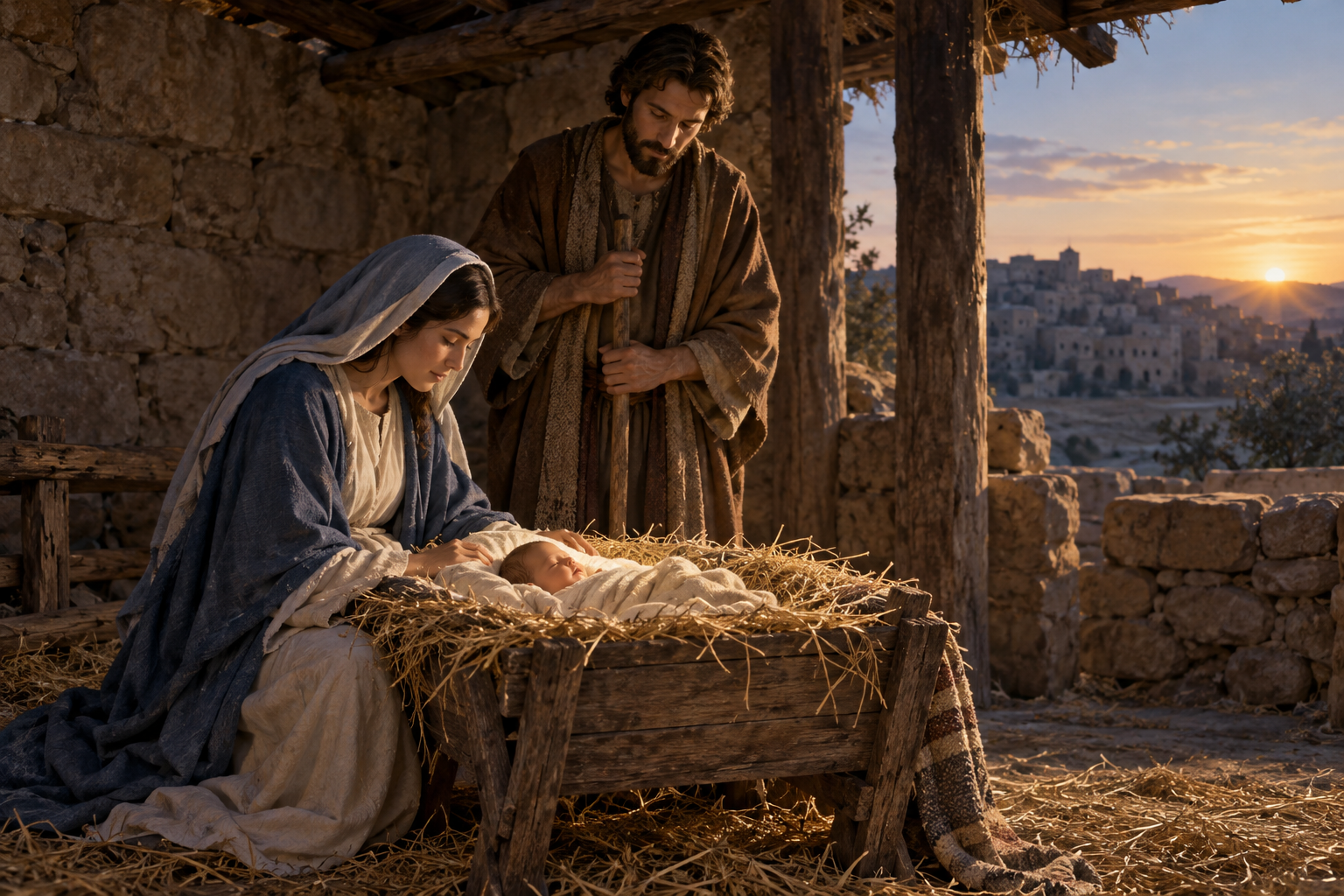
Matthew 1 and Luke 2 present Jesus’ birth as a real event in God’s plan. Mary conceived by the Holy Spirit. Joseph received God’s message and obeyed. Jesus was born in Bethlehem. Angels announced good news, shepherds came to see the child, and the child was identified as the Savior, Christ, and Lord.
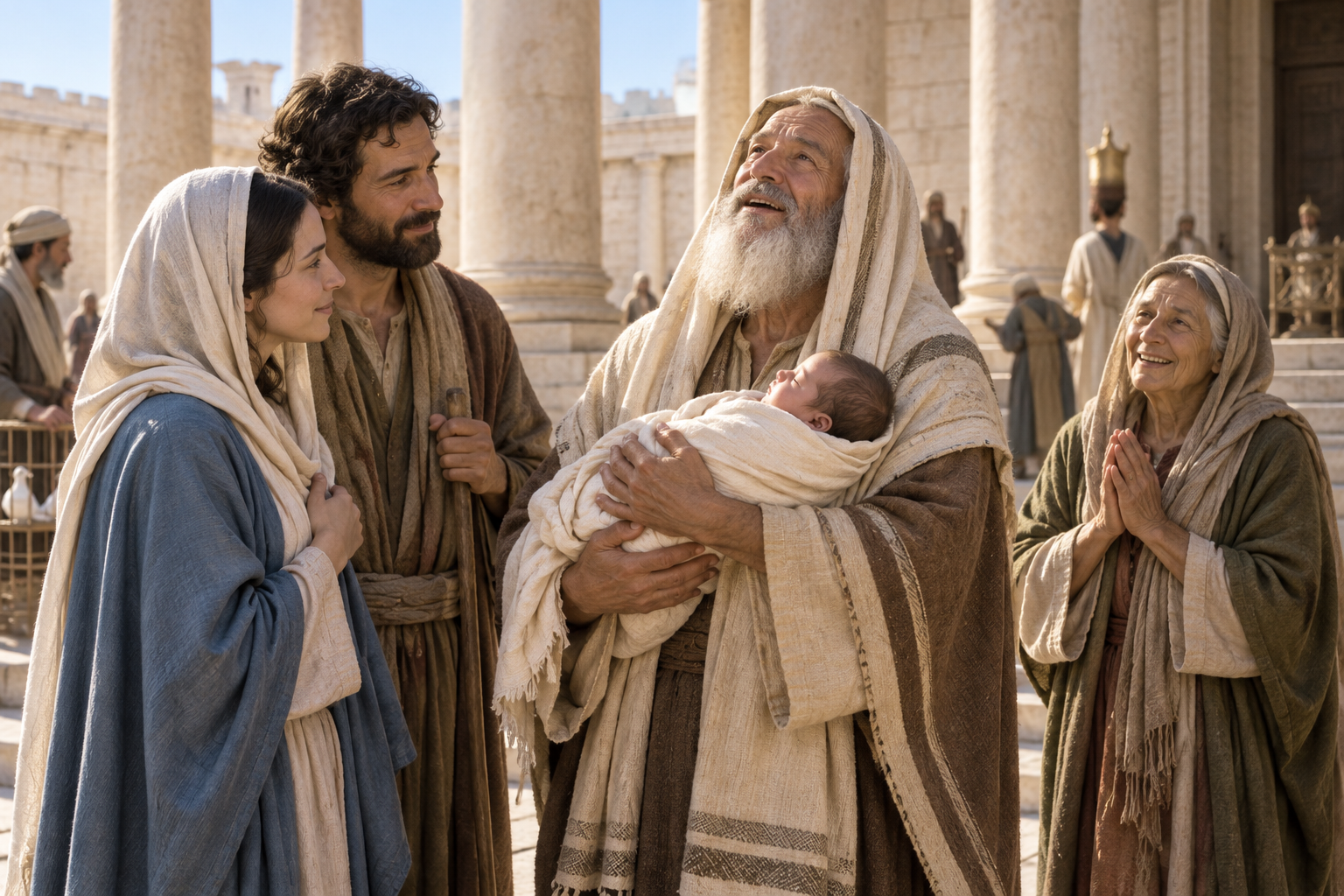
Luke 2 also describes Jesus being presented at the Temple. Simeon took the child in his arms and praised God because he had seen God’s salvation. Anna spoke about the child to people waiting for redemption. These scenes show that the infant Jesus is not a sentimental symbol only. He is the promised Redeemer who came in the history of Israel.
The United States Conference of Catholic Bishops’ Biblical text for Luke 2 is a useful primary source for reading this chapter in context. Read the account carefully. The birth narrative is not asking us to worship childhood itself. It is calling us to worship the Savior who came to rescue sinners.
Jesus Was Truly God and Truly Man
The mystery of the incarnation is central to Christian faith. Jesus was truly human. He was born, grew, became tired, wept, suffered, and died. At the same time, He was truly God. John 1 teaches that the Word was with God, was God, and became flesh. The infant in Mary’s arms is the eternal Son who took a human nature.
This truth matters for salvation. If Jesus were only a human child, He could not be the perfect Savior. If He only appeared to be human, He could not truly stand in the place of human sinners. Because He is the divine Son and true man, He is the one mediator who can bring sinners to God.
Colossians 1 teaches that Jesus is the image of the invisible God and that all things were created through Him. Therefore, a faithful Infant Jesus Church must teach more than a gentle picture of a baby. It must confess the glory of Christ, His holiness, His saving authority, and His lordship over every part of life.
Why the Name Infant Jesus Matters
The name Infant Jesus helps Christians remember the humility of God’s saving work. The Son did not save us from a distance. He came into the world. He accepted the weakness and needs of a real human life, yet He remained without sin. His humility began before the manger and continued all the way to the cross.
The name also protects the truth that Jesus did not begin to exist at Bethlehem. He was conceived in Mary’s womb and born as a child, but His divine life is eternal. Bethlehem reveals the Son who came into the world. It does not mark the beginning of the Son’s existence.
The presentation at the Temple gives another reason the name matters. Jesus was brought into the life of Israel and recognised as the promised salvation. The image of the infant should therefore lead us to the promises of God, the authority of Scripture, and the complete work of Christ. It should not keep our faith at the level of a Christmas decoration.
What Does Jesus’ Childhood Reveal?
The Bible gives fewer details about Jesus’ childhood than many people would like. That is a gift of wisdom. Scripture tells us what God has given us to know for faith and obedience. It does not invite us to fill the silence with invented stories or claims about events the Bible does not record.
Matthew shows Jesus protected from Herod and brought back from Egypt. Luke says that Jesus grew and became strong, filled with wisdom, and that the favour of God was upon Him. These statements show real human growth and perfect sinlessness. They also show that God was directing the mission of His Son.
We should be careful with books or traditions that add dramatic childhood stories and then present them as history. The safest response to Biblical silence is trust. Jesus does not become less glorious because the Bible is selective. The Holy Spirit has given us enough to know the Savior and follow Him.
What Should an Infant Jesus Church Teach?
A church using the name Infant Jesus should teach the whole counsel of God. It should proclaim that the Bible is God’s trustworthy Word. Second Timothy 3:16-17 says that Scripture is breathed out by God and equips His people for every good work. The church should therefore read the Bible in context, explain it clearly, and submit every tradition to it.
The church should teach the full identity of Jesus. He is the eternal Son, born of a virgin, truly human and truly divine. He lived without sin, died for sinners, rose bodily from the grave, ascended to the Father, and will return as King. His death and resurrection are not optional additions to a message about His birth. They are the heart of the Gospel.
The church should also teach repentance and faith. People are not saved by belonging to a building, repeating a phrase, admiring a statue, or trusting a religious leader. Salvation is God’s gift through faith in Jesus Christ. A healthy congregation will call people to trust the Savior, obey His Word, love their neighbours, and serve with humility.
In practical life, believers need what Jesus preached: the kingdom of God, repentance, love, truth, mercy, prayer, and faithful endurance. The manger is the beginning of the visible mission, not the whole message.
How to Test Church Teaching by Scripture
Acts 17 praises the Bereans because they received teaching eagerly while examining the Scriptures every day to see whether it was true. This is a good model for anyone considering an Infant Jesus Church. Respectful listening and careful testing belong together.
First, ask whether the church treats the Bible as the final written authority. Second, ask whether it clearly teaches Jesus’ divinity, humanity, cross, resurrection, and lordship. Third, ask how it explains salvation. The Gospel says that sinners are reconciled to God through Christ, not through human merit or a secret religious technique.
Fourth, watch the fruit of the church. Is there humble prayer, truthful preaching, love for the weak, repentance from sin, and patient care for people? A church can use beautiful words while hiding control, pride, or confusion. Scripture gives us permission to be kind and discerning at the same time.
For everyday decisions, use Christian wisdom for daily life. Wisdom does not replace the Bible. It helps us apply the Bible honestly when we choose a church, listen to teaching, or respond to a spiritual claim.
The Manger Points to the Cross
Jesus was born to save His people from their sins. The manger cannot be separated from the cross. The same Lord who was wrapped in cloths was later nailed to the cross as the willing sacrifice for sinners. He took the judgment we deserved and fulfilled the promises of God.
The resurrection confirms that His sacrifice was accepted and that death was defeated. Jesus is not only remembered as a child from the past. He is alive, reigning, and calling people everywhere to repent and believe. His saving work gives peace to guilty people because the ground of salvation is His finished work, not our performance.
A church that honours the infant Jesus must therefore teach the cross and resurrection with joy. It should help people see that Christian faith is not nostalgia. It is trust in the living Son of God.
Mary and Joseph Point Away from Themselves
Mary and Joseph have important places in the birth narratives, but the stories direct attention to Jesus. Mary receives God’s word with humble faith. Joseph obeys God’s instruction and protects the child. Their example can teach courage, purity, trust, and obedience.
Yet neither Mary nor Joseph is the Savior. They needed God’s grace. They served the mission of the Son, and the faithful response is to honour the Lord who came through their family line. Any Christian practice involving Mary or Joseph should preserve the unique glory and saving authority of Jesus Christ.
This protects the heart from confusion. We can learn from faithful servants without making them the foundation of faith. The infant Jesus is not one member of a group of equal spiritual sources. He is the Lord who deserves our trust and worship.
Images, Traditions, and the Gospel
A church may use an image, nativity scene, hymn, feast, or tradition to remember the birth of Jesus. These can help people teach children, remember Scripture, and praise God. But an object cannot save a person. It must never replace the written Word or become an object of superstition.
Ask what the practice teaches. Does it remind people that the Son became flesh for our salvation? Does it move people to prayer, repentance, love, and trust in Christ? Or does it promise protection through the object itself? Biblical faith receives reminders with gratitude but places confidence in God alone.
The right use of a visible reminder is like a signpost. It points beyond itself. A manger points to Bethlehem, Bethlehem points to the mission of Jesus, and His mission leads to the cross, resurrection, ascension, and return.
How the Infant Jesus Church Can Serve People
A faithful local church should welcome people who are searching for God. It should explain the Gospel in language ordinary people can understand. It should pray with the suffering, teach children carefully, care for the poor, protect the vulnerable, and help believers grow in holiness.
It should also make room for honest questions. Some visitors may be curious about the name. Others may be carrying guilt, grief, fear, or religious disappointment. The church should not answer these needs with pressure or empty promises. It should bring people to Jesus, who is full of grace and truth.
Healthy service is not only a programme. It is a way of life shaped by the Lord. People should see humility, honesty, forgiveness, patience, and generous love among the members. These are signs that the church remembers why the Son came into the world.
Questions to Ask Before Joining
Ask the leaders what they believe about the Bible. Ask whether Scripture is fully trustworthy and whether sermons explain the text in context. Ask what they believe about Jesus’ divinity, virgin birth, sinless life, death, resurrection, and return.
Ask how the church explains salvation. Is salvation received by grace through faith in Christ, or must a person depend on special status, payment, or human performance? Ask how the church handles correction and accountability. A congregation should welcome truth and protect people from abuse.
Then observe the ordinary life of the church. Are people encouraged to pray, read Scripture, repent, forgive, and serve? Are visitors treated with dignity? Do leaders show humility? These questions help you distinguish a church that uses a Christian name from a church that follows Christ.
A Simple Response for Someone Seeking Jesus
If you are searching because the phrase Infant Jesus Church caught your attention, begin with the Gospel accounts in Matthew and Luke. Ask God to help you see who Jesus is. Read the words of Scripture slowly. Notice the promises, the commands, the sin, the mercy, and the saving work of Christ.
Then respond to Jesus Himself. Turn from sin. Believe that He is the Son of God who died and rose again. Ask Him for forgiveness and trust His promise. Find a faithful church where the Bible is taught and where believers can help you grow.
You do not need to understand every Christian tradition before coming to Jesus. You do need to come honestly. He is not only the infant in the manger. He is the crucified and risen Lord. He is able to save completely those who draw near to God through Him.
Frequently Asked Questions
What is an Infant Jesus Church?
An Infant Jesus Church is usually a local Christian congregation or parish that uses the name Infant Jesus to point to Jesus Christ in His childhood and incarnation. The name should direct people to the whole Gospel, including Jesus’ divinity, sinless life, death, resurrection, and lordship.
Is Infant Jesus Church a denomination?
The name Infant Jesus Church does not by itself identify one worldwide denomination. Different local churches may use the name in different traditions. Read the church’s statement of faith and compare its teaching with the Bible before deciding whether its doctrine is faithful.
Does the Bible teach the phrase Infant Jesus?
The Bible describes Jesus as a baby or child, especially in Matthew 1 and 2 and Luke 2. Infant Jesus is a devotional phrase that describes this true Biblical scene. It is not a separate name that adds to Scripture or creates a new doctrine.
How should Christians evaluate an Infant Jesus Church?
Christians should ask whether the church teaches the authority of the Bible, the true divinity and humanity of Jesus, His death for sinners, His bodily resurrection, and salvation by grace through faith. They should also look for faithful preaching, prayer, love, holiness, and care for people.
Is Jesus only a baby in Christian faith?
No. Jesus truly became an infant, but He is also the eternal Son of God. He grew, taught, died on the cross, rose from the dead, ascended, and reigns as Lord. Christians honour the infant Jesus by trusting and worshipping the whole Christ.
Scripture and Sources for Further Study
Read these sources in context as you study the meaning of Infant Jesus Church and the Biblical teaching about Christ.
- Luke 2 records the birth, presentation, and recognition of Jesus as Savior, Christ, and Lord.
- Matthew 1:18-2:23 describes the virgin birth, Jesus’ name, and His protection in childhood.
- John 1:1-14 teaches that the eternal Word became flesh.
- Colossians 1:15-20 declares the supremacy of Christ and His work of reconciliation.
- 2 Timothy 3:16-17 explains the authority and usefulness of Scripture.
- Acts 17:10-12 gives the example of testing teaching by the Scriptures.
- Infant Jesus Church Holingallur provides an example of a local church using the name.
- The parish history page provides local historical context for that congregation.
Boston College School of Theology and Ministry’s educational overview offers additional context for reading the infancy narratives.
The name Infant Jesus can point to a beautiful truth, but Jesus Christ Himself is the foundation of Christian faith. He is Lord and Savior. He died for sinners, rose again, and calls us to trust Him.