
What Does Jesus in the Old Testament Mean?
When Christians speak about Jesus in the Old Testament, they are not saying that the name Jesus appears on every page. They mean that the Old Testament tells the story of God’s promise to send a Savior, King, Prophet, and suffering Servant. That promise reaches its fulfilment in Jesus Christ.
The Old Testament is not a collection of disconnected religious ideas. It is one story of creation, sin, promise, judgment, mercy, and redemption. From Genesis onward, God teaches His people to look for the One who will defeat evil, bless the nations, rule with righteousness, and bring sinners back to God. Our guide to essential Biblical Scriptures and verses can help you read these promises in their wider setting.
Jesus is the centre of this story because He is the eternal Son of God who became man. He lived without sin, died for sinners, and rose bodily from the grave. The Old Testament prepares us to understand why He came and what His saving work means.
Jesus Himself Taught This Truth
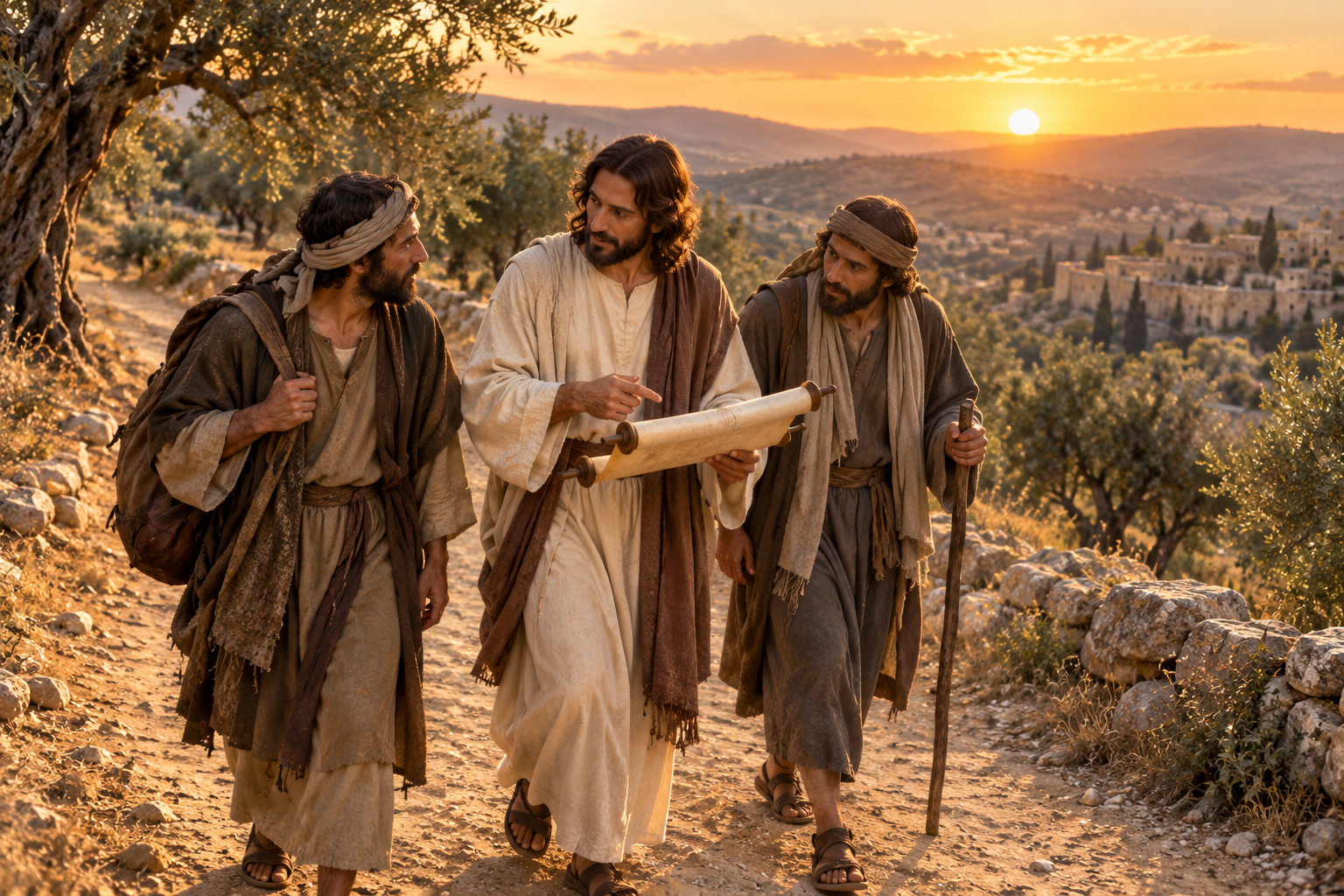
After His resurrection, Jesus met two disciples on the road to Emmaus. They were confused about the cross and slow to believe the report that He was alive. Jesus did not tell them to abandon the Old Testament. He explained the Scriptures to them.
Luke records that Jesus began with Moses and all the Prophets and showed the things concerning Himself. Read Luke 24:25-27 carefully. The risen Lord says that the Messiah had to suffer and then enter His glory. The cross was not an accident. It was the fulfilment of God’s saving plan.
This gives Christians a safe way to read the Old Testament. We should not force Jesus into verses that have no connection to Him. We should read each passage in context and then follow the way Jesus and His apostles show us how the whole Bible leads to Him.
The First Promise Begins in Genesis
The need for a Savior appears at the beginning of the Bible. God made humanity good, but Adam and Eve rebelled. Sin brought shame, death, and separation from God. Yet God did not leave the world without hope.
In Genesis 3:15, God speaks of the offspring of the woman who will crush the serpent’s head, even while suffering a wound to His heel. The verse stands in the setting of judgment, but it also carries a promise. Evil will not have the final word. A coming deliverer will defeat the enemy.
Jesus fulfils this promise through His death and resurrection. At the cross, He suffered real pain and death. In rising again, He broke the power of death and secured the final defeat of Satan. Christians therefore read Genesis 3:15 as an early light of the Gospel.

The Blessing Promised to Abraham
God’s promise becomes more focused when He calls Abraham. The Lord promises that Abraham will become a blessing and that all the families of the earth will be blessed through him. This is not only a promise about one family’s success. It is part of God’s plan to bring salvation to the nations.
Genesis 22:18 speaks of blessing coming through Abraham’s offspring. The New Testament identifies Jesus as the promised offspring through whom God blesses people from every nation. In Christ, forgiveness is offered to Jews and Gentiles who trust Him.
This promise guards us from thinking that the Gospel is a late change in God’s plan. The mission of Jesus was always connected to God’s purpose to bless the nations. The church does not replace the authority of the Old Testament. The church announces that God has kept His promise in Christ.

The Promised Prophet Comes from God
Moses was a great servant of God. Through him, the Lord gave Israel His law and led the people out of slavery. Yet Moses also spoke of a future prophet whom God would raise up. The people were told to listen to him.
In Deuteronomy 18:15-19, the promised prophet will speak God’s words and carry God’s authority. Jesus is greater than an ordinary teacher. He does not merely offer opinions about God. He is the Word who became flesh and the Son who perfectly reveals the Father.
Jesus speaks with authority because He is Lord. His teaching calls us to repent, believe, love God, love our neighbours, and follow Him. To learn more, read our guide to what Jesus preached. His words are not optional advice. They are the words of the promised Prophet and divine Son.
The Promised King Comes from David
God also made a covenant promise to David. David was a real king, but his reign was not the final answer. David’s sons failed in many ways, and every earthly kingdom remained under the shadow of sin and death.
In 2 Samuel 7:12-16, God promises that David’s house and kingdom will be established and that his throne will endure. The New Testament repeatedly calls Jesus the Son of David. He is the rightful King whose kingdom does not end.
Jesus entered Jerusalem with humility, but He did not come as a temporary political ruler. He reigns from the right hand of the Father and will return in glory. His kingdom is marked by righteousness, mercy, truth, and final victory over every enemy. The promise to David finds its lasting answer in the risen Christ.
Isaiah Describes the Messiah
The prophet Isaiah gives some of the clearest Old Testament pictures of Jesus. Isaiah speaks to people living in darkness and points them toward the light God will bring. His words join the humility of a child with the glory of a divine King.
In Isaiah 7:14, the promised sign is a child called Immanuel, which means God with us. In Isaiah 9:6, the child who is born and the son who is given is described with names such as Mighty God and Prince of Peace.
These promises help us hold together truths that people often separate. Jesus is truly human. He was born, grew, became tired, suffered, and died. Jesus is also truly divine. He is not only a good man who points toward God. He is God the Son with us, the Lord who saves.
The Suffering Servant Bears Sin
Some people expect the Messiah to be known only by power and victory. Isaiah shows another part of His mission. The promised Servant would suffer, be rejected, and give His life as an offering for guilt.
Isaiah 53:10-12 says that the Servant bears the sins of many and makes intercession for transgressors. This is a deep explanation of the cross. Jesus did not die because His mission failed. He gave Himself to carry the judgment that sinners deserve.
Isaiah also speaks of the Servant seeing life after His anguish. The cross and resurrection belong together. Jesus died for our sins and rose again according to the Scriptures. Those who trust Him are counted righteous, not because they have earned it, but because Christ has done the work of salvation.
Jesus Fulfils the Bible’s Patterns
The Old Testament points to Jesus not only through direct prophecy. It also gives patterns that help us understand His work. Passover shows a substitute whose blood brings rescue. The priesthood shows the need for someone to stand before God for the people. The sacrifices show that sin brings death and that forgiveness requires God’s gracious provision.
These patterns do not mean that every detail is a secret code. They mean that God was teaching His people categories they would need in order to understand Christ. Jesus is the final Passover Lamb, the great High Priest, and the once-for-all sacrifice for sin. In Him, the shadows give way to the substance.
This is why the Bible must be read as a whole. A Christian who knows only isolated verses may miss the beauty of God’s plan. A Christian who reads the whole story sees that the same holy God promises redemption, provides redemption, and completes redemption in Jesus.
The Old Testament Reveals Jesus’ Mission
The Old Testament shows that Jesus came to do more than give moral advice. He came to deal with sin, defeat death, establish God’s kingdom, and bring blessing to the nations. His mission was planned by God and announced through the Scriptures.
This also explains why the Gospel calls for a response. If Jesus is the promised King, we must bow before Him. If He is the suffering Servant who bore sin, we must repent and trust His sacrifice. If He is the divine Son, we must worship Him. If He rose from the dead, we must build our hope on Him rather than on our own goodness.
The Bible’s answer is not that people can save themselves by keeping enough rules. The answer is Jesus Christ. He is the Savior promised from the beginning, and He gives new life to everyone who believes in Him.
Why Jesus in the Old Testament Matters Today
First, it strengthens confidence in the Bible. The Old Testament and the New Testament tell one saving story. God is not confused, forgetful, or changeable. He keeps His word across generations.
Second, it gives comfort to people who feel that evil is winning. Genesis promises the defeat of the serpent. The prophets promise the coming King. The Gospel announces that Jesus has already conquered sin and death. His final victory is certain.
Third, it keeps Christian worship focused on Christ. We may admire Abraham, Moses, David, Isaiah, and the faithful people of God. But they are servants. Jesus is Lord. Our guide to the life and ministry of Jesus can help you continue from the promises to their fulfilment in His earthly ministry.
Finally, it gives a pattern for patient faith. God’s people waited for the Messiah, and God was faithful. Christians now wait for Jesus to return. We do not wait without hope. We trust the One who has already come, died, risen, and promised to come again.
How to Study Jesus in the Old Testament
Begin with the passage in its own setting. Ask who is speaking, who is listening, what problem is being addressed, and what God promises. Do not remove a verse from its context in order to make it say something strange.
Next, look for the main Biblical theme. Is the passage about a promised king, a suffering servant, a sacrifice, a prophet, a blessing, or God’s presence? Let the passage speak clearly before you connect it to Christ.
Then compare Scripture with Scripture. Read how Jesus and the apostles use the Old Testament. The New Testament does not cancel the earlier Scriptures. It shows how their promises reach their goal in Jesus.
Finally, respond with faith and worship. Do not study prophecy merely to win an argument or collect interesting facts. Ask how the passage shows God’s holiness, mercy, faithfulness, and saving love in Christ. Seek Christian wisdom for daily life under the authority of God’s Word.
Frequently Asked Questions
Does the Old Testament really talk about Jesus?
Yes. The Old Testament gives promises, patterns, and prophecies that find their fulfilment in Jesus the Messiah. Jesus Himself taught that Moses and the Prophets spoke about Him.
What is the first promise about Jesus in the Bible?
Many Christians see Genesis 3:15 as the first promise of the Gospel. After the fall, God promised that the offspring of the woman would defeat the serpent. This promise begins the Bible’s story of the coming Savior.
Which Old Testament prophet spoke most clearly about Jesus?
Isaiah gives several clear promises about the Messiah, including the virgin-born Immanuel, the divine child, and the suffering Servant who bears the sins of many. Other prophets also point to the promised King.
Why does Jesus in the Old Testament matter for Christians today?
It shows that salvation in Jesus is God’s wise and faithful plan, not a late idea. The Old Testament strengthens trust in the Bible and helps Christians understand the cross, resurrection, kingdom, and mission of Christ.
How should I study Jesus in the Old Testament?
Read the passage in its own context, notice the promise or pattern, compare it with the teaching of Jesus and the apostles, and keep the Gospel at the centre. Let Scripture interpret Scripture and worship Jesus as Lord.
Scripture Passages for Further Study
Read these passages in context and ask how each one helps you understand the promise and work of Jesus.
- Genesis 3:15 introduces hope after the fall and the promise of victory over the serpent.
- Genesis 22:18 connects Abraham’s offspring with blessing for the nations.
- Deuteronomy 18:15-19 promises a prophet who speaks God’s words.
- 2 Samuel 7:12-16 promises an enduring house and kingdom for David.
- Isaiah 7:14 points to Immanuel, God with us.
- Isaiah 9:6 describes the divine child and Prince of Peace.
- Isaiah 53:10-12 explains the suffering Servant who bears sin.
- Luke 24:25-27 records Jesus explaining that Moses and the Prophets speak about Him.
Jesus in the Old Testament is not a forced idea added after the fact. He is the promised Christ, the divine Son, the suffering Savior, the risen Lord, and the coming King. Read the Scriptures with faith, trust His finished work, and worship Jesus Christ.