What Is the Aaronic Blessing?
The Aaronic Blessing is one of the best-known blessings in the Bible. It comes from Numbers 6:22-27, where the Lord told Moses what Aaron and his sons should say over the people of Israel. Many Christians know the words from church services, family worship, or personal prayer. Yet the blessing deserves more than a quick repetition. It shows us the character of God and the good He gives to His people.
The blessing asks the Lord to bless and keep His people. It asks Him to shine His face on them, show grace, lift His countenance toward them, and give them peace. The focus is not on human power. The focus is on the Lord Himself. He is the One who blesses, protects, welcomes, and gives peace.
The word Aaronic simply means that the blessing was given to Aaron and his priestly sons to speak. Aaron did not invent the blessing, and the priest did not control God. The Lord gave the words and promised, “I will bless them.” That promise helps us read this prayer with trust and reverence.
Where Does the Aaronic Blessing Come From?
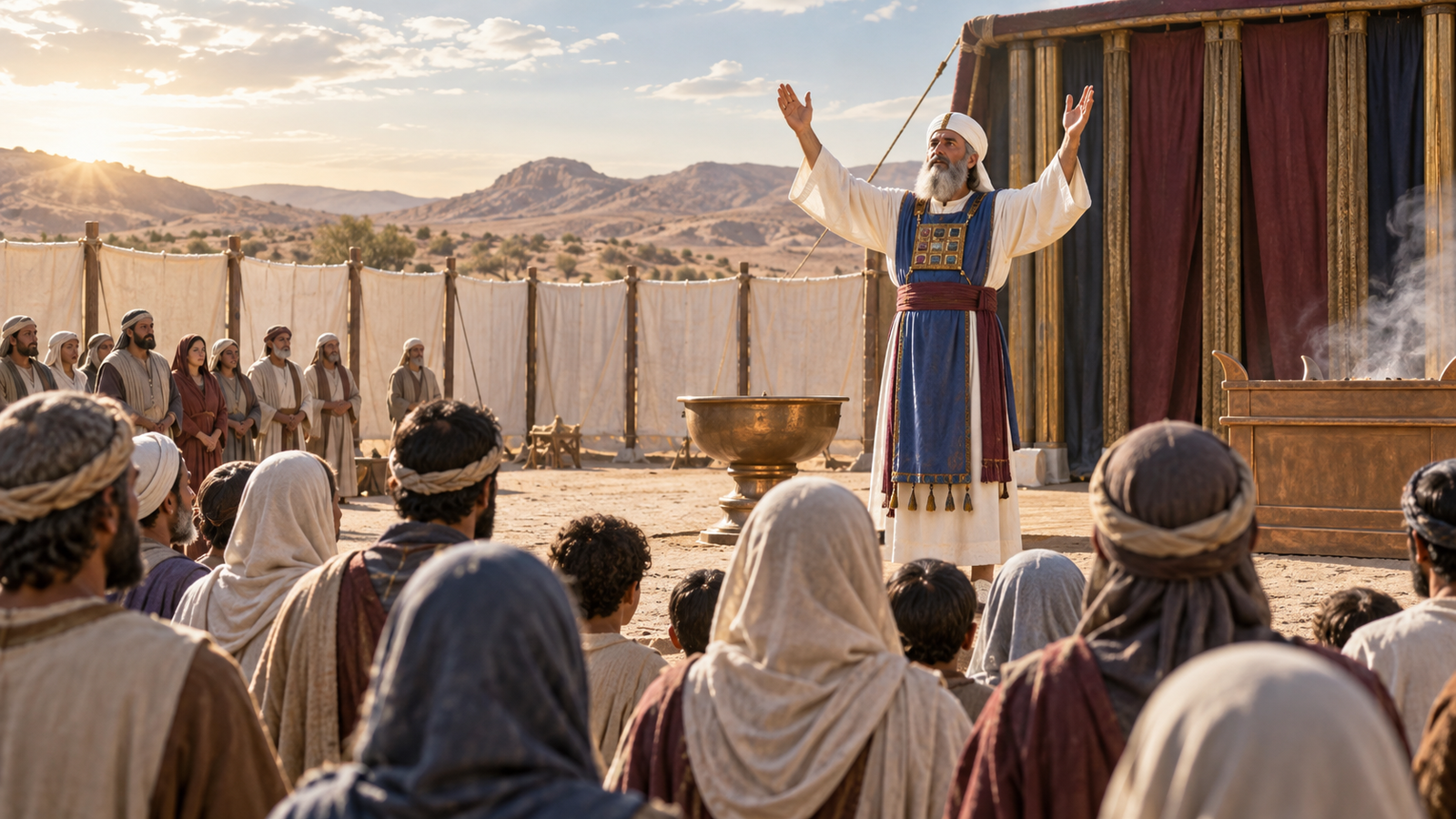
Numbers 6 places the blessing in the story of Israel’s worship in the wilderness. The people lived in tents, travelled under God’s direction, and gathered around the tabernacle. The tabernacle was the appointed place where God showed His covenant presence among them. The blessing belonged to this life of worship, holiness, sacrifice, and dependence on the Lord.
God spoke the words to Moses, Moses gave them to Aaron and his sons, and the priests spoke them over Israel. This order matters. The blessing was not a human wish that happened to sound religious. It was God’s own word for His covenant people. The priest announced what God had promised to do.
Numbers 6 also follows teaching about holiness and the care of God’s people. The blessing does not pretend that sin is harmless or that every day will be easy. It places needy people before a holy God and asks Him to keep them by His mercy. We should receive it as a promise-shaped prayer, not as a charm.

The Lord Bless You and Keep You
The first line asks the Lord to bless His people and keep them. To bless is to give good according to God’s wise purpose. God’s blessing is larger than money, comfort, or success. It includes His faithful care, His presence, His forgiveness, and every good gift that serves His saving plan.
The request to be kept is just as important. We need more than good things. We need God to guard us from sin, fear, false teaching, and spiritual destruction. A person can have comfort and still be far from God. The Aaronic Blessing asks for the kind of care that keeps a person near the Lord.
This line also teaches humility. We do not bless ourselves into safety. We do not create peace by positive words. We look to the Lord, the Maker of heaven and earth, who knows what His children need. He keeps His people through Scripture, prayer, the church, and the faithful work of the Holy Spirit.
The Lord Make His Face Shine Upon You
When the Bible speaks of God’s face shining on His people, it uses a picture of favour and welcome. The Lord does not turn away from those who belong to Him. He gives light, attention, and gracious presence. This is not a promise that Christians will never suffer. It is a promise that suffering cannot separate God’s people from His care.
The next part says that the Lord is gracious. Grace means that God gives kindness we have not earned. We cannot purchase His favour with religious effort. We cannot make ourselves worthy by repeating a prayer perfectly. The blessing directs us to the free mercy of God.
Psalm 67 echoes this language and connects God’s shining face with the spread of His saving way among the nations. God’s blessing is not meant to end with one person. When the Lord shows grace, His people should praise Him and make His goodness known. We receive His care so that we can worship and serve.

The Lord Lift Up His Countenance
The phrase “lift up His countenance” describes the Lord turning His face toward His people with attention and favour. God is not distracted, careless, or distant. He sees His children. He hears their cries. He knows their weakness. The prayer asks Him to look upon them with mercy.
This truth is precious when we feel overlooked. People may fail to notice our work, understand our pain, or remember our needs. The Lord does not forget. His attention is not shallow. He sees the whole person, including hidden sin, hidden grief, and hidden faith.
God’s attentive favour must not be confused with approval of every desire. A loving Father sometimes corrects His children. The Lord may answer a prayer by changing our hearts, exposing sin, or leading us through a hard season. His face is still gracious when His wise answer is different from what we expected.
And Give You Peace
The blessing ends with peace. Biblical peace is more than a quiet feeling or an easy week. It includes wholeness, right relationship, safety under God’s care, and a settled hope. The world often offers peace through control, distraction, or denial. God gives peace through truth and reconciliation.
We need peace with God because sin makes us guilty and separated from Him. We cannot repair that separation by our own goodness. The Bible’s answer is Jesus Christ. He lived without sin, died for sinners, and rose again. Through faith in Him, guilty people are forgiven and welcomed by God.
God’s peace also shapes how we treat other people. Those who receive mercy should become people who confess sin, forgive, speak truth, and seek reconciliation. Peace does not mean ignoring abuse or pretending that wrong is right. It means trusting God’s justice while walking in the honest love He commands.
What Does “Put My Name on Them” Mean?
Numbers 6 says that the priests would put God’s name on the people of Israel. This language speaks of belonging. The people carried the Lord’s name because they were claimed as His covenant people. The blessing was not only about receiving benefits. It was also about living as people who belonged to God.
God’s name represents His identity and character. To bear His name is to be called to trust Him, worship Him, and live in a way that does not treat His holiness lightly. The blessing joins grace with responsibility. God is kind to His people, and His kindness teaches them to walk in obedience.
Christians belong to God through Jesus Christ. We are not saved by claiming a religious label. We are saved by grace through faith in the crucified and risen Lord. Those who belong to Christ are called to reflect His character, love the church, serve neighbours, and speak the truth about the Gospel.
How Jesus Fulfills the Aaronic Blessing
The Aaronic Blessing points forward to the fuller blessing found in Jesus. Jesus is not only a priest who repeats words. He is the divine Son and the perfect mediator between God and sinners. He came to bring people into the presence of God through His own death and resurrection.
Jesus brings the Lord’s keeping care to its deepest fulfilment. He does not promise that His disciples will avoid every trial. He promises to keep them for eternal life. No accusation, suffering, or enemy can finally remove those who belong to Him. The Good Shepherd lays down His life for the sheep and holds them in His care.
Jesus also reveals the Father’s gracious face. In Christ, we see God’s holiness and mercy together. The cross shows that grace is not God ignoring sin. Jesus bore the judgment sinners deserve. His resurrection shows that sin and death did not win. Because Christ lives, those who trust Him have peace with God and hope beyond death.
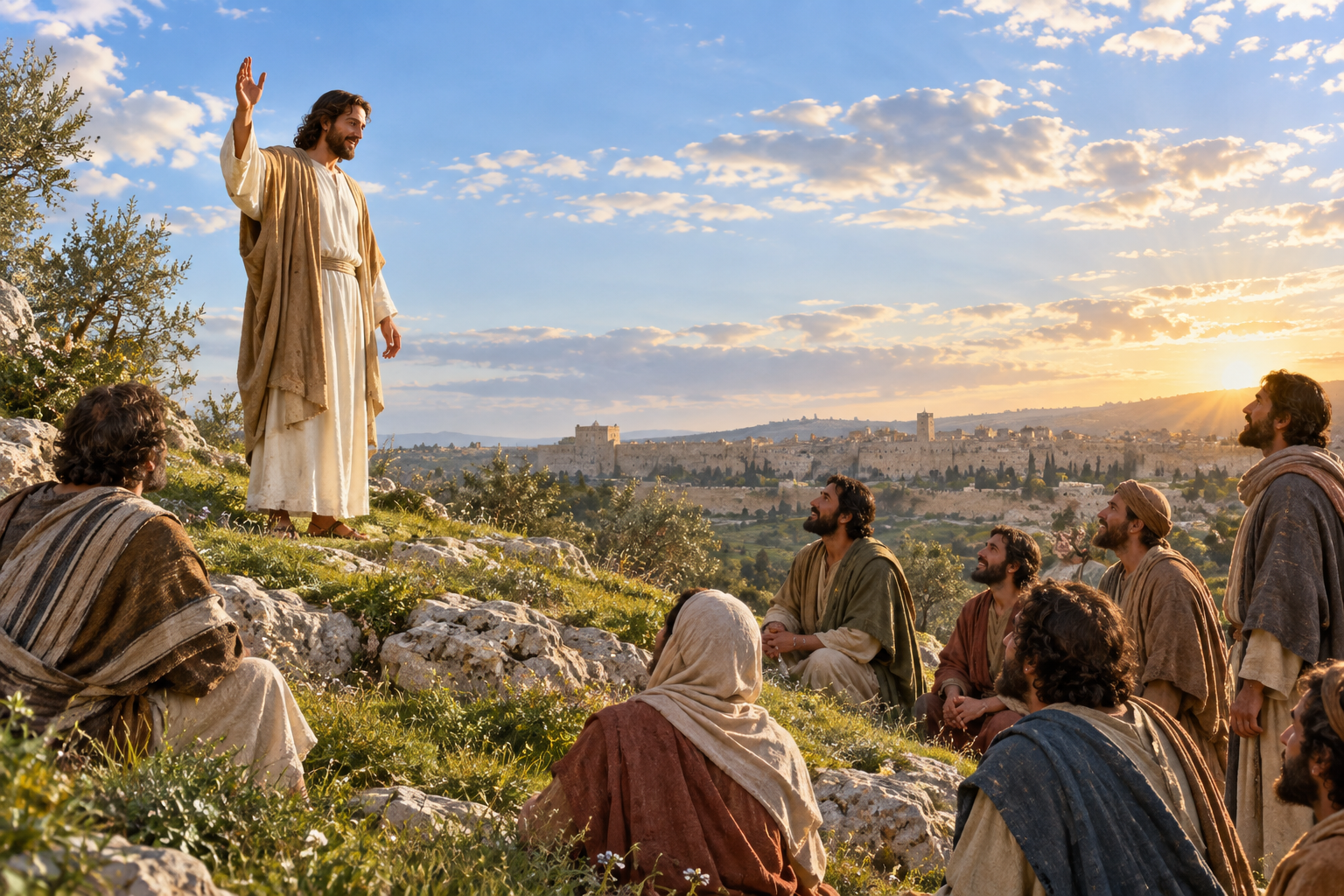
At the end of Luke’s Gospel, Jesus lifts His hands and blesses His disciples as He is taken up into heaven. That scene is not the Aaronic Blessing repeated word for word, but it gives a beautiful picture of Jesus as the risen Lord who blesses His people. He is the One who sends them with joy and remains their living hope. To learn how the Gospel presents His whole earthly work, read the life and ministry of Jesus.
How Christians Can Pray This Blessing Today
Christians can pray the Aaronic Blessing because it is Scripture. We should pray it with faith in the Lord, not with superstition. The words do not force God to give us our preferred outcome. They teach us to ask for His care, grace, presence, and peace while submitting to His wisdom.
You can pray the blessing at the start of a day, over a child, during family worship, with someone who is sick, or at the close of a church service. Read the words slowly. Ask God to show you where you need His keeping care. Confess the sin that makes you restless. Thank Him for the grace given through Jesus.
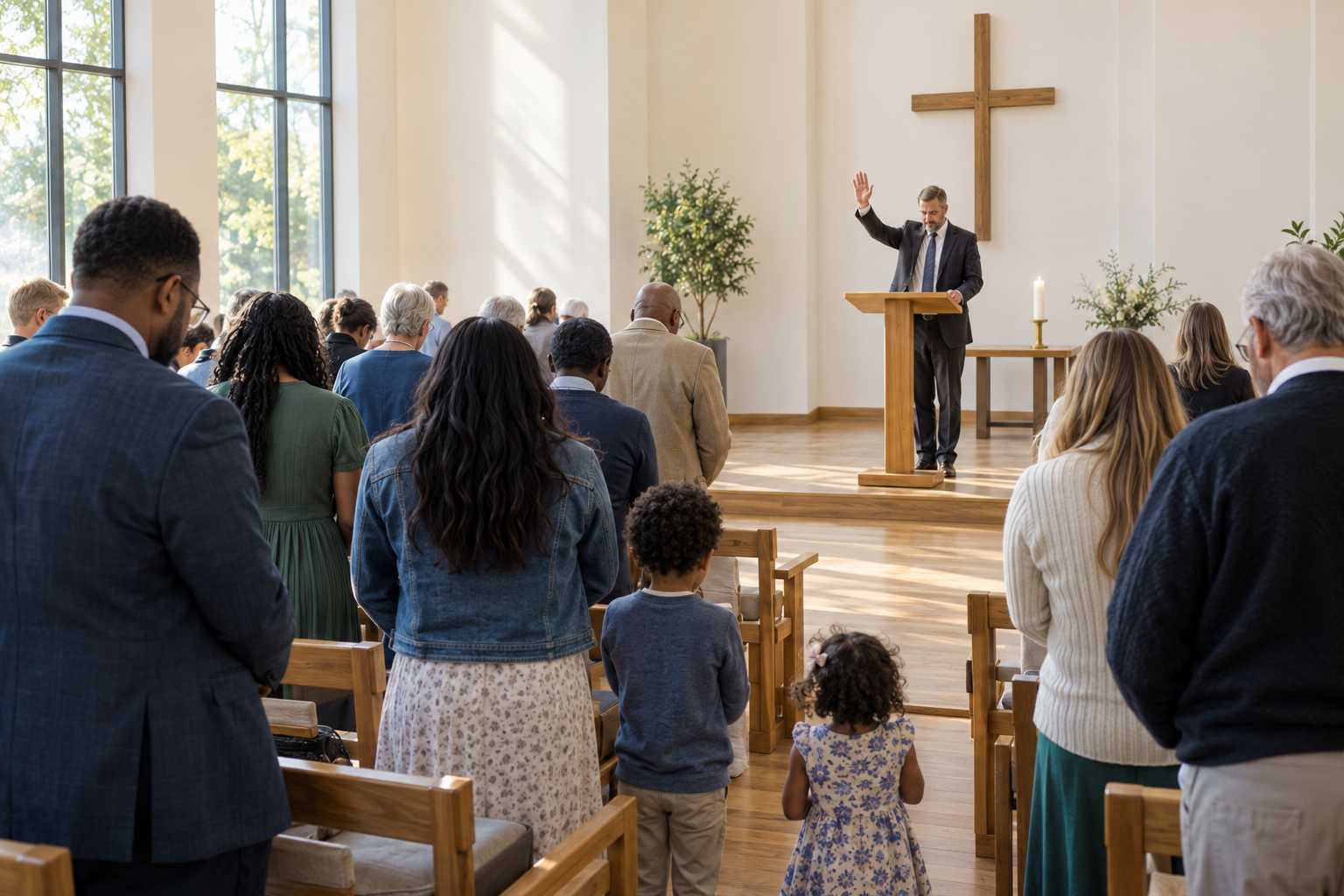
A church can use the blessing as a benediction, which means a spoken word of blessing at the end of worship. The congregation does not leave God’s presence when the service ends. Believers carry the Lord’s name into homes, workplaces, schools, and communities. The blessing sends us out to live under God’s care and to point others to Christ.
As you grow, connect this prayer with other practices of Christian prayers, worship, and devotion. Let Scripture shape your words. Let Christian wisdom for daily life shape your choices. Prayer is not a way to escape obedience. It is one way God teaches us to trust and obey Him. The blessing also fits with the way Jesus preached the kingdom of God, calling people to trust Him and live under God’s gracious rule.
A Simple Prayer Based on the Aaronic Blessing
Father in heaven, thank You for speaking to Your people and for giving us Your Word. Please bless and keep me today. Guard me from sin, fear, and false hope. Keep my heart near Jesus Christ, my Lord and Savior.
Make Your gracious presence clear to me. Turn Your face toward me in mercy, and help me remember that I am seen by You. Forgive my sin because of the death and resurrection of Jesus. Teach me to extend grace to others without hiding the truth.
Give me peace with You through faith in Christ. Help me carry Your name with humility, worship You with joy, and serve the people around me. Use my life to make Your saving way known. In the name of Jesus, amen.
Frequently Asked Questions
What is the Aaronic Blessing?
The Aaronic Blessing is the blessing God gave Moses for Aaron and his sons to speak over Israel in Numbers 6:22-27. It asks the Lord to bless and keep His people, show them His gracious presence, and give them peace.
Why is it called the Aaronic Blessing?
It is called the Aaronic Blessing because God instructed Aaron and his priestly sons to speak it over the people of Israel. The blessing came from God, while Aaron served as the priest who announced it.
Is the Aaronic Blessing a magic prayer?
No. The Aaronic Blessing is not a magic formula that controls God or guarantees an easy life. It is a Scripture-shaped prayer that trusts the Lord to care for His people according to His wise and holy will.
How does the Aaronic Blessing point to Jesus?
The blessing points to Jesus because He is the divine Son who brings sinners into God’s gracious presence. Jesus died for sins, rose again, and gives His people true peace with God and the hope of eternal life.
Can Christians use the Aaronic Blessing today?
Yes. Christians can read, pray, and speak this blessing with faith, while remembering that every blessing comes from God through Jesus Christ. It can be used in personal prayer, family worship, church services, and pastoral care.
Scripture Passages for Further Study
Read these passages in context. They help us understand the blessing, God’s gracious presence, the peace found in Christ, and the hope of Jesus’ blessing.
- Numbers 6:22-27 records the Aaronic Blessing and the Lord’s promise to bless His people.
- Psalm 67:1-7 connects God’s blessing with the spread of His saving way among the nations.
- 2 Corinthians 13:14 gives a New Testament blessing centred on the grace of Jesus Christ, the love of God, and the fellowship of the Holy Spirit.
- Luke 24:50-53 shows the risen Jesus blessing His disciples before His ascension.
The Aaronic Blessing is a gracious word from God. It does not promise a life without trouble. It promises that the Lord is the source of blessing, keeping, grace, attention, and peace. For Christians, these gifts come into their deepest meaning through Jesus Christ, who died for sins, rose again, and brings His people safely to God.