
What Does “Killing Jesus” Mean?
The phrase “killing Jesus” points to the arrest, trial, crucifixion, and death of Jesus Christ. The Bible tells this story with great care. It does not treat the cross as a simple political murder, and it does not hide the evil actions that led to Jesus’ death.
Jesus was condemned, mocked, beaten, nailed to a cross, and left to die. He truly suffered and truly died. Yet the Bible also says that Jesus gave Himself willingly. His death was the sacrifice of the sinless Son of God for sinners. The cross was an act of human evil, but it was also the centre of God’s saving work.
This answer matters because the crucifixion can be twisted into hatred or shallow blame. Scripture leads us to truth, repentance, worship, and hope. For a wider view of Jesus in public life and culture, read our Jesus in Culture and Media guide.
The Bible Tells the Story Carefully
The four Gospels give four faithful accounts of Jesus’ death. Matthew shows the pressure of the leaders, Pilate’s decision, the soldiers’ cruelty, the darkness, and the earthquake. Mark highlights the suffering of the Son of God and the confession of the Roman centurion. Luke records Jesus’ mercy, prayer for His enemies, and promise to the repentant criminal. John shows Jesus’ royal authority and the fulfilment of Scripture.
These accounts are not competing explanations. Together they show the truth from different angles. Jesus was rejected by leaders, handed over by a fearful governor, executed by Roman power, and mocked by people who did not understand what they were doing. He was also the Lamb who came to give His life.
Read Matthew 27 and Mark 15 slowly. A Biblical answer begins with the text instead of a slogan.
Who Ordered Jesus’ Crucifixion?
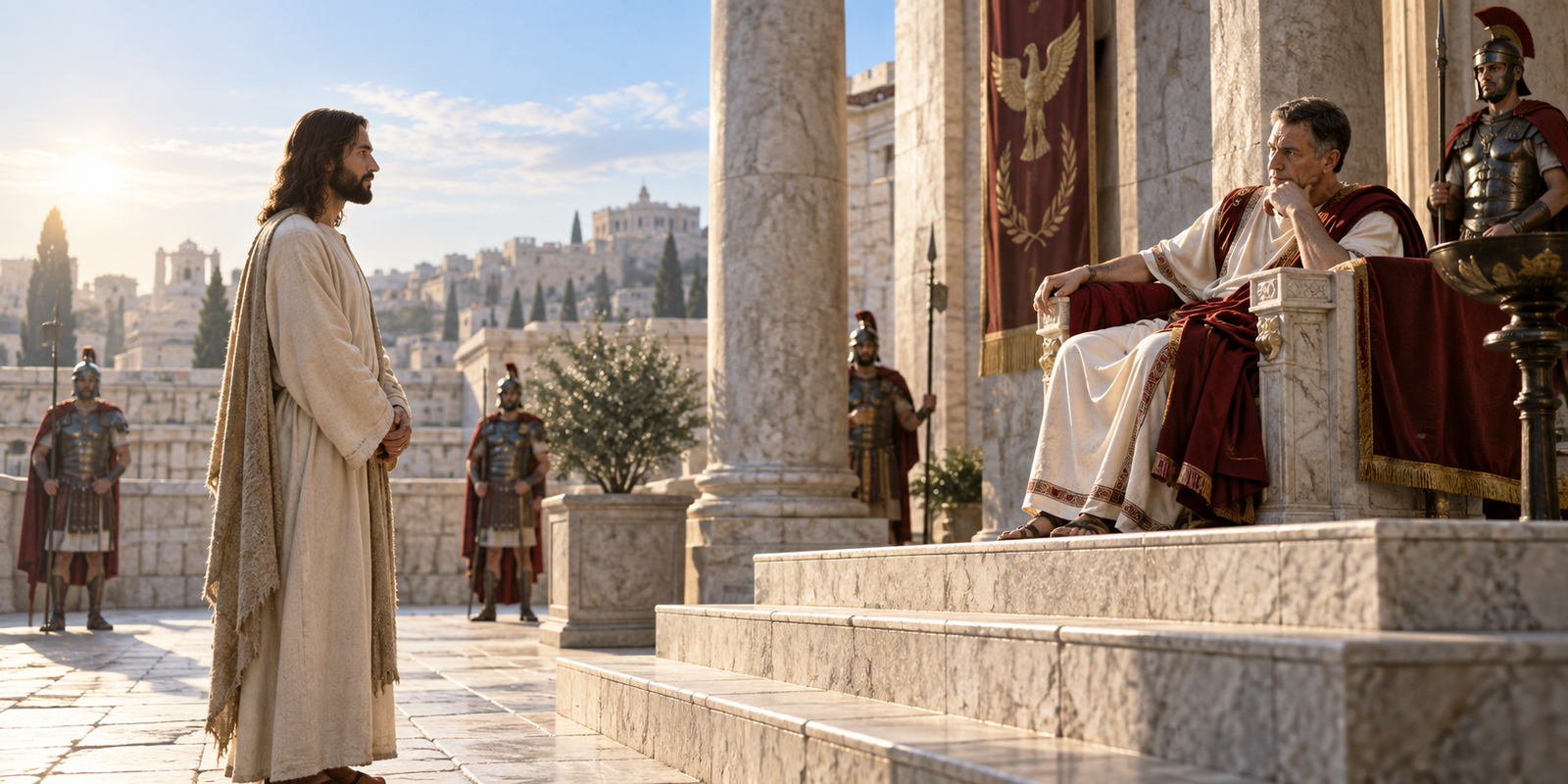
The immediate human events involved several people and groups. Judas Iscariot betrayed Jesus. Some religious leaders sought a way to condemn Him. They brought Jesus to Pontius Pilate, the Roman governor. Pilate questioned Jesus and knew that the case was not a normal charge of violent rebellion, yet he gave in to pressure and delivered Jesus to be crucified.
Roman soldiers carried out the execution. Crucifixion was a Roman form of public punishment. The soldiers mocked Jesus, beat Him, placed a crown of thorns on Him, and nailed Him to the cross. The Gospel accounts therefore name real human actions and real human guilt.
At the same time, the Bible does not say that one modern nation or one ethnic people carries a permanent blame for the cross. Jesus was Jewish. His first disciples were Jewish. The leaders, crowd, governor, and soldiers in the Gospel story were particular people in a particular event. Christians must reject collective hatred and speak with the care Scripture requires.
Did Jesus Die Willingly?
Yes. Jesus was not a helpless victim whose mission failed. In John 10:17-18, He says that He lays down His life of His own accord and that He has authority to take it up again. He knew the cross was coming, and He walked toward it in obedience to the Father.
Jesus’ willingness does not make the cruelty of the cross good. The betrayal, lies, cowardice, violence, and injustice were still sinful. But the evil of the human actions could not cancel the loving purpose of Christ. He chose to save His people by giving Himself.
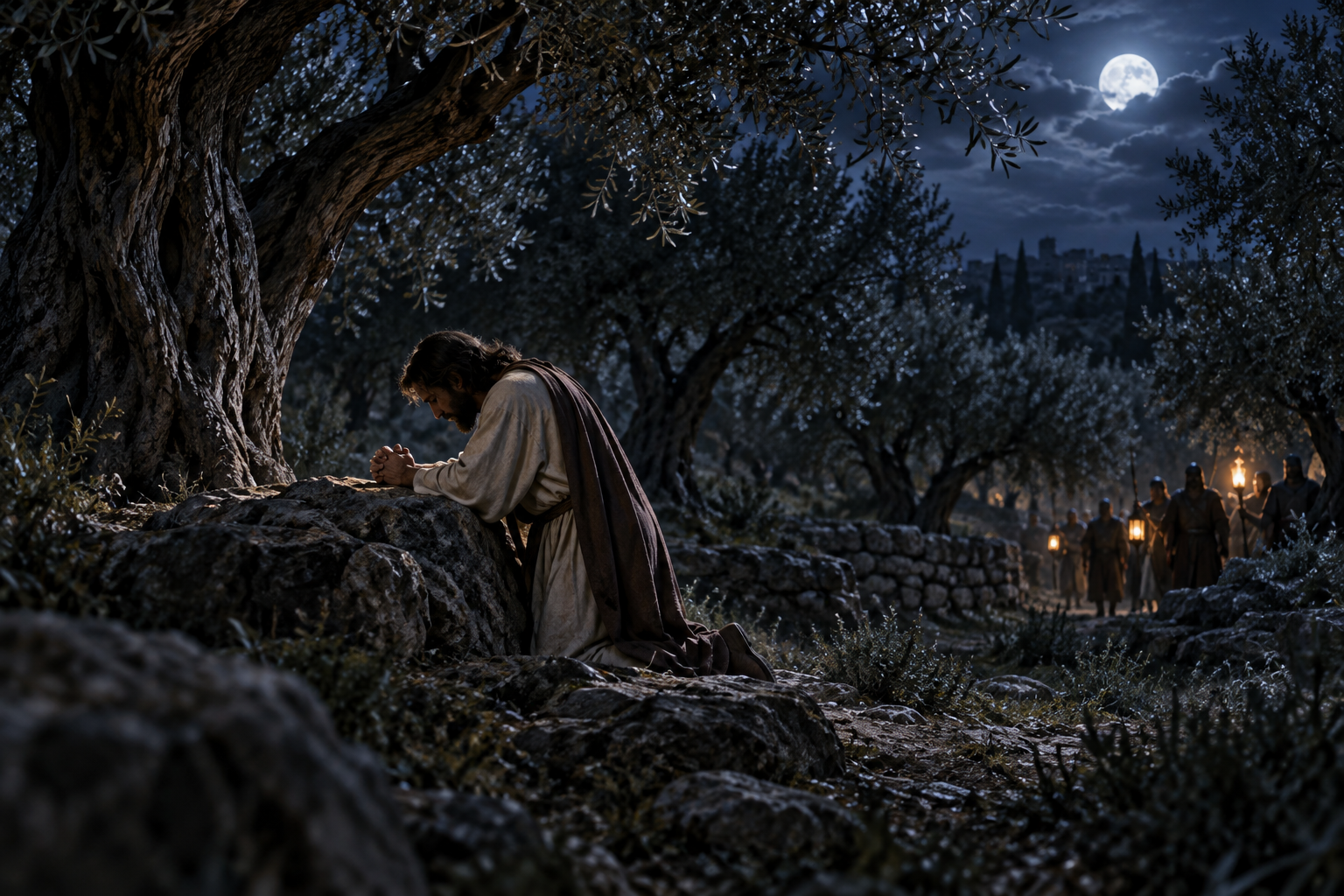
In Gethsemane, Jesus prayed honestly about the suffering before Him. He did not pretend that the cup was easy. He submitted His human will to the Father and continued toward the cross. The scene shows both the real cost of His death and the depth of His obedience. The Bible’s account of John 10:17-18 helps us hold these truths together.
The Sin of Human Beings
The cross exposes the sin of the people who rejected Jesus, but it also exposes the sin of every human heart. Pride, fear, envy, greed, cowardice, false religion, and love of power all appear around the crucifixion. We should not look at the story and imagine that we would have been innocent if we had stood in Jerusalem.
Our sin is not an excuse for other people’s sin. The leaders were responsible for their choices. Pilate was responsible for his choice. The soldiers were responsible for their violence. Judas was responsible for his betrayal. Yet the same Bible that names their actions also says that all people need the mercy of God.
Jesus died for sinners, not for people who think they have no guilt. The cross brings us low so that grace can lift us up. It calls us to stop defending ourselves and to trust the Saviour who gave Himself for the world.
God’s Plan and Human Responsibility
Acts 2 gives a careful answer. Peter says that Jesus was delivered up according to God’s definite plan and foreknowledge, and he also says that people crucified and killed Him through lawless hands. The Bible does not erase human responsibility when it speaks about God’s sovereign plan.
This is a mystery, but it is not a contradiction. God did not become sinful, and He did not approve the lies or cruelty of the people who condemned Jesus. He used the very event people meant for evil to accomplish salvation. The cross shows that God is wise enough to fulfil His purpose without becoming the author of sin.
Christians should speak with humility here. We know what Scripture clearly says: human beings acted wickedly, Jesus gave Himself willingly, God planned redemption, and Jesus rose again. We should not claim to explain every hidden detail of God’s counsel. We should praise the God who saves.
Why Was Jesus Crucified?
Jesus was crucified as a condemned criminal, but He was not guilty of sin. The immediate charges were shaped by political and religious pressure. Jesus was accused of blasphemy by leaders and presented to Pilate as a threat to Roman order. The charge did not reveal His true identity. It hid it.
The deeper reason is that Jesus came to bear sin and bring sinners to God. Isaiah 53 had already spoken of the suffering servant who would carry the sins of many. The New Testament identifies Jesus as the one who fulfils that promise. He was wounded, rejected, and killed, yet His suffering was not empty.
Jesus’ death was not a payment to make the Father stop being cruel. The Father and the Son acted together in holy love. God gave His Son, and the Son gave Himself. The cross shows the seriousness of sin and the greatness of God’s mercy at the same time.
Jesus Died for Our Sins
The apostolic message is clear: Christ died for our sins according to the Scriptures, was buried, and was raised on the third day. His death was substitutionary. He stood in the place of sinners and bore the judgment that sin deserves.
We must say this carefully. Jesus was not a sinner receiving His own punishment. He was the righteous Son who willingly took the place of the guilty. His sacrifice was sufficient because He is holy. His resurrection proves that death did not defeat Him and that God accepted His saving work.
The cross therefore gives hope to people with real guilt. Forgiveness is not pretending that sin does not matter. It is trusting that Jesus has dealt with sin through His death. Anyone who turns to Him in faith can receive mercy. Read Isaiah 53:4-6 and 1 Corinthians 15:3-4.
What Happened When Jesus Died?
When Jesus died, darkness covered the land. The curtain of the temple was torn from top to bottom. The earth shook, and Jesus’ body was placed in a tomb. These signs point beyond the physical pain of the cross. His death opened the way for sinners to come to God through Him.
The torn curtain is especially important. The holy God cannot be approached through human pride or empty ceremony. Jesus, the true mediator, brings believers into God’s presence. His blood is not a symbol of defeat. It is the price of redemption.
Jesus’ death also fulfilled Scripture. He was numbered with transgressors, mocked by His enemies, and buried. The details show that God was not surprised by the cross. The death of Jesus belongs to the story of God’s promise from beginning to end.

Jesus Rose Again
The story does not end with the killing of Jesus. God raised Him from the dead. The stone was moved, the tomb was found empty, and Jesus appeared to His disciples. The resurrection was not a metaphor for the survival of an idea. Jesus rose bodily and was seen by witnesses.
The resurrection proves that Jesus is Lord and Christ. It confirms His teaching, defeats the power of death, and gives believers a living hope. If Jesus had stayed in the grave, the cross would have been a tragedy without victory. Because He rose, the cross is the doorway to new life.
Christians therefore remember the crucifixion with sorrow and gratitude, but not despair. We worship the living Saviour. He is not only the one who died. He is the one who reigns and will return to judge the living and the dead. Read more about the life and ministry of Jesus to see how the cross belongs to His whole mission.
A Biblical Answer to Blame and Hatred
The crucifixion must never be used to justify hatred of Jewish people or any other group. Jesus was Jewish, and the first church was born among Jewish believers. The New Testament speaks about particular leaders and particular actions. It does not give Christians permission to accuse an entire people across the centuries.
Nor should Christians pretend that the human actions were harmless. The cross involved betrayal, injustice, violence, and the misuse of authority. The right response is honest grief over sin and a call for every person to repent. The gospel does not create a new group of people who can boast that they would have done better.
When Christians discuss this subject, they should speak with the humility and wisdom taught by Jesus. Our goal is not to win an argument or stir anger. It is to tell the truth about sin, the holiness of God, the mercy of Christ, and the hope of resurrection. Our guide to what Jesus preached can help place His death within His wider message.
What the Cross Shows About Jesus
The cross shows the holiness of Jesus. He had no sin of His own, yet He accepted the place of sinners. It shows His love. He did not save us from a safe distance. He entered our suffering and gave Himself for us.
The cross shows His courage. Jesus did not turn away when obedience became painful. It shows His kingship. The sign above Him called Him King of the Jews, and the soldiers meant it as mockery. God used that scene to reveal a deeper truth. Jesus reigns through sacrificial love.
The cross also shows His mercy. Jesus prayed for forgiveness for His enemies and promised paradise to a repentant criminal. He did not excuse sin, but He opened the door of grace. The suffering Saviour is also the risen Lord who welcomes sinners to Himself.

How the Cross Calls Us to Repent and Believe
The cross is not only information about an event in the past. It is God’s call to every reader. Turn from sin. Stop trusting your own goodness. Believe in Jesus Christ, the Son of God who died and rose again. Receive the forgiveness He gives.
Repentance means agreeing with God about our sin and turning toward Christ. It does not mean promising to become perfect before we come. It means coming honestly and trusting Jesus to save and change us. Faith rests on His promise rather than on our emotional strength.
People who trust Jesus receive a new identity and a new direction. They are not saved by their works, but they begin to love what Jesus loves. They learn to forgive, serve, pray, tell the truth, and wait for the return of their King. A life shaped by the cross is a life shaped by grace.
How Should Christians Speak About Killing Jesus?
Christians should speak with Biblical accuracy, compassion, and reverence. We can say that Jesus was betrayed by Judas, rejected by leaders, condemned under Pontius Pilate, crucified by Roman soldiers, and willingly offered Himself for sinners. We should not remove any of these truths.
We should also avoid careless claims. Do not invent details that the Bible does not give. Do not turn a particular event into collective ethnic blame. Do not describe the cross as an accident or as proof that Jesus was weak. Do not speak about His death without speaking about His resurrection.
Good Christian speech points to Jesus. It helps a reader see the seriousness of sin and the greatness of mercy. It invites the guilty, the grieving, and the curious to look to the crucified and risen Lord. For help with wise Christian speech, read our guide to Christian wisdom for daily life. His call to humble, merciful living can also be seen in the Beatitudes in Luke.
Frequently Asked Questions
Who killed Jesus according to the Bible?
The Bible describes the actions of Judas, the religious leaders who handed Jesus over, Pontius Pilate, and Roman soldiers. It also says Jesus gave His life willingly and that God’s saving plan was fulfilled through the cross.
Did Jesus choose to die?
Yes. Jesus said that no one took His life from Him. He laid it down willingly and had authority to take it up again. His willing sacrifice was an act of love and obedience to the Father.
Why did Jesus have to die?
Jesus died to bear the judgment our sin deserves and to bring forgiveness to those who trust Him. He was the sinless Saviour who gave Himself for sinners and rose again.
Was Jesus’ death a defeat?
No. The cross was terrible, but it was not the end. God raised Jesus from the dead, proving His victory over sin and death and confirming that Jesus is Lord and Christ.
How should Christians talk about responsibility for Jesus’ death?
Christians should speak from Scripture with humility and never use the crucifixion to accuse an entire people. The Bible names particular agents, exposes the sin shared by humanity, and calls everyone to repent and trust Jesus.
Sources for Further Study
These sources support the main Biblical claims in this guide. Read the Gospel accounts in full and compare them with the wider witness of Scripture.
- Matthew 27, the account of Jesus before Pilate, the crucifixion, and the burial.
- Mark 15, the account of Jesus’ suffering, death, and the Roman centurion’s confession.
- John 10:17-18, where Jesus explains that He lays down His life willingly.
- Acts 2:22-24, Peter’s explanation of human action, God’s plan, and the resurrection.
- Isaiah 53:4-6, the prophecy of the suffering servant who bears sin.
- 1 Corinthians 15:3-4, a concise summary of Christ’s death, burial, and resurrection.
- BibleProject’s guide to Matthew, an educational overview of Matthew’s presentation of Jesus’ kingdom, death, and resurrection.
Jesus Christ is Lord and Saviour. He died for sinners and rose again in victory. May we speak of His cross with truth, humility, and grateful faith.