What Does the Bible Say About the Three Wise Men Gifts?
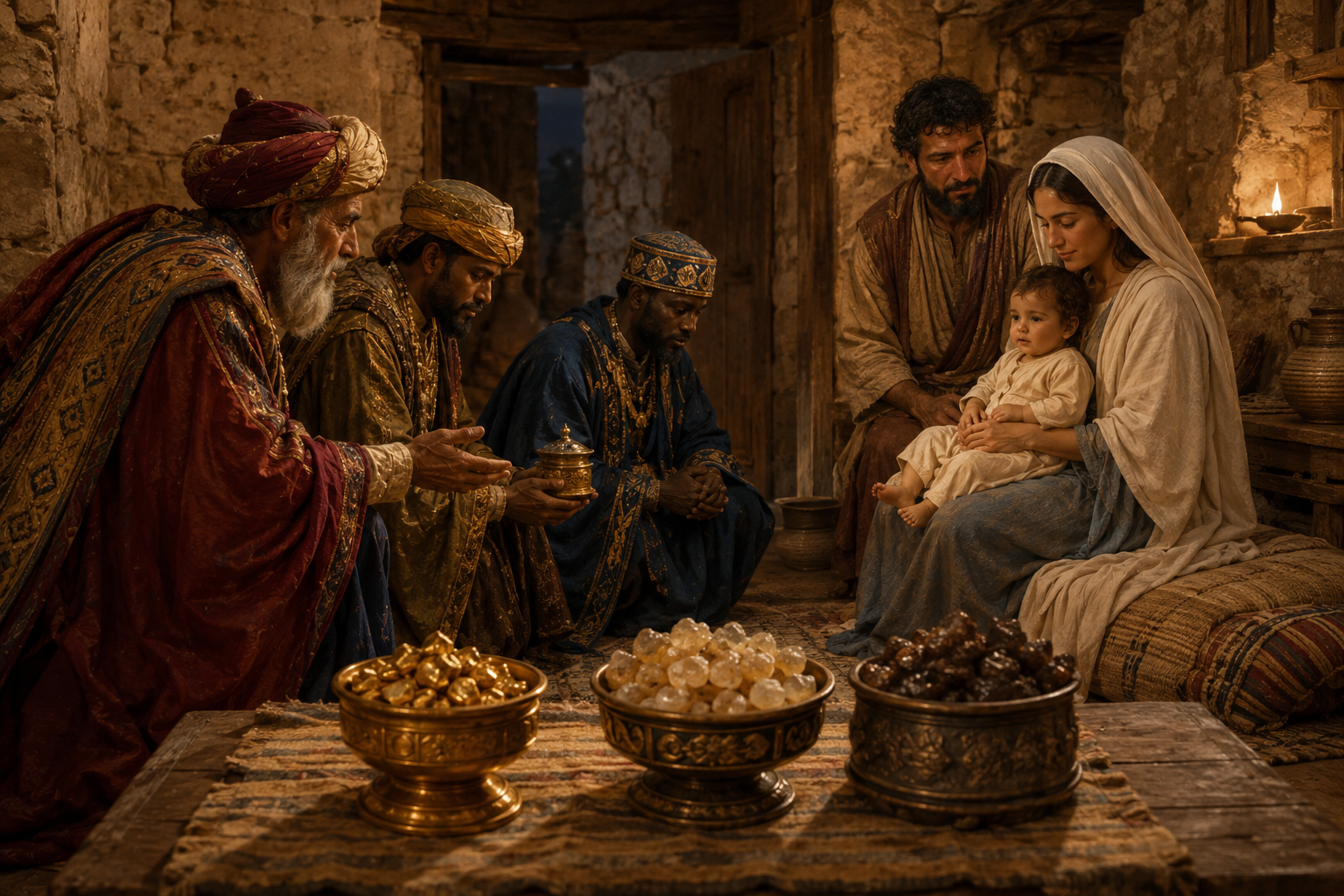
The three wise men gifts are gold, frankincense, and myrrh. Matthew 2:11 says that the Magi opened their treasures and offered these gifts to Jesus. They did not come only to see a baby. They came to worship the One born King of the Jews.
The account is found in the Matthew 2 passage about the visit of the Magi. It tells us that wise men came from the east after Jesus was born in Bethlehem. They saw His star, traveled to Jerusalem, listened to the Scriptures about Bethlehem, and then found Jesus with Mary His mother.
Matthew gives us the names of the gifts, but he does not give a long explanation of their meaning. We should begin with what the text clearly says. The Magi recognized that Jesus was worthy of worship. They bowed before Him and gave Him costly treasures.
This story also teaches us to read Scripture with care. Christian tradition has added details such as personal names for the Magi and the idea that exactly three men came. Those traditions can help tell the Christmas story, but they are not stated in Matthew. The Bible remains our final authority.
For more context about Jesus’ earthly ministry, read the wider guide to the life and ministry of Jesus. The gifts make sense when we keep the whole story of Christ in view.
Were There Really Three Wise Men?
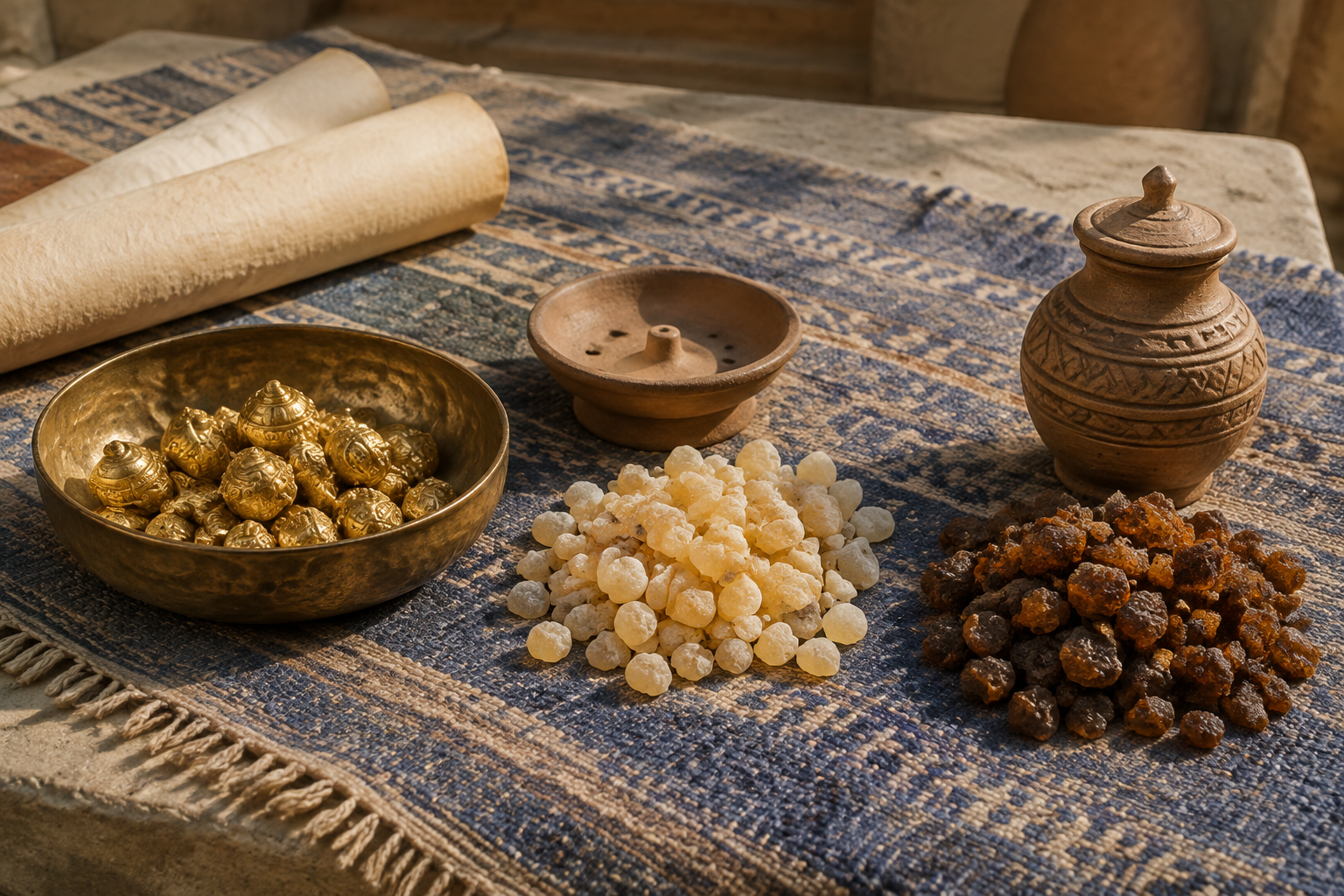
Matthew does not say how many Magi traveled to see Jesus. He says that wise men came from the east and later names three gifts. The familiar phrase “three wise men” most likely comes from the number of gifts, not from a number given in the Gospel.
This detail matters because faithful Bible reading does not need extra certainty. We can say that the Magi brought three kinds of gifts. We should not say that Scripture tells us there were exactly three visitors. There may have been more than three people in the traveling party.
Matthew also does not call the Magi kings. They may have been important visitors, scholars, or court advisers from the east, but the Gospel does not identify their homeland or personal names. We should not build doctrine on details that God has not revealed.
What Matthew does make clear is their purpose. They came seeking the King of the Jews, and they wanted to worship Him. Their example is valuable whether we picture two visitors, three visitors, or a larger group. The right response to Jesus is humble worship.
Where Did the Magi Go and What Did They Do?
The Magi first went to Jerusalem. They asked, “Where is he who has been born king of the Jews?” Their question troubled Herod, the ruler of Judea. Herod gathered the chief priests and scribes, and they identified Bethlehem from the prophet Micah.
The Magi then followed the star toward Bethlehem. Matthew says that they rejoiced when they saw it. They entered a house and saw the child with Mary His mother. This wording is different from Luke’s account of the shepherds, who found Jesus lying in a manger. We should not force every detail of the two accounts into one scene.
When the Magi saw Jesus, they fell down and worshiped Him. Then they opened their treasures and gave the three wise men gifts. Worship came before the gifts. Their treasures expressed honor, but their bowed knees showed the deeper response of their hearts.
Afterward, God warned them in a dream not to return to Herod. They went home by another way. A meeting with Jesus changed their route. It also reminds us that true worship includes obedience when God gives clear direction.
What Was Gold Among the Three Wise Men Gifts?
Gold was a precious and valuable gift. It was suitable for honoring a king. The Magi asked about the child born King of the Jews, so gold fit the royal honor they were giving to Jesus.
The Bible does not say, “Gold means this exact doctrine.” Still, the royal setting gives a strong and careful connection. Jesus is the promised King. His kingdom is not built on fear or political force. He is the holy King who came to save His people from sin.
Psalm 72 describes kings bringing tribute and nations bowing before the righteous king. You can read Psalm 72:10-11 for this picture of kings and nations honoring the ruler. Matthew’s story shows Gentile visitors coming to honor Israel’s King.
Gold also helps us ask a personal question. What do we treat as most valuable? Jesus deserves more than a small place in our plans. He is Lord. We do not purchase His favor with money, but we do honor Him by trusting Him, obeying His word, and using what we have for His glory.
What Was Frankincense Among the Three Wise Men Gifts?
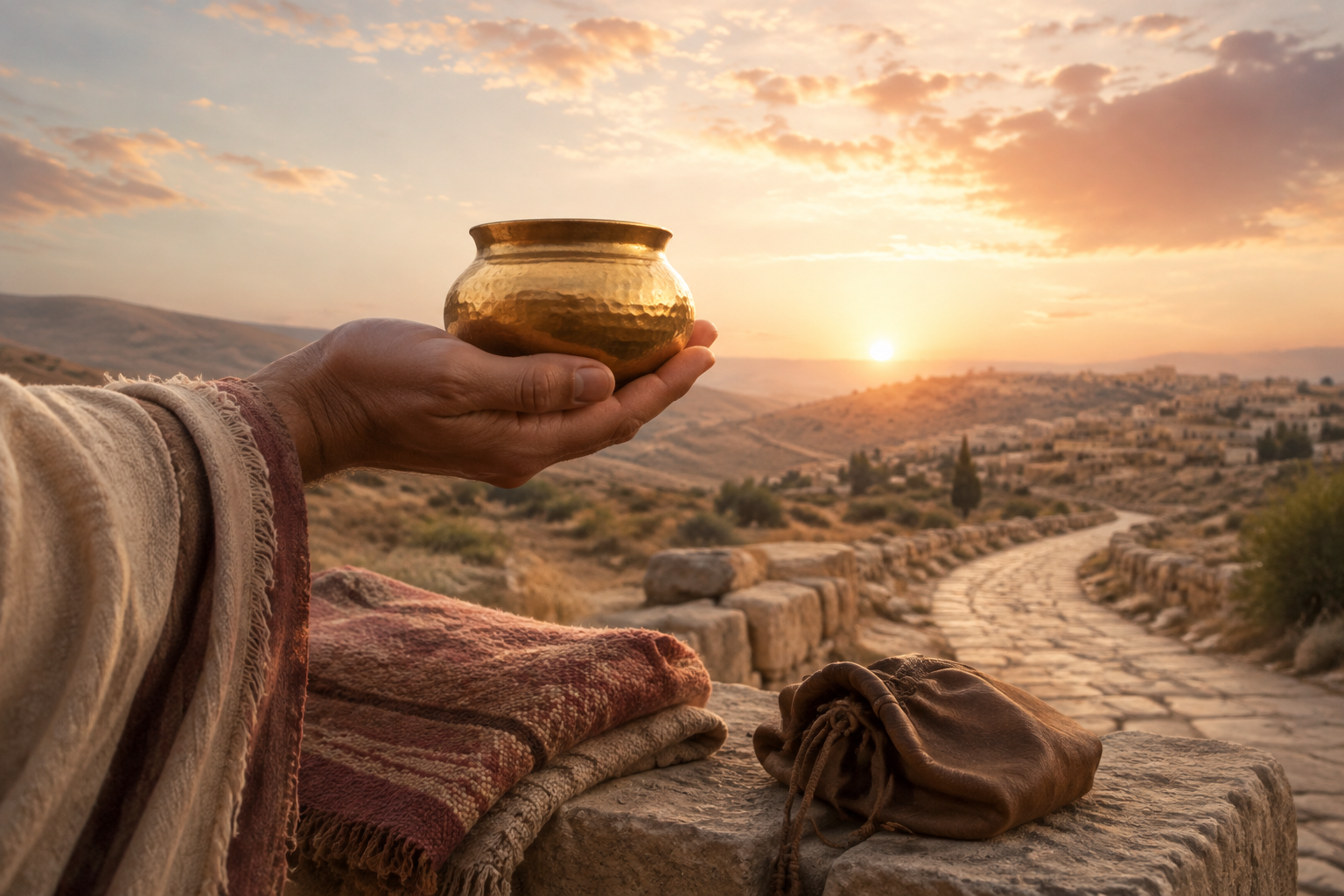
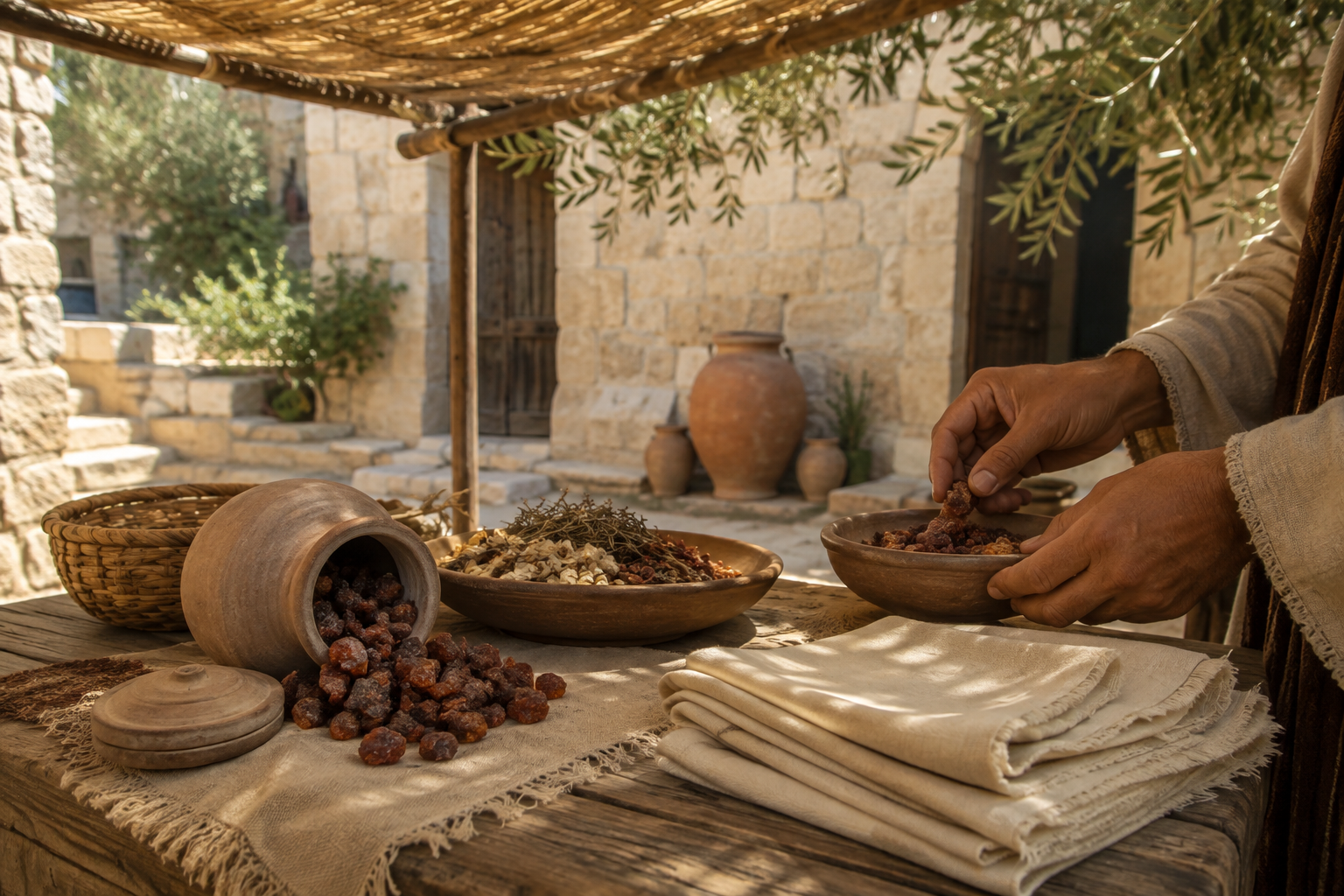
Frankincense is a fragrant resin. It comes from certain trees and can be burned as incense. The smell rises with the smoke, which is why incense became connected with worship in the Bible.
God gave Israel instructions about holy incense and anointing oil. Read Exodus 30:22-38 for the instructions concerning these sacred materials. We should not claim that Matthew explains frankincense with one fixed sentence, but the gift naturally carries a worshipful setting.
Frankincense points us toward the question of Jesus’ identity. The Magi did not treat Him as an ordinary child. They worshiped Him. Christians confess that Jesus is the divine Son of God who took on human flesh. He is truly God and truly man.
Jesus is also the perfect mediator between God and sinners. The Old Testament priesthood pointed forward to the greater work Christ would complete. Jesus does not merely bring a pleasant fragrance into worship. He brings us to God through His own death and resurrection.
When Christians pray today, we do not need special incense to make God hear us. Because of Jesus, we can draw near with confidence. Our prayers and praise rise to God through the saving work of Christ.
What Was Myrrh Among the Three Wise Men Gifts?
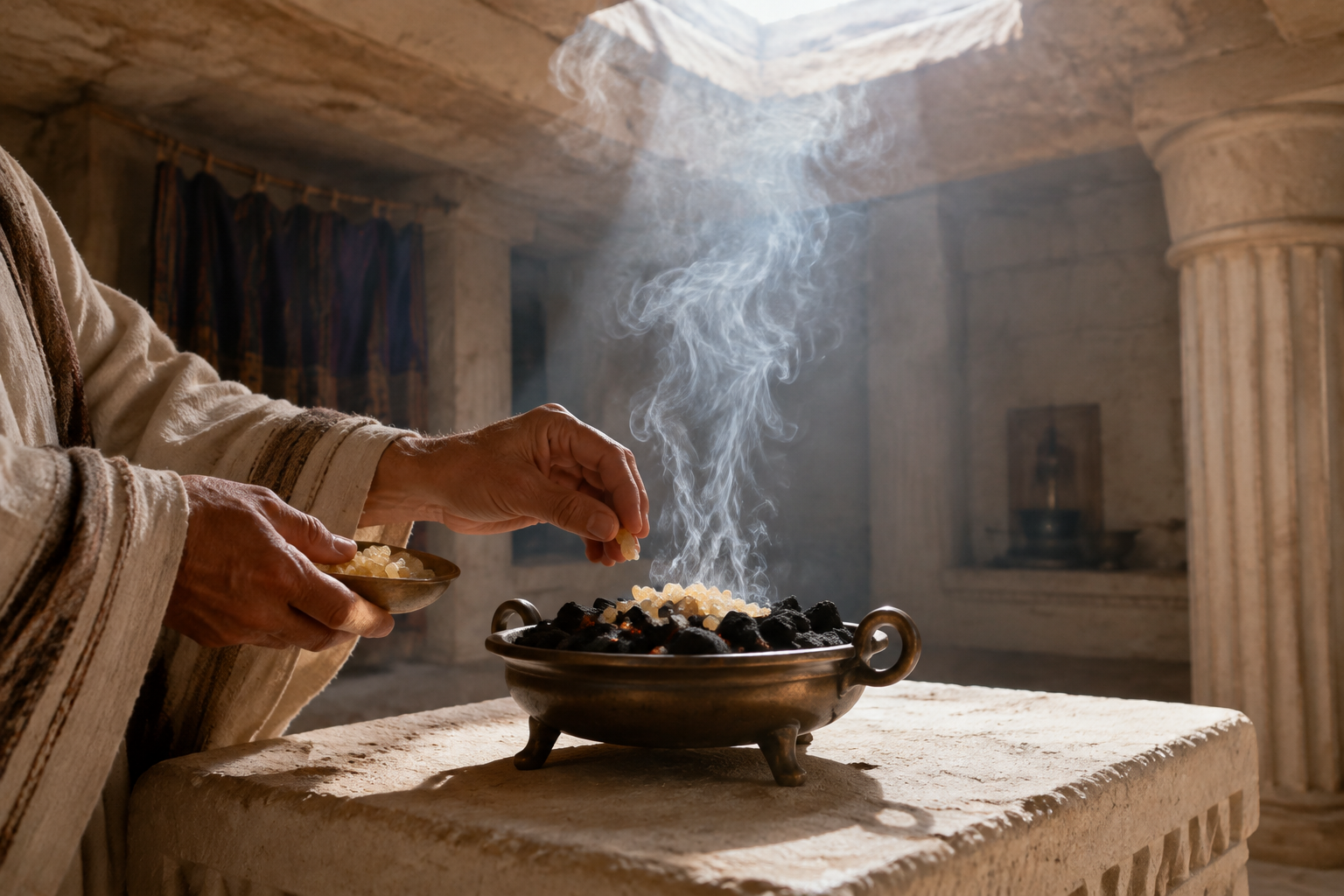
Myrrh is also a fragrant resin. In the ancient world it could be used in perfume, ointment, and the preparation of a body for burial. It was valuable, portable, and fitting for a royal gift.
John 19:39 says that Nicodemus brought myrrh and aloes when Jesus was buried. Read the John 19 account of Jesus’ burial. This later use of myrrh helps Christians reflect on the path Jesus came to walk.
Many Christians see myrrh as a sign that the child in Bethlehem would suffer and die. That is a meaningful Christian reflection, but we should state it carefully. Matthew names myrrh without explaining its symbolism. The full New Testament later shows that Jesus came to give His life as a ransom for many.
The good news does not end with death. Jesus truly died, was buried, and rose again. Myrrh can remind us of the cost of redemption, but the empty tomb declares the victory of the risen Savior. Jesus is alive, and His death fully accomplishes salvation for all who trust in Him.
Is the Traditional Symbolism Biblical?
A common Christian explanation says that gold represents Jesus’ kingship, frankincense represents His deity or priestly work, and myrrh represents His suffering and death. This explanation can help us remember the Gospel, especially when it is connected to the rest of Scripture.
We should still distinguish between direct teaching and later reflection. Matthew directly teaches that the Magi brought gold, frankincense, and myrrh, worshiped Jesus, and obeyed God’s warning. Matthew does not directly assign a one-line symbol to each item.
Good Bible study lets clear statements lead and thoughtful connections follow. We can say, “Christians have often understood these gifts as pointing to Jesus’ kingship, worship, and death.” We should not say, “Matthew explicitly gives this interpretation,” because he does not.
The larger message is certain. Jesus is the King. Jesus is worthy of worship. Jesus came to save sinners through His death and resurrection. The gifts support the scene, but Christ Himself is the treasure.
How Isaiah 60 and Psalm 72 Help Us Read Matthew 2?
Matthew’s Gospel often shows how Jesus fulfills the promises of the Old Testament. Matthew 2 includes a quotation from Micah about Bethlehem. The gifts of the Magi also remind readers of passages that speak about nations and kings bringing wealth to God’s light.
Isaiah 60 says that nations will come to the light and that gold and frankincense will be brought while the praises of the Lord are proclaimed. Read Isaiah 60:1-6. The passage is not a simple code in which every detail can be matched without context, but it gives a rich biblical background for Gentiles coming to honor God’s chosen King.
Psalm 72 speaks of kings bringing gifts and all nations serving the king. These passages help us see that Jesus is not only a private comfort for one group. He is the promised Savior for the nations.
The Magi came from the east. They were outside the people of Israel, yet they were drawn to Jesus. This points forward to the Gospel going to every nation. Jesus welcomes people from every language and people group who turn to Him in faith.
Why Did the Magi Worship a Child?
The Magi worshiped Jesus because they believed He was the King of the Jews. Their worship was remarkable because Jesus appeared in weakness. He was a child in a house, not a ruler in a palace surrounded by soldiers.
Christian faith sees more than a royal child. Jesus is the eternal Son of God who entered our world. John’s Gospel teaches that the Word became flesh. The child born of Mary is the same Lord who created all things, revealed the Father, died for sinners, and rose from the dead.
Herod heard the news and was troubled. The Magi heard the news and rejoiced. The same Jesus still exposes the posture of every heart. We can resist His authority, or we can bow before Him with joy.
Worship is not merely singing a song or attending a service. It is receiving Jesus as Lord and Savior. It includes repentance, trust, obedience, praise, and a life turned toward God.
Read more about what Jesus preached. His message calls people to repent, believe the good news, seek God’s kingdom, and follow Him.
What Do the Gifts Teach About Jesus’ Mission?
The three gifts help us remember the whole mission of Jesus. Gold points us toward the King. Frankincense calls us to worship the divine Son. Myrrh reminds us that the Savior came to suffer and die.
Jesus did not come only to make people feel inspired. He came to deal with sin. We are separated from God by our rebellion, and we cannot rescue ourselves. The Son of God took our human nature, lived without sin, and gave Himself on the cross.
At the cross, Jesus bore the judgment sinners deserve. He died in the place of His people. Then He rose bodily from the grave. His resurrection shows that death was defeated and that God accepted His saving work.
That is why the gifts are not the center of the story. They direct our eyes to Christ. He is the perfect King, the worthy object of worship, and the crucified and risen Savior. Anyone who comes to Him in faith receives forgiveness and new life.
What Do the Gifts Teach About the Nations?
The Magi came from the east, not from the shepherds’ village or the religious center of Jerusalem. Their visit shows that God was drawing people beyond Israel to the newborn King.
This does not mean that every religious idea is true. The Magi needed God’s revealed word to identify Bethlehem, and they needed God’s warning to avoid Herod. Their journey was guided toward Jesus, not toward human wisdom as an authority above Scripture.
The Gospel is for the nations because Jesus is the only Savior. People from every background need the same grace. No nation, family history, education, or spiritual search can replace repentance and faith in Christ.
Christians should therefore welcome people from every people group while speaking the truth about Jesus. We do not need to hide the uniqueness of Christ. He is the one Lord who died and rose again to gather a people from every nation.
How Did the Magi Respond to God’s Warning?
After worshiping Jesus, the Magi were warned in a dream not to return to Herod. They obeyed and went home by another road. Matthew presents this as a simple act of obedience, but it reveals a changed relationship to God’s direction.
Herod wanted the Magi to report the child’s location. He used worship language for a violent purpose. The Magi did not follow his plan after God warned them. Their obedience protected the child and refused to serve a wicked ruler.
Christians also need wisdom. Not every request deserves our agreement. God’s word teaches us to honor authorities, speak truth, protect the vulnerable, and refuse evil. Wise obedience is not loud or proud. It listens to God and takes the right path.
Read more about Christian wisdom. Biblical wisdom helps us test what we hear, recognize danger, and follow Jesus with courage.
How Can Christians Offer Their Best to Jesus Today?
Most Christians will never place gold, frankincense, or myrrh before Jesus in a first-century house. Yet the heart of the Magi’s response still matters. We are called to honor Christ with all that we are and have.
We do not give to earn salvation. Salvation is a gift of grace through faith in Jesus Christ. God does not become our debtor because we give money, time, or effort. Instead, those gifts become thankful responses to the mercy we have already received.
Offer Jesus your trust. Bring Him your sin and receive His forgiveness. Offer Him your attention by listening to Scripture. Offer Him your work, family, money, gifts, and future. Serve people quietly because Christ is worthy, not because you need applause.
The Magi opened their treasures. We can ask whether fear or selfishness has closed ours. Jesus is not a tool for getting what we want. He is Lord. He is our Savior. He is worthy of joyful obedience.
Common Questions About the Three Wise Men Gifts
What gifts did the wise men give Jesus?
Matthew 2:11 says the Magi opened their treasures and gave Jesus gold, frankincense, and myrrh. These are the three gifts named in the Bible.
Does the Bible say there were three wise men?
No. Matthew names three gifts, but he does not give the number of Magi who came. Christians often call them the three wise men because of the three gifts.
What did gold symbolize in the gifts of the Magi?
Gold was a valuable gift fit for a king. Christians have often seen it as a sign of Jesus’ kingship, which agrees with the Magi’s question about the King of the Jews.
What do frankincense and myrrh mean?
Frankincense was a fragrant resin used with incense and worship. Myrrh was a fragrant resin used in perfume and burial preparation. Christians have therefore connected them with Jesus’ holiness, priestly work, suffering, death, and burial, while remembering that Matthew does not explain a fixed symbol for each gift.
What should Christians learn from the wise men gifts?
The gifts teach us to honor Jesus, worship Him, trust the Bible, obey God’s warning, and offer our lives to Christ. Salvation is God’s gift of grace, not something we buy with our gifts or good works.
A Prayer to Worship Jesus with Joy
Father in heaven, thank You for sending Your Son, Jesus Christ, into the world. Thank You that He is the promised King, the divine Son, the perfect Savior, and the risen Lord.
Give us the humble worship of the Magi. Help us listen to Your word, follow Your wisdom, and turn away from every path that dishonors Christ. Keep us from adding human tradition to Scripture or treating our own ideas as Your command.
Teach us to offer our lives to Jesus with thankful hearts. Help us use our time, work, possessions, and gifts to love You and serve our neighbors. Let our worship be sincere, our faith steady, and our obedience glad.
We trust the death and resurrection of Jesus. We know that salvation is Your gracious gift. Keep our eyes on Christ, our King and Savior. In Jesus’ name, amen.