
The question of Judas death is painful because Judas was close to Jesus. He walked with the Lord, heard His teaching, saw His miracles, and shared life with the other disciples. Yet he betrayed Jesus to the leaders who wanted Him dead. The end of Judas is one of the Bible’s clearest warnings about the danger of loving money, hiding sin, and treating regret as if it were the same as repentance.
The Gospel accounts do not invite us to enjoy a dark story. They invite us to listen to God’s truth and run to Jesus Christ. Jesus is the divine Son of God, the promised Savior, and the Lord who truly died for sins and rose again. The Bible is our authority, so we will let Matthew, Acts, John, and Mark speak carefully. We will also avoid claims Scripture does not make.
Matthew 27 tells us that Judas felt remorse, returned the thirty pieces of silver, and died after the condemnation of Jesus. Acts 1 records Peter’s account of Judas and the field connected with his wicked payment. These passages emphasize different details, but both show that Judas’s choices brought a terrible end. They also leave us with a living question: when we see our sin, will we hide in despair, or will we turn to the Savior who receives repentant sinners?
Who was Judas Iscariot?
Judas Iscariot was one of the twelve apostles chosen to be with Jesus. He traveled with the Lord and the other disciples during Jesus’ public ministry. John identifies Judas as the one who would betray Jesus, and John also notes that Judas kept the shared moneybag while secretly taking what was put into it. That detail shows a pattern of hidden sin before the final betrayal.
Judas had real access to Jesus’ teaching, but access is not the same as saving faith. A person can be near Christian activity, know Bible words, and still refuse to surrender the heart to Christ. Judas’s story should make church members humble, watchful, and quick to ask God to expose false motives.
For a wider study of people who appear in the Gospel story, read our guide to key biblical figures and contemporaries of Jesus Christ. The aim is not to collect facts only, but to see how every life points us toward the holiness and mercy of Jesus.
Why did Judas betray Jesus?
Matthew 26 says Judas went to the chief priests and asked what they would give him to deliver Jesus to them. They counted out thirty pieces of silver. The amount fulfilled Scripture’s pattern of a servant being valued cheaply, but Judas was still responsible for his willing choice. He did not merely make a mistake in a confused moment. He planned to hand Jesus over and then used a greeting to identify Him in the garden.
The Bible gives several angles on Judas’s sin. Money mattered to him. Satan entered into him at the decisive moment. His heart remained set against Jesus even though he had heard the truth. Mark 14:17-21 records Jesus’ warning that the betrayer’s act would be terribly serious. God’s plan for the cross was certain, but God’s sovereignty did not turn Judas into an innocent man. Scripture holds both truths together: Christ was delivered according to God’s purpose, and those who betrayed Him acted wickedly.
Judas warns us that sin grows when it is protected. A private compromise can become a public betrayal. We should ask the Holy Spirit to search our loves, especially our relationship with money, status, control, and approval.
What does Matthew say about Judas death?
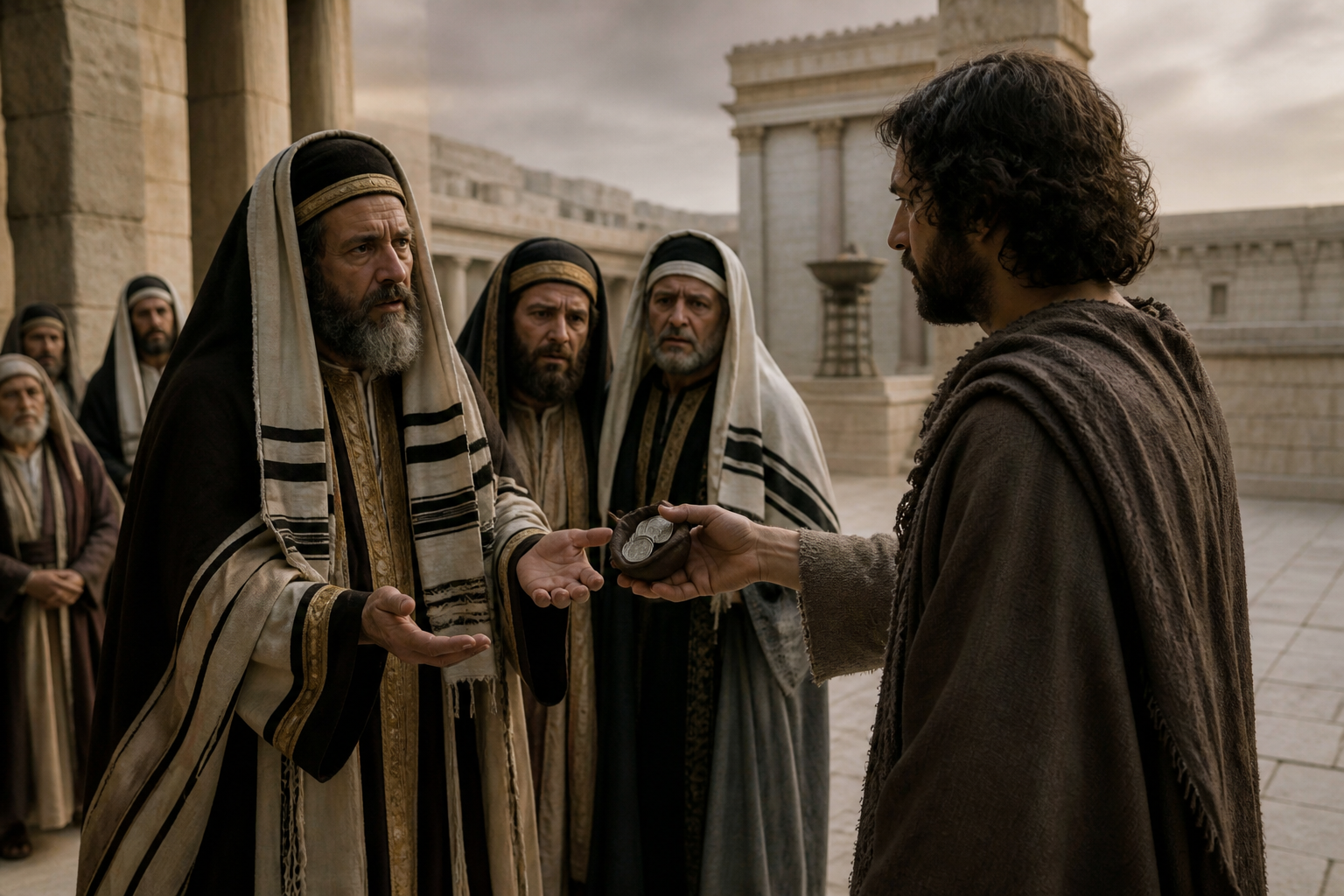
Matthew 26 and 27 give the clearest narrative of Judas’s final hours. After Jesus was condemned, Judas saw that the sentence had been carried out. He felt remorse, brought the thirty pieces of silver back to the chief priests and elders, and confessed that he had sinned by betraying innocent blood.
The leaders refused to take responsibility for Judas’s guilt. Judas threw the money into the temple and left. Matthew then says that he hanged himself. The chief priests used the money to buy the potter’s field as a place for burying strangers. Matthew calls it the Field of Blood and connects the purchase with the words of the prophet.
Matthew’s account is sober and restrained. It does not turn the death into a spectacle. It shows the terrible weight of guilt that has not been brought to the mercy of God. Judas admitted that Jesus was innocent, but he did not go to Jesus in faith. His sorrow became despair instead of a return to the Savior.
What does Acts say about Judas and the field?
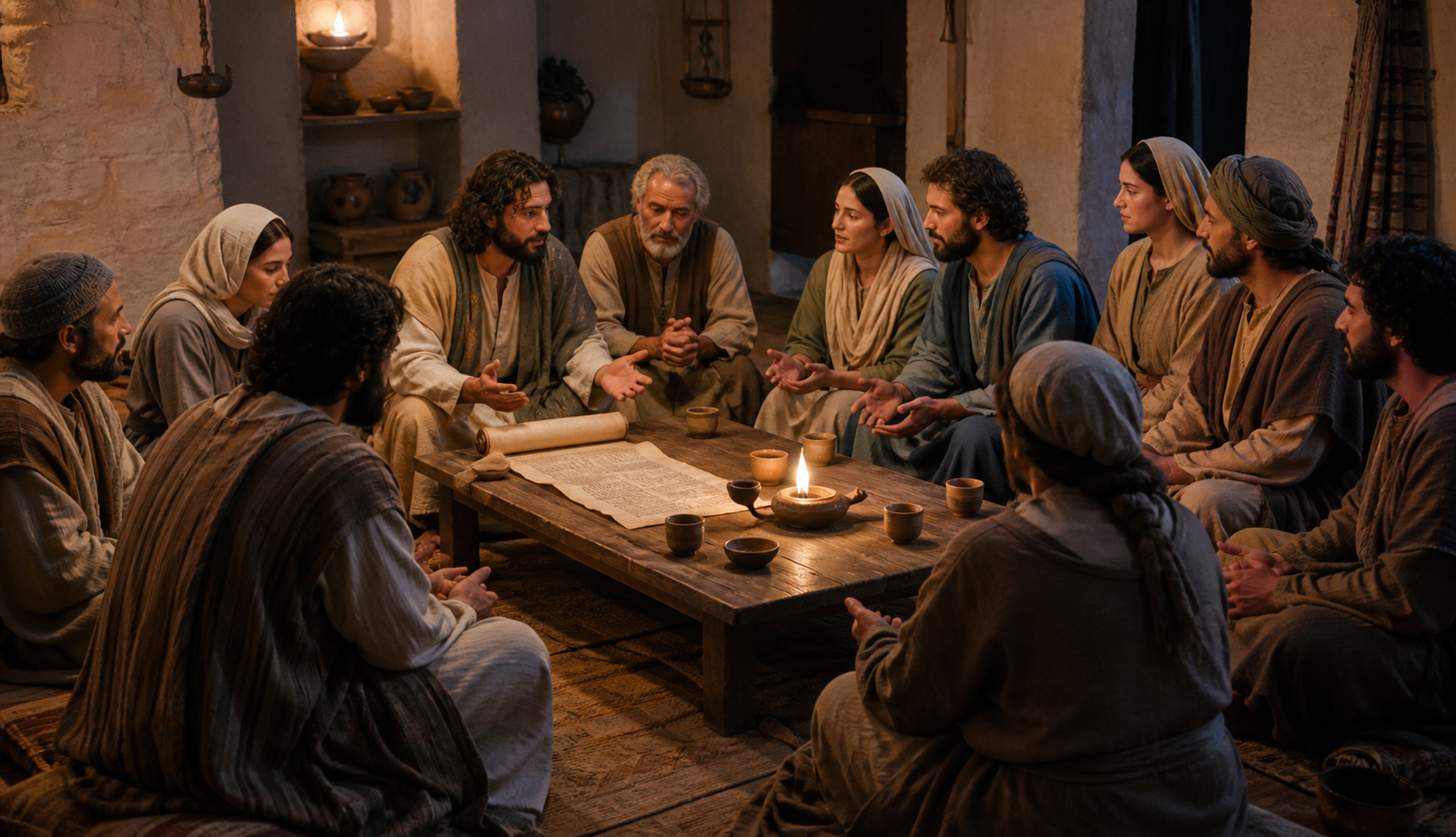
In Acts 1:15-20, Peter speaks to the believers in Jerusalem about the need to replace Judas among the apostles. Peter says Judas was numbered with them and received a share in their ministry, yet he became a guide to those who arrested Jesus. Acts describes Judas as acquiring a field with the reward of his wickedness and falling headlong so that his body was opened.
Readers sometimes treat Matthew 27 and Acts 1 as competing stories. They are better read as two perspectives on the same judgment. Matthew emphasizes Judas’s remorse, the returned money, his death, and the priests’ purchase of the field. Acts emphasizes the public disgrace of the field and the aftermath of Judas’s end. Scripture does not tell us every medical or logistical detail, so we should not invent one.
The main message is clear in both books. Judas’s betrayal did not cancel Jesus’ innocence, and Judas’s position among the apostles did not make his heart faithful. The early church did not protect Judas’s reputation. It told the truth and then continued the mission Jesus had given them.
Is Judas death a warning about remorse?
Matthew says Judas felt remorse, but remorse by itself is not the same as repentance. Remorse feels the pain of consequences. Repentance turns from sin toward God. Judas returned the money and admitted that he had sinned, but he did not seek forgiveness from Jesus. His regret became a dead end.
Paul later distinguishes worldly grief from godly grief. Worldly grief can close a person in on shame. Godly grief leads to a changed life because it brings the sinner into the light and toward God’s mercy. The difference is not the amount of tears. It is the direction of the heart.
When conviction comes, do not make promises to yourself and then hide. Confess your sin to God. If another person was harmed, take wise responsibility. Ask a mature Christian to pray with you. Most of all, look to Jesus, whose death and resurrection are sufficient for everyone who believes.
How is Judas different from Peter?
Peter also failed Jesus in a serious way. He denied knowing the Lord three times. The difference is not that Peter’s sin was small. The difference is what Peter did with his sorrow. Jesus sought Peter, restored him, and gave him work to do. Peter returned to the risen Christ.
Judas returned money to religious leaders, but Peter returned to Jesus. Peter’s restoration was not earned by stronger feelings. It came from Jesus’ grace and Peter’s willingness to receive it. This comparison gives hope to Christians who have failed badly. Your sin is not a reason to stay away from Christ. It is the reason to come into His light.
We must not use Peter’s story to promise that every earthly consequence will disappear. Forgiveness and restoration are gifts, while consequences may remain. Still, the risen Jesus is able to rebuild a life that sin has damaged.
What does Jesus say about Judas?
Jesus knew Judas would betray Him. At the Last Supper, Jesus spoke of the betrayer’s coming act and said it would have been better for that person not to have been born. In His prayer, Jesus referred to the son of destruction so that Scripture would be fulfilled. John 17:12 shows that Jesus understood Judas’s place in the story while remaining faithful to the Father. These statements show the seriousness of Judas’s rejection.
They also show that Jesus was not surprised by the cross. His death was not an accident. The Son willingly laid down His life to save His people. Judas’s sin was real, yet God used the wicked actions of human beings within His plan of redemption.
Because these words are weighty, we should be careful. Scripture warns us about Judas’s end, but it does not give us permission to pronounce confidently on every troubled person’s eternal state. We should call people to repentance, trust God’s judgment, and hold out the mercy of Christ while there is time.
What can Judas teach us about money?
The thirty pieces of silver were not the only reason Judas betrayed Jesus, but money revealed what he loved. Jesus taught that no one can serve both God and money. Wealth becomes dangerous when it promises security, identity, or power that belongs only to God.
Christians should receive money as a stewardship, not a master. Practice honest work, generous giving, contentment, and transparent habits. Invite trusted believers to ask wise questions about financial choices. Hidden greed thrives in secrecy, while gratitude grows in the light.
Money can also tempt ministry leaders. A person may speak about Jesus while using people for personal gain. The church should value integrity, accountability, and care for the vulnerable. Judas reminds us that religious language cannot sanctify a divided heart.
What is the potter’s field in Matthew 27?
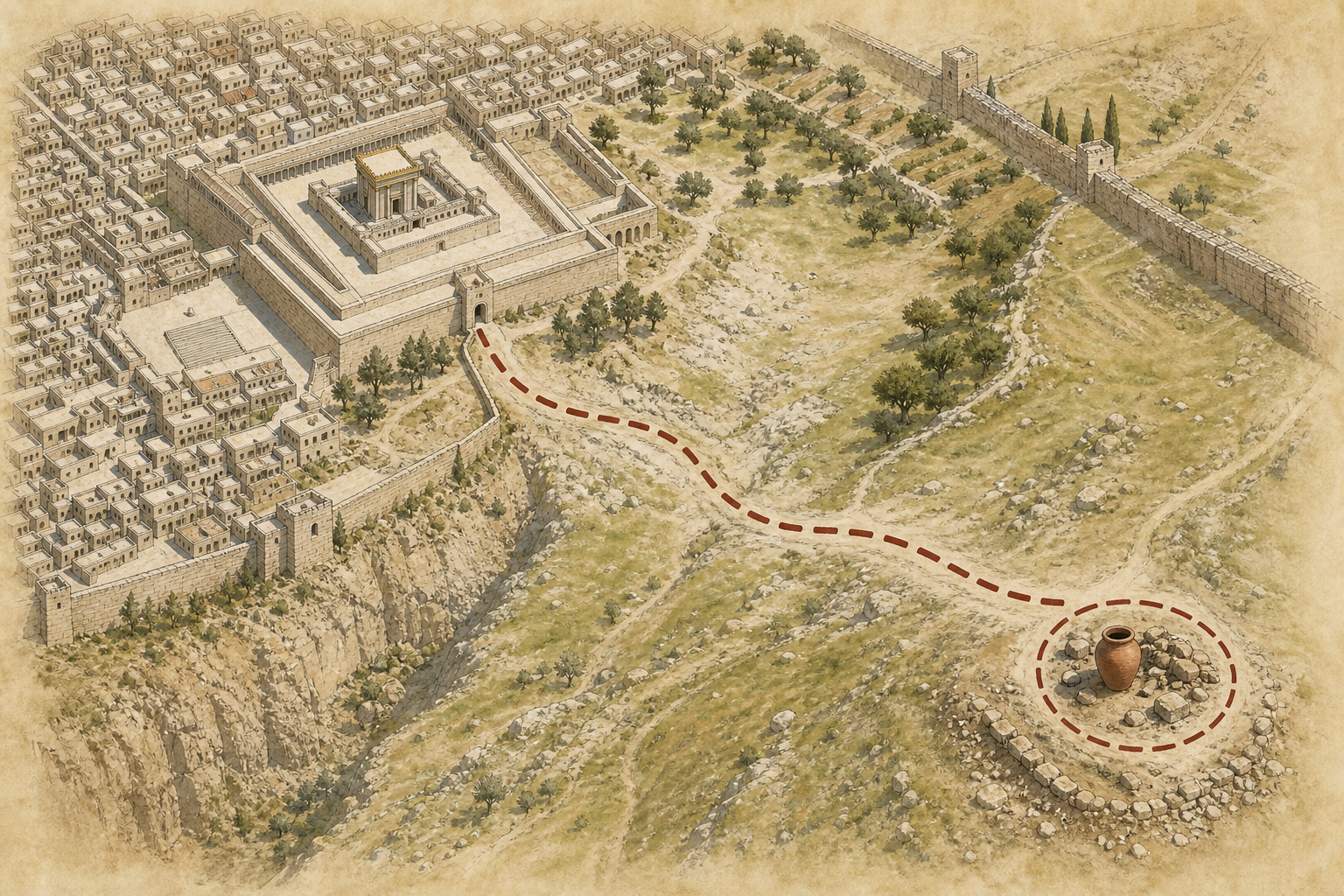
Matthew says the chief priests bought the potter’s field with the money Judas returned. They considered the silver blood money and would not put it into the temple treasury. Instead, they used it for a burial place for strangers. The field became known as the Field of Blood.
The name connects the land with the innocent blood of Jesus and with Judas’s betrayal. It is a physical reminder that sin has public consequences. The leaders tried to manage the money’s appearance while refusing to face the deeper injustice of condemning the Son of God.
Christians should learn from this contrast. Religious respectability is not the same as holiness. God cares about what happens in the heart, in the wallet, and in the treatment of people who have little power. Jesus calls His disciples to truth that reaches every part of life.
What should Christians say about suicide and despair?
Judas’s death is also a pastoral warning about despair. The Bible never treats self-destruction as a small matter, and it never tells suffering people to face darkness alone. If you are thinking about harming yourself, tell someone nearby now, contact local emergency services or a crisis line, and ask a trusted person to stay with you. Seeking urgent help is an act of wisdom, not a lack of faith.
Churches should respond to despair with presence, prayer, professional care, and practical protection. Do not shame a person for needing a doctor or counselor. Do not offer a quick slogan when someone needs patient listening and safety. The Lord often brings help through His people and through skilled care.
Hope in Jesus is not denial. Christ entered human suffering, died, rose again, and promises to be with His people. He can meet a person in the darkest hour. We should keep calling people toward His light while taking every immediate safety step seriously.
How does the Gospel answer Judas’s despair?

The Gospel announces that Jesus Christ is stronger than sin, shame, and death. He is not only a moral teacher who tells us to try harder. He is the divine Savior who took the place of sinners, died on the cross, and rose bodily from the grave. Anyone who comes to Him in repentance and faith receives forgiveness and new life.
That promise does not excuse betrayal. It magnifies grace. The same Lord who warned Judas also welcomed broken people who cried for mercy. The cross shows that God’s justice is real and that God’s mercy is costly. The resurrection shows that Jesus is alive and able to restore those who trust Him.
If guilt is shouting, answer with Scripture and with honest fellowship. Tell God the truth. Tell a mature believer the truth. Make the next faithful repair you can make. Then keep looking to Jesus, not to your ability to punish yourself. Self-destruction cannot pay for sin. Only Christ’s finished work can.
A faithful response to the story of Judas
Judas’s story calls us to examine our hearts without pretending we are safer than he was. Ask God to reveal secret sin. Receive correction before a small compromise grows. Keep money, ministry, and relationships in the light. Stay close to Scripture and to believers who can speak honestly. For additional background, compare this Bible encyclopedia entry on Judas Iscariot with this pastoral study of Judas’s tragic end, and test every conclusion against Scripture.
When you have failed, move toward Jesus quickly. The risen Lord is not honored by hidden despair. He is honored when sinners confess, receive mercy, and walk in new obedience. That path may include counseling, restitution, boundaries, and patient rebuilding, but it begins with the Savior.
For a related look at Jesus’ message and call to repentance, read what Jesus preached. For daily decisions shaped by Scripture, visit our biblical wisdom guide. Let these resources send you back to the Bible and to the Lord Jesus Himself.
Frequently asked questions about Judas death
How did Judas die according to the Bible?
Matthew 27 says Judas hanged himself after returning the thirty pieces of silver. Acts 1 describes the shameful aftermath connected with the field bought with the reward of his wickedness. The passages emphasize different details of the same tragic end.
Why do Matthew 27 and Acts 1 describe Judas differently?
Matthew focuses on Judas’s remorse, the returned money, his death, and the priests’ purchase of the potter’s field. Acts focuses on Peter’s account of Judas and the condition of the field and body. They can be read as complementary perspectives without inventing details Scripture does not give.
Was Judas sorry for betraying Jesus?
Yes, Matthew says Judas felt remorse and admitted that he had sinned. Yet remorse is not the same as repentance. Biblical repentance turns from sin toward God’s mercy in Jesus.
Can a Christian be forgiven after a serious failure?
Yes. Jesus died and rose again so that repentant sinners can receive forgiveness. Forgiveness does not erase every consequence, but Christ can restore a person to fellowship and teach a new path of obedience.
What should I do if I feel hopeless or want to hurt myself?
Tell someone nearby immediately, contact local emergency services or a crisis line, and ask a trusted person to stay with you. Seek professional care and pastoral support. Your life matters, and you do not have to face this danger alone.