
Lonnie Frisbee was a Christian evangelist and musician who played a significant role in the Jesus Movement of the early 1970s, helping to lead thousands of young people to faith in Jesus Christ. Though his life faced personal struggles, he maintained his devotion to Christ until his death in 1993, leaving a lasting legacy on modern Pentecostal and charismatic Christianity.
In the landscape of modern Christian history, few figures are as compelling and complex as Lonnie Frisbee — a passionate evangelist whose fiery preaching helped ignite one of the greatest spiritual awakenings in American history. At a time when mainstream culture was drifting further from faith, Lonnie Frisbee stood as a bold witness for Jesus Christ, leading thousands of young people, hippies, and skeptics alike to a life-changing encounter with the Lord. His ministry was marked by an unmistakable anointing, a deep love for the lost, and an unwavering commitment to the Gospel of Jesus Christ.
This article explores the remarkable life, ministry, and enduring legacy of Lonnie Frisbee — from his radical conversion and his pivotal role in the Jesus Movement of the 1970s, to the controversies that surrounded him and the lasting impact he left on countless believers. Whether you are seeking to learn about a fascinating chapter of church history, looking for encouragement in your own shared faith journey, or simply curious about how God can use one surrendered vessel to touch the world, the story of Lonnie Frisbee is one that points ultimately and powerfully to the transformative love of Christ. As the Apostle Paul wrote, “For I am not ashamed of the gospel, because it is the power of God that brings salvation to everyone who believes” (Romans 1:16, NIV) — and Lonnie Frisbee lived and died proclaiming that very truth.
Who Was Lonnie Frisbee?
Lonnie Frisbee’s Early Life and Conversion to Christianity
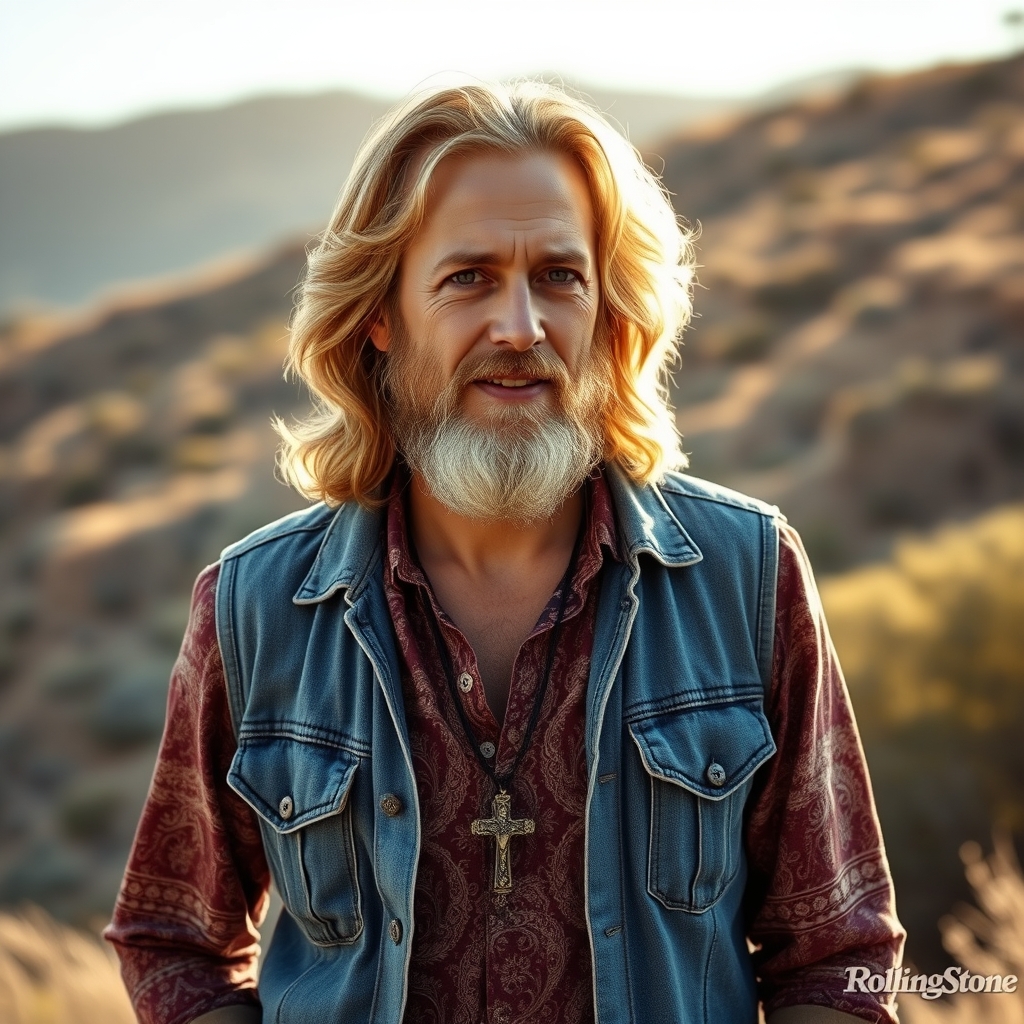
Lonnie Frisbee was born on June 6, 1949, in Costa Mesa, California. His childhood, by many accounts, was marked by personal struggles and a sense of searching for something greater. However, a pivotal transformation occurred when Lonnie encountered the life-changing message of Jesus Christ. His conversion to Christianity was not merely a quiet decision; it was a dramatic awakening that redirected the entire course of his life. After accepting the Lord as his Savior, Lonnie felt an immediate and powerful calling to share the Gospel of the risen Christ with everyone he met. He became known for his bold, open-air preaching and his ability to draw large crowds, particularly among young people, to hear about the love and redemption found only in Jesus.
His Role in the Jesus Movement of the 1970s
Lonnie Frisbee became one of the most recognizable and influential figures in the Jesus Movement of the 1960s and 1970s, a vibrant period of spiritual revival that swept through the United States. This movement, while modern in its cultural expressions, was deeply rooted in the core, eternal truths of the Bible.
- A Catalyst for Revival: Lonnie was a key figure alongside pastors like Chuck Smith at Calvary Chapel Costa Mesa, which became a central hub for this outpouring of faith. He possessed a remarkable and undenitable anointing for evangelism, leading thousands of people, many of them from the counter-culture, to a saving knowledge of Jesus Christ.
- Charismatic Ministry: His ministry style was energetic and charismatic. He focused on the power of the Holy Spirit, baptized countless new believers in the Pacific Ocean, and led vibrant worship services that were central to the movement’s appeal. His ministry emphasized the active, real presence of God in the lives of everyday people.
- Planting a Global Church: Furthermore, Lonnie’s ministry was not isolated. Through a partnership with John Wimber, he played a foundational role in establishing the Vineyard movement. This network of churches continues to thrive worldwide, a testament to the enduring fruit of the revival he helped ignite. The impact of his work helped shape the landscape of modern charismatic Christianity, emphasizing direct experience with God and biblical authority.
In summary, Lonnie Frisbee was a Spirit-filled evangelist and a key architect of one of the largest Christian revivals in modern history. His life, though later marked by personal challenges, was ultimately defined by his enthusiastic proclamation of the Gospel and his instrumental role in leading a generation to a personal relationship with the Lord.
Lonnie Frisbee religion

His beliefs and ministry approach
Lonnie Frisbee’s religion centered entirely on Jesus Christ. His faith was built on simple, powerful truth. He believed the Bible was the living Word of God. Furthermore, he preached that salvation comes only through faith in Jesus alone.
His ministry approach was straightforward and bold. He shared the Gospel with anyone who would listen. In addition, he emphasized the love of God to those society rejected. As a result, he reached outcasts, hippies, and broken believers. He did not focus on rules or religious tradition. Instead, he focused on the person of Jesus Christ. He desired to make Him known everywhere he went.
Moreover, he relied deeply on the Holy Spirit. He believed God was alive and active. Therefore, he expected God to work through him in the streets. He often led thousands to Christ through passionate preaching. He loved people into the Kingdom. He showed them the love of Jesus through his own vulnerable life.
Denominational affiliations and relationships
Lonnie Frazee did not fit neatly into any specific religious box. His life spanned several different Christian groups. He connected deeply with the Catholic Charismatic movement first. There, he learned about the gifts of the Holy Spirit. Subsequently, he later became a key figure at Calvary Chapel in Southern California. Pastor Chuck Smith welcomed his passion for ministry.
However, his independent spirit sometimes caused friction. He struggled with formal church structure. At the same time, his family life faced intense strain. He eventually left Calvary Chapel due to theological and personal disagreements. Yet, he remained a committed follower of Jesus Christ until his final breath.
- Catholic Charismatic: Introduced him to the gifts of the Spirit.
- Calvary Chapel: The platform for his nationwide evangelism.
- Dove Christian Fellowship: A safe place for spiritual healing later in life.
- Independent Ministry Continued: He never stopped sharing the Gospel, regardless of location.
How did Lonnie Frisbee pass away?
Final years and circumstances surrounding his death
Lonnie Frisbee’s final years were marked by both spiritual reflection and significant personal challenges. After years of intense evangelistic ministry, Lonnie faced various struggles that affected his health and well-being. Despite these difficulties, he continued to share his faith and minister to those around him until the end of his life.
Lonnie Frisbee passed away on March 12, 1993, at the age of 43. His death came as a shock to many in the Christian community who had been impacted by his powerful ministry during the Jesus Movement of the 1970s. The circumstances surrounding his passing highlighted the fragility of human life and served as a reminder that even those used greatly by God are subject to the brokenness of this world.
Throughout his final years, Lonnie experienced a complex journey of faith. He wrestled with personal demons and the weight of his past. Yet he never stopped pointing people toward Jesus Christ. His life story stands as a testament to God’s grace working through imperfect vessels.
The illness that took his life
Lonnie Frisbee died from complications related to AIDS. This was a devastating diagnosis that ultimately claimed his life. The disease progressively weakened his body and left him unable to continue his active ministry.
His illness raised difficult questions for many believers. Some struggled to understand how a man who had been so used by God could face such a challenging end. However, Lonnie’s story reminds us that suffering is part of the human experience. Even faithful servants of God walk through valleys in this life.
The Bible speaks to this reality in Romans 8:28: “And we know that in all things God works for the good of those who love him, who have been called according to his purpose.” Lonnie’s life and death both testify to the truth that God’s purposes are bigger than our understanding.
His passing also serves as a sobering reminder of the consequences of sin and the brokenness of our world. Yet it simultaneously points to the hope we have in Christ. As believers, we look forward to the day when “He will wipe every tear from their eyes. There will be no more death or mourning or crying or pain” (Revelation 21:4).
Lonnie Frisbee’s legacy continues to impact countless lives. His story challenges us to examine our own faith and to trust in the sovereignty of God, even in the midst of suffering and uncertainty.
Did Lonnie Frisbee perform miracles?
As Lonnie Frisbee traveled and shared the Gospel during the Jesus Movement, many people stepped forward with remarkable stories. Lonnie himself and those who prayed with him attributed these events to the power of God.
Accounts of Healings and Supernatural Encounters
During his ministry with Calvary Chapel and the Vineyard, Lonnie prayed for people who were sick. Numerous testimonies emerged. Many claimed to have experienced physical healing. Others described a deep inner restoration that transformed their spiritual condition.
For example, attendees at Lonnie’s services often reported:
- Chronic illnesses they struggled with for years disappearing
- Emotional brokenness giving way to renewed hope
- Addictions losing their grip as they encountered the love of Jesus Christ
- Physical sensations they attributed to the Holy Spirit moving through the congregation
Lonnie understood these events through the lens of Scripture. In Acts 5:12–16, the apostles were associated with healings that drew many to the faith. Likewise, Mark 16:17–18 records Jesus’ promise that signs would accompany those who believe. Lonnie saw his ministry as a continuation of the early Church’s experience. He believed the same God who healed in the Book of Acts still moves today.[1]
It is important to recognize that Lonnie was never the source of these miracles. He consistently pointed people toward Jesus Christ. He urged attendees to seek God rather than rely on any human ministry. His role was that of a vessel God used to bring people to saving faith.
The Role of Faith in His Evangelistic Ministry
While the reports of healings were significant, Lonnie’s primary focus was evangelism. He wanted lost souls to be saved. For Lonnie, the evidence of God’s power was not about sensational stories. It was about lives transformed by new birth in Christ.
He built his preaching on several biblical truths:
- Jesus Christ is the same yesterday, today, and forever (Hebrews 13:8).[2]
- Faith in Jesus is necessary to receive healing and salvation (Mark 11:24).
- Miracles are meant to confirm the message of the Gospel, not replace it (Hebrews 2:3–4).
Because of this, Lonnie did not teach that miracles automatically proved the truth of the Gospel. He understood that even deceptive signs can occur (Matthew 24:24). Instead, he encouraged believers to test all things against Scripture. The Holy Spirit guided the Church into a deeper revelation of God’s love and grace.
Lonnie’s powerful oratory style drew crowds. When he shared his own brokenness and the radical way Jesus saved him, hearts were moved to re-examine their relationship with God. People did not merely attend a service to see a supernatural show. They experienced conviction of sin and a call to repentance.
Moreover, Lonnie placed an immense emphasis on the indwelling of the Holy Spirit. He taught that every believer could access the same power that raised Jesus from the dead. This emphasis on personal experience with God distinguished his ministry. He wanted each person to encounter God for themselves.
A Balanced, Scripture-Based Perspective
Today, many Christians look back on Lonnie Frisbee’s ministry with mixed feelings. Some remember authentic encounters with God. Others point to controversies and doctrinal imbalances. Regardless, the key is to always hold fast to Scripture as our final authority.
Signs and wonders can strengthen our faith. But they must never become the foundation. The only true miracle we need is the miracle of salvation. It comes by grace through faith alone in Jesus Christ (Ephesians 2:8–9).[3]
Lonnie’s story reminds us that God can work through imperfect people. He used Lonnie to bring thousands to a saving knowledge of Jesus. Whether or not every reported healing was verifiable, the fruit of transformed lives speaks for itself.
Ultimately, the question is not merely whether Lonnie Frisbee performed miracles. The question is whether we, like Lonnie, will surrender our entire lives to the true miracle worker—Jesus Christ, the Son of the Living God. When we do, He continues to change hearts and perform wonders in our midst.
Why was Lonnie Frisbee excommunicated?
Lonnie Frisbee was one of the most influential evangelists of the Jesus Movement in the 1970s. His passionate preaching and gift of evangelism brought thousands to faith in Jesus Christ. However, his ministry journey was not without significant conflict and controversy. His eventual separation from responsible church oversight remains a sobering and complex part of his story.
Church Controversies and Denominational Conflicts
Lonnie Frisbee operated in spiritual gifts that captured national attention. His preaching was dynamic. His ability to reach young people was unmatched. However, alongside these strengths came patterns of behavior that raised serious concerns among church leaders.
Several key factors contributed to growing tensions within the churches he served:
- Lifestyle and personal conduct: Lonnie struggled with alcohol use during much of his ministry years. This created concern among fellow leaders who felt it brought reproach on the name of Jesus.
- Independent decision-making: Lonnie often made major ministry commitments without consulting pastoral leadership. This pattern strained relationships and created confusion within church structures.
- Moral and ethical allegations: Serious allegations regarding conduct inconsistent with biblical standards of moral purity were brought forward. These matters deeply troubled church leadership and required accountability.
- Doctinal disagreements: Tensions arose regarding the role of spiritual gifts, church governance, and the proper exercise of ministry authority.
- Growing notoriety: As Lonnie received significant media attention, some leaders expressed concern that celebrity culture was overshadowing the simple message of the Gospel.
Church leaders are biblically instructed to maintain high standards for those who teach and shepherd the flock. Scripture tells us, “Not many of you should become teachers, my brothers, for you know that we who teach will be judged with greater strictness” (James 3:1). Accountability is not punishment. It is an act of love and spiritual protection for both the leader and the congregation.
His Relationship with Chuck Smith and Calvary Chapel
The most defining and well-documented chapter of Lonnie Frisbee’s story is his relationship with Chuck Smith, the founder of Calvary Chapel. Their partnership was instrumental in launching one of the largest church movements in modern American history. By the early 1970s, Calvary Chapel Costa Mesa had grown from a small congregation to thousands of attendees, largely because of the Jesus Movement revival that Lonnie helped ignite. According to historical accounts, thousands of young people came to faith in Christ during this period of spiritual awakening.
Chuck Smith and Lonnie Frisbee made an unlikely team. Smith was a steady, Bible-teaching pastor grounded in structure. Lonnie was a charismatic evangelist full of spiritual fire. Together, they seemed unstoppable. The church became one of the fastest-growing congregations in the United States during that era.
However, as the ministry expanded, the relationship between Smith and Frisbee grew increasingly difficult. Lonnie felt restricted by church leadership structures. Meanwhile, Smith and other board members became more concerned about accountability and the direction of the fellowship.
The relationship eventually reached a breaking point. Chuck Smith made the painful decision to ask Lonnie to step away from ministry leadership at Calvary Chapel. This was one of the most heartbreaking moments of Lonnie’s life. He felt deeply rejected by the spiritual father figure he had trusted and loved.
Despite this painful chapter, there is evidence of reconciliation between Smith and Frisbee in later years. In the documentary Frisbee: The Life and Death of a Hippie Preacher, there are accounts suggesting that Smith acknowledged his own failures in how he handled the situation. This complexity reminds us that even godly leaders are imperfect and that relationships in ministry require grace on every side.
There is an important biblical principle at work here. Scripture teaches that “God opposes the proud but gives grace to the humble” (James 4:6). Ministry success does not exempt anyone from accountability. Likewise, being disciplined or asked to step aside does not mean a person is permanently disqualified. God is a restorer. As Psalm 23:3 tells us, “He restores my soul.”
The story of Lonnie Frisbee’s removal from ministry leadership offers believers several important lessons:
- Gifts do not replace character. God gives spiritual gifts by His grace, but He also calls every believer to grow in holiness and Christlike maturity.
- Accountability is biblical. Proverbs 27:17 says, “Iron sharpens iron, and one man sharpens another.” Every leader needs trusted voices who speak truth.
- Broken relationships can be healed. Even when church conflicts cause deep hurt, God is able to bring restoration and reconciliation in His timing.
- God’s plans are bigger than one person. No single individual is the Gospel. Jesus Christ is the only foundation of the Church (1 Corinthians 3:11).
Ultimately, the story of Lonnie Frisbee’s conflicts with church leadership points us back to the sufficiency of Jesus Christ. Human leaders will always fail us in some way. But Jesus never fails. He is the same yesterday, today, and forever (Hebrews 13:8). Our faith must rest not in men, but in the living God.
What does Greg Laurie say about Lonnie Frisbee?
Personal reflections from a ministry protégé
Greg Laurie has spoken openly and tenderly about the profound impact Lonnie Frisbee had on his life and ministry. As a young teenager searching for meaning, Laurie encountered Lonnie during the height of the Jesus Movement in Southern California. He has often described that meeting as life-changing. Lonnie’s bold love for Jesus Christ was unlike anything Laurie had ever witnessed.
In his reflections, Laurie recalls how Lonnie Frisbee led him personally to the Lord. This was not a distant or formal experience. Instead, Lonnie sat with the young Greg and clearly explained the Gospel. He shared how Jesus Christ died for our sins, rose again on the third day, and offers eternal life to all who believe. That simple yet powerful message transformed Laurie’s heart forever.
Laurie has also emphasized that Lonnie’s evangelistic passion was authentic and deeply Spirit-led. He frequently recounts how Lonnie would walk directly up to strangers on the beach or on the streets and share the love of Jesus. There was no hesitation and no fear. Laurie describes this boldness as something that deeply shaped his own calling as pastor and evangelist.
Furthermore, Laurie has reflected on the complexity of Lonnie’s life. He does not shy away from acknowledging the struggles Lonnie faced. However, Laurie consistently points back to the genuine fruit that Lonnie’s ministry produced. Thousands came to faith in Jesus Christ through Lonnie’s witness. For Laurie, that fruit is evidence of the real work of the Holy Spirit.
Gratitude and spiritual mentorship
Greg Laurie has expressed deep and lasting gratitude toward Lonnie Frisbee for his spiritual mentorship. He regards Lonnie as one of the most important figures in his early walk with Christ. In several public addresses and writings, Laurie refers to Lonnie with great reverence and affection.
Specifically, Laurie has acknowledged that without Lonnie’s personal investment, his own ministry might never have taken shape. Lonnie modeled what it means to share the Gospel with urgency and sincerity. He showed that every believer has a testimony worth sharing. In addition, Lonnie demonstrated the importance of depending on the Holy Spirit rather than human strategies alone.
Laurie has also spoken about how Lonnie’s influence extended beyond their early years together. Even as Laurie grew into his role as senior pastor of Harvest Christian Fellowship, the lessons learned from Lonnie remained foundational. These included the following principles:
- A relentless commitment to sharing the Gospel of Jesus Christ with every person possible
- A deep dependence on the power and guidance of the Holy Spirit
- An unwavering belief that God can transform any life, no matter how broken
- A passion for authenticity in faith, refusing to hide one’s struggles from God or others
- A conviction that Scripture is the authoritative Word of God and the foundation of all ministry
In his book Jesus Revolution, Laurie paints a vivid picture of their shared journey during a remarkable season of revival. He honors Lonnie as a true pioneer of the Jesus Movement while also being honest about the challenges that followed. Through it all, Laurie’s consistent message is one of gratitude. He believes God used Lonnie Frisbee in a powerful way to reach an entire generation for Christ.
Ultimately, Greg Laurie’s reflections serve as a testament to God’s redemptive purposes. Even when human beings falter, God’s plans cannot be thwarted. As Scripture declares, “For we are God’s handiwork, created in Christ Jesus to do good works, which God prepared in advance for us to do” (Ephesians 2:10). Laurie sees Lonnie Frisbee’s life through that lens, a man whose faithfulness in the early days echoed far beyond what he could have imagined.
What happened to Lonnie Frisbee’s wife?
His Marriage to Connie Bremer
Lonnie Frisbee met Connie Bremer during the height of the Jesus Movement in the early 1970s. At that time, Lonnie was traveling across the country, sharing the Gospel of Jesus Christ with young people. Their relationship grew out of a shared love for the Lord and a mutual calling to serve His Kingdom.
The two were married in 1970. Their union was rooted in faith from the very beginning. Together, they dedicated their lives to living out the message of Jesus Christ. As Lonnie traveled and ministered, Connie stood beside him as a steadfast partner in the journey.
Their marriage, however, was not without difficulty. Lonnie’s intense and unconventional ministry style often drew scrutiny from church leaders. Additionally, Lonnie struggled with his own identity and personal challenges, which placed significant strain on their relationship. Despite these struggles, the love between Lonnie and Connie remained a meaningful part of his story.
It is important to note that Scripture teaches us the beauty and sanctity of marriage. Hebrews 13:4 says, “Let marriage be held in honor among all, and let the marriage bed be undefiled.” Whether in seasons of joy or hardship, God’s design for marriage reflects His faithfulness to His people.
Life and Family After His Passing
Lonnie Frisbee passed away in 1993. Upon his death, Connie Bremer Frisbee faced the difficult task of moving forward without her husband. The loss of a spouse is one of the most painful experiences a person can endure. Yet, as believers, we are reminded that God is “close to the brokenhearted and saves those who are crushed in spirit” (Psalm 34:18, NIV).
After Lonnie’s passing, Connie largely stepped away from the public spotlight. She chose to live a more private life, away from the cameras and the controversy that had often surrounded her husband’s ministry. This decision reflected a desire for peace and a quieter walk with the Lord.
Lonnie and Connie had children together. After their father’s death, the family continued to carry the weight of his legacy. Raising children without a parent is never easy, but the promises of God remain sure. Isaiah 41:10 assures us: “So do not fear, for I am with you; do not be dismayed, for I am your God. I will strengthen you and help you.”
Connie’s journey after Lonnie’s passing is a testament to the resilience that faith in Christ can provide. While the world may remember Lonnie for his dramatic ministry, those closest to him remember the personal cost of a life lived in service to the Gospel.
The story of Lonnie Frisbee and Connie Bremer reminds us that behind every great ministry are real people with real struggles. It is a call to pray for ministers and their families. It is also a reminder that our hope is never ultimately in human leaders. Our hope is always in Jesus Christ alone. As Psalm 125:1 declares, “Those who trust in the LORD are like Mount Zion, which cannot be shaken but endures forever.”
Lonnie Frisbee books
Written works and teachings about his life
Lonnie Frisbee left behind a powerful testimony. He did not publish a large catalog of books like some famous evangelists. However, his teachings and his life story have reached millions through several profound avenues.
The primary account of his life comes from his autobiography, Not By Man, But By Jesus, which was published posthumously. It remains the definitive look into his remarkable journey from a troubled youth to a pioneering evangelist. In this book, he shares raw, personal stories of his radical encounters with the Holy Spirit.
The 2005 film documentary, FrisBee: The Life and Death of a Psychiatrist, further preserved his memory. Although the film faced criticism, it brought his early ministry efforts back into the public conversation. [source: imdb.com]
Other significant resources explore his impact through the eyes of his contemporaries. One excellent book often recommended by believers is The Jesus Movement by Bob Bezac. It provides the broader historical context for the revival Lonnie Fox helped lead. Many Christians also find great inspiration in biographies written about leaders who were deeply influenced by him, such as Greg Laurie’s Jesus Revolution. This book explains how Lonnie’s boldness changed countless lives forever.
Recommended reading for his biography
To truly understand the heart of Lonnie Frisbee, the most important reading is found first and foremost in the Bible. The scriptures he loved and preached remain his greatest legacy. Therefore, those seeking to follow his example should prioritize foundational texts related to evangelism and the work of the Holy Spirit.
When looking for additional written works regarding his life and ministry, consider the following recommendations for your study:
- Not By Man, But By Jesus (Lonnie Frisbee). This book provides his own voice in print. It is essential reading for anyone wanting to know his heart directly. It details his struggles with drugs, his conversion, and his rise in the Jesus Movement.
- Jesus Revolution (Greg Laurie). Greg Laurie’s account of the revival is widely respected. It offers a firsthand look at Lonnie’s ministry alongside Chuck Smith. It is a great resource for pastoral encouragement regarding the power of the Gospel.
- What Really Happened at Calvary Chapel? (various authors). These books give detailed historical accounts of the conflicts and amazing growth during Lonnie’s time. They often reveal the high cost of leadership and the sacrifices made during that era.
- The History of the Jesus Movement (Larry Eskridge) or similar scholarly articles. These resources provide the broader sociological backdrop of the revival. They help readers see how God worked through many imperfect people to save a generation.
Further study should always include references to the Gospel of John and the Acts of the Apostles. Lonnie Frisbee was deeply devoted to these books of the Bible. His teachings consistently returned to the initial outpouring of the Holy Spirit described in Acts chapter 2. Through these readings, even those who never met him personally can catch his passion. This passion is ultimately centered on Jesus Christ as Lord and Savior of the world.
Lonnie Frisbee movie and media portrayals
Lonnie Frisbee’s extraordinary life has attracted attention from filmmakers and documentarians. His story was so compelling that it was natural it would be retold on screen.
Representations in Christian Film Documentaries
Lonnie Frisbee was most notably portrayed in the 2023 biopic Frisbee: The Life and Death of a Hippie Preacher. This feature film brought his story to a new generation. Several documentary projects have also explored the Jesus Movement. In these films, Lonnie is often a central figure. His colorful personality made him memorable on screen.
More recently, the 2023 film Jesus Revolution, starring Jonathan Roumie and Kelsey Grammer, brought the story to mainstream audiences. Lonnie Frisbee was portrayed by Jonathan Roumie. This film highlighted his role in the Jesus Movement’s explosive growth. [4]
These films reached both Christian and secular audiences. As a result, millions encountered the Gospel message through these portrayals of Lonnie’s ministry.
Accurate Portrayals versus Sensationalized Accounts
Not all media portrayals capture Lonnie Frisbee’s story faithfully. Some accounts emphasize controversy over his spiritual impact. A balanced portrayal must include both his gifts and his struggles.
Here is a comparison of common portrayals:
| Faithful Portrayals | Sensationalized Accounts |
|---|---|
| Emphasize his genuine love for Jesus and others | Focus primarily on personal failings and scandals |
| Highlight the thousands of souls saved through his ministry | Downplay the lasting fruit of the Jesus Movement |
| Present him as a complex but anointed servant of God | Reduce him to his worst moments |
| Acknowledge the real presence of the Holy Spirit | Question the authenticity of revival manifestations |
>
Scripture reminds us: “By their fruits you will know them” (Matthew 7:16). Lonnie’s fruit included countless conversions and a lasting legacy. The Jesus Movement brought an estimated two million young people to faith in Jesus Christ. [5]
At the same time, Christians are human. Like King David, Lonnie was anointed yet imperfect. His story reminds us that God uses broken vessels. As Paul wrote, “We have this treasure in jars of clay” (2 Corinthians 4:7).
When watching films about Lonnie Frisbee, believers should:
- Test all portrayals against Scripture
- Look for the broader movement of God in the story
- Remember that no human is The ministry belongs to Jesus, not any individual
- Allow the story to draw you closer to Christ
Ultimately, Lonnie Frisbee’s greatest legacy points to Jesus. His story is a powerful reminder that God’s grace transforms even the most broken lives. Lonnie himself always directed people to Jesus. The same remains true today. As he would say, “Don’t look at me. Look at Jesus.”
Lonnie Frisbee’s Legacy in Modern Christianity
Lasting Influence on Evangelical and Charismatic Churches
Though Lonnie Frisbee’s life was cut short, his impact on modern Christianity continues to ripple across churches and ministries worldwide. In fact, many of the worship styles, evangelistic methods, and ministry practices common today trace their roots directly back to his passionate, Spirit-led approach to sharing the Gospel.
Frisbee played a pivotal role in the Jesus Movement of the late 1960s and 1970s. This movement brought hundreds of thousands of young people to faith in Jesus Christ. As a result, churches like Calvary Chapel grew from small gatherings into thriving congregations. [6]
Furthermore, his influence extended far beyond one denomination or movement. Lonnie Frisbee helped shape several key aspects of modern Christian practice:
- Contemporary Worship: Frisbee introduced a fresh, expressive style of worship that emphasized heartfelt praise and the moving of the Holy Spirit. This approach became the foundation for modern praise and worship in countless churches.
- Evangelistic Boldness: He modeled fearless, personal evangelism. Frisbee would openly share the love of Jesus on beaches, in parks, and on the streets. His example inspired generations of believers to step out in faith and share the Gospel.
- The Baptism of the Holy Spirit: Through his ministry, many Christians encountered the power of the Holy Spirit for the first time. Frisbee consistently pointed people not to himself but to Jesus as the source of transformation.
- Discipleship and Mentorship: He personally mentored young leaders, including Greg Laurie and John Wimber. Both men went on to build significant ministries that continue to reach millions.
- Charismatic Renewal: His work contributed to the growth of the Vineyard Movement, which spread charismatic Christianity across the globe. [7]
In addition, Lonnie Frisbee’s legacy reminds us that God often uses imperfect, flawed individuals to accomplish great things. Despite personal struggles and controversies, his life pointed countless souls toward Christ. As Paul wrote, “But we have this treasure in jars of clay to show that this all-surpassing power is from God and not from us” (2 Corinthians 4:7, NIV).
Today, thousands of churches that practice Spirit-empowered worship and bold evangelism owe a debt to the foundation Frisbee helped lay. His fingerprints remain on the DNA of modern evangelical and charismatic Christianity.
Final Photo and Remembrances from Fellow Believers
Those who knew Lonnie Frisbee personally often speak of his infectious joy and undeniable passion for Jesus. Even after his passing, fellow believers have shared heartfelt memories that paint a picture of a man wholly surrendered to the Lord.
Greg Laurie, who was discipled by Frisbee as a young man, has spoken of him with deep gratitude. Laurie has said that without Lonnie Frisbee, he would have never known the love of Jesus Christ. [8]
Chuck Smith, the Calvary Chapel pastor who served alongside Frisbee during the early Jesus Movement, acknowledged Lonnie’s powerful anointing and gift of evangelism. Although their relationship experienced conflict, Smith recognized the genuine fruit of Frisbee’s ministry.
Many who witnessed his ministry recall powerful moments of prayer and healing. Testimonies from that era describe people coming to faith in Christ through Frisbee’s simple, Spirit-led presentations of the Gospel. His ministry tent, nicknamed “The Glory Mountain,” became a place where the power of God was tangibly present.
Lonnie Frisbee’s story is ultimately a testimony to the faithfulness of God. Despite human weakness, the Lord used him to open hearts everywhere. As Frisbee himself often said, “None of us can claim our power. It’s God’s power that does it. We are nothing but empty vessels.”
His legacy calls every believer to a deeper commitment to Jesus. It challenges us to live boldly, love passionately, and never forget that the same power that moved through Lonnie Frisbee’s ministry is available to every believer today.
“For I am not ashamed of the gospel, because it is the power of God that brings salvation to everyone who believes” (Romans 1:16, NIV).
Frequently Asked Questions
How did Lonnie Frisbee die?
Lonnie Frisbee passed away in 1993. He was only 43 years old. His death was caused by complications related to AIDS. He had contracted the virus years earlier in his life. Despite this deeply sorrowful end, believers remember his passionate heart for Jesus. His death brought a tragic close to an extraordinary life of evangelistic ministry.
Lonnie’s passing also serves as a solemn reminder. The Bible teaches that we all live in a fallen world affected by sin. Sickness, pain, and death are consequences of the fall described in Genesis chapter 3. Yet through His sacrifice on the cross, Jesus conquered death for all who believe in Him. As Romans 6:23 declares, “For the wages of sin is death, but the gift of God is eternal life in Christ Jesus our Lord.”
For those struggling with illness or loss, Jesus offers lasting comfort. He came not only for the physically well but for all who are broken. His promise in Revelation 21:4 gives us hope: “He will wipe every tear from their eyes. There will be no more death or mourning or crying or pain.”
What role did Lonnie Frisbee play in the Jesus Movement?
Lonnie Frisbee was one of the most influential evangelists of the Jesus Movement. This revival swept across America during the late 1960s and 1970s. He had a unique calling. His ministry focused on reaching young people, especially hippies and counterculture crowds.
At the time, many dismissed hippies and young people as unreachable. Lonnie Frisbee saw them differently. He knew Jesus died for every person, regardless of appearance or background. He led thousands of young people to personal faith in Christ.
His key contributions included:
- Partnering with Chuck Smith at Calvary Chapel in Costa Mesa, California, which became one of the fastest-growing churches in the nation.
- Pioneering open-air evangelism and beach baptisms that drew massive crowds.
- Mentoring future pastors and leaders, including Greg Laurie and Mike McIntosh.
- Helping launch the Vineyard movement alongside John Wimber.
The Jesus Movement revitalized American Christianity. It showed the Gospel’s power to transform anyone. Lonnie’s willingness to go where others would not was central to that revival.
Was Lonnie Frisbee a true Christian?
Yes. Lonnie Frisbee came to genuine faith in Jesus Christ as Lord and Savior. He was born again through a personal encounter with Jesus. His conversion took place during a mountain experience with the help of a tribal shaman. Yet it was the Holy Spirit who drew Lonnie into truth. He confessed Jesus as Lord and Savior and never wavered from that core confession.
His life was not perfect. He made mistakes, as every human being does. The Bible is clear about this reality: “For all have sinned and fall short of the glory of God” (Romans 3:23). However, the Christian faith is built on grace. Salvation comes through faith in Jesus, not through human perfection. As Ephesians 2:8-9 tells us, “For it is by grace you have been saved, through faith — and this is not from yourselves, it is the gift of God — not by works, so that no one can boast.”
Some people question Lonnie’s faith because of personal struggles and controversies. However, the Bible reassures us that “if we confess our sins, He is faithful and just and will forgive us our sins” (1 John 1:9). God’s love covers all who come to Him in sincere faith. Lonnie’s passionate preaching, bold evangelism, and deep love for lost souls testified to a heart genuinely transformed by the Holy Spirit.
God alone is the righteous Judge. He searches the hearts and motives of every person. Lonnie trusted in Jesus alone for his salvation, and that trust remains the defining truth of his life.
Why did Lonnie Frisbee’s story receive a film treatment?
Lonnie Frisbee’s life story is powerful, dramatic, and deeply compelling. His charisma, brokenness, triumphs, and tragedies make for a remarkable narrative. The film The Jesus Revolution (2023) brought his story to a new generation of viewers. It depicted the Jesus Movement and Lonnie’s central role in it.
Hollywood and Christian filmmakers alike were drawn to his story for several reasons:
- Historical significance: The Jesus Movement fundamentally changed the landscape of American Christianity and modern worship.
- Human drama: His life included extraordinary highs and devastating lows.
- Spiritual impact: Millions of people came to faith as a result of the revival he helped ignite.
- Relevance today: His story challenges modern believers to reach the lost with boldness and compassion.
The film treatment also raises important questions. It shows the tension between human sinfulness and the transforming power of the Gospel. It reminds viewers that God uses imperfect people. At the same time, it points audiences toward Jesus — the true hero of the story. As the prophet Samuel declared, “Man looks at the outward appearance, but the Lord looks at the heart” (1 Samuel 16:7).
For anyone who watches these portrayals, the most important takeaway is this: Lonnie Frisbee’s life, like every human life, ultimately points to Jesus Christ. He is Savior, Lord, and King. His death on the cross and His resurrection three days later remain the foundation of all true faith. As Jesus Himself said, “I am the way and the truth and the life. No one comes to the Father except through Me” (John 14:6). Lonnie’s personal struggles and contradictions do not cancel out the saving power of the Gospel. Every believer’s righteous standing before God comes through Jesus Christ alone. In the end, Lonnie Frisbee’s life story is ultimately God’s story. It is about how the Holy Spirit moves, how Jesus saves, and how no one is beyond the reach of God’s love.
Sources
- https://www.biblegateway.com/passage/?search=Acts+5&version=NIV
- https://www.biblegateway.com/passage/?search=Hebrews+13&version=NIV
- https://www.biblegateway.com/passage/?search=Ephesians+2&version=NIV
- https://www.lionsgate.com/movies/jesus-revolution
- https://www.christianitytoday.com/history/issues/issue-61/jesus-movement.html
- https://www.christianitytoday.com/history/issues/issue-79/jesus-movement.html
- https://www.vineyardusa.org/about/our-history/
- https://www.greglaurie.com/