
Nicodemus was a Pharisee and a member of the Jewish ruling council who came to Jesus by night to learn from Him. During their conversation, Jesus taught Nicodemus the essential truth of being ‘born again’ of water and the Spirit to enter the kingdom of God, delivering the famous words of John 3:16. Nicodemus later showed his growing faith by defending Jesus before the Sanhedrin and providing spices for His burial after the crucifixion.
What would drive one of the most powerful religious leaders in Israel to leave the safety of nightfall and seek out a wandering carpenter from Nazareth? The story of Nicodemus in the Bible is one of the most compelling encounters recorded in all of Scripture — a account of a man who had everything the world could offer in terms of reputation, knowledge, and influence, yet discovered that none of it could satisfy the deepest longing of his heart. His journey from secret nighttime conversation to public declaration of faith reveals timeless truths about who Jesus truly is and what it means to be born again.
In this article, we will walk through the Nicodemus story as it unfolds across the Gospel of John, exploring what led this respected Pharisee to seek out Jesus, what Jesus told him about the Kingdom of God, and how that single encounter transformed Nicodemus from a cautious observer into a courageous disciple. Whether you are a new believer just learning about the Gospel or a lifelong follower of Christ hungry to go deeper, the Nicodemus Bible verses found in John chapters 3, 7, and 19 offer profound lessons about the transforming power of meeting Jesus — the very One Nicodemus traveled through the darkness to find.
Who Was Nicodemus in the Bible?
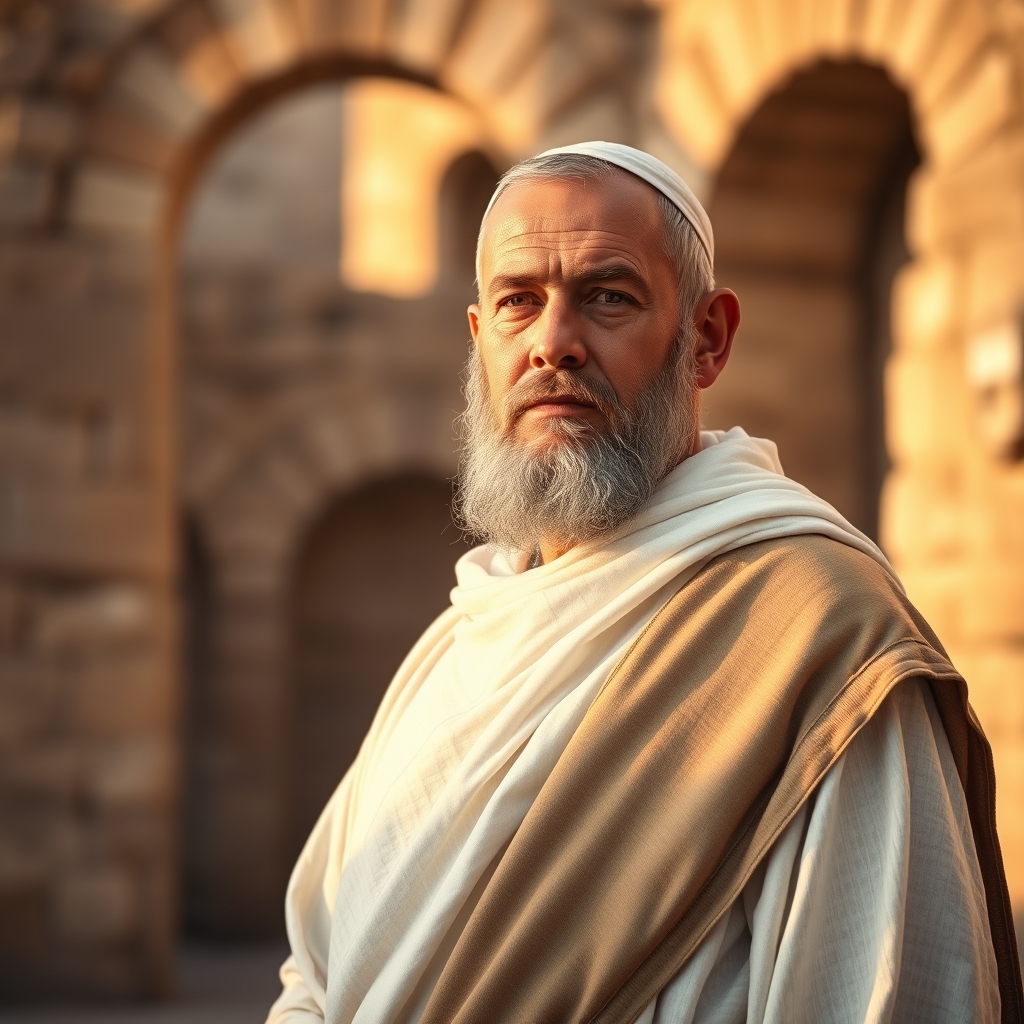
A Respected Pharisee and Ruler of the Jews
Nicodemus was one of the most influential religious leaders in first-century Israel. The Gospel of John describes him as “a man of the Pharisees” and “a ruler of the Jews” (John 3:1). These titles tell us a great deal about his identity, his social standing, and the world he represented.
The Pharisees were a deeply religious Jewish sect known for their strict observance of the Law of Moses and their elaborate oral traditions. They held enormous sway over the spiritual life of the Jewish people. Most Pharisees were educated, devout, and highly respected within their communities.
However, Jesus often confronted the Pharisees. He challenged their tendency to prioritize human tradition over the heart of God’s Word.
As a ruler of the Jews, Nicodemus was almost certainly a member of the Sanhedrin. The Sanhedrin was the supreme Jewish council in Jerusalem. It functioned as both a religious court and a governing body. Only seventy elders, plus the high priest, held seats on this powerful council. Membership meant that Nicodemus carried significant spiritual and political authority.
Beyond his titles, Scripture gives us a few more details about Nicodemus:
- He was a Pharisee, trained in the deepest matters of Jewish law and theology
- He was a member of the Sanhedrin, Israel’s highest ruling council
- He was wealthy enough to bring 75 pounds of myrrh and aloes for Jesus’ burial (John 19:39)
- He was a man of growing spiritual conviction, though initially cautious about expressing it
In many ways, Nicodemus represented the religious establishment of his day. He had studied Scripture for years. He had devoted his entire life to serving God according to the traditions he had been taught. Yet despite all his learning and devotion, something was missing. He had not yet encountered the living truth of Jesus Christ.
What Led Nicodemus to Seek Out Jesus?
The Bible does not spell out every detail of Nicodemus’ inner life. However, it gives us clear clues about what drew this respected leader to seek out Jesus.
John 3:2 records Nicodemus’ opening words to Jesus: “Rabbi, we know that You are a teacher come from God; for no one can do these signs that You do unless God is with him.”
Notice the key phrase: “these signs that You do.” Jesus had been performing miracles in Jerusalem. He had cleansed the temple and healed the sick. These signs were visible, public, and undeniable. As a learned man, Nicodemus could not dismiss them. He recognized that only Someone sent from God could do what Jesus was doing.
This is a powerful principle. God often uses signs, wonders, and unexpected circumstances to draw people toward His Son. Nicodemus saw the evidence before him. His honest mind could not ignore it.
Here are the likely factors that led Nicodemus to seek Jesus:
- Jesus’ miracles: The supernatural signs Jesus performed could not be explained by human power alone
- Jesus’ teaching: Jesus spoke with an authority that no other teacher possessed (Matthew 7:28–29)
- Inner spiritual longing: Despite all his religious knowledge, Nicodemus sensed something was lacking in his own relationship with God
- Conviction from the Holy Spirit: The Spirit of God was drawing Nicodemus toward the truth of Jesus Christ
It is worth noting that Nicodemus came to Jesus at night. John 3:2 specifies this. Many Bible scholars believe this was out of fear. As a member of the Sanhedrin, being seen with Jesus could cost Nicodemus his reputation and position.
Yet he came. That is what matters most. Despite the risks, despite the potential consequences, his hunger for truth outweighed his fear of man. Jesus did not reject Nicodemus because of his fear. Instead, Jesus welcomed him and delivered one of the most important messages in all of Scripture.
The story of Nicodemus reminds us that no one is too far gone, too religious, or too proud to be reached by the love of Jesus Christ. Whether you are a lifelong churchgoer or someone searching in secret, Jesus welcomes your honest questions. He meets you exactly where you are.
As Jesus Himself declared, “God so loved the world that He gave His only begotten Son, that whoever believes in Him should not perish but have everlasting life” (John 3:16). That message began with a nighttime conversation. It continues today with anyone who has the courage to seek the truth.
What Is the Story of Nicodemus in the Bible?
The Nighttime Visit to Jesus (John 3:1–2)
The Nicodemus story begins with a nighttime visit that changed everything. Nicodemus, a Pharisee and a member of the Jewish ruling council, came to Jesus after dark. He did not arrive as an enemy. In fact, he came with respect and a sincere hunger for truth.
John’s Gospel records the opening of this encounter simply yet profoundly. “He came to Jesus by night and said to Him, ‘Rabbi, we know that You are a teacher come from God; for no one can do these signs that You do unless God is with him'” (John 3:1–2, NKJV). This verse reveals several important things about Nicodemus and the world he inhabited.
Consider what Nicodemus recognized about Jesus before their conversation ever began:
- Jesus was a true teacher. Nicodemus called Him “Rabbi,” a term of deep respect for a Jewish religious scholar.
- Jesus came from God. Nicodemus and others had witnessed Jesus’ miraculous signs and drew this conclusion by observation.
- Only God could empower such signs. The miracles Jesus performed were unmistakable evidence of divine power.
Yet the fact that Nicodemus came at night is deeply significant. He was a respected ruler of the Jews. Why would such a prominent man visit Jesus in the darkness instead of in the daylight?
There are several possible reasons Nicodemus chose to come at night:
- He may have feared the opinions of his fellow Pharisees and council members.
- He may have wanted a private, unhurried conversation with Jesus without crowds pressing in around them.
- He may have been wrestling with doubt and was not ready to make his search for truth public.
Whatever his reasons, Nicodemus took a courageous step. He crossed a boundary. He walked away from the safety of his position and authority to sit face to face with the Son of God. This is the beautiful nature of the gospel: it reaches every person, even those who are hesitant, cautious, or afraid. Jesus does not turn away honest seekers, no matter when or how they come.
The nighttime setting also carries spiritual symbolism. In Scripture, darkness often represents spiritual blindness — a condition that every human being shares before encountering Christ. Nicodemus was physically walking in the night, but he was stepping toward the One who would soon declare, “I am the light of the world. He who follows Me shall not walk in darkness, but have the light of life” (John 8:12, NKJV). From the very first Nicodemus Bible verse in John 3, we see a man moving from spiritual darkness into the light of Jesus’ words.
The Conversation About Being Born Again
Nicodemus’ respectful opening remarks, however, took an abrupt and unexpected turn. Jesus did not simply accept Nicodemus’ compliment and continue a polite religious discussion instead, Jesus went straight to the heart of the matter. He answered Nicodemus with a declaration that left the religious leader stunned.
“Jesus answered and said to him, ‘Most assuredly, I say to you, unless one is born again, he cannot see the kingdom of God'” (John 3:3, NKJV). This single statement redirected the entire conversation. Nicodemus had come with theological observations. Jesus responded with a spiritual necessity that would reshape his understanding of God, salvation, and human life forever.
Nicodemus was confused. He responded with a practical question: “How can a man be born when he is old? Can he enter a second time into his mother’s womb and be born?” (John 3:4, NKJV). Nicodemus interpreted Jesus’ words through the lens of physical reality. He was thinking in terms of the flesh, not the spirit. This is something we all can relate to. When Jesus speaks about the things of God, our human minds often struggle to grasp what He means.
This exchange between Nicodemus and Jesus reveals a profound spiritual truth:
- The natural mind cannot fully comprehend the spiritual kingdom of God. Nicodemus had studied the Scriptures for years, yet the concept of being “born again” puzzled him completely.
- Spiritual things must be spiritually discerned. As Paul would later write, “The natural man does not receive the things of the Spirit of God, for they are foolishness to him; nor can he know them, because they are spiritually discerned” (1 Corinthians 2:14, NKJV).
- Jesus gently corrected misunderstanding. Rather than rebuking Nicodemus for his confusion, Jesus patiently explained exactly what He meant.
The conversation between Nicodemus and Jesus in John 3 is one of the most important passages in the entire Bible. It is within this dialogue that Jesus unpacks the doctrine of the new birth. Furthermore, He reveals the Father’s heart of love for the lost world through what is perhaps the most well-known Nicodemus Bible verse of all: John 3:16. For true Nicodemus story meaning, you have to go beneath the surface and understand what was really at stake that night.
Jesus continued His explanation with clarity and authority. “Jesus answered, ‘Most assuredly, I say to you, unless one is born of water and the Spirit, he cannot enter the kingdom of God'” (John 3:5, NKJV). Jesus was making a clear distinction. Physical birth alone is not sufficient. Entering the kingdom of God requires a supernatural, spiritual transformation — a new birth initiated not by human effort but by the Holy Spirit of God.
In addition, Jesus drew a vivid analogy: “The wind blows where it wishes, and you hear the sound of it, but cannot tell where it comes from and where it goes. So is everyone who is born of the Spirit” (John 3:8, NKJV). This comparison is both simple and breathtaking. We cannot see the wind, yet we see its effects everywhere. In the same way, the Holy Spirit works in ways that are invisible yet undeniable. When a person is truly born again, the evidence of that transformation becomes visible through a changed life.
The nighttime visit of Nicodemus to Jesus stands as one of the most transformative encounters in Scripture. It is a reminder that no amount of religious knowledge, social standing, or good works can substitute for the new birth that only Jesus Christ can give. Nicodemus came to Jesus seeking answers, but what he received was far greater — he received the very gospel message that offers eternal life to all who believe.
What Did Jesus Tell Nicodemus About Being Born Again?
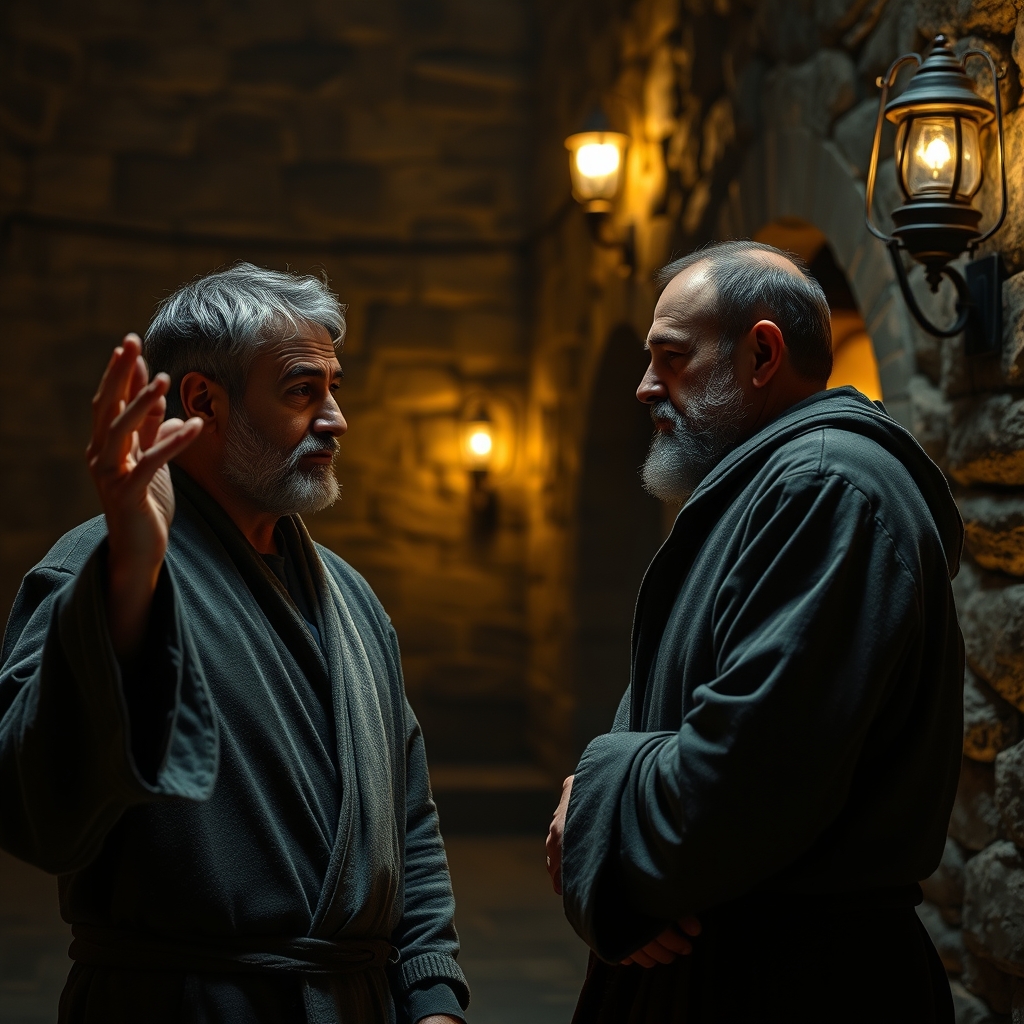
Jesus Explains the New Birth (John 3:3–8)
When Nicodemus approached Jesus under the cover of night, he likely expected a scholarly discussion. Instead, Jesus cut straight to the heart of the matter. He declared a truth that stunned this learned teacher of Israel:
“Very truly I tell you, no one can see the kingdom of God unless they are born again.” (John 3:3, NIV)
This statement was revolutionary. Nicodemus had spent his entire life studying Scripture, obeying the Law, and leading others in righteousness. Yet Jesus made it clear that none of that was enough. Being a respected Pharisee, a ruler of the Jews, and a master teacher could not grant him entry into God’s kingdom.
The Problem with Nicodemus’ Understanding
Nicodemus was confused by Jesus’ words. He asked, “How can someone be born when they are old? …Surely they cannot enter a second time into their mother’s womb to be born!” (John 3:4, NIV)
His confusion reveals a common mistake many people still make today. Nicodemus thought Jesus was speaking about a physical rebirth — a literal return to the womb. But Jesus was not talking about the body at all. He was talking about the soul.
Jesus responded with even greater clarity:
“Very truly I tell you, no one can enter the kingdom of God unless they are born of water and the Spirit. Flesh gives birth to flesh, but the Spirit gives birth to spirit.” (John 3:5–6, NIV)
Here, Jesus drew a sharp distinction between two kinds of birth:
- Physical birth — We are born into this world through our mothers. This gives us a physical body and a human life, but it does not give us the ability to enter God’s kingdom.
- Spiritual birth — We must be born again by the Holy Spirit of God. This is not something we can earn, achieve, or manufacture on our own. It is a work of God’s grace.
Jesus continued with a beautifully simple image:
“The wind blows wherever it pleases. You hear its sound, but you cannot tell where it comes from or where it is going. So it is with everyone born of the Spirit.” (John 3:8, NIV)
Just as the wind moves freely and powerfully beyond human control, so does the Holy Spirit. No one can predict, schedule, or earn the new birth. It comes from God alone.
The Meaning of Being Born of Water and the Spirit
Jesus’ words about being “born of water and the Spirit” (John 3:5) have been the subject of much discussion among Bible scholars throughout the centuries. At Just Jesus Time, we focus on what Jesus Himself emphasized and what the whole of Scripture confirms.
There are two primary ways this passage is understood within the Christian faith:
- Water as a symbol of spiritual cleansing and repentance: Throughout the Bible, water is connected to purification and renewal. For example, Ezekiel prophesied, “I will sprinkle clean water on you, and you will be clean; I will cleanse you from all your impurities.” (Ezekiel 36:25, NIV). Being born of water and the Spirit points to the complete inner transformation that God works in a person’s heart — a cleansing from sin and a new life given by the Holy Spirit.
- Water as a reference to water baptism: Many Christians throughout history have understood Jesus’ words as connecting the new birth to the act of baptism. Baptism with water is the outward expression of an inward reality — the believer’s identification with Christ’s death, burial, and resurrection (Romans 6:3–4). It is not the water itself that saves, but the work of the Holy Spirit that accompanies genuine faith.
“For it is by grace you have been saved, through faith — and this is not from yourselves, it is the gift of God — not by works, so that no one can boast.” (Ephesians 2:8–9, NIV) [1]
Regardless of which specific meaning Jesus intended by the term “water,” the bottom line is the same: the new birth is entirely the work of God. It is not something Nicodemus could accomplish through his religious devotion, his position, or his knowledge of the Law.
Why Does This Matter for Us Today?
The story of Nicodemus in the Bible is not just ancient history. It speaks directly to every person who reads it. Jesus did not give Nicodemus a theological lecture and send him on his way. He delivered the most important truth a human being can ever hear:
- You cannot save yourself. Religious activity, good works, and moral living — as admirable as they are — cannot produce spiritual life. Only God can do that.
- The new birth is a gift, not an achievement. It comes through faith in Jesus Christ. No one can earn it, buy it, or inherit it through family or tradition.
- The Holy Spirit is sovereign. Just as the wind blows where it pleases, the Spirit moves in hearts according to God’s perfect will. We respond to His work — we do not control it.
If you are reading this and wondering whether you have truly been born again, the answer is simple: trust in Jesus Christ as your Lord and Savior. Repent of your sin. Place your faith in His death on the cross and His resurrection from the dead. As Scripture promises,
“Yet to all who did receive him, to those who believed in his name, he gave the right to become children of God — children born not of natural descent, nor of human decision or a husband’s will, but born of God.” (John 1:12–13, NIV)
The conversation between Nicodemus and Jesus that night changed everything — not just for Nicodemus, but for the entire world. Because from that dialogue emerged the most famous verse in all of Scripture, the very heart of the Gospel: John 3:16. We will explore that powerful verse in the next section.
What Did Jesus Tell Nicodemus About the Kingdom of God?
The Necessity of Spiritual Sight
When Nicodemus came to Jesus that night, he expected a theological discussion. He was a teacher of Israel. He knew the Scriptures. Yet Jesus immediately redirected the conversation to something far deeper than Nicodemus anticipated. Jesus told him that entering the Kingdom of God requires spiritual sight that no amount of religious knowledge can produce on its own.
In John 3:3, Jesus declared, “Truly, truly, I say to you, unless one is born again he cannot see the kingdom of God.” This statement was startling. Nicodemus was a Pharisee. He devoted his life to studying God’s law. But Jesus made it clear that the Kingdom of God is not entered through human effort or religious achievement. It is entered only through a spiritual rebirth that comes from above.
Jesus was not dismissing the importance of Scripture or knowledge. Rather, He was revealing a profound truth. The Kingdom of God is a spiritual reality. It cannot be perceived by the natural mind alone. Just as a person born blind cannot see the physical world, a person without the new birth cannot perceive the things of God. This is why Jesus emphasized being “born again” — it is the only way to gain the spiritual sight necessary to enter God’s Kingdom.
Nicodemus struggled to understand. He asked, “How can a man be born when he is old?” (John 3:4). His question reveals how the natural mind wrestles with spiritual truth. Nicodemus was thinking in physical terms. But Jesus was speaking of a transformation that only the Holy Spirit can accomplish. This is one of the most important lessons in the entire Nicodemus story. No matter how religious a person may be, without the new birth, they remain spiritually blind to the Kingdom of God.
Jesus further explained in John 3:5–6, “Truly, truly, I say to you, unless one is born of water and the Spirit, he cannot enter the kingdom of God. That which is born of the flesh is flesh, and that which is born of the Spirit is spirit.” Here, Jesus drew a sharp distinction between the natural life and the spiritual life. The flesh cannot produce what only the Spirit can give. This truth stands at the very heart of the Gospel message.
For believers today, this teaching is both humbling and hopeful. It is humbling because it reminds us that we cannot earn our way into God’s Kingdom. It is hopeful because it assures us that God Himself provides the new birth through His Spirit. The Kingdom of God is not a reward for the righteous. It is a gift of grace to all who believe in Jesus Christ.
John 3:16 — The Heart of the Gospel
Perhaps no verse in all of Scripture captures the heart of the Gospel more beautifully than John 3:16. Jesus spoke these words directly to Nicodemus during their nighttime conversation. In this single verse, Jesus revealed the very reason He came into the world and the way anyone can enter the Kingdom of God.
“For God so loved the world, that he gave his only begotten Son, that whosoever believeth in him should not perish, but have everlasting life.” (John 3:16, KJV)
This verse is the foundation of the Christian faith. It tells us several essential truths about God, about Jesus, and about salvation:
- God’s love is the motivation behind salvation. God did not send Jesus because humanity deserved it. He sent Jesus because He loved the world. His love is the driving force behind the entire plan of redemption.
- Jesus is the only begotten Son of God. Jesus is not merely a prophet or a good teacher. He is the unique, one and only Son of God. His divinity is central to the Gospel message.
- Salvation is available to “whosoever believeth.” The invitation is universal. It is not limited to the religious elite like Nicodemus. It is open to every person who places their faith in Jesus Christ.
- The alternative to belief is perishing. Without faith in Jesus, a person remains under the judgment of sin. But with faith, they receive everlasting life — a gift that can never be lost or taken away.
Jesus continued in John 3:17, “For God sent not his Son into the world to condemn the world; but that the world through him might be saved.” This is a crucial point. Jesus did not come to condemn. He came to save. The Kingdom of God is not about judgment for those who come to Him in faith. It is about rescue, restoration, and eternal life.
For Nicodemus, this message was revolutionary. As a Pharisee, he was accustomed to a system of rules and regulations. He measured righteousness by outward obedience. But Jesus was offering something entirely different. He was offering a relationship with God that begins with faith and is sustained by grace. This is the essence of the Kingdom of God — it is not a set of rules to follow. It is a new life to receive.
The Nicodemus Bible verse of John 3:16 remains the most quoted verse in the entire Bible. [2] Its enduring power lies in its simplicity and its depth. In one sentence, it summarizes the entire Gospel. God loves. God gave. We believe. We live forever.
For anyone seeking to understand the Kingdom of God, this is where it begins. The Kingdom is not a distant place or a future event alone. It is a present reality available to all who are born again through faith in Jesus Christ. Nicodemus came to Jesus as a curious religious leader. But Jesus gave him — and gives us — the most important truth ever spoken. God loves you. Jesus died for you. And eternal life is yours the moment you believe.
What Was the Relationship Between Jesus and Nicodemus?
A Teacher Seeking Truth in Secret
The Nicodemus story reveals a profound spiritual journey. Furthermore, it shows how Jesus meets seekers right where they are. Nicodemus was a Pharisee and a member of the Sanhedrin. He was a religious leader with great influence. Yet, he came to Jesus at night (John 3:1-2). Why did he come under the cover of darkness? Most likely, he feared the opinions of his peers. In addition, he may have wanted a private, uninterrupted conversation.
Jesus received Nicodemus without judgment. He did not turn him away as a hypocrite. Instead, Jesus addressed the deepest need of Nicodemus’s heart. He spoke directly about the new birth. Their relationship began as a quiet, personal encounter. Jesus honored Nicodemus’s sincere curiosity. He answered the questions Nicodemus was too afraid to ask publicly.
This shows us something beautiful about our Lord. Jesus welcomes honest seekers. He does not require us to have perfect understanding first. He simply asks that we come. Nicodemus took a brave first step. He left his comfort zone to find truth.
From Curiosity to Courage
This relationship did not end in that single night. As a result, Nicodemus’s faith continued to grow. We see him appear again in John’s Gospel. Each appearance shows increasing boldness. First, he simply asks Jesus in secret. Then, he defends Jesus before the Sanhedrin (John 7:50-51). Finally, he helps prepare Jesus’ body for burial (John 19:39-40). His journey mirrors the walk of many believers today.
What changed? The Gospel truth took root in his heart. Nicodemus heard Jesus speak about God’s love. He learned about being born again. Over time, his curiosity became conviction. Conviction then became courage. He moved from the shadows into the light.
Jesus transformed Nicodemus through patient teaching. He never forced a decision. Instead, He allowed the Holy Spirit to work. This Nicodemus Bible verse story proves that God is faithful. He completes the work He begins in us. The relationship between Nicodemus and Jesus is one of grace, truth, and transformation.
Are you currently in a season of quiet curiosity? Take heart. Jesus welcomes your questions. He invites you to step closer today.
Why Is Nicodemus Important in the Bible?
Nicodemus is far more than a minor character in the Gospels. His encounter with Jesus reveals something profound about God’s heart for every honest seeker. The story of Nicodemus in the Bible teaches us that no one is too far from God’s reach. His journey from curiosity to courage is a powerful reminder that the Gospel transforms lives.
A Man Caught Between Two Worlds
Nicodemus lived in the tension of two very different allegiances. On one hand, he was a Pharisee and a member of the Sanhedrin — the ruling council of the Jewish people. This meant he held one of the most respected positions in all of Israel. [3]
On the other hand, his heart had been stirred by the signs and teachings of Jesus. He could not ignore what he had witnessed. Yet he was not ready to abandon his reputation or his position. This placed him in a painful in-between place.
Consider the pressure Nicodemus faced:
- His peers — The Pharisees were increasingly hostile toward Jesus, and any association with Him could mean expulsion from the synagogue.
- His position — As a ruler of the Jews, Nicodemus had authority, influence, and social standing to protect.
- His conscience — Deep inside, he knew that Jesus was “a teacher come from God” (John 3:2). He could not deny what he had seen.
- His faith — Nicodemus was being drawn toward something new. Yet stepping forward required a courage he had not yet found.
This tension is not unique to Nicodemus. Many people today feel caught between their old life and the new life Jesus offers. They are curious but afraid. They believe but hesitate. The beauty of the Nicodemus story is that Jesus did not reject him for his hesitation. Instead, Jesus met him exactly where he was — in the darkness of night and in the darkness of his uncertainty.
As it is written, “Then Jesus told him, ‘I assure you, unless you are born again, you cannot see the Kingdom of God'” (John 3:3, NLT).
Evidence of the Gospel’s Transforming Power
The most important thing about Nicodemus is what happened to him over time. His first meeting with Jesus was quiet and private. However, the seed that was planted that night did not die. It grew.
In John 7:50–51, Nicodemus stood before the Sanhedrin and spoke up for Jesus — his first public act of defense. He did not yet declare full allegiance. Yet he asked the critical question: “Our law does not condemn a man unless it first hears from him and knows what he has been doing” (John 7:51, NLT).
And then came the most powerful moment of all. After Jesus was crucified, Nicodemus appeared at the tomb. According to John 19:39, he brought “a mixture of myrrh and aloes, about seventy-five pounds.” This was an extraordinarily generous amount — the kind of gift typically reserved for royalty.
| Stage of Nicodemus’ Journey | What He Did | What It Reveals |
|---|---|---|
| Secret Seeker | Came to Jesus at night (John 3:1–2) | Curiosity and honest searching |
| Quiet Defender | Spoke up for Jesus before the Sanhedrin (John 7:50–51) | Growing courage and moral conviction |
| Public Witness | Brought costly spices for Jesus’ burial (John 19:39–40) | Open devotion and surrendered loyalty to Christ |
This progression is the very heartbeat of the Nicodemus and Jesus story. It shows us that faith does not always begin with a dramatic public declaration. Sometimes it begins with a quiet, fearful conversation in the night. Over time, as Christ reveals Himself more fully, that small spark becomes a blazing fire.
The transforming power of the Gospel is not limited to those who come to Jesus boldly. It works in secret. It works through doubt. It works in the heart of a Pharisee who cannot yet let go of everything he has built. As Paul would later write, “If anyone is in Christ, the new creation has come: The old has gone, the new is here!” (2 Corinthians 5:17, NIV). [4]
Why Nicodemus Matters for Us Today
The story of Nicodemus speaks directly to every person who has ever felt unsure, afraid, or too entangled in their old life to follow Jesus openly. If that describes you today, take heart.
- Jesus meets you in your honest questions. He did not shame Nicodemus for coming at night. He answered him with truth and grace.
- Faith is a journey, not a single moment. Nicodemus did not become a disciple overnight. God was patient with him, and God is patient with you.
- The Gospel can transform anyone. Not even the religious system of Nicodemus’ day could block the work of the Holy Spirit in his heart.
- God honors every step of faith. Whether it is a whispered question in the dark or a public act of worship, Jesus sees and values your pursuit of Him.
The Nicodemus story reminds us that no amount of education, religion, or social status can substitute for the new birth that only Jesus provides. Nicodemus had everything the world offered — position, knowledge, respect. Yet what he needed most was something no one but Jesus could give: a heart made new.
This is the ultimate significance of Nicodemus in Scripture. He is living proof that the Gospel of Jesus Christ is stronger than tradition, fear, and doubt. His life is an invitation — and an encouragement — to every reader who secretly wonders, “Is it too late for me?” The answer from the pages of Scripture is clear and certain: it is never too late. As Jesus declared, “For God so loved the world that he gave his one and only Son, that whoever believes in him shall not perish but have eternal life” (John 3:16, NIV).
Nicodemus came to Jesus in the night. But by the end of his story, he stepped into the light. And that same light is shining for you today.
Why Couldn’t Nicodemus Follow Jesus Openly?
The Cost of Public Discipleship
Nicodemus was a Pharisee and a member of the Sanhedrin. Therefore, his position carried tremendous weight in the Jewish community. He was a teacher, a leader, and a respected ruler of the Jews. As a result, following Jesus openly would have cost him everything. It would have cost him his reputation among his peers. It would have likely cost him his seat on the Sanhedrin. In addition, it may have cost him his livelihood and his social standing in all of Jerusalem.
Jesus made the cost of discipleship clear throughout His ministry. In Luke 14:26, He said, “If anyone comes to Me and does not hate his father and mother, wife and children, brothers and sisters, yes, and his own life also, he cannot be My disciple.” [5] Jesus was not calling for hatred. Rather, He was showing that following Him must take absolute priority over every earthly relationship and every worldly pursuit.
For Nicodemus, the stakes were extraordinarily high. Here is what a public confession of faith in Jesus would have meant for him:
- Loss of position on the Sanhedrin. Nicodemus would have almost certainly been expelled from the ruling council. John 12:42 confirms that many rulers believed in Jesus but would not confess Him because they feared being put out of the synagogue.
- Social isolation. The Pharisees held enormous influence in Jewish society. If Nicodemus publicly sided with Jesus, he would have been cut off from the very community that had shaped his entire life.
- Professional consequences. As a recognized teacher of Israel, Nicodemus’s authority depended on the approval of his peers. A public alignment with Jesus, who was increasingly opposed by religious leaders, would have undermined his credibility entirely.
- Physical danger. The religious leaders were already plotting against Jesus. Anyone who openly followed Him risked persecution, arrest, and even death.
In light of these costs, it is not surprising that Nicodemus came to Jesus at night. John 3:2 tells us plainly: “This one came to Jesus by night.” The nighttime visit was not merely about convenience. It was a reflection of Nicodemus’s fear. He wanted truth. However, he was not yet ready to pay the full price of discipleship.
Peer Pressure Among the Pharisees
The Pharisees were one of the most powerful and influential religious groups in first-century Judaism. They controlled synagogues, directed public opinion, and set the standard for religious observance in Jewish life. Their authority was deeply entrenched. As a result, going against the Pharisees was not a small matter. It was an act of defiance that carried severe social and spiritual consequences.
Nicodemus was one of them. He had spent his life studying the Torah, upholding the traditions, and earning the respect of his fellow Pharisees. In light of that, public association with a Galilean teacher like Jesus — a man the Pharisees opposed — would have been seen as a profound betrayal. The pressure to conform was immense.
Consider the environment Nicodemus was immersed in daily:
- Unified opposition to Jesus. By the time of Nicodemus’s visit, the religious establishment had already begun to view Jesus with suspicion and hostility. The chief priests and Pharisees were actively looking for ways to discredit and ultimately silence Him.
- Group loyalty above personal conviction. Membership in the Sanhedrin required alignment with the collective will of the council. Independent thinking — especially thinking that favored Jesus — was not tolerated.
- Fear of excommunication. John 9:22 records that the Jewish leaders had already agreed that anyone who confessed Jesus as the Christ would be put out of the synagogue. This was a terrifying reality that silenced many who secretly believed.
- Intimidation and ridicule. The Pharisees were known for publicly shaming those who deviated from their interpretations. Nicodemus would have faced mockery, accusations of heresy, and a complete loss of honor among his peers.
Despite all of this, the story of Nicodemus does not end in fear. In time, the transforming power of Jesus changed him from a secret seeker into a man of courage. In John 7:50–51, Nicodemus openly challenged the Sanhedrin’s unfair treatment of Jesus. Later, in John 19:39–40, he brought over a hundred pounds of myrrh and aloes to honor Jesus’ body after the crucifixion. This was a bold and public act of devotion.
The journey of Nicodemus reminds us of an important truth in the nicodemus story: faith often begins in uncertainty. However, when a genuine encounter with Jesus Christ takes root in a person’s heart, it cannot remain hidden forever. The Gospel of Jesus Christ is the power of God for salvation to everyone who believes (Romans 1:16). [6] Nicodemus learned this firsthand. What began as a fearful nighttime conversation grew into a life marked by costly, courageous faith.
Did Nicodemus Become a Disciple of Jesus?
Defending Jesus Before the Sanhedrin (John 7:50–51)
One of the most revealing moments in the Nicodemus story comes long after his nighttime conversation with Jesus. By the time we reach John chapter 7, the religious leaders have turned openly hostile toward Jesus. They are actively plotting His arrest. The tension in Jerusalem has reached a breaking point.
Then Nicodemus speaks.
In John 7:50–51, Nicodemus stands before the Sanhedrin — the very council he belongs to — and challenges their proceedings against Jesus. He asks a simple but powerful question: “Does our law judge a man without first hearing him from his own mouth and knowing what he has done?”
Consider what this moment required of Nicodemus:
- Personal Courage: He risked his reputation and standing among the most powerful religious leaders in Israel.
- Moral Conviction: He invoked the law itself, forcing his peers to confront their own hypocrisy.
- Growing Faith: He had moved from cautious curiosity to a willingness to publicly associate with Jesus.
His fellow Pharisees mocked him in response. They said, “Are you also from Galilee? Search and see that no prophet arises from Galilee” (John 7:52). They dismissed him rather than address his argument. Nevertheless, Nicodemus had drawn a line. From this point forward, there was no going back into complete silence.
This is a critical turning point in the Nicodemus and Jesus relationship. Nicodemus did not yet make a full, open declaration of faith. However, his voice in the Sanhedrin was a bold step out of the shadows. It showed the transforming power of the Gospel at work inside one man’s heart. Faith does not always arrive all at once. Sometimes it grows quietly before it erupts courageously.
This moment also teaches us something important about the kingdom of God. Not everyone responds to Jesus with immediate, dramatic boldness. Many sincere seekers begin in uncertainty. They wrestle with questions. They face pressure. Yet when the time comes to speak, the Holy Spirit gives them just enough courage to take the next step. Nicodemus is living proof of this gentle but persistent work of God.
Honoring Jesus’ Body After the Crucifixion (John 19:39–40)
The final appearance of Nicodemus in the Bible is perhaps the most powerful of all. Jesus had been crucified. The disciples were scattered in fear. The public followers of Christ had largely vanished. Death and darkness seemed to have won.
Then Nicodemus stepped forward one last time.
John 19:39–40 records that Nicodemus brought “a mixture of myrrh and aloes, about seventy-five pounds” to prepare Jesus’ body for burial. He joined Joseph of Arimathea in wrapping the body of Jesus with spices and linen cloths, according to Jewish burial customs.
Let us pause and consider the significance of this act:
- An Enormous Quantity: Seventy-five pounds of burial spices was not an ordinary gesture. This was a kingly amount. Nicodemus honored Jesus with a provision reserved for royalty.
- A Public Act of Devotion: Handling a crucified man’s body would have made Nicodemus ceremonially unclean. He knew this. He chose to do it anyway. His love for Jesus outweighed his concern for religious protocol.
- A Statement of Faith: Those spices were an unwitting declaration. Nicodemus was saying, with his actions, that Jesus was worth honoring — even in death, even when all seemed lost.
Where was Nicodemus during the crucifixion itself? The Bible does not say. But when the moment came to care for Jesus’ broken body, he was there. He did not wait for permission. He did not calculate the cost. He simply came.
This final act in the Nicodemus Bible story reveals a man deeply changed by his encounter with the Son of God. The Pharisee who once arrived under cover of night now steps into the full light of day to serve the crucified Messiah. His faith had matured. His silence had become service. His fear had become devotion.
Furthermore, Nicodemus’ act of love was not in vain. Just days later, God raised Jesus from the dead. The tomb was empty. The spices remained, but Jesus did not need them. He had conquered death itself. Every act of faith we offer to Christ — no matter how costly or seemingly forgotten — is received by a risen Savior who never forgets.
The Nicodemus story reminds us that Jesus meets us wherever we are. He met Nicodemus in the darkness of night. He met him in the corridors of religious power. And He met him at the foot of the cross. If you are reading this today and wondering whether it is too late to follow Jesus, let Nicodemus encourage your heart. It is never too late. He is never too far away. He is the same yesterday, today, and forever — the risen Lord who transforms secret seekers into bold witnesses.
What Happened to Nicodemus After He Met Jesus?
From Secret Seeker to Public Witness
The nicodemus story in the Bible does not end in the darkness of that nighttime meeting. In fact, what makes Nicodemus so compelling is the unmistakable transformation that unfolded in his life after his encounter with Jesus. What began as a quiet, private conversation became a journey from fear to faith. The man who came to Jesus under cover of night eventually stepped into the light of public witness.
After the nicodemus and jesus conversation in John 3, we do not hear from Nicodemus again for some time. But when he reappears, everything has changed. The Gospel of John presents his growth not as a sudden dramatic conversion but as a steady awakening — a man being drawn by the Holy Spirit into deeper truth about who Jesus really is.
Defending Jesus Before the Sanhedrin
Nicodemus’ first public step of faith appears in John 7:45–51. The chief priests and Pharisees were furious about Jesus. They sent officers to arrest Him, but the officers returned empty-handed, saying, “No one ever spoke like this Man!” In the midst of that heated moment, Nicodemus spoke up. He reminded the council that their own law required a fair hearing before passing judgment.
His words were careful but significant. He did not yet openly declare himself a follower of Jesus. However, he planted a seed of fairness and reason. His colleagues responded with mockery. Yet Nicodemus had broken his silence. He had chosen to stand, even partially, on the side of truth.
This moment reveals something powerful. Spiritual transformation rarely happens all at once. Often, God works through small acts of courage that prepare the heart for greater ones. For Nicodemus, defending justice in a hostile room was the bridge between secret curiosity and open devotion.
Honoring Jesus’ Body After the Crucifixion
The most striking chapter in the nicodemus story came at the foot of the cross. In John 19:38–40, Nicodemus appears one final time — and this time, there is no secrecy. He joined Joseph of Arimathea in claiming the body of Jesus for burial.
This was no ordinary act. Consider what this meant:
- Public association with a condemned man. Jesus had just been crucified, the most shameful death in the Roman world. Anyone who identified with Him risked rejection and persecution.
- Enormous personal expense. John tells us Nicodemus brought “a mixture of myrrh and aloes, about a hundred pounds” (John 19:39). This was a burial fit for a king. The amount alone demonstrated the depth of his devotion.
- A symbolic declaration of faith. By providing a royal burial, Nicodemus declared what his heart had come to believe — that Jesus was no ordinary teacher, but the promised Messiah, the true King of Israel.
This was Nicodemus at his most courageous. The night visitor had become a man willing to risk everything. He had moved from quiet questions to an act of costly worship. The one hundred pounds of burial spices spoke louder than any words could. His life had been transformed by one conversation with Jesus, and the fruit of that transformation could not be hidden.
Tradition and the Death of Nicodemus
The Bible does not record the death of Nicodemus. Scripture remains silent on what happened to him after the burial accounts. However, early Christian tradition offers some insight. Various historical sources suggest that Nicodemus was eventually expelled from the Sanhedrin and perhaps even suffered persecution for his association with Jesus. [7]
Some traditions hold that Nicodemus was martyred for his faith. Others suggest he lived out his final years as a quiet believer, steadfast but no longer positioned among the powerful. The accounts vary, and we should hold them with humility since they are not confirmed in Scripture.
What we know for certain comes from the nicodemus bible verse passages themselves. The trajectory of his life pointed unmistakably toward Christ. He went from fear to courage. He went from secrecy to sacrifice. He went from seeking answers to offering his whole life in service.
A Pilgrimage of Faith Worth Emulating
The story of Nicodemus is, at its heart, a story of grace. Jesus did not rebuke Nicodemus for coming at night. He did not dismiss him for his fear or his position among the Pharisees. Instead, Jesus gave him truth. He gave him the Gospel. And over time, the Holy Spirit did His work.
Nicodemus reminds us that no one is beyond the reach of Jesus. Religious titles, social status, and years of tradition cannot separate a sincere seeker from the love of Christ. Jesus met Nicodemus exactly where he was — in the quiet of night — and led him, step by step, into the light.
If Nicodemus teaches us anything, it is that following Jesus is a journey. Every bold public witness begins with a private encounter. And the same Jesus who spoke life to Nicodemus in the darkness still speaks to hearts today. Let His words echo through your own story:
“For God so loved the world that He gave His only begotten Son, that whoever believes in Him should not perish but have everlasting life.” (John 3:16)
For those seeking the nicodemus in the Bible narrative, take heart. The same Savior who transformed Nicodemus’ life is able to transform yours as well. It does not matter how long you have been searching Jesus in the shadows. What matters is that you answer His call and step boldly into the light of unwavering faith.
How Did Nicodemus Appear Again in the Gospel of John?

A Voice of Reason Among the Religious Leaders
After his secret nighttime meeting with Jesus, Nicodemus does not appear again in the Gospel of John for several chapters. When he reappears, the nicodemus story takes a remarkable turn. He is no longer a curious seeker under the cover of darkness. Instead, he steps forward as a voice of reason among the religious leaders who were plotting against Jesus.
In John chapter 7, the chief priests and Pharisees sent officers to arrest Jesus. When the officers returned without Him, the religious leaders were furious. This is where Nicodemus spoke up. As a member of the Sanhedrin, he had the authority and the opportunity to raise an objection. And that is exactly what he did.
Nicodemus asked a simple yet powerful question: “Does our law judge a man without first giving him a hearing and learning what he does?” (John 7:51, ESV). With this one statement, he challenged the injustice of condemning Jesus without a fair trial. He was not yet a fully declared follower of Jesus. However, he could not remain silent in the face of wrongdoing.
His fellow Pharisees dismissed him harshly, asking if he too was from Galilee and whether any prophet came from that region. They did not engage with his argument. Instead, they mocked him. Yet Nicodemus had already planted a seed of doubt in their scheme. He had fulfilled a vital role: being the conscience of the council when no one else would speak.
This moment in the nicodemus bible verse narrative reveals a man in transition. He was moving from private curiosity to public courage. He had tasted the truth in his conversation with Jesus, and now he could not simply walk away from it.
The progression of nicodemus and jesus in the Gospel of John mirrors the journey of many believers. Faith often begins quietly. A person encounters Jesus, wrestles with His words, and gradually finds that they can no longer stay silent. Nicodemus is a powerful example of this transforming work of the Holy Spirit.
Providing Spices for Jesus’ Burial
The final and most striking appearance of Nicodemus in the Bible occurs at the cross and the tomb. After Jesus was crucified, two of His secret followers stepped forward to care for His body. One was Joseph of Arimathea. The other was Nicodemus.
The Gospel of John records this moment with profound detail: “Nicodemus also, who earlier had come to Jesus by night, came bringing a mixture of myrrh and aloes, about seventy-five pounds in weight” (John 19:39, ESV). Seventy-five pounds of burial spices was an extraordinary amount. Such a quantity was typically reserved for royalty or people of the highest significance.
Think about what this meant. The other disciples had fled. Peter had denied Jesus three times. The group that had followed Him for three years had scattered in fear. Yet here was Nicodemus, a Pharisee and a ruler of the Jews, openly associating himself with a crucified man. This was not a small act. It was a public declaration that Nicodemus identified with Jesus of Nazareth.
Consider the risk involved. Nicodemus knew that the religious leaders had condemned Jesus. By preparing His body, he was aligning himself with a condemned Messiah. He was potentially endangering his reputation, his position, and his life. Yet he did it anyway. The man who once came to Jesus at night now served Him in the full light of day.
The act of bringing burial spices was also deeply personal. Along with Joseph of Arimathea, Nicodemus took Jesus’ body, “bound it in linen cloths with the spices, as is the burial custom of the Jews” (John 19:40, ESV). They placed Him in a new tomb in a nearby garden. This tender act of love and honor was Nicodemus’ way of declaring his devotion to the One who had told him, “You must be born again” (John 3:7, ESV).
The nicodemus bible verse in John 19 shows us a man transformed. He went from asking questions in the dark to serving Jesus in the light. He went from a cautious observer to a bold witness. His story reminds us that encounter with Jesus Christ changes people. No one walks away from genuine contact with the Son of God unchanged.
For believers today, the life of Nicodemus offers a beautiful encouragement. Perhaps you feel like you are still in the early stages of faith. Perhaps you are not ready to declare your devotion publicly. Be patient with yourself. God is patient with us. He meets us where we are and gently draws us forward. Just as Nicodemus grew from a nighttime seeker into a courageous disciple, the Lord is working in your life too. He completes what He starts, just as Scripture promises: “Being confident of this, that he who began a good work in you will carry it on to completion” (Philippians 1:6, ESV).
Is Nicodemus in the Bible Good or Bad?
A Sincere Seeker, Not a Perfect Man
When we examine the story of Nicodemus in the Bible, it becomes clear that he was not a villain. He was not an enemy of the truth. However, neither was he a perfect man without flaws. Nicodemus occupies a unique and deeply relatable space in Scripture. He represents the sincere seeker who truly wants to understand God but struggles to fully surrender his pride and position. His story is one of genuine spiritual hunger, even when that hunger had not yet become full commitment.
In the beginning, Nicodemus came to Jesus at night (John 3:2). This detail is very important. He was a Pharisee, a member of the Sanhedrin, and a respected leader among the Jewish people. Meeting Jesus openly during the daytime could have cost him his reputation, his influence, and possibly his position of authority. Therefore, his nighttime visit reveals something honest about his heart: he wanted to know the truth, but he was not yet ready to pay the price of following it publicly. This does not make him evil. It makes him human. Many believers today understand this tension well. Faith often begins with quiet, private searching before it ever becomes bold, public declaration.
The Bible does not condemn Nicodemus for his hesitation. Instead, Jesus met him right where he was. Jesus did not turn Nicodemus away because his motives were imperfect. He did not reject him because he came under the cover of darkness. Rather, Jesus spoke to him with patience and clarity. He told Nicodemus the very heart of the Gospel: “For God so loved the world that He gave His only begotten Son, that whoever believes in Him should not perish but have everlasting life” (John 3:16, NKJV). This is one of the most well-known nicodemus bible verses and one of the most powerful.
Furthermore, Nicodemus was not like the other Pharisees who came to Jesus with hostility or trap questions. His questions came from a sincere desire to know. His posture toward Jesus was one of respect, not contempt. He called Jesus “Rabbi” and acknowledged that no one could do the signs Jesus did unless God was with him (John 3:2). This shows that Nicodemus recognized something divine about Jesus, even before he fully understood who Jesus was.
Responding to the Light When It Shined on Him
What makes the Nicodemus story so powerful is how his journey unfolds over time. His encounter with Jesus did not produce an immediate, dramatic transformation. Instead, something began to change inside him quietly. The seed was planted the night Jesus spoke to him. And over the following months and years, that seed grew into courage.
We see this growth in John 7:45–52. When the chief priests and Pharisees were plotting against Jesus, Nicodemus spoke up. He asked a cautious but bold question: “Does our law judge a man without first hearing from him and knowing what he has done?” (John 7:51, ESV). The other religious leaders mocked him in response, but Nicodemus had drawn a line. He could no longer stay silent. The man who once came in darkness was now standing, at least partially, in the light.
After Jesus’ crucifixion, Nicodemus appeared again. This time, he brought an extraordinary amount of myrrh and aloes, about seventy-five pounds, to prepare Jesus’ body for burial (John 19:39–40). This was no small gesture. Such an extravagant offering would have been very expensive. In addition, it was also a deeply personal act of devotion. As a Pharisee, Nicodemus would have had to touch a dead body, which would have made him ceremonially unclean during Passover. Yet he did it anyway. His love and respect for Jesus outweighed his concern for religious appearances.
In the story of Nicodemus and Jesus, we see a man who responded to the light he received, even if it took time for him to step fully into it. Scripture does not tell us that Nicodemus became one of the twelve apostles. We do not know every detail of his life after the crucifixion. However, every action he took after meeting Jesus moved in the same direction: toward greater openness, greater courage, and greater honor toward the Son of God.
This truth is deeply encouraging for every believer. Nicodemus teaches us that God does not require us to have perfect faith before He speaks to us. He meets us in our questions, our doubts, and our fears. He is patient with those who are searching sincerely. Nicodemus was not good because he was flawless. He was good because when the light of Jesus shined on him, he did not turn away from it. He let it change him, slowly but surely, until boldness replaced secrecy.
The story of Nicodemus in the Bible reminds us that every encounter with Jesus matters. Even a whispered conversation in the dark can change a life forever. If you are a seeker today, searching for truth, take heart. Jesus spoke patiently to Nicodemus just as He will listen to you. The question is not whether you are good enough to approach Him. The question is whether you will respond to His light when it shines on you.
What Does the Name Nicodemus Mean?
Etymology and Significance
The name Nicodemus carries deep and beautiful meaning. Understanding it enriches our appreciation of his Nicodemus story in Scripture.
The name Nicodemus comes from the Greek name Νικόδημος (Nikodēmos). It is composed of two Greek words:
- Nikē (νίκη), meaning “victory”
- Dēmos (δῆμος), meaning “people”
Together, the name means “victory of the people” or “conqueror of the people.” This is fitting for a man who stood among the rulers of Israel. He held a position of influence and authority. Yet his true victory could never come through human power alone. [8]
The name Nicodemus also appears to have a Hebrew counterpart: Naqdimon. Some scholars connect this to a Hebrew root meaning “to break through” or “to rise early.” This connection is especially meaningful when we consider the Nicodemus and Jesus encounter in John chapter 3. Nicodemus came to Jesus by night. He was spiritually searching and seeking to “break through” to the truth. Eventually, he did.
There is also a widely recognized figure known as Nicodemus ben Gurion or Buni in Jewish tradition. This figure was known for his piety and acts of service to the Jewish community. Some biblical scholars have explored possible connections between this figure and the Nicodemus described in John’s Gospel. [9]
What is most significant, however, is not the name itself but what God accomplished through this man. Nicodemus represents every person who secretly wonders about Jesus Christ. He illustrates a heart that has not yet found the courage to step fully into the light.
Consider the profound irony of his name. Nicodemus means “victory of the people.” Yet his real victory did not come through his title as a Pharisee or a ruler of the Jews. His victory came when he stopped relying on his own righteousness and began to trust in Jesus.
This is the victory available to all who believe in Jesus Christ. As the apostle John wrote:
“For everyone born of God overcomes the world. This is the victory that has overcome the world, even our faith.” — 1 John 5:4 (NIV)
In the end, the name Nicodemus is far more than a historical detail. It is an invitation. God specializes in transforming secret seekers into bold witnesses. Nicodemus began his journey in the darkness of night. He ended it standing publicly at the foot of the cross, honored to prepare the body of his Lord. His story reminds us that Jesus welcomes every honest heart that comes to Him, no matter how uncertain or afraid that heart may be.
Key Bible Verses About Nicodemus
The story of Nicodemus unfolds across three powerful passages in the Gospel of John. Together, these Nicodemus Bible verses trace one of the most remarkable journeys of faith in all of Scripture — from a secret nighttime encounter with Jesus to a bold public stand at the cross. Each passage reveals something essential about who Jesus is, what it means to believe, and the transforming power of the Gospel.
John 3:1–21 — The Born Again Conversation
This is the most well-known passage in the Nicodemus story. It is where Jesus delivers some of the most important words ever spoken about salvation. Every believer benefits from studying this Nicodemus Bible verse passage carefully.
John 3:1–2 sets the scene:
Now there was a Pharisee, a man named Nicodemus who was a member of the Jewish ruling council. He came to Jesus at night and said, “Rabbi, we know that you are a teacher who has come from God. For no one could perform the signs you are doing if God were not with him.”
Jesus does not waste time on pleasantries. He goes straight to the heart of the matter in verse 3:
Jesus replied, “Very truly I tell you, no one can see the kingdom of God unless they are born again.”
Nicodemus is confused. He asks how a man can be born when he is old. Jesus then explains the spiritual reality behind the new birth in verses 5–8:
Jesus answered, “Very truly I tell you, no one can enter the kingdom of God unless they are born of water and the Spirit. Flesh gives birth to flesh, but the Spirit gives birth to spirit. You should not be surprised at my saying, ‘You must be born again.'”
After this, Jesus speaks what is perhaps the most famous Nicodemus Bible verse of all — John 3:16:
“For God so loved the world that he gave his one and only Son, that whoever believes in him shall not perish but have eternal life.”
John 3:17 continues:
“For God did not send his Son into the world to condemn the world, but to save the world through him.”
Finally, verses 19–21 close the passage with a profound statement about light and darkness — and this is where the Nicodemus and Jesus story begins to make even more sense in light of what Nicodemus would later do:
“This is the verdict: Light has come into the world, but people loved darkness instead of light because their deeds were evil. Everyone who does evil hates the light, and will not come into the light for fear that their deeds will be exposed. But whoever lives by the truth comes into the light, so that it may be seen plainly that what they have done has been done in the sight of God.”
The entire passage is a masterclass in theology. It covers:
- The divinity of Jesus — He is the one and only Son of God
- The necessity of the new birth — no one enters God’s Kingdom without it
- The nature of saving faith — belief in Jesus is the path to eternal life
- The love of God — the Gospel begins with God’s initiative, not ours
- The separation between light and darkness — every person must choose
This is the passage that introduced the phrase “born again” to the world. For this reason alone, every Christian should consider it one of the most important Nicodemus Bible verse collections in all of Scripture.
John 7:45–52 — Defending Jesus
The next time we encounter Nicodemus in the Bible, he appears in John 7. This time, he takes a small but courageous step into the light. The religious leaders have sent temple guards to arrest Jesus, but the guards return empty-handed. Nicodemus speaks up:
“Does our law condemn a man without first hearing him to find out what he has been doing?” (John 7:51)
His fellow Pharisees respond with scorn. They dismiss his question and even question whether any prophet could come from Galilee. But Nicodemus does not back down. He has begun to step out of the shadows.
At this point, Nicodemus is not yet a public follower. However, his defense of Jesus shows that the seeds planted during that nighttime conversation have begun to grow. He applies the law of Moses — the same law his colleagues claim to uphold — and finds that their actions do not match their standard.
This Nicodemus Bible verse passage teaches several things:
- Faith often begins with small steps of courage. Nicodemus does not shout from the rooftops. He simply asks a question rooted in truth.
- The religious establishment is often blind to its own hypocrisy. Nicodemus points out a basic principle of justice, and his peers react with hostility rather than honesty.
- Jesus’ influence changes people gradually. The new birth is not always an instant transformation of public behavior. It is a work of the Spirit that unfolds over time.
John 19:38–40 — Guarding Jesus’ Body
The final Nicodemus Bible verse passage may be the most moving of all. After Jesus dies on the cross, Nicodemus appears one last time. This time, he is completely in the light:
“Later, Joseph of Arimathea asked Pilate for the body of Jesus. Now Joseph was a disciple of Jesus, but secretly because he feared the Jewish leaders. With Pilate’s permission, he came and took the body away. He was accompanied by Nicodemus, the man who earlier had visited Jesus at night. Nicodemus brought a mixture of myrrh and aloes, about seventy-five pounds. Taking Jesus’ body, the two of them wrapped it, with the spices, in strips of linen. This was in accordance with Jewish burial customs.” (John 19:38–40, NIV)
Notice the details:
- Nicodemus brings seventy-five pounds of burial spices. This is an extraordinarily large amount. It is befitting a king. In doing this, Nicodemus honors Jesus publicly and lavishly.
- He acts alongside Joseph of Arimathea. Both men were secret sympathizers who now step forward together at the most dangerous moment — right after the crucifixion, when association with Jesus could mean death or expulsion.
- There is no more mention of secrecy. The Gospel writer notes that Nicodemus had “earlier” visited Jesus at night. The contrast is intentional. The man who once came in darkness now openly identifies with the body of the crucified Savior.
The word “guarding” in the subheading is fitting. Nicodemus was not guarding a living person. He was guarding the testimony of who Jesus is. He was declaring with his actions that this man — the one who taught him about being born again — was no ordinary teacher. He was the King.
A Journey From Darkness to Light
These three Nicodemus Bible verse passages together tell a story that every believer can relate to:
| Passage | Setting | Nicodemus’ Posture |
|---|---|---|
| John 3:1–21 | Night, alone, private inquiry | Curious but cautious seeker |
| John 7:45–52 | The Sanhedrin, public setting | Defender of justice |
| John 19:38–40 | The cross, the burial | Open follower and worshiper |
What is remarkable about the Nicodemus story is how patient Jesus was with him. Jesus did not demand an immediate public confession. He taught plainly, spoke truth, and let the Holy Spirit do His work. And over time, Nicodemus’ faith matured from curiosity to conviction to courageous action.
Christians today can take great comfort from this. If you have questions, Jesus welcomes them. If you are not yet ready to go public with your faith, He meets you where you are — even if it is in the middle of the night. But He does not leave you there. He calls you into the light.
These three Nicodemus in the Bible passages are essential reading. They reveal the heart of the Gospel, the necessity of the new birth, and the transforming power of encountering the risen Lord. Most of all, they remind us that Jesus came not to condemn the world, but to save it — one soul at a time.
Lessons from the Story of Nicodemus for Believers Today
The story of Nicodemus in the Bible is one of the most transformative encounters in all of Scripture. It shows us what happens when an honest-hearted seeker finally meets Jesus face to face. As we journey through his story, we discover truths that directly apply to every believer’s walk with Christ today.
Jesus Accepts Honest Seekers
Nicodemus did not approach Jesus with perfect faith. He came at night, uncertain of what he believed. Yet Jesus met him exactly where he was. This is one of the most beautiful lessons we can learn from the Nicodemus story.
Jesus does not require us to have all the answers before we come to Him. He does not demand religious credentials or public approval. He simply asks that our hearts be sincere. When Nicodemus approached Jesus with genuine curiosity, Jesus responded with truth and patience.
Consider these encouraging truths about how Christ receives seekers:
- Jesus welcomes nighttime visitors — You do not need to wait until your life is perfectly put together.
- Secret seeking is still real seeking — Your private prayers and quiet questions matter to God.
- God honors honest questions — Asking hard questions is not rebellion; it is the beginning of faith.
- The Lord is patient with our doubts — Jesus did not reject Nicodemus for his uncertainty.
- No one is too far gone to be reached — Even a Pharisee found grace at the feet of Jesus.
The encounter between Nicodemus and Jesus in John 3 reveals a Savior who is deeply compassionate toward every searching soul. Whether you are brand new to faith or have been a believer for decades, Jesus meets you with open arms when you come to Him honestly.
John 6:37 beautifully captures this promise: “All those the Father gives me will come to me, and whoever comes to me I will never drive away.” Come as the Father draws you. You will find that the Lord is always ready to receive you.
The New Birth Is Not Optional — It Is Essential
When Jesus spoke to Nicodemus, He was not offering a suggestion. He was declaring a spiritual necessity. In John 3:3, Jesus said, “Very truly I tell you, no one can see the kingdom of God unless they are born again.”
Nicodemus was a deeply religious man. He followed the law. He held a respected position among the Pharisees. Yet Jesus made it clear that human effort alone could never produce the change God requires. Religious activity, no matter how sincere, cannot replace the transforming work of the Holy Spirit.
The new birth is the doorway into genuine life with Christ. Here is what this essential truth means for us:
- Being “born again” is not a human decision based on works — it is the Spirit’s sovereign work within the believer.
- Water and the Spirit both point to the cleansing and renewing work of God in our lives — water symbolizes purification, while the Spirit brings new life.
- No amount of good deeds can substitute for the new birth — Jesus was uncompromising on this point with Nicodemus.
- The kingdom of God is invisible to the natural eye — spiritual sight requires spiritual rebirth.
- Faith in Christ alone is the means by which we are born again — as John 3:16 so powerfully declares, “For God so loved the world that he gave his one and only Son, that whoever believes in him shall not perish but have eternal life.”
Nicodemus needed to understand that what he desperately wanted — entrance into God’s kingdom — could never be earned. It could only be received. That same truth stands firm today. The new birth is not optional for anyone who desires an authentic relationship with the living God.
When we read the encounter between Nicodemus and Jesus, we see the Gospel in its purest form. All human effort falls short. Only through surrender to Christ can any of us experience the new life He offers freely. God grant that every reader would walk through this open door.
Faith Grows From Curiosity to Conviction
The journey of Nicodemus did not end with a single nighttime conversation. Over time, his quiet curiosity became bold conviction. This progression is a powerful model for all whose faith is still growing.
At first, Nicodemus tiptoed to Jesus under the cover of darkness. However, the Gospel of John shows a remarkable transformation. In John 7:50–51, Nicodemus dared to speak up for Jesus before the Sanhedrin, challenging the other leaders. Then, after the crucifixion, he stepped fully into the light.
In John 19:39–40, Nicodemus brought about seventy-five pounds of myrrh and aloes to care for Jesus’ body. He risked public shame and professional ruin to honor the One he had once approached in secret. His faith had fully matured.
The stages of his growth remind us of an important truth:
- Curiosity is a legitimate starting point — Even a small hunger for truth can lead to life-changing faith.
- Faith requires time to develop — Do not be discouraged if your belief feels fragile early on.
- Honest exploration leads to real knowledge — Nicodemus never stopped asking questions, and the Lord honored that.
- Conviction produces courage — As Nicodemus grew in understanding, he began to stand for Jesus publicly.
- Every believer has a part to play — The contribution Nicodemus made to Jesus’ burial was significant and deeply meaningful.
Your journey with Christ may begin in uncertainty or quiet searching, just as it did for Nicodemus. That is perfectly all right. Faith does not require you to start with boldness. It simply calls you to respond when the truth sets your heart on fire.
The Nicodemus story in the Bible assures us that the Lord is committed to completing the work He begins in us. Philippians 1:6 promises, “He who began a good work in you will carry it on to completion until the day of Christ Jesus.” Keep seeking. Keep asking. Keep drawing near. The God who started this flame will never let it go out.
What Was the Lesson of the Story of Nicodemus?
You Cannot Save Yourself — Only Jesus Can
The story of Nicodemus in the Bible reveals one of the most important truths in all of Scripture. No amount of religious effort, good works, or moral living can save a person. Only Jesus can do that.
Nicodemus was a Pharisee. He was a ruler of the Jews. He devoted his entire life to following God’s law. Yet when he came to Jesus at night, Jesus did not commend him for his achievements. Instead, Jesus told him something shocking. He said, “Unless one is born again, he cannot see the kingdom of God” (John 3:3).
This statement cut straight to the heart of the matter. Nicodemus had spent decades trying to earn God’s favor. But Jesus made it clear that salvation is not something we earn. It is something we receive. It comes through faith in Him alone.
Jesus went on to explain this truth with the most famous verse in the entire Bible. He said, “For God so loved the world that He gave His only begotten Son, that whoever believes in Him should not perish but have everlasting life” (John 3:16). This verse is the foundation of the Gospel. It tells us that God’s love, not our performance, is the basis of our salvation.
The lesson here is simple but profound. We cannot save ourselves. Our best efforts fall short. Only Jesus, through His death and resurrection, can bridge the gap between a holy God and sinful humanity. As the apostle Paul later wrote, “For by grace you have been saved through faith, and that not of yourselves; it is the gift of God” (Ephesians 2:8).
When we look at the Nicodemus story, we see a man who had everything the world considered important. He had status, knowledge, and religious authority. But he still needed a Savior. The same is true for every person today. No matter how good we think we are, we all need Jesus.
It Is Never Too Late to Step Out of the Darkness
One of the most beautiful aspects of the Nicodemus story is how it unfolds over time. Nicodemus first came to Jesus in secret, under the cover of night. He was curious but cautious. He was not yet ready to publicly follow Jesus.
However, that first meeting planted a seed. Over time, that seed began to grow. Later in the Gospel of John, we see Nicodemus standing up for Jesus before the Sanhedrin. He said, “Does our law judge a man without first giving him a hearing and learning what he does?” (John 7:51). This was a bold move. It put him at risk among his fellow religious leaders.
Then, after Jesus was crucified, Nicodemus appeared again. This time, he brought a mixture of myrrh and aloes — about a hundred pounds — to prepare Jesus’ body for burial (John 19:39). This was an act of deep devotion and public identification with Jesus. The man who once came in darkness now stepped into the light.
This progression teaches us an encouraging lesson. It is never too late to step out of the darkness and into the light of Christ. Nicodemus did not become a follower of Jesus overnight. His faith grew gradually. But God was patient with him. And in the end, Nicodemus chose to honor Jesus openly.
For anyone reading this who feels unsure or afraid, take heart. Jesus does not demand that you have it all figured out before you come to Him. He welcomes honest seekers. He meets people right where they are. Just as He met Nicodemus in the quiet of night, He will meet you in the quiet of your heart.
The key is to respond when the light shines. Do not harden your heart. Do not wait for the perfect moment. As the writer of Hebrews warns, “Today, if you will hear His voice, do not harden your hearts” (Hebrews 3:15). The story of Nicodemus in the Bible shows us that a single encounter with Jesus can change the entire direction of a life.
Whether you are a new believer or someone who has been curious about Jesus for years, the invitation stands. Come to Him. He is waiting with open arms. And just as He transformed Nicodemus from a secret seeker into a public witness, He can transform you too.
How Many Times Is Nicodemus Mentioned in the Bible?
Nicodemus is mentioned a total of five times in the Bible. Interestingly, every single mention appears in the Gospel of John. He is not recorded in the Gospels of Matthew, Mark, or Luke. This makes his appearances unique and deeply significant to the story of Jesus’ ministry. Each mention reveals a different stage of Nicodemus’s journey toward faith in Christ.
| Reference | The Context |
|---|---|
| John 3:1–2 | Nicodemus comes to Jesus at night for a private conversation. |
| John 3:4 | Nicodemus asks Jesus how a person can be born a second time. |
| John 3:9 | Nicodemus expresses his confusion about being born again. |
| John 7:50–51 | Nicodemus defends Jesus before the religious council. |
| John 19:39 | Nicodemus helps prepare Jesus’ body after the crucifixion. |
The Three Key Moments
Although Nicodemus is mentioned five times, the Bible highlights three distinct encounters with Jesus. Each appearance marks a step forward in his faith journey.
- The Night Visit — In John 3, Nicodemus secretly approaches Jesus after dark. He is curious but cautious. Jesus teaches him the essential truth of being born again through faith in the Son of God. This conversation includes the most famous verse in all of Scripture, John 3:16: “For God so loved the world, that he gave his only begotten Son, that whosoever believeth in him should not perish, but have everlasting life” (KJV).
- The Bold Defense — In John 7, Nicodemus speaks up in the Sanhedrin. He challenges the other Pharisees to give Jesus a fair hearing. This is a significant shift from his earlier secrecy. Nicodemus begins to risk his reputation for the sake of truth.
- The Faithful Witness — In John 19, everything changes. After Jesus is crucified, Nicodemus brings a massive amount of burial spices. He joins Joseph of Arimathea to honor the body of Jesus. This public act of devotion shows that Nicodemus has moved beyond fear. He now openly identifies with the One he once visited in the shadows.
Why So Few Mentions Matter
Some believers might wonder why Nicodemus is only mentioned a handful of times. However, the impact of his story far exceeds the number of verses. Nicodemus was a Pharisee and a member of the Jewish ruling council. He represented the religious establishment of his day. His encounters with Jesus reveal a powerful truth: Jesus came not only for the lost and broken but also for the respected and educated.
Furthermore, the Gospel of John was written so that its readers might believe Jesus is the Christ, the Son of God, and that believing, they might have life through His name (John 20:31). Nicodemus in the Bible serves as a testimony to this very purpose. He moves from curious seeker to courageous defender of Jesus Christ. [10]
Tracing His Journey Through Scripture
To truly understand the Nicodemus story, it helps to read all three conversations in order. Notice how his understanding grows each time he encounters Jesus. In their first meeting, he does not understand the concept of the new birth. In their second interaction, he finds the courage to speak on Jesus’ behalf. By the end, he stands at the cross and then at the tomb. His journey mirrors the path many believers walk today — from curiosity to conviction, and from conviction to surrender.
In a world where many claim that Jesus is fake or merely a historical figure, the life of Nicodemus stands as clear evidence of the transforming power of the Gospel. This was a man who was deeply religious yet spiritually lost until he met the true Light of the world, Jesus Christ. Nicodemus did not find salvation through his position or his knowledge of Scripture alone. He found it through faith in the One who was lifted up on the cross so that all who believe in Him would receive eternal life.
Frequently Asked Questions About Nicodemus
What Is the Story of Nicodemus in the Bible?
The Nicodemus story is one of the most compelling encounters in Scripture. Nicodemus was a Pharisee and a member of the Jewish ruling council. He came to Jesus by night, seeking truth (John 3:1–2). Their conversation about being “born again” reveals the heart of the Gospel. Furthermore, Nicodemus appears twice more in John’s Gospel. He later defended Jesus before the Sanhedrin (John 7:50–51). Finally, he honored Jesus’ body after the crucifixion (John 19:39–40). In short, his journey shows the transforming power of encountering Christ.
Why Did Jesus Talk to Nicodemus About Being Born Again?
Jesus addressed Nicodemus’s deepest need. Nicodemus approached Jesus as a respected teacher. However, Jesus cut straight to the heart of the matter. He said, “Unless one is born again, he cannot see the kingdom of God” (John 3:3, ESV).
Jesus knew that Nicodemus trusted in his religious status and good works. Therefore, He explained that no amount of human effort can earn salvation. Instead, a supernatural work of the Holy Spirit is required. Jesus told him:
- Being “born of water” points to spiritual cleansing.
- Being “born of the Spirit” is the work of God in the human heart.
- Flesh gives birth to flesh, but the Spirit gives birth to spirit (John 3:6).
In addition, Jesus revealed the full scope of God’s plan. He spoke of His coming crucifixion — being “lifted up” like the serpent in the wilderness (John 3:14). Then He shared the most famous Nicodemus Bible verse:
“For God so loved the world, that He gave His only Son, that whoever believes in Him should not perish but have eternal life” (John 3:16, ESV).
Jesus talked about being born again because it is the foundation of faith. There is no entry into God’s kingdom apart from the new birth. This is not a suggestion — it is a command and a promise for every soul that believes.
Did Nicodemus Become a Disciple of Jesus?
This question reveals a beautiful progression in the Nicodemus and Jesus storyline. The Bible shows Nicodemus growing from a secret seeker into a bold follower.
At first, Nicodemus came to Jesus in the darkness of night. He was cautious. He feared what his fellow Pharisees would think. However, as time passed, his courage increased.
Later, during one of the council’s meetings, Nicodemus spoke up. He asked if the law condemned a man without first hearing him (John 7:51). His colleagues mocked him for it. Nevertheless, he had taken a stand.
Most powerfully, after Jesus was crucified, Nicodemus brought about 75 pounds of myrrh and aloes to anoint Jesus’ body (John 19:39). This was an act of devotion and public identification with the Lord. Along with Joseph of Arimathea, he honored the body of the Savior with a royal burial.
While the Bible does not use the word “disciple” explicitly for Nicodemus, his actions make his allegiance clear. His life is proof that the new birth leads to bold obedience. Jesus accepted his honest seeking and transformed him from within.
Why Is Nicodemus Important in the Bible?
Nicodemus is important because he represents many people who long for truth but struggle to leave behind their old life. He was:
- A trusted religious leader, yet spiritually lost without Christ
- A sincere seeker who found that only Jesus could satisfy his soul
- A powerful example of the Gospel breaking through pride, fear, and tradition
Furthermore, the story of Nicodemus teaches several vital truths:
- Religious activity does not equal salvation. Only faith in Jesus saves.
- Jesus welcomes honest questions. He never dismissed Nicodemus for seeking.
- Spiritual transformation takes time. God is patient with those who seek Him.
Nicodemus also serves as living proof of Jesus’ authority. This Pharisee — a man trained in every point of the law — eventually submitted himself to Jesus as Lord. If the Son of God could reach Nicodemus, He can reach anyone.
What Happened to Nicodemus After He Met Jesus?
The Bible does not record the final details of Nicodemus’s life. However, the trajectory is clear. His path moved from darkness into light. His story went from secret curiosity to public worship.
Early church tradition outside the Bible suggests that Nicodemus was baptized and later suffered for his faith. Some accounts say he was persecuted and died for following Christ. While these traditions are not Scripture, they align with the pattern we see in his life.
What we do know from the Nicodemus story is this: meeting Jesus changed everything. He went from a man hiding in the night to a man willing to honor a crucified Savior before all of Jerusalem. That is the mark of genuine faith.
For every believer and seeker today, Nicodemus is a reminder that it is never too late to step into the light. Jesus Christ is Lord. He bore our sins on the cross. He rose from the dead. And He calls every person — from the most religious to the most lost — to be born again through faith in Him (John 3:16–17).
Sources
- https://www.biblegateway.com/passage/?search=Ephesians+2&version=NIV
- https://www.barna.com/research/what-are-the-most-popular-bible-verses/
- https://www.britannica.com/biography/Nicodemus-biblical-figure
- https://www.biblegateway.com/resources/encyclopedia-of-the-bible/Nicodemus
- https://www.biblegateway.com/passage/?search=Luke%2014:26&version=NKJV
- https://www.biblegateway.com/passage/?search=Romans%201:16&version=NKJV
- https://www.britannica.com/biography/Nicodemus-New-Testament
- https://www.blueletterbible.org
- https://www.jewishvirtuallibrary.org
- https://www.britannica.com/biography/Nicodemus-Biblical-figure