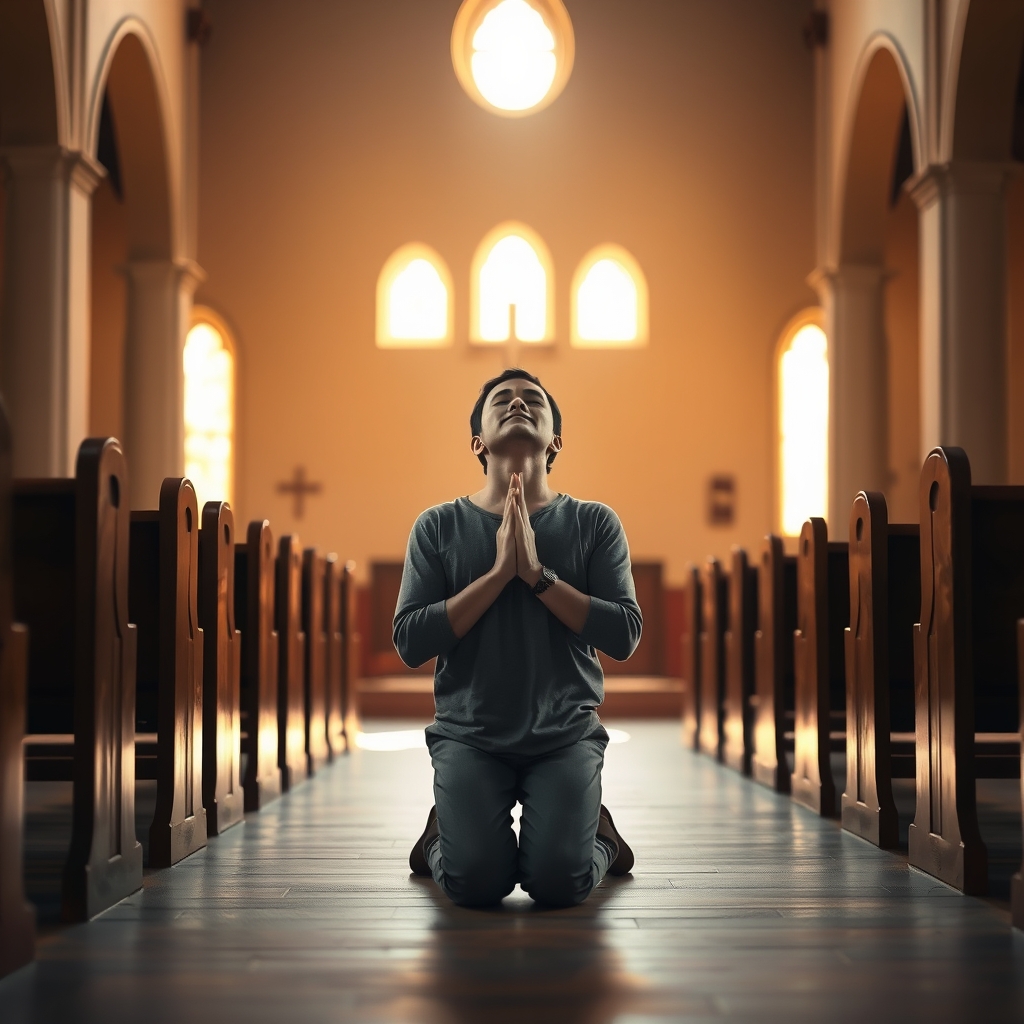
Sitting at the feet of Jesus is a biblical expression that describes choosing to be still before the Lord, to listen to His Word, and to prioritize a personal relationship with Christ above all else. It is most clearly illustrated in Luke 10:39, where Mary sits at Jesus’ feet while Martha is busy with tasks, and Jesus affirms that Mary has chosen the good portion. This posture of the heart represents humility, devotion, and a deep desire to know and follow Jesus.
In a world full of noise, distraction, and endless demands on your time, there is an invitation that has echoed through the centuries—one that calls you to something deeper, quieter, and profoundly life-changing. It is the invitation to sit at the feet of Jesus. This simple yet powerful posture of the heart has been the pattern of every believer throughout Scripture who sought to know Christ more intimately—from Mary of Bethany who chose the one thing needful while her sister Martha bustled about, to the countless souls through the ages who have found peace, wisdom, and direction by drawing near to their Savior. The phrase sitting at the feet of Jesus is not merely a poetic expression; it is a biblical model for how every believer is called to relate to the Lord—with humility, attentiveness, and wholehearted devotion.
In this article, we will explore what it truly means to sit at the feet of Jesus, examine the key scriptures that reveal this beautiful truth, and uncover the spiritual benefits that come when we make Christ the center of our lives. Whether you are a new believer taking your first steps of faith or a mature Christian seeking to go deeper in your walk with the Lord, understanding this posture of the soul will transform the way you pray, worship, study God’s Word, and experience His peace. Drawing from passages like Luke 10:39 and many other powerful verses, we will see that choosing to sit at the feet of Jesus is not a passive act—it is the most important and fruitful decision any person can make.
What Does Sitting at the Feet of Jesus Mean?

The Biblical Picture: Mary Sitting at Jesus’ Feet
One of the most beautiful images in all of Scripture is found in the Gospel of Luke. Jesus was visiting the home of two sisters, Mary and Martha. Martha was busy serving and preparing a meal. However, Mary chose something far more important. She sat at the feet of Jesus and listened to His words.
This was not a casual choice. In the ancient world, sitting at the feet of a rabbi was the posture of a disciple. It meant you were a learner. It meant you were submitting to the teacher’s authority. Mary was not being lazy. She was making a deliberate, spiritual decision to prioritize the presence of Christ above all else.
Martha, on the other hand, became frustrated. She asked Jesus to tell Mary to help her. Jesus’ response was gentle but firm. He said, “Martha, Martha, you are worried and upset about many things, but few things are needed—or indeed only one. Mary has chosen what is better, and it will not be taken away from her” (Luke 10:41–42, NIV).
What was the “one thing” that Mary chose? It was Jesus Himself. She chose His presence. She chose His voice. She chose to be still before the Son of God. In doing so, she modeled for every believer what it truly means to sit at the feet of Jesus.
Mary’s example teaches us several important truths:
- Jesus welcomed her presence. In a culture where women were often excluded from rabbinic teaching, Jesus affirmed Mary’s right to learn from Him. He valued her devotion.
- Listening to Jesus is the highest priority. No amount of busyness or service can replace the need to hear His Word.
- There is a time to stop striving and simply be with Him. Mary’s stillness was not passivity. It was active, intentional worship.
Furthermore, this moment reveals the heart of Jesus. He did not rebuke Martha out of cruelty. He lovingly redirected both sisters toward what matters most. He desires that every believer would come to Him, sit quietly, and receive from His fullness.
Why This Posture Matters for Believers Today
The world we live in is filled with noise, distraction, and constant demands. We are pulled in a hundred directions every single day. As a result, many believers struggle to find time to simply be in the presence of Jesus. Yet this is exactly what our souls need most.
Sitting at the feet of Jesus is not just a historical event. It is a spiritual practice that every Christian can and should embrace. It means choosing to pause from the busyness of life and focus entirely on Christ. It means opening the Bible, bowing in prayer, and saying, “Lord, I am here. Speak to me.”
This posture matters for several reasons:
- It realigns our priorities. Like Martha, we can become so consumed with doing things for Jesus that we forget to be with Jesus. Sitting at His feet reminds us that relationship comes before service.
- It deepens our faith. The more time we spend in His presence, the more we come to know who He truly is. Faith grows not through activity alone, but through intimate communion with Christ.
- It brings transformation. When we sit at the feet of Jesus, His Word begins to reshape our thinking, our desires, and our character. We are changed from the inside out (Romans 12:2).
- It prepares us for every trial. Life will bring storms. However, the believer who has learned to sit at Jesus’ feet will have a foundation that cannot be shaken (Matthew 7:24–25).
In addition, this posture is an act of humility. To sit at someone’s feet is to acknowledge that they are above you. When we sit at the feet of Jesus, we are declaring that He is Lord. We are surrendering our will to His. We are admitting that we need His wisdom, His grace, and His direction.
The apostle Paul understood this truth deeply. He wrote, “I consider everything a loss because of the surpassing worth of knowing Christ Jesus my Lord” (Philippians 3:8, NIV). Paul had given up everything to know Jesus. That is the heart of someone who has truly sat at His feet.
Ultimately, sitting at the feet of Jesus is about one thing: choosing Jesus above all else. It is the choice Mary made. It is the choice every believer is invited to make today. No matter how busy your life may be, no matter what demands are pressing in around you, there is always room at the feet of Jesus. He is waiting for you with open arms.
Where in the Bible Does It Talk About Sitting at the Feet of Jesus?
`html
Luke 10:38–42: Mary and Martha
The most vivid example of sitting at the feet of Jesus appears in the Gospel of Luke. In this well-known passage, Jesus visits the home of two sisters, Mary and Martha. While Martha was busy with many tasks of hospitality, her sister Mary chose something far more important. Mary “sat at the Lord’s feet listening to what he said” (Luke 10:39).
Meanwhile, Martha became distracted and anxious. She was overwhelmed by her many preparations. Eventually, she approached Jesus and said, “Lord, don’t You care that my sister has left me to do the work by myself?” (Luke 10:40). Jesus gently responded, “Martha, Martha, you are worried and upset about many things, but few things are needed—or indeed only one. Mary has chosen what is better, and it will not be taken away from her” (Luke 10:41–42).
This passage reveals a profound spiritual truth. The act of sitting at the feet of Jesus represents choosing His presence above all distractions. It is a posture of humility, attentiveness, and devotion. Mary recognized that hearing Jesus’ words was of eternal value. Martha’s service was not wrong, but it had displaced the one thing that mattered most.
Consider the key contrasts in this passage:
- Busyness vs. stillness: Martha was active but anxious. Mary was still but peaceful.
- Worry vs. worship: Martha was concerned with outward tasks. Mary was focused on Christ Himself.
- Disturbing the Word: Martha’s distraction nearly cost her the moment of Jesus’ teaching. Mary embraced it fully.
- Temporary vs. eternal: Martha’s preparations would fade. Mary’s choice was declared “the better part.”
This story is not simply about two sisters with different personalities. Furthermore, it is a picture of the Christian life. Every believer faces the same choice daily. Will we allow the urgent to crowd out the important? Or will we, like Mary, prioritize time in the presence of our Lord?
Other Key Verses About Sitting at the Feet of Jesus
While Luke 10:38–42 is the most direct reference, several other passages in Scripture capture the same spirit of sitting at the feet of Jesus. Each one reveals a different dimension of what it means to position ourselves before Christ in humility and devotion.
The Disciples Who Sat and Learned
Throughout the Gospels, Jesus’ disciples gathered around Him to listen and learn. In Matthew 5:1–2, we read that Jesus “went up on a mountainside and sat down. His disciples came to Him, and He began to teach them.” This is the setting of the Sermon on the Mount—the most significant teaching Jesus ever gave. The disciples did not stand at a distance. Instead, they drew near and sat, ready to receive every word.
Similarly, in Mark 4:1, a large crowd gathered around Jesus, and He “sat down on a boat. The whole crowd was at the water’s edge.” As He taught, those seated nearest were positioned closest to His voice. Throughout His ministry, those who desired to hear from God physically drew near to Jesus.
Furthermore, in Luke 8:35, after Jesus delivered a man from demon possession, the people found the man “sitting at Jesus’ feet, dressed and in his right mind.” Sitting at the feet of Jesus is the posture of someone who has been restored and made whole. Only Jesus can bring this kind of transformation.
Paul Who Sat at the Feet of Jesus—Through His Messenger
The Book of Acts records a remarkable moment in Acts 22:3. The Apostle Paul, recounting his training in Jerusalem, states that he was “educated at the feet of Gamaliel.” While Gamaliel was a human teacher, this phrase reveals an important principle. In Jewish tradition, sitting at someone’s feet signified being a devoted student or disciple.
In the New Testament, this concept was raised to a higher level. The highest form of sittive at the feet of Jesus. Christians are not merely students of a rabbi. They are devoted followers of the Son of God Himself. As the writer of Hebrews declares, Jesus is the radiance of God’s glory and the exact representation of His being (Hebrews 1:3).
The Prophecy: Sitting at the Feet of the Messiah
Isaiah 7:14 foretold that a virgin would conceive and bear a Son named Immanuel, meaning “God with us.” The entire prophetic thread of the Old Testament looks forward to the One before whom all peoples would bow. This was fulfilled in Jesus Christ.
Additionally, Philippians 2:9–11 declares that “God exalted Him to the highest place and gave Him the name that is above every name, that at the name of Jesus every knee should bow, in heaven and on earth and under the earth, and every tongue acknowledge that Jesus Christ is Lord.”
Sitting at the feet of Jesus points to this ultimate reality. It is a foretaste of the eternal worship every believer will one day offer. Those who sit at His feet now in devotion will one day see Him face to face in glory.
The Privilege of Access Through Christ
Before Jesus came, the picture of access to God was far more limited. In the Old Testament, only the High Priest could enter the Holy of Holies—and only once a year. However, Jesus changed everything. When He died on the cross, the temple veil was torn from top to bottom (Matthew 27:51). This signified that direct access to God was now open to all who come through Jesus Christ.
Hebrews 4:16 invites every believer: “Let us then approach God’s throne of grace with confidence, so that we may receive mercy and find grace to help us in our time of need.” Sitting at the feet of Jesus is a direct result of this access. We come boldly, not because of our own merit, but because of what Jesus accomplished on the cross.
Consider these Scriptures that connect to the theme of sitting at the feet of Jesus:
| Scripture Reference | Key Theme |
|---|---|
| Luke 7:38 | A sinful woman wept at Jesus’ feet, demonstrating deep repentance and love. |
| Luke 8:35 | A formerly demon-possessed man was found sitting at Jesus’ feet, restored and in his right mind. |
| Matthew 15:30 | Large crowds came to Jesus, bringing the sick and those in need of healing. |
| Acts 22:3 | Paul describes being “educated at the feet of Gamaliel,” showing the posture of discipleship. |
| Hebrews 4:16 | Believers are invited to approach God’s throne with confidence through Christ. |
Each of these passages, in its own way, reflects the posture of coming humbly before Jesus. Furthermore, they remind us that sitting at the feet of Jesus is not a new invention. It is woven throughout the entire story of Scripture—culminating in the person and work of our Lord and Savior, Jesus Christ.
`
What Does the Bible Say About Sitting at Jesus’ Feet?
The Bible presents sitting at Jesus’ feet as one of the most important postures a believer can take. It is far more than a physical position. It is an attitude of the heart. It is one of humility, surrender, and a deep desire to learn from Him.
This posture appears throughout Scripture, and each time it carries profound spiritual meaning. When we examine what the Bible says, we discover that sitting at Jesus’ feet is not optional for the growing Christian. It is essential. It is the very foundation of a life that honors Him.
Sitting at Jesus’ Feet Is an Act of Worship and Reverence
Throughout the Bible, sitting at the feet of a teacher or master was a sign of deep respect. It signaled that a person recognized the authority and wisdom of the one they were listening to. Likewise, when we sit at the feet of Jesus, we are declaring that He alone is Lord.
In the Old Testament, Moses sat in the presence of God at the burning bush (Exodus 3:5). He removed his shoes and humbled himself. The New Testament carries this posture forward into a more intimate encounter with Christ. We come before Jesus not with fear alone but with awe and adoration.
- It acknowledges His divinity and lordship.
- It expresses our willingness to submit to His authority.
- It reflects the humility of a heart that worships freely.
The Bible Calls It the “One Thing” That Is Needed
Perhaps the most powerful scriptural statement about sitting at Jesus’ feet comes from Luke 10:42. Jesus said, “But one thing is needed, and Mary has chosen that good part, which will not be taken away from her.”
Mary of Bethany chose to sit at Jesus’ feet while her sister Martha was distracted with much serving. Martha was upset. She wanted help. But Jesus gently corrected her. He affirmed Mary’s choice as the better choice. It was the one thing that truly mattered.
This passage teaches us several vital truths:
- Nothing should come before time with Jesus. Even good things like serving and helping can become distractions if they pull us away from His presence.
- Jesus values our attention above our activity. He does not ask us to do more. He asks us to be still and know Him (Psalm 46:10).
- The blessing of His presence cannot be taken away. Worldly accomplishments fade. But time spent at Jesus’ feet carries eternal reward.
Sitting at Jesus’ Feet Means Choosing to Listen to His Word
In the ancient world, disciples literally sat at the feet of their rabbis to learn. The apostle Paul described himself as having been taught “at the feet of Gamaliel” (Acts 22:3). This was the standard posture of a learner.
However, when we sit at the feet of Jesus, we sit before no ordinary teacher. We sit before the Living Word (John 1:1). His words are spirit and life (John 6:63). Every syllable He speaks carries the full authority of God.
The Bible tells us that faith comes by hearing, and hearing by the word of Christ (Romans 10:17). Therefore, sitting at His feet means:
- Opening Scripture with an eager and humble heart.
- Receiving His Word as truth without mixture or compromise.
- Allowing His teaching to transform our minds and renew our ways (Romans 12:2).
Furthermore, Jesus promises that His sheep hear His voice and follow Him (John 10:27). Listening is not passive. It leads to obedience. It leads to life change. The one who sits at His feet will never remain the same.
Jesus Welcomes Everyone to Come and Sit
One of the most beautiful truths in Scripture is that Jesus does not reserve His presence for the spiritually elite. He invites everyone. The weary, the broken, the weary, and the lost are all welcome.
“Come to Me, all you who labor and are heavy laden, and I will give you rest. Take My yoke upon you and learn from Me, for I am gentle and lowly in heart, and you will find rest for your souls.” — Matthew 11:28-29
“Learn from Me” is the language of sitting at His feet. Jesus describes Himself as gentle and lowly in heart. This means no one should feel unworthy to draw near. As a result, the invitation stands for all people in all seasons of life.
Whether you are a new believer with many questions or a lifelong follower of Christ, the posture of sitting at His feet remains the center of spiritual growth. There is no formula more simple and no practice more powerful.
The Eternal Promise of Sitting at Jesus’ Feet
Revelation paints a breathtaking picture of eternity. At the final day, every knee will bow and every tongue will confess that Jesus Christ is Lord (Philippians 2:10-11). Believers will enter His presence forever.
Consequently, sitting at the feet of Jesus is not merely a practice for this life. It is a preview of eternity. The time we spend in His presence now is preparation for the day we will dwell with Him forever. Every moment of prayer, worship, and meditation on His Word is an investment in eternal joy.
What Are the Benefits of Sitting at the Feet of Jesus?

Deepening Your Relationship with Christ
At its core, sitting at the feet of Jesus is an act of love. It is a deliberate choice to be near the One who first loved us (1 John 4:19). Much like a close friendship or a marriage, our relationship with Christ grows through time spent together. When we pause our busy lives to simply be with Him, we move beyond knowing about Him to truly knowing Him.
This intimacy is the foundation of the Christian life. Jesus Himself said, “Remain in me, and I will remain in you” (John 15:4). By sitting at His feet, we abide in His presence and allow His Spirit to draw us closer.
Consider the many ways this deepens our bond with Christ:
- We learn His character and heart.
- We trust Him more deeply.
- We begin to see life from His perspective.
- Our love for Him grows stronger each day.
As we draw near to God, He promises to draw near to us (James 4:8). This is the beautiful rhythm of a life lived at the feet of Jesus.
Finding Peace in His Presence
The world is filled with worry, anxiety, and fear. Yet Jesus offers a peace that surpasses all understanding (Philippians 4:7). When we sit at His feet, we step away from the noise of this world and enter His rest.
Mary of Bethany experienced this firsthand. While her sister Martha was distracted by many tasks, Mary chose to sit quietly at Jesus’ feet (Luke 10:40). In doing so, she found a peace that busyness could never provide.
As a result, sitting at the feet of Jesus becomes our refuge. It is the place where burdens are lifted and weary souls are refreshed. Isaiah 40:31 reminds us that those who wait upon the Lord shall renew their strength.
Here are some of the ways His peace transforms us:
- Anxiety gives way to trust.
- Fear is replaced by His perfect love (1 John 4:18).
- Our hearts are guarded by His unshakable peace.
Receiving Wisdom and Direction
Life is full of decisions, big and small. Without godly wisdom, we are left to rely on our own limited understanding. The Bible tells us, “If any of you lacks wisdom, let him ask of God, who gives to all liberally and without reproach” (James 1:5). Sitting at the feet of Jesus is where we bring our questions, our confusion, and our need for guidance.
Jesus is the Way, the Truth, and the Life (John 14:6). Therefore, there is no better place to seek direction than from the One who holds all wisdom.
Scripture also tells us to “trust in the Lord with all your heart, and lean not on your own understanding; in all your ways acknowledge Him, and He shall direct your paths” (Proverbs 3:5–6). As we sit at His feet, He speaks truth into our hearts and illuminates the path before us.
Growing in Spiritual Maturity
Salvation is just the beginning. God calls every believer to grow. Through His Spirit, He transforms us into the image of Christ (2 Corinthians 3:18). Spiritual growth requires time spent in His presence. It requires listening, learning, and submitting to His Word.
Peter urged believers to “grow in the grace and knowledge of our Lord and Savior Jesus Christ” (2 Peter 3:18). Likewise, Paul described the Christian journey as one of moving from spiritual infancy to spiritual maturity (Ephesians 4:13–15). Sitting at the feet of Jesus is how this growth happens. It is the natural result of abiding in Him.
As we spend time with Jesus, we are changed. Our faith deepens. Our character is refined. Our love for others increases. We become more like Him, day by day, through the power of the Holy Spirit.
In every season of life, the greatest blessing is found in His presence. Sitting at the feet of Jesus is not a one-time act. It is a lifelong posture of the heart. It is the place where we find love, peace, wisdom, and transformation. And it is available to every believer, right now, through prayer, worship, and the Word of God.
How Can You Sit at the Feet of Jesus Today?

The beautiful truth is that you don’t have to travel to ancient Israel to sit at the feet of Jesus. He is with you right now through the Holy Spirit. In fact, Jesus promised, “For where two or three gather in my name, there am I with them” (Matthew 18:20). Today, you can experience His presence in deeply personal and transformative ways.
Here are four powerful ways you can sit at the feet of Jesus today:
Through Prayer
Prayer is the most direct way to draw near to Jesus. It is simply talking to God. You don’t need fancy words or a special location. Jesus invites you to come as you are.
Consider these ways to deepen your prayer life:
- Pray honestly. Tell Jesus exactly what is on your heart. He already knows, but He wants to hear from you (Matthew 6:8).
- Pray consistently. Set aside a specific time each day to be alone with Him. Even a few quiet minutes matter.
- Pray with faith. Jesus said, “Whatever you ask for in prayer, believe that you have received it, and it will be yours” (Mark 11:24).
- Listen as you pray. Prayer is not a one-way conversation. Pause and give the Holy Spirit room to speak to your heart.
When you pray, you are literally sitting at the feet of your Savior. You are acknowledging that He is Lord and that you need Him. That posture of humility is exactly what pleases the heart of God.
Through Reading and Meditating on Scripture
The Bible is the living Word of God. When you open its pages, Jesus speaks to you through the words written there. The Psalmist wrote, “Your word is a lamp for my feet, a light on my path” (Psalm 119:105).
Here are some practical ways to sit at Jesus’ feet through His Word:
- Read slowly. Don’t rush through a chapter just to check it off. Let the words sink deep into your spirit.
- Meditate on a single verse. Take one verse and think about it throughout the day. Ask the Holy Spirit to reveal its meaning to you.
- Journal what you learn. Writing down what God shows you helps you remember and apply His truth.
- Memorize Scripture. Hiding God’s Word in your heart gives you strength and guidance for every situation (Psalm 119:11).
Jesus Himself is the Word made flesh (John 1:14). So every time you read the Bible, you are drawing closer to Him. His words bring life, correction, comfort, and hope.
Through Worship and Praise
Worship is more than singing songs on Sunday morning. It is a lifestyle of honoring Jesus with your whole heart. When you worship, you are declaring that He is worthy of all your love and devotion.
Worship can take many forms:
- Singing hymns and worship songs. Music has a unique way of lifting your spirit toward heaven (Colossians 3:16).
- Playing worship music throughout your day. Let songs about Jesus fill your home, your car, and your heart.
- Offering thanksgiving. Gratitude is a powerful form of worship. Thank Jesus for who He is and what He has done.
- Lifting your hands in surrender. Physical expressions of worship can deepen your spiritual connection to Christ.
Jesus said that the Father seeks those who will worship Him in spirit and in truth (John 4:23). When you worship, you are sitting at His feet in adoration. You are placing Him above everything else in your life.
Through Quiet Stillness and Listening
In our noisy, busy world, stillness is rare. Yet it is often in the quiet moments that Jesus speaks most clearly. The prophet Elijah discovered that God was not in the wind, the earthquake, or the fire, but in a gentle whisper (1 Kings 19:11–12).
Here is how you can practice stillness before the Lord:
- Find a quiet place. Turn off your phone, step away from distractions, and simply be present with Jesus.
- Breathe and be still. Remind yourself that you are in the presence of the living God. Let your racing thoughts settle.
- Wait on the Lord. Don’t rush ahead with your own agenda. Give Jesus time to speak (Psalm 27:14).
- Pay attention to the Holy Spirit. He may bring a Scripture to mind, a sense of peace, or a gentle conviction. Trust that it is the Lord speaking.
Martha was busy with many things, but Mary chose the one thing that mattered most — sitting quietly at Jesus’ feet (Luke 10:42). When you choose stillness, you are choosing the same good portion that Mary chose. And Jesus said that good portion will not be taken away from you.
Make It Your Daily Practice
Sitting at the feet of Jesus is not a one-time event. It is a daily choice. It is a lifestyle of drawing near to Christ in prayer, in His Word, in worship, and in stillness. Each of these practices strengthens your relationship with Him and transforms you from the inside out.
Start today. You don’t need to do everything at once. Pick one of these four ways and begin. Ask Jesus to meet you there. He is faithful, and He promises that when you draw near to Him, He will draw near to you (James 4:8).
Sitting at the Feet of Jesus in Song and Sermon
Songs and sermons have long invited believers to sit at the feet of Jesus. They remind us that following Him means drawing near to hear His voice. Art can often move our hearts even deeper than words alone on a page.
The Classic Hymn: ‘Sitting at the Feet of Jesus’
The hymn “Sitting at the Feet of Jesus” tenderly describes resting with the Master. It paints a word picture of the Mary who chose the better seat (Luke 10:42). Each verse testifies that life’s noise fades when He speaks. The chorus often lifts a longing like Mary’s to remain at His feet [1].
Below, you can see key themes from this treasured song.
| Theme | What It Reveals about Jesus |
|---|---|
| Rest | He offers the weary soul true peace |
| Teaching | He is our faithful and patient Master |
| Delight | He is truly worthy of our closest attention |
As you sing it today, ask Jesus to quiet your heart. Posture yourself as a humble learner before Him.
Sabbath Adventist (SDA) Hymnal and Other Hymns
The Seventh-day Adventist Hymnal includes songs about learning from Jesus. These songs echo Luke 10:38–42 in their worship language [2]. In addition to SDA sources, many mainline hymnals carry the theme. Therefore, “sitting at the feet of Jesus” is a widely shared image of devotion.
Other well-known hymns and choruses with this emphasis include:
- “Living He Loved Me” — reflecting trust in Christ’s present work
- “Come, Sinners, to the Gospel Feast” — an invitation to come and learn from Jesus
- “I Will Enter His Gates” — praising the privilege of His presence
- “Open My Eyes, That I May See” — asking God to teach through His Word
These songs all turn our eyes back to Jesus. They declare Him Lord, Teacher, and Savior. Each melody invites you deeper into discipleship.
Sitting at the Feet of Jesus Lyrics and Chords
You can enjoy singing this theme privately or in worship. Many churches and songbooks print the classic lyrics and basic guitar chords. You may find lead sheets with an easy chord progression in a major key. In addition, piano arrangements often use gentle, meditative patterns to support praise.
To begin, look for these elements in a song sheet:
- Title and a short description of the song’s message
- Lyrics grouped by verse and chorus
- Chord symbols above the words for guitar or piano
- A suggested tempo that keeps a worshipful pace
As you play and sing, focus on the words. Let each line renew your love for Jesus. The melody is only a vessel; Christ Himself is the treasure.
Sermons Inspired by This Theme
Preachers often explore “sitting at the feet of Jesus” from Luke 10:38–42. Such sermons call listeners away from distraction. In addition, they warn against a faith of endless activity but little intimacy. Martha serves even today, but Mary’s model is still the more necessary one.
Typical sermon takeaways include:
- Jesus welcomes you to be with Him before you work for Him.
- Busyness without His presence leads to worry and frustration.
- God’s Word shapes character, priorities, and direction.
- Abiding at His feet protects your heart from spiritual drift.
- You receive grace to serve others when you first attend to Christ.
A powerful sermon theme is this: Jesus chose Mary’s faith. He still honors a quiet, attentive heart. Therefore, His invitation remains open to every seeker and believer.
Ultimately, song and sermon alike direct us to one clear truth. Jesus, the true Lamb of God, calls you to come and learn. When you respond, you begin to know Him more deeply. You discover that He is both Lord and loving Friend. In His presence, your soul finds its truest rest and highest joy.
Sitting at the Feet of Jesus Book Resources
If you are hungry to go deeper into the beautiful truth of sitting at the feet of Jesus, there are excellent books to guide you. Whether you enjoy detailed Bible study or love biographical inspiration, there is a resource for you. Furthermore, these books all share one goal: they point you directly to the person of Jesus Christ.
Below is a curated list of trusted books on this theme. Use them to grow your faith and deepen your walk with Him.
Devotionals and Bible Studies
- “Abide in Christ” by Andrew Murray — A classic book on resting in Jesus’ presence. Murray helps believers learn to simply be with Jesus every day.
- “My Utmost for His Highest” by Oswald Chambers — A timeless devotional. It challenges readers to give their all to Christ and sit at His feet in surrender.
- “Sitting at the Feet of Rabbi Jesus” by Ann Spangler and Lois Tverberg — This book explores Jesus’ Jewish context. However, always compare its teaching with Scripture to ensure it remains Jesus-centered.
- “Jesus Calling” by Sarah Young — Written from Jesus’ perspective, this devotional invites readers into daily quiet time with Him.
Biographies of Faith
- “The Practice of the Presence of God” by Brother Lawrence — A powerful example of living life with constant awareness of God’s nearness.
- “George Müller: Man of Faith” by Faith Cox Bailey — Learn how one man sat at Jesus’ feet through prayer and trusted God completely.
- “Hudson Taylor’s Spiritual Secret” by Dr. and Mrs. Howard Taylor — Discover how abiding in Christ fueled a great missionary movement.
Theological Books for Deeper Study
- “Knowing God” by J.I. Packer — A foundational book on understanding who God is according to Scripture.
- “The Pursuit of God” by A.W. Tozer — A beautiful call to seek Christ above all else in every area of life.
- “Systematic Theology” by Wayne Grudem — For those ready to study what the whole Bible says about Jesus Christ.
Children’s Resources
- “The Jesus Storybook Bible” by Sally Lloyd-Jones — Every story points to Jesus. It is perfect for teaching children His centrality.
- “Sitting at the Feet of Jesus” (Children’s Edition) — Young readers can learn early about the importance of listening to Jesus.
These books will encourage you to make Jesus the center of your life. The best resource will always be the Bible itself. Start there. Then, let these trusted authors deepen your understanding. Most importantly, remember that sitting at the feet of Jesus is not only about study. It is about a living, daily relationship with your Lord and Savior. As Hebrews 4:12 tells us, God’s Word is alive and powerful. Let it speak to your heart today.
Above all, never forget who Jesus really is. The Bible declares, “Jesus Christ is the same yesterday and today and forever” (Hebrews 13:8). Every true resource about sitting at the feet of Jesus will lead you to this unchanging truth.
Who Was the Only Disciple That Was Not Killed?
When we think about the twelve disciples, we often remember their bold faith and their willingness to follow Jesus. However, many of them also faced tremendous suffering. In fact, most of the disciples were martyred for their faith. Yet one disciple stands apart from the rest.
The Apostle John: The Disciple Who Was Not Killed
The only disciple who was not killed for his faith was the Apostle John. He was the son of Zebedee and the brother of James. John was also known as “the disciple whom Jesus loved” (John 13:23). He was one of Jesus’ closest companions, along with Peter and James.
According to early church tradition, John lived to an old age. He was the only one of the twelve apostles who died a natural death. While his brother James was the first disciple to be martyred (Acts 12:2), John continued his ministry for many decades.
John’s Suffering and Exile
It is important to note that John was not spared from all suffering. The book of Revelation tells us that John was exiled to the island of Patmos. He was sent there “because of the word of God and the testimony of Jesus” (Revelation 1:9). So while he was not killed, he still endured hardship for the sake of the Gospel.
Early church historians record that John also faced attempts on his life. One tradition states that he was thrown into a cauldron of boiling oil in Rome but was miraculously preserved by God. Eventually, he died peacefully in Ephesus around the end of the first century.
Why Was John Spared?
Scripture does not give us a definitive answer as to why John was not martyred. However, we can see God’s sovereign purpose at work. John was given the unique role of writing the Gospel of John, three epistles, and the book of Revelation. His long life allowed him to shepherd the early church and provide deep theological insight into the nature of Christ.
John’s extended ministry also served as a living testimony. He spent decades sitting at the feet of Jesus in spirit, learning, growing, and teaching others. His life reminds us that God’s plans for each person are unique and purposeful.
The Fate of the Other Disciples
While John was spared from death, the other disciples gave their lives for the faith. Here is a summary of what tradition records about their deaths:
| Disciple | Traditional Account of Death |
|---|---|
| Peter | Crucified upside down in Rome |
| Andrew | Crucified on an X-shaped cross |
| James (son of Zebedee) | Beheaded by King Herod (Acts 12:2) |
| Thomas | Speared to death in India |
| Matthew | Killed by sword in Ethiopia |
| Bartholomew (Nathanael) | Flayed alive and beheaded |
| James (son of Alphaeus) | Stoned to death in Jerusalem |
| Jude (Thaddeus) | Killed with arrows in Persia |
| Simon the Zealot | Sawn in half in Persia |
| Judas Iscariot | Died by suicide (Matthew 27:5) |
| Matthias (replaced Judas) | Stoned and beheaded |
These accounts come from early church tradition and historical records. While not all details are confirmed in Scripture, the consistent witness of history is that the disciples were willing to die for the risen Christ.
What This Means for Us Today
The story of John and the other disciples teaches us a powerful lesson. Following Jesus may lead to suffering. It may also lead to a long life of faithful service. Either way, God is sovereign over every outcome.
John’s life shows us the beauty of a long walk with Christ. He spent a lifetime sitting at the feet of Jesus, listening, learning, and sharing the love of God. His writings continue to transform lives today.
As believers, we are called to trust God with our lives, whether He calls us to suffer or to serve for many years. The Apostle Paul wrote, “For to me, to live is Christ and to die is gain” (Philippians 1:21). This was the heart of every disciple, including John.
Jesus Christ is Lord over life and death. He is the same yesterday, today, and forever (Hebrews 13:8). Whether we face trials or enjoy seasons of peace, we can rest in His sovereign love and perfect plan.
Does God Know You Before You Are Born?
The Foundational Truths God Knows Before You Are Born
When we sit at the feet of Jesus, we encounter a Savior who knew us before we drew our first breath. This is not merely a comforting thought. It is a profound biblical truth rooted in Scripture and affirmed throughout God’s Word.
Furthermore, understanding this truth deepens our faith. It reminds us that our lives are not accidental. They are intentionally woven together by a God who sees the end from the beginning.
However, this doctrine can feel overwhelming. A curious mind may wonder exactly what God knows about us before we are born and why it matters. Let’s explore Scripture to find clear, faith-affirming answers.
God’s Foreknowledge Affirmed in Scripture
The Bible speaks plainly and repeatedly about God’s intimate knowledge of each person before birth. These verses form the foundation of our understanding:
- Jeremiah 1:5 (ESV) — “Before I formed you in the womb I knew you, and before you were born I consecrated you; I appointed you a prophet to the nations.” Here, God speaks directly to Jeremiah, revealing that His knowledge of Jeremiah existed long before his physical arrival.
- Psalm 139:13–16 — David writes, “For you formed my inward parts; you knitted me together in my mother’s womb… Your eyes saw my unformed substance; in your book were written, every one of them, the days that were formed for me, when as yet there was none of them.” This beautiful passage describes a God intimately involved in every detail of our creation
- Ephesians 1:4 — “Even as he chose us in him before the foundation of the world, that we should be holy and blameless before him.” This verse reveals that God’s plan of salvation was established before the world even existed
- Isaiah 49:1 — “The LORD called me from the womb, from the body of my mother he named my name.” God’s calling on individual lives precedes their birth entirely.
What Exactly Does God Know Before We Are Born?
Scripture reveals several specific aspects of God’s foreknowledge regarding each person:
- Our identity and purpose — God knows the name He has for us and the work He has prepared for us to walk in
- Every day of our lives — Psalm 139 confirms that all of our days were written in God’s book before they came to be.
- His redemptive plan for us — Before we ever sinned or sought Him, God had already set in motion His plan to redeem us through Jesus Christ.
- Our hearts and nature — God knows our character, our struggles, and even the depths of our need for a Savior.
The Difference Between God’s Active Knowledge and Human Free Will
A common question arises: If God knows everything before we are born, do we truly have free will? This is a deep theological question, and Scripture points to both truths existing simultaneously.
On one hand, God is omniscient. He knows every choice we will ever make. On the other hand, we are genuinely responsible for our decisions. Scripture never teaches that we are mere puppets. Instead, we are fully loved, fully known, and fully accountable beings.
God’s Foreknowledge Points Directly to Jesus Christ
Here is the most beautiful truth of all: God knew that humanity would fall into sin. He knew it before the foundation of the world. As a result, His plan to rescue us through Jesus Christ was not an afterthought. It was the eternal purpose of the Father.
In other words, God knew you before you were born. More importantly, He sent His Son, Jesus, to lay down His life for you before you ever called on His name. The cross was not Plan A because something else failed. The cross was always the plan—because God knew exactly how much you would need a Savior.
What It Means When We Sit at the Feet of Jesus
Understanding that God knew you before you were born transforms how you worship Him. When you sit at the feet of Jesus, you are not approaching a distant or indifferent deity. You are encountering the One who:
- Formed you with purpose in your mother’s womb.
- Chose you before the foundation of the world.
- Sent His Son to die for you before you ever knew you needed saving.
- Is calling you into an eternal relationship that began not at your conversion, but before time itself.
As a result, sitting at the feet of Jesus becomes an act of complete trust. You are surrendering to a God who has never been surprised by your story. He authored every chapter. He already knew the ending. And that ending is life—abundant, eternal, and secure in Him.
Frequently Asked Questions
What Does the Bible Say About Sitting at Jesus’ Feet?
The Bible paints a vivid picture of what it means to sit at Jesus’ feet. It represents a posture of humility, devotion, and a deep desire to listen to His words. The most well-known example is found in Luke 10:38–42, where Mary chose to sit at the Lord’s feet while He taught. Martha, meanwhile, was distracted by household tasks. Jesus gently affirmed Mary, saying she had chosen “the better part.” This tells us that being in His presence and receiving His teaching is the highest priority for believers.
Furthermore, sitting at Jesus’ feet is not just a physical act. It symbolizes a heart that is surrendered to His lordship. Throughout the New Testament, people who truly believed in Jesus fell at His feet in worship (Matthew 15:30, Mark 5:22). This posture acknowledges His authority and our need for His grace.
Who Was the Only Disciple That Was Not Killed?
The Gospel of John was written by the Apostle John, the brother of James and the son of Zebedee. Church tradition and historical sources widely hold that John was the only one of the twelve apostles to die of natural causes. He is believed to have lived to an old age in Ephesus. The other apostles are traditionally believed to have been martyred for their faith. Therefore, John is often referred to as the disciple “whom Jesus loved” (John 13:23). It is important to note, however, that the Bible does not explicitly state that he was the only one to die naturally.
Does God Know You Before You Are Born?
Yes. The Bible clearly teaches that God has a personal and intimate knowledge of every person before they are even born. The prophet Jeremiah records the Lord saying, “Before I formed you in the womb I knew you, before you were born I set you apart” (Jeremiah 1:5). This verse shows that God’s knowledge of us is not new or circumstantial. He has a sovereign plan and purpose for each human life, conceived in His heart before the foundation of the world (Ephesians 1:4). This truth is a profound source of comfort and identity for believers.
Is Saying ‘Oh Jeez’ a Sin?
This question gets to the heart of what the Bible teaches about honoring God’s name. The commandment says, “You shall not misuse the name of the LORD your God” (Exodus 20:7). The phrase “oh jeez” is widely considered a mild exclamation or an attempt to avoid saying “oh Jesus.” While the speaker’s intent matters, the Bible’s broader teaching on speech urges believers to be intentional and wholesome. The Apostle Paul encourages speech that is helpful for building others up (Ephesians 4:29). As Christians, we are called to be careful with our words. Even casual phrases should reflect a heart that honors Christ above all.