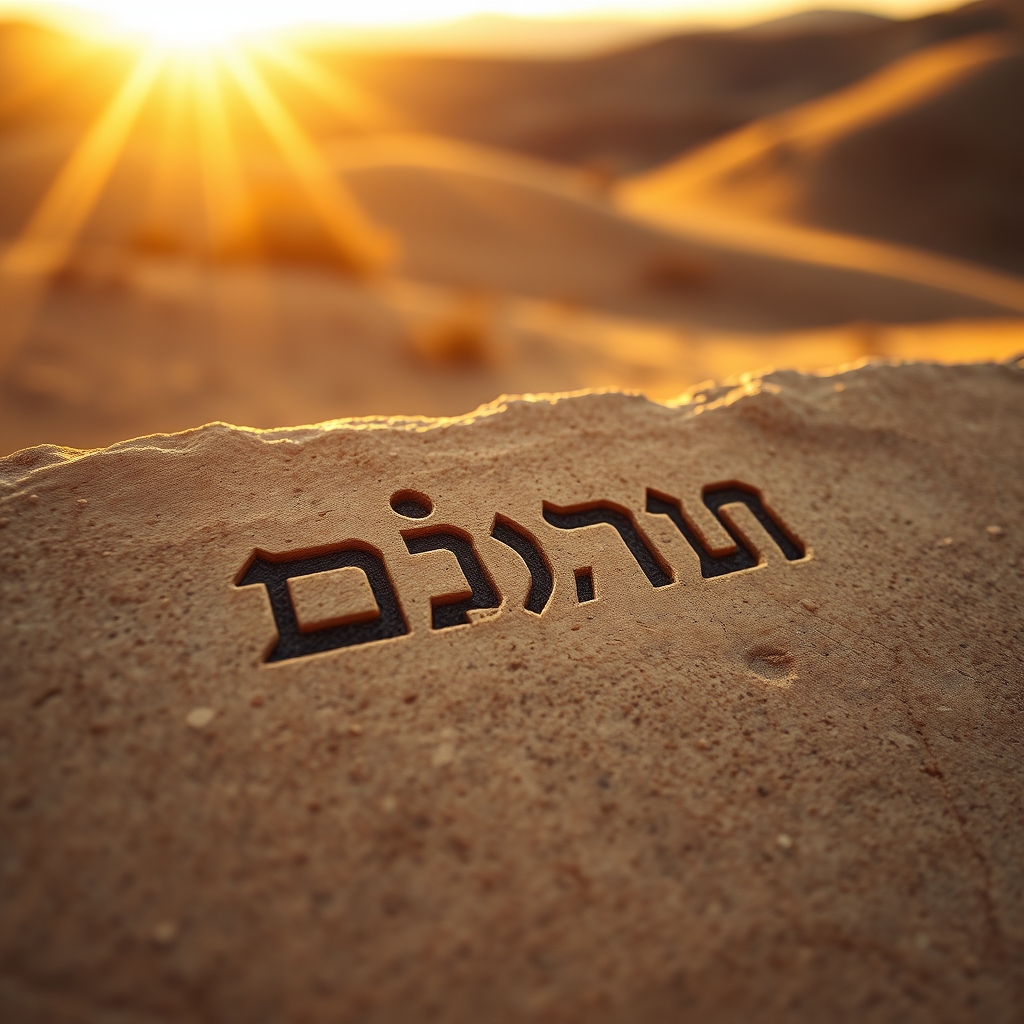
In Aramaic, the language Jesus often used, His name is commonly rendered in a form closely related to ‘Yeshu’ or ‘Isho’ in later Aramaic traditions. Both point to the same Savior, Jesus—whose name means salvation—who lived, died, and rose again for us, as recorded in Scripture.
Have you ever wondered what Jesus’ name sounded like on His own lips? When He walked the dusty roads of Galilee, taught in the synagogues, or prayed in the garden of Gethsemane, He did not speak English — or even Greek. Jesus spoke Aramaic, the everyday language of His home, His family, and His community. Understanding Jesus in Aramaic opens a remarkable window into the life and heart of our Savior, helping us see Him not as a distant figure in history, but as a real person who lived, spoke, and loved in a language His listeners understood.
In this article, we will explore the Aramaic name of Jesus, what it means, and how His native language connects us more deeply to the Gospel accounts we treasure. Whether you are a new believer just beginning to explore the faith or a longtime follower of Christ seeking to grow deeper in understanding, this journey into the language of Jesus will enrich your appreciation of who He is and what He came to do. As Scripture reminds us, “Everyone who calls on the name of the Lord will be saved“ (Romans 10:13) — and that name, in every language, belongs to Jesus Christ, the Son of the living God.
Introduction: Why Aramaic Matters to Jesus

The language spoken in Jesus’ home and community
When Jesus walked the dusty roads of Nazareth, He did not speak English. He did not speak Greek or Latin as His first language. Jesus in Aramaic is the starting point for understanding who He truly was in His earthly life.
Aramaic was the everyday language of first-century Palestine. It was the language of the home, the marketplace, and the synagogue. When Jesus laughed with His friends, taught His disciples, and prayed to His Father, He most often spoke Aramaic. This simple truth brings us remarkably close to the heart of our Savior.
- Aramaic was the common tongue of Jewish people in Jesus’ day. [1]
- Jesus grew up in Nazareth, a small village in Galilee, where Aramaic was the household language.
- Several of Jesus’ own words recorded in the New Testament are Aramaic phrases, such as “Talitha koum” (Mark 5:41) and “Ephphatha” (Mark 7:34).
- The name Jesus was called by His family and neighbors in Aramaic is Isho (or Yeshua), not the English form we use today.
Understanding this helps us see Jesus not as a distant figure in history, but as a real man who lived, spoke, and loved in a real language understandable to all. He is the Word made flesh (John 1:14), and that Word had a sound the people around Him recognized.
Why we use the English word ‘Jesus’ today
So how did we get from the Aramaic language of Jesus’ time to the English name “Jesus” used in churches around the world? The answer lies in the beautiful and complex history of how the Bible was shared across nations and languages.
Jesus’ original Aramaic name, Yeshua or Isho, was first translated into Greek as Iēsous in the New Testament writings. Greek was the common language of the Roman Empire when the apostles spread the Gospel. [2] From Greek, the name moved into Latin as Iesus, and eventually into English as “Jesus.”
This journey of His name across languages is not a loss. In fact, it is a testimony to the universal reach of His salvation. As Scripture declares:
“That at the name of Jesus every knee should bow, in heaven and on earth and under the earth.” — Philippians 2:10 (NIV)
Whether we say Jesus, Yeshua, Isho, or Yesu in another language, the power and glory of His name remain the same. The Prophet Joel foretold this truth: “Everyone who calls on the name of the Lord will be saved” (Joel 2:32, also quoted in Acts 2:21 and Romans 10:13).
Using the English word “Jesus” does not change who He is. He is still the same yesterday, today, and forever (Hebrews 13:8). Our Savior rose from the dead. He reigns at the right hand of the Father. And He speaks still through His Word to every heart willing to listen.
What is Jesus’ real name in Aramaic?

The Gospels were written in Greek. However, Jesus and His disciples spoke Aramaic in their daily lives. This means the name we read in our Bibles today passed through several languages on its way to us.
The Aramaic Form
In Aramaic, the language Jesus actually spoke, His name is rendered as Isho’ (sometimes spelled Yeshu in certain Jewish traditions, though Isho’ is the Syriac/Aramaic form used by Aramaic-speaking Christians).
Let us trace the journey of His name across languages:
| Language | Name Form | Notes |
|---|---|---|
| Hebrew | Yeshua (ישוע) | Meaning “Yahweh saves” or “salvation” |
| Aramaic / Syriac | Isho’ (ܝܫܘܥ) | The form used in Jesus’ household and community |
| Greek | Iesous (Ἰησοῦς) | Used in the New Testament Gospels |
| Latin | Iesus | The Roman church translation |
| English | Jesus | The form we use today |
So when the angel told Joseph, “You shall call His name Jesus, for He will save His people from their sins” (Matthew 1:21), the word spoken in the home was most likely Isho’ in Aramaic or Yeshua in Hebrew. Both carry the same beautiful meaning.
How His Name Connects to “Salvation”
This is perhaps the most important truth for every believer to understand. Jesus’ name is not simply a label. It is a declaration of His mission.
Consider what Scripture tells us:
- Yeshua comes from the Hebrew root Yasha, meaning “to save, to deliver, to rescue.”
- The name Jesus literally means “The Lord is Salvation” or “Yahweh Saves.”
- Matthew 1:21 makes this unmistakably clear: “You shall call His name Jesus, for He will save His people from their sins.”
In other words, His name is His Gospel. When we say “Jesus,” we are declaring that God saves.
This truth has profound meaning for every Christian:
- At salvation: We call on His name because He is our Savior. Romans 10:13 promises, “Everyone who calls on the name of the Lord will be saved.”
- In daily trials: When life overwhelms us, His name reminds us that the Lord delivers. He is not distant. He saves.
- For all nations: His name transcends every language. Whether spoken as Isho’ in Aramaic, Isa in Arabic, or Jesus in English, it always points to the same Savior.
Acts 4:12 affirms this beautifully: “Salvation is found in no one else, for there is no other name under heaven given to mankind by which we must be saved.”
So the next time you speak His name, remember. You are not merely saying a word. You are confessing the heart of the Gospel. Jesus means salvation. And His name carries the power of God’s deliverance for all who believe.
Jesus in Aramaic letters
Writing Jesus’ name in Aramaic script
Jesus’ name in Aramaic letters is written as ܝܫܘܥ. This form is known as Isho (or Yeshua
Writing Jesus’ name in Aramaic script is a beautiful way to connect with the language He actually spoke. Each letter in ܝܫܘܥ carries deep meaning. The name translates directly to “He saved” or “salvation,” pointing to Jesus’ true identity as our Savior. As it is written in Matthew 1:21, “She will bear a son, and you shall call his name Jesus, for he will save his people from their sins.”
Here is a breakdown of the four letters that form Isho in Syriac script:
| Aramaic Letter | Letter Name | Pronunciation |
|---|---|---|
| ܝ | Yodh | “Y” as in “yes” |
| ܫ | Shin | “SH” as in “shoe” |
| ܘ | Waw | “W” or “O” sound |
| ܥ | E | A guttural stop, similar to a soft breath |
These four Aramaic letters come together to form the name of our Lord. The script is written from right to left, which is the natural direction of Aramaic and Syriac writing. Understanding this helps us appreciate the cultural and historical world in which Jesus lived and taught.
Simple pronunciation and reading help
For many English speakers, Aramaic pronunciation feels new and unfamiliar. However, with a few simple guidelines, anyone can learn to say Jesus’ real name with confidence and reverence.
Here are some helpful tips for pronouncing Isho:
- Yodh (ܝ) is pronounced like the English letter “Y.” Simply say “yuh” at the beginning.
- Shin (ܫ) sounds like “SH.” It is the same as the start of the English word “shine.”
- Waw (ܘ) makes an “oo” or “oh” sound. Think of the word “moon” without the “m.”
- E (ܥ) is a softer sound. In many Syriac traditions, this letter is silent or very light at the end of names.
When you put it all together, you get “Ye-shoo” or “Isho,” depending on the Aramaic dialect. The beauty of this name is that no matter how you pronounce it, it carries the same powerful meaning: God saves.
For those who want to hear the correct pronunciation, there are many helpful resources available online. Listening to native Aramaic speakers or recordings from ancient Christian communities can bring this sacred name to life. [3]
Learning to speak and understand the name of Jesus in His own language is not about being perfect. It is about drawing closer to Him. When we take time to say His name as He would have known it, we enter into a deeper sense of who He truly is. As Romans 10:13 promises, “Everyone who calls on the name of the Lord will be saved.” That name is powerful in every language, but knowing it in Aramaic carries a special connection to the heart of our Savior.
Jesus in Aramaic and Hebrew: What is the difference?
Aramaic vs. Hebrew in Jesus’ Time
When we explore Jesus in Aramaic, we must understand the language landscape of first-century Israel. Two major languages shaped the world Jesus lived in: Hebrew and Aramaic. Both were important. However, they served different purposes in daily life and in worship.
Hebrew was the sacred language of Scripture. It was used in the synagogue, in the reading of the Torah, and in formal religious settings. The Old Testament was written primarily in Hebrew. As a result, every Jewish child learned to recognize Hebrew words, even if they did not speak it fluently at home.
Aramaic, on the other hand, was the common language of the people. It was the tongue of the marketplace, the home, and everyday conversation. By the time of Jesus, most Jewish families in Galilee and Judea spoke Aramaic as their first language. This is the language Jesus used when He taught the crowds, spoke with His disciples, and prayed in the garden of Gethsemane.
Think of it this way: Hebrew was like the language of the church service. Aramaic was like the language of the family dinner table. Jesus knew both. He read from the scroll of Isaiah in Hebrew at the synagogue in Nazareth (Luke 4:16–17). Yet He also spoke the warm, familiar Aramaic words that the people understood in their hearts.
| Feature | Hebrew | Aramaic |
|---|---|---|
| Primary Use | Scripture, worship, and religious study | Daily conversation, trade, and home life |
| Scripture Connection | Language of most of the Old Testament | Portions of Daniel and Ezra were written in Aramaic |
| Jesus’ Use | Reading and teaching from Scripture | Teaching, praying, and speaking with others |
| Audience | Religious leaders and scholars | Common people, families, and children |
Understanding this distinction helps us see why Jesus in Aramaic matters so deeply. When Jesus spoke Aramaic, He was meeting people where they were. He was not hiding behind formal religious language. He was speaking directly to the hearts of ordinary men, women, and children. This reflects the very heart of God, who desires to be known and loved by all people (1 Timothy 2:4).
How Scripture Shows Both Languages
The Bible itself gives us clear evidence that both Hebrew and Aramaic were present in Jesus’ world. Several passages reveal this beautiful linguistic tapestry.
First, consider the words of Jesus on the cross. In Matthew 27:46, Jesus cried out, “Eli, Eli, lema sabachthani?” This is Aramaic. It means, “My God, my God, why have You forsaken Me?” Jesus spoke these words in the language He had used His entire life. Even in His deepest suffering, He spoke the language of His people. This shows us that our Savior truly shared in our human experience (Hebrews 4:15).
Second, the book of Daniel contains large sections written in Aramaic. Daniel 2:4 through 7:28 were recorded in Aramaic, the diplomatic and common language of the ancient Near East. This tells us that God’s Word was never limited to one language. He has always communicated with people in ways they can understand. [4]
Third, the prophet Ezra also used Aramaic when reading the Law to the people. In Nehemiah 8:8, we read that the Levites “read from the Book of the Law of God, making it clear and giving the meaning so that the people understood what was being read.” This practice of translating and explaining Scripture in the common language is a powerful reminder that God wants His truth to be accessible to everyone.
Finally, the name Yeshua (Jesus) itself bridges both languages. It is the Aramaic form of the Hebrew name Yehoshua (Joshua). Both names mean “Yahweh is salvation.” This connection shows that Jesus’ identity and mission were rooted in the Hebrew Scriptures, yet expressed in the living language of His people. He is the same Savior promised in the Old Testament and revealed in the New.
As we study Jesus in Aramaic, we discover a Savior who is both deeply rooted in God’s eternal Word and intimately close to the people He came to save. He is the Word made flesh (John 1:14), speaking the language of our hearts so that we might know Him, love Him, and trust Him as Lord and Savior.
Isho Aramaic: What does it mean?
The Meaning of Isho and Its Link to Jesus
The word Isho (ܝܫܘܥ) is the Aramaic form of the name we know as Jesus in English. It carries deep and beautiful meaning for every believer. In Aramaic, Isho comes from the root word that means “Yahweh saves” or “salvation.” This perfectly matches what the angel told Joseph in Matthew 1:21: “She will bear a son, and you shall call His name Jesus, for He will save His people from their sins.”
When we study “Jesus in Aramaic” through the word Isho, we discover something powerful. The meaning of His name never changes. Whether we say Isho in Aramaic, Yeshua in Hebrew, or Jesus in English, the heart of His name remains the same: God is our salvation.
Here is a simple comparison of how His name appears across languages:
| Language | Jesus’ Name | Meaning |
|---|---|---|
| Hebrew | Yeshua | Yahweh saves / Salvation |
| Aramaic | Isho | Savior / He who delivers |
| Greek | Iēsous | Salvation |
| English | Jesus | Lord saves / Savior |
Furthermore, the meaning of Isho is not merely a label. It is a declaration of who He is. Acts 4:12 makes this crystal clear: “Nor is there salvation in any other, for there is no other name under heaven given among men by which we must be saved.” The name Isho, just like the name Jesus, points to the only one who can save us.
Understanding “Isho Aramaic” also helps us appreciate how Jesus spoke to those around Him. When He healed the sick, forgave sins, or called His disciples, He likely used this very name. As a result, we see a more personal, intimate picture of our Savior through His own language.
How Some Christian Traditions Use It
Many ancient Christian traditions still use the name Isho in their worship and prayers today. The Syriac Orthodox Church, the Chaldean Catholic Church, and the Assyrian Church of the East are among these communities. These believers carry on the Aramaic language as a living part of their faith. [5]
In these traditions, the name Isho is not simply historical. It is used with deep reverence in:
- Daily prayers — Believers invoke Isho when they pray, just as we call on Jesus in English.
- Worship liturgies — The holy communion services and church ceremonies use the Aramaic language.
- Sacred music and hymns — Many songs of praise are sung in Aramaic, honoring Isho as Lord and Savior.
- Scripture reading — Parts of the Bible are read and studied in the language of Jesus Himself.
Additionally, the use of Isho in worship reminds us that the Gospel of Jesus Christ was first shared in Aramaic-speaking communities. The early Church grew rapidly in regions like Mesopotamia, where Aramaic was the common language. Acts 11:19–21 describes believers spreading the message of salvation far beyond Jerusalem.
However, it is important to understand that the language we use does not change who Jesus is. Whether we worship Him as Isho, Jesus, or any other name from any tongue, He remains the same yesterday, today, and forever (Hebrews 13:8). What matters most is the faith in our hearts.
In conclusion, studying “Isho Aramaic” opens a window into the world of Jesus and His early followers. It deepens our appreciation for the rich heritage of our faith. Most importantly, it reminds us that Jesus Christ is the Savior of all people, in all languages, and in all ages. As Paul wrote in Romans 10:13: “For whoever calls on the name of the Lord shall be saved.”
Jesus name in Arabic: How is Jesus known in Arabic?
The Arabic term for Jesus and its background
In Arabic, the name of Jesus is written as ʿĪsā (عيسى). This term appears in the Quran and throughout Arabic Christian literature. While the pronunciation differs from the original Aramaic form, it carries deep spiritual meaning across the Arab-speaking Christian world.
However, for Bible-focused Christians, the most important connection is this: the name ʿĪsā is understood to be rooted in the same Semitic linguistic family that includes Hebrew and Aramaic. In the original Aramaic, Isho (ܝܫܘܥ) means “He saves” or “salvation.” This beautiful meaning remains at the heart of who Jesus is — our Savior.
How Christians use this name today
Across the Middle East and North Africa, millions of Arabic-speaking Christians lovingly call upon the name of Jesus every day. Whether in prayer, worship, or daily conversation, the name ʿĪsā is central to their faith.
- In worship and prayer: Arabic-speaking believers pray in the name of ʿĪsā, trusting in His power and presence just as the first disciples did.
- In the Arabic Bible: The standard Arabic Bible translates Jesus’ name as ʿĪsā throughout the New Testament. Arabic Bibles are used in churches from Egypt to Lebanon, Iraq to Jordan.
- In evangelism and outreach: Arab Christians share the Gospel using this name, knowing that Jesus — whether called Yeshua, Isho, or ʿĪsā — is the same Lord who died and rose again for all people.
Furthermore, Arabic Christian traditions often use the phrase “Isa al-Masih” (عيسى المسيح), meaning “Jesus the Messiah.” This affirms the core Christian truth that Jesus is the Christ, the Anointed One prophesied in the Old Testament and revealed fully in the New Testament.
No matter the language, Jesus is Lord. Scripture declares: “That at the name of Jesus every knee should bow… and every tongue confess that Jesus Christ is Lord” (Philippians 2:10-11). His name transcends culture, language, and borders. Every Christian, in every tongue, is called to honor Him as the Son of God and the Savior of the world.
What did Mary call Jesus in Aramaic?
Family language and cultural context
Mary spoke Aramaic in her home. This was the everyday language of Jewish families in Galilee during the first century. Just as we speak with our families in our mother tongue, Mary used Aramaic to talk with Jesus throughout His childhood.
The Aramaic-speaking world shaped the way Mary and Joseph raised their Son. Neighbors, friends, and synagogues all used Aramaic for daily life. However, they also knew Hebrew for reading Scripture in the synagogue. This bilingual environment was common in Jewish homes at that time.[6]
When Mary held the infant Jesus, she spoke to Him in the warm, familiar language of her heart. Aramaic was the language of bedtime prayers, family meals, and loving correction. It was the language in which she first taught Him to say “Father.”
In the Gospels, we see Mary referring to Jesus as her child. Luke 2:48 records her words: “Son, why have you treated us like this?” The original Aramaic behind this would have carried the intimate tone of a mother’s concern and love.
Scripture showing how Jesus was addressed
The New Testament gives us glimpses of how Mary addressed Jesus. Although the Gospels were written in Greek, they preserve moments where Aramaic words were spoken directly. These moments reveal the closeness between Mary and her Son.
- Luke 1:31 — The angel told Mary, “You will give birth to a son.” The word used for child in Aramaic family settings would have been familiar and tender.
- Luke 2:48 — Mary said, “Son, why have you treated us so?” This reflects the natural, loving address of a mother to her child.
- John 2:1–5 — At the wedding in Cana, Mary simply said, “They have no wine.” When she turned to the servants, she said, “Do whatever He tells you.” Her trust in His authority is clear.
- John 19:26–27 — From the cross, Jesus entrusted Mary to John. This act honored her as His mother and showed His deep love for her.
In John 2:4, Jesus addresses Mary as “Woman” (translated from the Greek, but the tone in Aramaic would be one of respectful affection, not coldness). This was a dignified form of address in first-century Jewish culture. Jesus was marking the beginning of His public ministry while still showing honor to His mother.
Mary’s address to Jesus throughout Scripture reveals a profound journey. She began as His mother, caring for Him as an infant. Then she grew to recognize Him as her Lord and Savior. By the time of His ministry, she instructed others to obey Him completely.
The Aramaic understanding of Jesus’ name — Yeshua — means “Yahweh saves” or “salvation.” Every time Mary spoke His name, she was speaking the very mission of God. She was calling upon the One who came to save humanity from sin.
This is the beauty of faith. Mary knew Jesus as her child. But she also came to know Him as the promised Messiah. In every language of the world, His name still carries the same powerful meaning. Jesus Christ is Lord, and His name brings salvation to all who believe in Him.
I love you Jesus in Aramaic: How to say it
Simple Aramaic expressions of love and worship
One of the most beautiful ways to grow closer to Jesus is to speak words of love and worship in the very language He spoke. When we learn simple Aramaic expressions, we connect with the heart of who Jesus is in a deeply personal way. Furthermore, it reminds us that our Savior was a real person who walked on this earth, spoke a real language, and loved real people.
Here are some simple Aramaic expressions of love and devotion to Jesus:
- “ܡܪܝܐ ܝܫܘܥ” (Mar Yeshua) — “Lord Jesus.” This is one of the most reverent ways to address Jesus in Aramaic. “Mar” means “Lord,” and “Yeshua” is His name. Together, they declare His lordship over our lives.
- “ܪܚܡܐ ܠܟ ܡܪܝܐ ܝܫܘܥ” (Rakhma lekh, Mar Yeshua) — “I love you, Lord Jesus.” This phrase expresses deep personal love and devotion to Christ.
- “ܫܘܒܚܐ ܠܐܠܗܐ” (Shubkha l’Alaha) — “Glory to God.” This is a common Aramaic praise expression used by Christians in Aramaic-speaking traditions.
- “ܐܡܝܢ” (Amin) — “Amen.” This word, meaning “truly” or “so be it,” is used across many languages and comes directly from the Aramaic and Hebrew traditions of worship.
- “ܐܒܘܢ ܕܒܫܡܝܐ” (Abun d’bashmayya) — “Our Father in heaven.” These are the opening words of the Lord’s Prayer as Jesus likely taught it in Aramaic (Matthew 6:9).
These expressions are more than words. They are acts of worship. When we speak them, we join a long tradition of believers who have honored Jesus as Lord in their own tongue. In addition, using these phrases in prayer can make our time with God feel more intimate and real.
It is important to note that Aramaic-speaking Christian communities, such as those in the Assyrian Church of the East and the Chaldean Catholic Church, have preserved these expressions for centuries. Their worship traditions keep the language of Jesus alive today. [1]
Connecting the words to Jesus as Lord
Why does it matter that we learn to express our love for Jesus in Aramaic? The answer goes deeper than language. It is about the heart behind the words.
Scripture tells us that “if you declare with your mouth, ‘Jesus is Lord,’ and believe in your heart that God raised him from the dead, you will be saved” (Romans 10:9). This verse shows that confessing Jesus as Lord is central to our faith. When we say “Mar Yeshua” — Lord Jesus — in Aramaic, we are making that same confession in the very language Jesus Himself used.
Furthermore, Jesus said, “Everyone who acknowledges me before others, I also will acknowledge before my Father in heaven” (Matthew 10:32). Our words of love and worship are not empty. They carry weight. They reflect the condition of our hearts before God.
Here is how these Aramaic expressions connect us to Jesus as Lord:
- They remind us of His humanity. Jesus spoke Aramaic as a real man in a real place and time. He was not a distant figure. He walked among people, spoke their language, and loved them personally.
- They deepen our worship. When we step outside our usual language, we engage our hearts in a new way. It slows us down and helps us focus on who Jesus truly is.
- They connect us to the early Church. The first believers worshipped Jesus in Aramaic and Greek. By using these words, we join our voices with theirs across the centuries.
- They declare His lordship. Saying “Mar Yeshua” is not just a phrase. It is a declaration that Jesus is Lord of our lives, our hearts, and our future.
Jesus is the same yesterday, today, and forever (Hebrews 13:8). Whether we worship Him in English, Aramaic, or any other language, He hears us. He knows our hearts. And He invites us to come to Him with honesty, love, and faith.
So take a moment today. Speak His name in Aramaic. Say “Mar Yeshua” and mean it with all your heart. Let these ancient words become a bridge between your soul and the Savior who loves you beyond measure. He is Lord. He is risen. And He is worthy of all our love and praise.
Jesus’ real name in Hebrew
Most Christians know Jesus by His English name. Yet this familiar name carries a much deeper history. Behind “Jesus” is a beautiful Hebrew name filled with meaning.
The Hebrew Background of His Name
The Hebrew name for Jesus is Yehoshua. It was shortened to Yeshua in later Hebrew and common speech. This was the name His mother, Mary, spoke in their home. It was the name the apostles used when calling Him Rabbi.
The name Yeshua means “the Lord saves” or “Yahweh is salvation.” This meaning is not accidental. God Himself chose this very name for His Son. The angel declared it plainly:
“She will bear a Son, and you shall call His name Jesus, for He will save His people from their sins.” — Matthew 1:21 (NKJV)
Every time we say “Jesus,” we are actually proclaiming a powerful truth. His name is a promise. It is God’s own declaration that He has come to rescue humanity. Isaiah 53:5 reminds us, “But He was wounded for our transgressions; He was bruised for our iniquities.” Jesus lived out the very meaning of His name.
In the Old Testament, another figure bore this name. Joshua son of Nun led Israel into the Promised Land. Moses changed his name from Hoshea to Yehoshua, as recorded in Numbers 13:16. [7] This earlier Joshua was a type of Christ, pointing forward to the Greater One who would lead God’s people into eternal rest.
Link Between Hebrew and Aramaic Forms
Jesus spoke Aramaic as His everyday language. The Aramaic form of Yeshua is very similar. In Aramaic, His name is rendered Isho (or sometimes Yeshu). The pronunciation shifted slightly across languages, but the heart of the name remained.
The movement from Hebrew to Aramaic follows a natural pattern:
- Hebrew: Yehoshua / Yeshua — “The Lord saves”
- Aramaic: Isho / Yeshu — same meaning, adapted to the spoken tongue of first-century Palestine
- Greek: Iesous — used in the New Testament manuscripts
- English: Jesus — the form most Christians know today
All these forms trace back to one Hebrew root. They all carry the same glorious message. God saves.
This connection matters for our faith. It shows that Jesus was deeply rooted in Jewish Scripture and tradition. He was not a distant or foreign figure. He was born under the Law, as Paul writes in Galatians 4:4–5. His name ties Him directly to the Old Testament covenant. He is the fulfillment of every promise God ever made.
When we explore the Hebrew and Aramaic forms of Jesus’ name, we see something beautiful. God planned every detail — even the name — to reveal who His Son is. Colossians 2:9 tells us, “For in Him dwells all the fullness of the Godhead bodily.” Jesus’ name in every language points to one glorious truth: He is the Savior of the world.
The next time you speak His name, let it remind you of its meaning. Jesus — the Lord who saves. There is power in that name. As Acts 4:12 declares, “Nor is there salvation in any other, for there is no other name under heaven given among men by which we must be saved.”
Which sin can God never forgive?
What Scripture Teaches About Unforgivable Sin
Many people feel haunted by the idea that God might refuse to forgive them. They wonder if there is a point of no return. This question becomes even more personal when we understand how deeply Jesus loves us. After all, when we call on Jesus in Aramaic — Isho — we are calling on the One whose very name means “Salvation.” [8]
So what does the Bible actually say about a sin that cannot be forgiven?
In Matthew 12:31-32, Jesus states: “Every sin and blasphemy will be forgiven men, but the blasphemy against the Spirit will not be forgiven.” This is often called the “unforgivable sin.” But what does that mean in practice?
Jesus was speaking directly to religious leaders. These men had witnessed His miracles. They had seen the power of God at work. Yet they deliberately called the Holy Spirit’s power the work of Satan. This sin is not a passing doubt or a single harsh word. It is something far more specific.
The unforgivable sin involves a willful, persistent, and final rejection of the Holy Spirit’s witness about Jesus Christ. The Holy Spirit’s role is to convict people of sin and draw them to Jesus. When someone permanently hardens their heart against that conviction, they cut off the very path to forgiveness.
Here are key insights to understand this teaching:
- It is not a careless mistake. Blasphemy against the Holy Spirit is a conscious, ongoing refusal — not a moment of weakness or doubt.
- It is about the heart’s posture. A person who has committed this sin no longer desires forgiveness. They have fully rejected Jesus as Savior.
- Experiencing godly sorrow is actually a sign of hope. If you fear you have committed this unforgivable sin, that very concern shows the Holy Spirit is still working in your heart (2 Corinthians 7:10).
- The offer of forgiveness stands for all who come to Jesus. Romans 10:13 promises, “Everyone who calls on the name of the Lord will be saved.”
Furthermore, 1 John 1:9 gives us this beautiful assurance: “If we confess our sins, He is faithful and just to forgive us our sins and to cleanse us from all unrighteousness.” God’s mercy through Jesus is vast. His desire is always to restore the repentant heart.
Turning to Jesus for Forgiveness and New Life
If you carry the weight of guilt, there is hope. Jesus in Aramaic — Isho — came precisely to set the brokenhearted free. His yoke is easy, and His burden is light (Matthew 11:30). He did not come to condemn the world but to save it (John 3:17).
Consider the truth of these promises:
- Jesus forgave sins no one else could forgive. He healed the paralytic and declared, “Son, your sins are forgiven” (Mark 2:5-12).
- Jesus forgave even those who crucified Him. From the cross He prayed, “Father, forgive them, for they know not what they do” (Luke 23:34).
- Jesus welcomes the worst sinner who turns to Him. The thief on the cross received paradise with one act of faith (Luke 23:42-43).
- No sin is greater than God’s grace. Paul wrote, “Where sin increased, grace abounded all the more” (Romans 5:20).
However, the door of grace does not stand open forever in a person’s earthly life. Hebrews 9:27 reminds us that it is appointed for man to die once — and after that comes judgment. This means the time to call on the name of Isho is now. Tomorrow is not guaranteed.
Theologian Dietrich Bonhoeffer wrote, “Cheap grace is grace without discipleship, grace without the cross.” [9] True forgiveness — the kind Jesus offers — transforms a person from the inside out. It is not a license to continue in sin. It is power to walk in new life.
Here is the simple path to receiving God’s forgiveness:
- Acknowledge your sin honestly. Do not minimize it or hide it. God sees everything already.
- Believe that Jesus died for you. His death on the cross paid the penalty for every sin — past, present, and future (1 Peter 2:24).
- Call on the name of Isho in prayer. Ask Jesus to be your Lord and Savior. He promises He will never cast out anyone who comes to Him (John 6:37).
- Receive His forgiveness by faith. Trust that what Jesus said is true, even before you feel it in your heart (Ephesians 2:8-9).
Whatever you have done, Jesus offers you mercy today. The very One whose Aramaic name means “Salvation” stands ready to wash you clean. You cannot earn this gift. You can only receive it. Romans 8:1 declares: “There is therefore now no condemnation for those who are in Christ Jesus.”
So do not let fear keep you from the Savior. The fact that you are reading this, that your heart is stirred — this is the Holy Spirit drawing you to Jesus. Respond to Him today. Isho is waiting to welcome you home.
Why is 3AM God’s hour?
Biblical patterns of early morning prayer
The Bible is filled with a beautiful pattern of seeking Jesus before the world wakes up. Time and again, Scripture points us to the early morning hours as a special time of intimate fellowship with God. This is not merely a cultural tradition. It is a spiritual principle woven throughout God’s Word.
Our Lord Jesus Himself established this pattern. Mark 1:35 says, “Very early in the morning, while it was still dark, Jesus got up, left the house and went off to a solitary place, where He prayed.” If the Son of God found it essential to rise early for prayer, how much more should we seek Him in the quiet?
Consider these powerful biblical examples of early morning devotion:
- Psalm 5:3 — “In the morning, Lord, you hear my voice; in the morning I lay my requests before you and wait expectantly.”
- Psalm 63:1 — “You, God, are my God, earnestly I seek you; I thirst for you, my whole being longs for you.”
- Lamentations 3:22-23 — “Because of the Lord’s great love we are not consumed, for His compassions never fail. They are new every morning.”
- Exodus 14:24 — The Lord looked down on the Egyptian army through the pillar of fire in the morning watch.
Even in the jesus in aramaic tradition, the early morning hours carry deep spiritual significance. Many ancient Aramaic-speaking Christians have long observed the “night prayer” or “vigil prayer” in the small hours of the morning. This practice reflects the belief that God draws especially near when the world is silent.
How this points to seeking Jesus in the quiet
There is something profoundly powerful about the quiet hours. When the noise of the day fades away, our hearts become still enough to hear the gentle voice of the Lord. The apostle Paul exhorted believers to “pray without ceasing” (1 Thessalonians 5:17). Seeking Jesus in the silence of early morning is one of the most direct ways to obey this call.
Furthermore, when we study the original language of Scripture, we discover that prayer was deeply woven into the fabric of daily life. The Aramaic-speaking followers of Jesus understood this intimately. In jesus in aramaic devotion, believers often greeted the dawn with songs of praise, echoing the words of Psalm 119:147 — “I rise before dawn and cry for help; I have put my hope in your word.”
Here is what approaching God in the quiet hours offers us:
- Undistracted focus — The world is asleep, and your heart can be fully fixed on Jesus.
- Renewed strength — Isaiah 40:31 promises that those who wait on the Lord will renew their strength and mount up with wings like eagles.
- Spiritual clarity — In the stillness, the Holy Spirit can speak truth that gets drowned out during busy hours.
- Deep intimacy with Christ — Just as a bridegroom seeks his bride, Jesus invites us to draw near in the quiet moments (Matthew 6:6).
Matthew 6:6 offers a direct promise from Jesus’ own words: “But when you pray, go into your room, close the door and pray to your Father, who is unseen. Then your Father, who sees what is done in secret, will reward you.” Whether it is 3 AM or any other quiet moment, Jesus invites you into that private place of communion.
This practice is not about legalism or earning God’s favor. It is about a relationship. In every language — whether we call Him Yeshua (Jesus in Aramaic), Yasu (Jesus in Arabic), or simply Lord — the heart of the matter is the same. He is the Good Shepherd. He calls to us. And He meets us in the quiet.
As you grow in your faith, consider setting aside time each day — morning or night — to simply sit before Him. You do not need special words. You do not need perfect phrases. All you need is an open heart. As Romans 8:26 tells us, “The Spirit himself intercedes for us through wordless groans.” Come to Jesus just as you are, in the stillness, and He will meet you there.
How did Jesus say God in Aramaic?
When we study “jesus in aramaic,” we discover something beautiful. Jesus spoke words of deep intimacy with His Heavenly Father. These words still comfort believers today.
Jesus’ Words About God the Father
Jesus used the Aramaic word “Abba” when praying to God. This word means “Father.” Yet it carries a deeper meaning. It reveals a close, loving relationship. Think of it like a child saying “Daddy” or “Papa.”
In Mark 14:36, Jesus prayed in Gethsemane. He said, “Abba, Father, all things are possible for You.” These words show His complete trust. Even facing the cross, He turned to His Father. This offers us hope in our hardest moments.
Furthermore, Jesus taught His disciples to pray similarly. In Luke 11:2, He said to say “Father” when we pray. Through Jesus, we also get to call God our Abba. Romans 8:15 confirms this. We receive the Spirit of adoption. We cry out, “Abba, Father.” [10]
The word “Abba” was revolutionary. In Jesus’ time, Jewish people rarely spoke to God so personally. The name felt too holy. However, Jesus changed this forever. He invited us into a family relationship with the Almighty.
Other Aramaic Terms Jesus Used for God
Jesus also used other Aramaic words:
- “Alaha” – This means “God.” It connects to the Hebrew word “Elohim.”
- “Rabbouni” – Meaning “my Teacher” or “my Master.” This shows Jesus’ authority.
- “Eli” – Jesus cried this from the cross. It means “My God.”
On the cross, Jesus quoted Psalm 22:1 in Aramaic. He cried out, “Eli, Eli, lema sabachthani?” This means, “My God, My God, why have You forsaken Me?” Matthew 27:46 records this moment. [11] Even in His darkest moment, Jesus addressed God as “Eli.” This shows His faith endured until the end.
How His Language Reveals Closeness to God
The language Jesus chose reveals so much. Consider these truths:
- Jesus spoke to God with personal affection
- He never spoke with fear or distance
- His language invited others into the same closeness
Jesus and the Father are one. John 10:30 tells us this clearly. When Jesus said “Abba,” He showed us the perfect relationship. He was fully God and fully man. Therefore, His prayers give us a perfect model.
In addition, Jesus’ prayer life shows His real humanity. He felt our struggles. He knew sorrow. Yet He always turned to His Father first. Hebrews 5:7 tells us Jesus offered prayers with “vehement cries and tears.” [12] This makes Him a compassionate High Priest.
Because of Jesus, we never pray alone. The Holy Spirit helps us pray. Romans 8:26 explains this beautifully. We do not always know what to pray. However, the Spirit intercedes for us. When we say “Abba, Father,” we join Jesus in that intimate cry.
As a result, studying “jesus in aramaic” transforms our prayer life. We learn to approach God with confidence. We come as beloved children. We rest in the Father’s love. This is the gift Jesus purchased with His blood.
Let us follow Jesus’ example today. Let us call God our Abba. Let us trust Him completely. For He is faithful. He hears every prayer. And He welcomes us home.
Jesus in Aramaic: How this deepens our faith

Seeing the Savior through His own language
When we hear the words Jesus actually spoke, something powerful happens. We feel closer to Him. Jesus in Aramaic is not just a topic of study. It is a doorway into the world He walked in every day.
Jesus did not speak English. He did not speak Greek first. He spoke Aramaic. This was the language of His home. It was the language of His prayers. Furthermore, it was the language He used to teach, to heal, and to call people to follow Him.
Consider the words of Jesus on the cross. He cried out, “Eloi, Eloi, lema sabachthani?” This means, “My God, my God, why have You forsaken Me?” (Mark 15:34). These are His raw, unfiltered words. They show His humanity. They also show His deep trust in the Father, even in suffering.
When we learn these truths, we see Jesus more clearly. We see Him as a real person. He lived in a real place. He spoke a real language. As a result, our faith becomes more grounded. It is not based on distant ideas. It is rooted in history.
Here are a few ways Jesus in Aramaic brings us closer to Him:
- It shows His humility. He chose to speak the common language of the people.
- It reveals His heart. His words carry emotion and meaning that translations can soften.
- It connects us to His culture. We begin to understand the world He loved.
- It deepens our worship. We honor Him by learning how He actually spoke.
Scripture tells us that Jesus is the same yesterday, today, and forever (Hebrews 13:8). His words do not change. However, our understanding of them can grow. When we explore His language, we draw nearer to His heart.
Growing closer to Jesus through His words
Jesus said, “The words that I speak to you are spirit, and they are life” (John 6:63). This is true in every language. Yet there is something special about hearing them as He first spoke them.
For example, when Jesus called God “Abba,” He used a word that means “Father” in a deeply personal way. It is like saying “Daddy” or “Papa.” This shows the closeness Jesus had with God. It also shows the closeness He offers to us. Through Him, we too can call God “Abba” (Romans 8:15).
Learning even a few Aramaic words can transform your prayer life. It can make your time with Jesus feel more intimate. You are not just reading about Him. You are stepping into His world.
Here are simple ways to grow closer to Jesus through His words:
- Read the Gospels slowly. Notice the words that are explained in the text, like “Talitha cumi” (Mark 5:41), which means “Little girl, arise.”
- Pray using the name Isho, the Aramaic form of Jesus. Let it remind you of His presence.
- Speak words of love and worship to Him. Even saying “I love you, Jesus” in Aramaic can deepen your connection.
- Study the cultural context of His teachings. Understanding the language helps you understand the message.
Jesus promised, “Draw near to God, and He will draw near to you” (James 4:8). Every step we take toward His world is a step toward His heart. Jesus in Aramaic is not just about the past. It is about knowing Him more fully today.
He is not a distant figure. He is the living Word. He is the Savior who spoke, who loved, and who gave everything for us. As we learn His language, we learn more of His love. And in that love, our faith grows stronger every day.
Frequently Asked Questions
What is Jesus’ real name in Aramaic?
Jesus’ real name in Aramaic is Isho (ܝܫܘܥ). This was the name His family, friends, and community every day. The English word “Jesus” traveled through Greek and Latin before reaching us today. However, behind all those translations stands the original Aramaic name Isho. Furthermore, this name carries a powerful meaning. It means “salvation” or “He saves.” This connects directly to Matthew 1:21, which says, “She will bear a Son; and you shall call His name Jesus, for He will save His people from their sins.” Therefore, His name itself proclaims His mission.
Jesus in Aramaic letters: How do you write it?
Writing Jesus’ name in Aramaic script is a meaningful exercise. It connects us directly to the language He spoke. Therefore, here is a simple guide:
- The script: Aramaic is written from right to left using the Syriac alphabet.
- The letters: Jesus’ name is written as ܝܫܘܥ.
- Pronunciation: It is pronounced “Isho” (ee-SHO).
- Reading order: Read from right to left: Yodh, Shin, Waw, Ayin.
In addition, many believers find deep spiritual value in seeing their Savior’s name written this way. It reminds us that Jesus was a real person who walked the earth, spoke real words, and lived among real people. He was not a distant figure but Immanuel, “God with us” (Matthew 1:23).
What did Mary call Jesus in Aramaic?
Mary most likely called Jesus by His Aramaic name, Yeshua or Isho. As His mother, she would have spoken to Him in the family’s everyday language. Furthermore, Scripture gives us beautiful glimpses of their relationship. For example, in Luke 2:48, Mary says, “Your father and I have been anxiously looking for You.” She spoke to Him as a loving mother. However, she also recognized His divine mission. Consequently, the language Mary used was filled with both maternal warmth and holy reverence. It was the language of a Jewish home in first-century Galilee. Aramaic was the heart language of that place and time.
Isho Aramaic: Is Isho the same as Jesus?
Yes, Isho is the Aramaic form of Jesus. Furthermore, the connection between these names is rooted in Scripture. Therefore, here is how they relate:
- Yeshua (Hebrew): The original Hebrew form of the name, meaning “Yahweh saves.”
- Isho (Aramaic): The shortened form used in everyday speech during Jesus’ time.
- Iēsous (Greek): The form used in the New Testament Greek manuscripts.
- Jesus (English): The name we use today, derived through Latin.
All of these names point to the same person: the Son of God, the Savior of the world. Moreover, Revelation 19:16 calls Him “King of kings and Lord of lords.” Therefore, no matter what language we use, His identity remains the same. As Paul wrote in Philippians 2:10-11, “At the name of Jesus every knee should bow, of those who are in heaven and on earth and under the earth, and that every tongue should confess that Jesus Christ is Lord.”
Jesus name in Arabic: What do Christians call Him there?
In Arabic, Christians know Jesus as Isa (عيسى). Furthermore, this name is used by Arabic-speaking Christians throughout the Middle East and North Africa. They worship Isa as the Messiah and Savior. However, it is important to note that Arabic-speaking Christians affirm the same truths about Jesus that all believers hold dear.
Consequently, the Bible tells us in Acts 4:12, “And there is salvation in no one else; for there is no other name under heaven that has been given among men by which we must be saved.” This includes every language and every nation.
In addition, the name Jesus transcends all cultural and linguistic boundaries. Whether we say Isho, Yeshua, Isa, or Jesus, we are speaking of the same risen Lord. He is the Lamb who was slain for our sins (Revelation 5:12). As 1 John 2:2 declares, “He Himself is the propitiation for our sins; and not for ours only, but also for those of the whole world.”
Jesus in Aramaic: A clear conclusion about who He is
Affirming Jesus as Lord in every language
Across every culture, in every tongue, one name remains above all others: Jesus. Whether we speak His name in Aramaic, Hebrew, English, Arabic, or any language on earth, His identity does not change. He is the same Savior, the same Lord, the same risen King. “Jesus Christ is the same yesterday and today and forever” (Hebrews 13:8).
The language we use does not define Him. Instead, His truth transforms every language it touches. When we study Jesus in Aramaic, we discover a deeper intimacy with the One who walked this earth. He spoke with fishermen, healed the sick, and gathered children close.
Furthermore, His name in Aramaic — Isho Mshikha — carries a meaning that transcends time: “Jesus the Anointed Savior.” That title belongs to no one else. “Salvation is found in no one else, for there is no other name under heaven given to mankind by which we must be saved” (Acts 4:12).
Consider the beauty of His names across languages:
- Aramaic: Isho (or Yeshua in Hebrew form) — meaning “He saves” or “salvation”
- Hebrew: Yeshua — meaning “Yahweh is salvation”
- Greek: Iesous — used throughout the New Testament
- Arabic: Isa — honored by Arabic-speaking Christians worldwide
- English: Jesus — from the Latin form Iesus
No matter the letters, the heart of the message is unchanged. “Everyone who calls on the name of the Lord will be saved” (Romans 10:13). The question is not what language we use. The question is whether we call on Him in truth.
A simple invitation to trust in Him today
This journey through Jesus in Aramaic has been more than a study of words. It has been an invitation to draw near. Perhaps you started with a question about meaning, or a desire for deeper truth. Now consider this: He is not far from you.
Jesus said, “Here I am! I stand at the door and knock. If anyone hears my voice and opens the door, I will come in and eat with that person, and they with me” (Revelation 3:20). He speaks to you today, in your own language, with the same heart He showed in Galilee.
You do not need to understand every word of Aramaic to know Him. You only need to hear and respond. “Believe in the Lord Jesus, and you will be saved” (Acts 16:31). That promise requires no translation. It reaches every soul, in every land, across every generation.
Will you trust Him today?
Sources
- https://www.britannica.com/topic/Aramaic-language
- https://www.britannica.com/topic/bible
- https://www.omniglot.com/writing/syriac.htm
- https://www.biblegateway.com/resources/encyclopedia-of-the-bible/Aramaic
- https://www.britannica.com/topic/Syriac-language
- https://www.biblicalarchaeology.org/daily/ancient-cultures/daily-life-in-ancient-israel/language-in-jesus-time/
- https://www.biblegateway.com/passage/?search=Numbers+13&version=NKJV
- https://www.britannica.com/biography/Jesus
- https://www.britannica.com/biography/Dietrich-Bonhoeffer
- https://www.biblegateway.com/passage/?search=Romans%208:15&version=NKJV
- https://www.biblegateway.com/passage/?search=Matthew%2027:46&version=NKJV
- https://www.biblegateway.com/passage/?search=Hebrews%205:7&version=NKJV