
The story of Joseph in the Bible, found in Genesis chapters 37 through 50, follows the life of Jacob’s beloved son who was betrayed by his brothers, sold into slavery in Egypt, and eventually rose to become the second most powerful man in Egypt. Through God’s sovereign plan, Joseph’s suffering positioned him to save his family and many nations from famine, demonstrating that God works all things together for good for those who love Him (Romans 8:28).
Few stories in all of Scripture capture the breathtaking faithfulness of God quite like the story of Joseph in the Bible. From the sun-drenched hills of Canaan to the palaces of Egypt, Joseph’s journey is one of the most powerful narratives of betrayal, suffering, and ultimate redemption ever recorded in God’s Word. Betrayed by his own brothers, sold into slavery, falsely accused, and forgotten in prison—yet through every dark trial, the hand of the Lord was at work, weaving together a plan far greater than Joseph could have ever imagined.
This complete guide walks you through the story of Joseph from beginning to end—covering his early life and the famous coat of many colors, his years of suffering in Egypt, his miraculous rise to power, and the unforgettable moment he was reunited with his family. Along the way, you will discover the profound moral lessons hidden within Joseph’s journey and, most importantly, how his life beautifully foreshadows the coming of Jesus Christ, the ultimate Savior who was also rejected by His own, suffered in righteousness, and was exalted to provide bread for a hungry world. Whether you are new to this story or have known it for years, may these pages deepen your faith and reveal anew the unshakeable sovereignty of our God.
What is the story of Joseph in the Bible short summary?
The story of Joseph in the Bible is one of the most powerful and beloved narratives in all of Scripture. It is a story of betrayal, suffering, forgiveness, and God’s sovereign plan to save many lives. Found in the book of Genesis, chapters 37 through 50, Joseph’s journey takes him from being a favored son to a slave, from a prisoner to the second most powerful man in Egypt. Through every trial, God was faithfully at work behind the scenes.
The Heart of Joseph’s Story
At its core, the story of Joseph is about God’s faithfulness even when life seems hopeless. Joseph was the beloved son of Jacob, who gave him a special coat of many colors. This gift, along with dreams God gave Joseph showing he would one day rule over his brothers, stirred deep jealousy among his siblings.
As a result, Joseph’s brothers plotted against him. They threw him into a pit and then sold him to Ishmaelite traders. Eventually, Joseph ended up as a slave in Egypt in the house of Potipar, one of Pharaoh’s officials. Yet even in slavery, the Lord was with Joseph and blessed everything he did.
From Prison to Palace
Joseph’s faithfulness was tested again when he refused to sin against God. Potipar’s wife falsely accused him, and Joseph was thrown into prison. However, even in prison, God gave Joseph the ability to interpret dreams. He correctly interpreted the dreams of Pharaoh’s cupbearer and baker, and later, when Pharaoh himself had troubling dreams, Joseph was called from prison to interpret them.
Joseph told Pharaoh that seven years of abundance would be followed by seven years of severe famine. Furthermore, he advised Pharaoh to store grain during the abundant years. Pharaoh was so impressed that he placed Joseph in charge of all of Egypt. Joseph went from prisoner to ruler in a single day.
Forgiveness and Restoration
When famine struck the land, Joseph’s brothers came to Egypt seeking grain. They did not recognize him. After testing their hearts, Joseph revealed his identity. Instead of seeking revenge, he forgave them. He told them, “You meant evil against me, but God meant it for good, to bring it about that many people should be kept alive” (Genesis 50:20).
Joseph brought his entire family to Egypt, saving them from the famine. In the end, Joseph’s suffering became the very means by which God preserved the family line through which Jesus Christ, our Lord and Savior, would one day come.
The story of Joseph reminds us that no matter what we face, God is always working. His plans cannot be thwarted. Just as God was faithful to Joseph, He is faithful to all who trust in His Son, Jesus Christ.
Where is the story of Joseph recorded in the Bible?
The story of Joseph is recorded entirely within the Book of Genesis, which is the very first book of the Bible. Specifically, his life and experiences span from Genesis chapter 37 through Genesis chapter 50. This lengthy narrative makes Joseph’s story one of the most detailed and richly developed accounts in all of Scripture. [1]
If you have never read the story of Joseph in the Bible before, knowing where to find it is the first step on a truly unforgettable journey of faith. Let us walk through exactly where his account is recorded and what you can expect in each part of the book of Genesis.
The Story Begins in Genesis 37
The account of Joseph opens in Genesis chapter 37. This is where we first meet Jacob’s beloved son. Here, God reveals Joseph’s destiny through prophetic dreams. However, his brothers react with jealousy and hatred. As a result, they sell him into slavery. This is where the hardship begins, and it is also where God’s hidden hand starts to move.
Genesis 39–41: Joseph in Egypt
The middle portion of Joseph’s story stretches across several key chapters:
- Genesis 39 — Joseph serves in Potipar’s house but is falsely accused and thrown into prison. Even in the darkest cell, God remains with him.
- Genesis 40 — While imprisoned, Joseph interprets the dreams of Pharaoh’s cupbearer and baker. God has given him a supernatural gift.
- Genesis 41 — Joseph is brought before Pharaoh himself. He interprets the king’s dreams and is elevated to the highest position in all of Egypt, second only to Pharaoh.
Through every trial, Joseph never wavers in his faith. God prepares him for a purpose far greater than he could imagine.
Genesis 42–50: Reconciliation and Redemption
The final portion of the story brings Joseph’s brothers to Egypt during the great famine. What unfolds is one of the most powerful stories of forgiveness and reconciliation in the entire Bible. Joseph tests his brothers, reveals his identity, and ultimately brings his entire family to Egypt for safety.
By Genesis 50:20, Joseph speaks words that summarize his entire journey: “You intended to harm me, but God intended it for good, to accomplish what is now being done, the saving of many lives.” These words show us that God was sovereign over every single moment.
Why Genesis Tells This Story
The Book of Genesis establishes the foundation of God’s covenant with His people. Joseph’s story sits at a critical point in that narrative. It explains how the children of Israel came to live in Egypt. Without Joseph becoming a ruler in Egypt, the nation of Israel would never have survived the great famine. Moreover, this sets the stage for the Book of Exodus and the coming of Moses.
Furthermore, the story of Joseph foreshadows Jesus Christ in remarkable ways, which we will explore in a later section. Just as Joseph was rejected by his own family but later became their savior, so too would Jesus be rejected by His own people before offering salvation to the whole world.
The Bible is the living, breathing Word of God, and every verse points us toward His redemptive plan. The story of Joseph is a breathtaking example of that plan in action. If you want to go deeper, open your Bible to Genesis 37 today and let the Holy Spirit speak to your heart through this powerful account. As Psalm 119:105 reminds us, “Your word is a lamp to my feet and a light to my path.”
Joseph’s Early Life and the Coat of Many Colors

Jacob’s Favorite Son
The story of Joseph in the Bible begins in the land of Canaan with his father, Jacob. Jacob, who was also named Israel, loved Joseph deeply. Joseph was the son of Rachel, Jacob’s most beloved wife. Rachel had struggled with infertility for many years before God remembered her and opened her womb. As a result, Joseph held a special place in Jacob’s heart from the very beginning of the story of Joseph.
To show his favor, Jacob gave Joseph a special garment. This was a robe of many colors, a tunic that distinguished him from his older brothers. This coat was more than just fine clothing. It symbolized authority and a position of prominence within the family. However, this gift stirred jealousy and resentment among Joseph’s half-brothers.
Joseph had ten older brothers from his father’s other wives and one younger brother, Benjamin. The brothers watched as their father showered affection on Joseph. Furthermore, they noticed that Jacob entrusted Joseph with the task of reporting on their activities. While Joseph may have been young and eager to please his father, his brothers saw these reports with suspicion and anger.
Nevertheless, the favoritism displayed by Jacob created a deep division in the household. It was a painful environment for everyone involved. Joseph felt the weight of his brothers’ hatred, yet he remained faithful to God. Even in a broken family, God was planting seeds for a redemptive future.
Joseph’s Dreams from God
In addition to the coat, God revealed His plans for Joseph through a series of dreams. These were not ordinary daydreams. They were divine messages, giving Joseph a glimpse into his future and God’s sovereign purpose for his life.
The first dream featured Joseph and his brothers working in the field. They were binding sheaves of grain. Suddenly, Joseph’s sheaf stood upright, while the sheaves of his brothers bowed down to it. Joseph shared this dream with his family. His brothers were infuriated. Their anger only intensified after the second dream.
In the second dream, God took the imagery further. Joseph saw the sun, moon, and eleven stars bowing down to him. Even Jacob took notice of this dream’s meaning. He questioned Joseph, asking, “What is this dream you had? Will your mother and I and your brothers actually come and bow down to the ground before you?” (Genesis 37:10). While Jacob kept the saying in his mind, the brothers’ resentment grew hotter than ever.
Despite the hostility around him, Joseph did not hide these dreams. He was not prideful from a selfish standpoint. Instead, he was simply sharing what God had clearly spoken to him. He trusted that God would fulfill these visions in His own time and way. This is a vital part of the story of Joseph in the Bible. It shows that God often calls us to step out in faith, even when others misunderstand us.
Key elements of Joseph’s early life include:
- A loving but flawed father: Jacob loved Joseph but displayed favoritism.
- A symbol of distinction: The coat represented Joseph’s favored status.
- Divine revelation: The dreams showed God’s plan for Joseph’s future.
- Growing resentment: Joseph’s brothers despised him for his dreams and his father’s love.
The story of Joseph in the Bible is ultimately a story of God’s faithfulness. Although Joseph’s early life was marked by jealousy and rejection, God was working behind the scenes. He used even the painful circumstances of Joseph’s youth to accomplish His greater plan of redemption.
Above all, we must remember that God is sovereign over every season of life. When we face rejection, like Joseph, we can hold onto the truth that He has not forgotten us. The same God who guided Joseph directs our path today. We serve a Lord who turns hardship into hope.
Furthermore, the life of Joseph points us to Jesus Christ. Jesus, too, was undeservedly rejected by His own people. He endured suffering, yet He remained obedient to the Father. Because of His faithfulness, Jesus saves all who believe. Jesus is the promised Savior, the Son of God who offers new life and eternal peace. Just as God raised Joseph to a place of honor to save many lives, God raised Jesus from the dead so that whoever believes in Him shall not perish but have everlasting life (John 3:16).
Joseph’s Betrayal and Slavery in Egypt
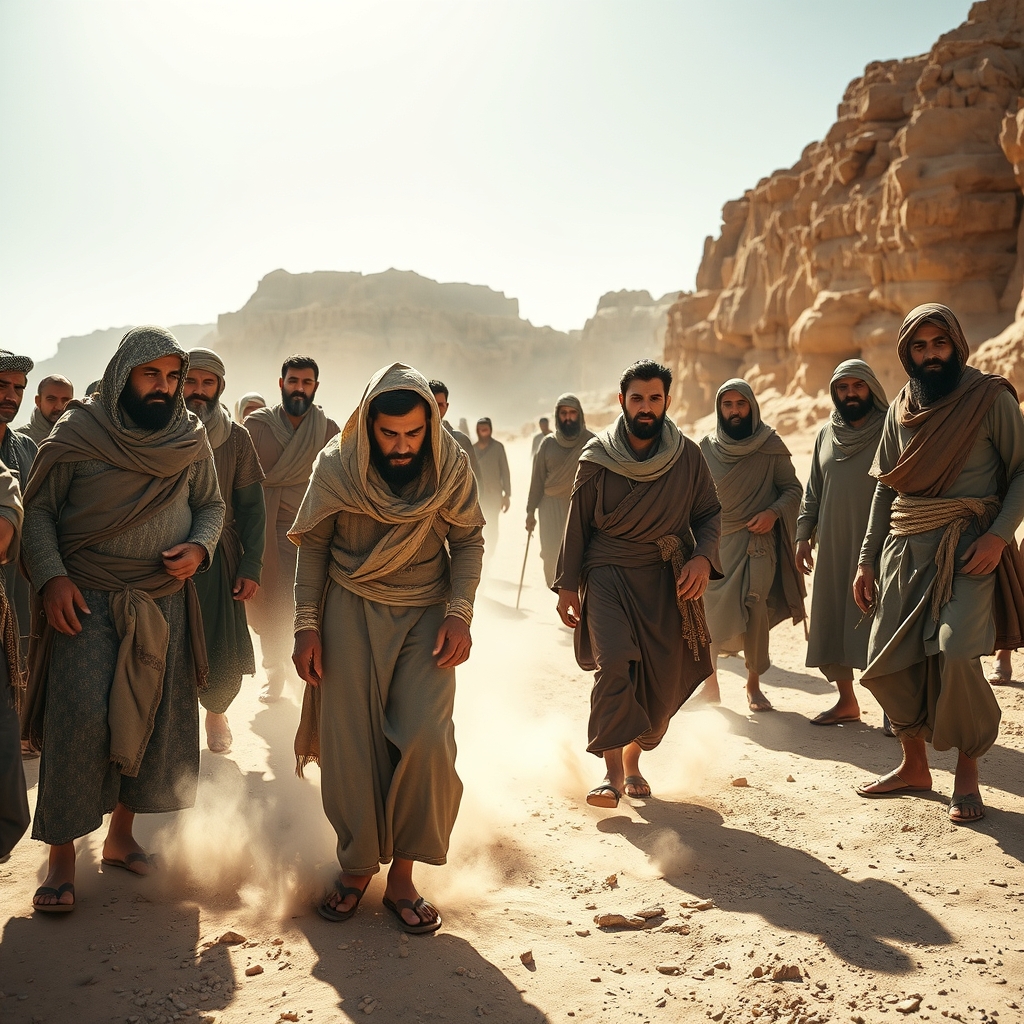
Thrown into the Pit
The story of Joseph in the Bible takes a dark and painful turn when jealousy overtakes his brothers’ hearts. Joseph was just a teenager when his father Jacob sent him to check on his brothers. They were shepherding the flocks in Shechem. When they saw Joseph approaching, their resentment boiled over. The Bible tells us in Genesis 37:18, “They saw him afar off, and before he came near to them, they conspired against him to kill him.”
However, not all the brothers agreed to murder. Reuben, the eldest, intervened. He convinced the others to throw Joseph into a dry cistern instead. Reuben secretly planned to rescue Joseph later. As a result, they stripped Joseph of his famous coat of many colors. Then they threw him into the empty pit. Imagine the terror Joseph must have felt. His own brothers turned against him without mercy.
While Joseph cried out from the pit, his brothers sat down to eat. They showed no compassion whatsoever. This moment reveals the depth of human sinfulness. Yet even here, God was at work behind the scenes. The Bible reminds us that God’s plans cannot be stopped by human cruelty. Joseph’s suffering was not the end of his story. In fact, it was the beginning of something far greater.
- Joseph’s brothers plotted to kill him out of jealousy and hatred.
- Reuben convinced them to throw Joseph into a pit instead.
- Joseph was stripped of his special coat before being cast into the cistern.
- His brothers showed no mercy, even as he cried out for help.
Sold to the Ishmaelites
As Joseph’s brothers ate their meal, a caravan of Ishmaelite traders appeared on the horizon. They were traveling from Gilead to Egypt, carrying spices, balm, and myrrh. Judah then proposed a new plan. He said, “What profit is it if we kill our brother? Let us sell him to the Ishmaelites” (Genesis 37:26-27). This way, they would gain money without directly shedding Joseph’s blood.
So the brothers pulled Joseph out of the pit. They sold him for twenty pieces of silver. This price was the standard cost of a slave in that era. [2] The Ishmaelite merchants then took Joseph as their property. Meanwhile, the brothers dipped Joseph’s coat in goat’s blood. They deceived their father Jacob into believing a wild animal had killed his beloved son. Jacob was devastated beyond words. He mourned for many days, refusing all comfort.
Furthermore, Reuben returned to the pit and discovered Joseph was gone. He tore his clothes in anguish. The brothers’ deception was complete. Yet God saw every detail of this injustice. Nothing escapes the Lord’s attention. The sale of Joseph was an act of profound betrayal. Still, God would use even this evil for His glorious purposes. Romans 8:28 assures us, “And we know that all things work together for good to those who love God, to those who are the called according to His purpose.”
This moment in the story of Joseph foreshadows another betrayal centuries later. Judas Iscariot would betray Jesus Christ for thirty pieces of silver. Just as Joseph was sold into slavery, Jesus was handed over to be crucified. Yet both betrayals were part of God’s redemptive plan. God transforms the darkest acts of sin into instruments of salvation.
Arrival in Egypt
After the long and grueling journey, Joseph arrived in Egypt. The Ishmaelite traders sold him to Potiphar, an officer of Pharaoh. Potiphar was the captain of the guard, a man of great authority. Joseph went from being a favored son to being a foreign slave. The circumstances looked utterly hopeless. Nevertheless, the Bible makes a powerful statement in Genesis 39:2, “And the Lord was with Joseph.”
Even in slavery, God’s presence did not leave Joseph. This is a profound truth for every believer. No matter how deep the pit or how far from home, God remains with His children. Joseph’s arrival in Egypt was not a defeat. It was actually a divine appointment. God was positioning Joseph exactly where he needed to be.
Consider the journey Joseph endured:
- He was betrayed by his own brothers, the people who should have loved him most.
- He was sold as a commodity, treated as property rather than a person.
- He was taken to a foreign land, far from everything familiar.
- He arrived in Egypt with nothing, stripped of his identity and freedom.
Despite all of this, God’s hand was upon Joseph’s life. The story of Joseph in the Bible teaches us that our circumstances do not define our future. God does. Joseph could have become bitter and resentful. Instead, he chose to trust the Lord. This faithfulness in suffering would eventually lead to incredible blessing.
As believers, we can draw great encouragement from this part of Joseph’s story. When life feels unfair, God is still in control. When people betray us, God remains faithful. Joseph’s journey from the pit to Egypt reminds us that God often leads us through valleys before bringing us to mountaintops. His ways are higher than our ways, and His timing is always perfect.
Joseph in Potipar’s House and Prison
Faithfulness in Temptation
After being sold into slavery, Joseph arrived in Egypt and was purchased by Potiphar, an officer of Pharaoh and captain of the guard (Genesis 37:36). Despite his circumstances, Joseph did not become bitter or resentful. Instead, he served with excellence and integrity.
The Bible tells us that “the Lord was with Joseph” (Genesis 39:2). This is one of the most important themes in the entire story of Joseph. God’s presence was not dependent on Joseph’s location or status. Whether in his father’s house, a slave’s quarters, or a prison cell, the Lord remained faithful to His servant.
Potiphar quickly recognized that Joseph was no ordinary slave. He saw that God blessed everything Joseph touched. As a result, Potiphar placed Joseph in charge of his entire household. Joseph went from being a slave to being the chief overseer of one of the most powerful homes in Egypt.
However, Joseph’s faithfulness would soon face its greatest test. Potiphar’s wife repeatedly tried to seduce Joseph. She urged him day after day to lie with her. Joseph refused every time. His response reveals the depth of his character and his devotion to God:
“How then can I do this great wickedness, and sin against God?” (Genesis 39:9)
Notice that Joseph did not say he was afraid of Potiphar. He did not say he might get caught. He said he would not sin against God. Joseph understood that temptation is ultimately a spiritual battle. No matter who is involved, sin is always an offense against our holy God.
Joseph’s example teaches us several powerful lessons about resisting temptation:
- He set clear boundaries. Joseph did not entertain the temptation. He refused to even be alone with Potiphar’s wife (Genesis 39:10).
- He honored God above all else. Joseph’s loyalty to God was greater than any desire for pleasure or comfort.
- He fled when necessary. When Potiphar’s wife grabbed his garment, Joseph ran out of the house (Genesis 39:12). Sometimes the most faithful thing we can do is simply walk away.
Joseph’s story reminds us that faithfulness is not tested in times of ease. It is tested in moments of temptation. And in those moments, our response reveals what we truly believe about God.
Falsely Accused and Imprisoned
Joseph’s faithfulness to God did not lead to an easy life. In fact, it led to suffering. When Potiphar’s wife was rejected, she became furious. She falsely accused Joseph of trying to assault her. She used Joseph’s abandoned garment as supposed evidence of his guilt.
When Potiphar heard his wife’s accusation, his anger burned. Joseph was thrown into prison. Think about the injustice of this moment. Joseph had done everything right. He had honored God. He had served faithfully. And yet he was punished as if he were a criminal.
This is one of the most difficult truths in the story of Joseph. Doing the right thing does not always lead to immediate reward. Sometimes faithfulness leads to suffering. Sometimes obedience leads to hardship. But that does not mean God has abandoned us.
The Bible makes a remarkable statement about Joseph’s time in prison:
“But the Lord was with Joseph and showed him steadfast love and gave him favor in the sight of the keeper of the prison.” (Genesis 39:21)
Even in prison, God was with Joseph. Even in the darkest place, the Lord’s steadfast love did not waver. The prison warden saw something special in Joseph, just as Potiphar had. Soon, Joseph was placed in charge of all the prisoners.
This pattern is remarkable. Joseph was a slave, and he was faithful. He was promoted. Then he was falsely accused and imprisoned. And once again, he was faithful. And once again, God blessed him. Joseph did not wait for his circumstances to improve before serving God. He served God in every circumstance.
For believers today, this is an encouraging truth. Your current situation does not define your future. God can work in prisons just as powerfully as He works in palaces. As the Apostle Paul later wrote, “And we know that for those who love God all things work together for good, for those who are called according to his purpose” (Romans 8:28).
Interpreting Dreams in Prison
While in prison, Joseph encountered two of Pharaoh’s officials. They were the chief cupbearer and the chief baker. Both men had offended Pharaoh and were awaiting their fate. One night, each man had a troubling dream.
When Joseph saw them the next morning, he noticed their distressed faces. He asked why they looked so sad. They explained that they had dreamed dreams, but no one could interpret them. Joseph’s response is a powerful declaration of faith:
“Do not interpretations belong to God? Tell them to me, please.” (Genesis 40:8)
Joseph did not claim to have special powers. He gave all the glory to God. He understood that the ability to interpret dreams was a gift from the Lord, not a talent of his own.
The chief cupbearer told Joseph his dream about a vine with three branches that budded and produced grapes. Joseph squeezed the grapes into Pharaoh’s cup. Joseph interpreted the dream. He said the three branches represented three days. In three days, Pharaoh would restore the cupbearer to his position.
Joseph then made a humble request. He asked the cupbearer to remember him when he was restored. Joseph explained that he had been stolen from his homeland and falsely imprisoned. He had done nothing to deserve this punishment.
The chief baker, encouraged by the good interpretation, shared his own dream. He dreamed of three baskets of bread on his head, with birds eating from the top basket. Joseph’s interpretation was sobering. In three days, Pharaoh would execute the baker, and birds would eat his flesh.
Everything happened exactly as Joseph had said. The cupbearer was restored. The baker was executed. But the cupbearer forgot about Joseph. He did not mention him to Pharaoh. Joseph remained in prison for two more years.
This is a painful detail in the story. Joseph had helped the cupbearer. He had given him hope. And the cupbearer forgot him. But God had not forgotten Joseph. God’s timing is not our timing. What feels like delay is often divine preparation.
These two years of waiting were not wasted. God was positioning Joseph for something far greater than he could imagine. Soon, Pharaoh himself would have dreams that no one in Egypt could interpret. And the cupbearer would finally remember the faithful young man in prison who could reveal what God was saying.
The story of Joseph in Potiphar’s house and in prison teaches us that God is always at work, even when we cannot see it. Joseph’s faithfulness in temptation, his endurance through false accusation, and his willingness to serve even in prison all prepared him for the incredible purpose God had planned. Just as Joseph’s suffering was part of God’s greater plan, so too was the suffering of Jesus Christ. Jesus was rejected, falsely accused, and crucified. But through His suffering, God accomplished the greatest rescue the world has ever known. As Peter wrote, “For Christ also suffered once for sins, the righteous for the unrighteous, that he might bring you to God” (1 Peter 3:18).
Joseph Rises to Power in Egypt

Interpreting Pharaoh’s Dreams
After two long years in prison, Joseph’s moment finally arrived. Pharaoh, the ruler of Egypt, had two deeply troubling dreams. In the first, seven thin cows devoured seven fat cows. In the second, seven withered ears of grain swallowed seven healthy ears. None of Pharaoh’s advisors could explain what these dreams meant.
Then the chief cupbearer remembered Joseph. He told Pharaoh about the young Hebrew who had correctly interpreted his dream in prison. Pharaoh immediately sent for Joseph. Though Joseph had been forgotten by men, God had not forgotten him.
When brought before Pharaoh, Joseph gave all the glory to God. He said, “I cannot do it, but God will give Pharaoh the answer he desires” (Genesis 41:16). This is a powerful reminder that every gift and ability we have comes from the Lord.
Joseph explained that both dreams carried the same message from God. There would be seven years of great abundance in Egypt. However, those would be followed by seven years of severe famine. The famine would be so devastating that the abundance would be forgotten.
Joseph did not stop at interpretation. He also offered wise counsel. He recommended that Pharaoh appoint a discerning man to oversee the collection of one-fifth of all produce during the seven plentiful years. This grain would be stored and used to sustain the people during the years of famine.
From Prison to Palace
Pharaoh and his officials recognized the wisdom in Joseph’s words. In fact, Pharaoh saw something remarkable in Joseph himself. Genesis 41:38 records Pharaoh saying, “Can we find anyone like this man, one in whom is the spirit of God?”
In a single day, Joseph’s life was completely transformed. He went from a prisoner in a dungeon to the second most powerful man in Egypt. Pharaoh placed his signet ring on Joseph’s finger. He dressed Joseph in fine linen and put a gold chain around his neck. Joseph was given authority over all of Egypt.
Pharaoh gave Joseph the Egyptian name Zaphenath-Paneah. He also gave him Asenath, the daughter of Potiphera priest of On, as his wife. Joseph was thirty years old when he stood before Pharaoh. Thirteen years had passed since his brothers sold him into slavery.
Consider the faithfulness of God throughout this journey. Joseph had been betrayed by his brothers. He had been falsely accused by Potiphar’s wife. He had been forgotten by the cupbearer. Yet through every trial, God was working. Romans 8:28 assures us, “And we know that in all things God works for the good of those who love him, who have been called according to his purpose.”
Joseph’s rise to power was not about personal ambition. It was about God’s sovereign plan to preserve life. God had placed Joseph in Egypt for a divine purpose. He would save not only Egypt but also his own family from starvation. This would ultimately preserve the lineage through which Jesus Christ, our Savior, would come.
Preparing for the Famine
Joseph immediately began the enormous task of preparing Egypt for the coming famine. During the seven years of abundance, he traveled throughout the country overseeing the collection and storage of grain. The Bible tells us that the grain was stored in great quantities, “like the sand of the sea” (Genesis 41:49).
Joseph’s administrative wisdom was extraordinary. He established storehouses in every city. He gathered so much grain that he eventually stopped keeping records because the amount was beyond measure. God had given Joseph not only the vision of what was coming but also the practical wisdom to prepare for it.
During these seven years, Joseph and Asenath had two sons. Joseph named the first Manasseh, saying, “It is because God has made me forget all my trouble and all my father’s household” (Genesis 41:51). He named the second Ephraim, saying, “It is because God has made me fruitful in the land of my suffering” (Genesis 41:52). These names reveal Joseph’s heart. He acknowledged both his pain and God’s faithfulness through it.
When the seven years of abundance ended, the famine began exactly as God had revealed. The people cried out to Pharaoh for food. Pharaoh directed them to Joseph. So Joseph opened the storehouses and sold grain to the Egyptians. People from all over the world came to Egypt to buy grain because the famine was severe everywhere.
This is where the story of Joseph takes its most dramatic turn. The famine would bring Joseph’s brothers to Egypt, setting the stage for one of the most beautiful stories of forgiveness and reconciliation in all of Scripture. But even more importantly, it reveals how God uses faithful servants to accomplish His redemptive purposes.
Joseph’s story powerfully points us to Jesus Christ. Like Joseph, Jesus was rejected by His own people. Like Joseph, He was exalted after suffering. And like Joseph, who provided bread to the hungry, Jesus declared Himself to be “the bread of life” (John 6:35). Just as God raised Joseph to save many lives, God raised Jesus from the dead to save all who believe in Him.
The story of Joseph reminds us that no matter what we face, God is in control. He can take the darkest circumstances and use them for His glory and our good. If you are walking through a difficult season today, take heart. The same God who raised Joseph from prison to palace is working in your life right now. Trust His timing. Trust His plan. And above all, trust His Son, Jesus Christ, who is the same yesterday, today, and forever (Hebrews 13:8).
Joseph’s Brothers Come to Egypt
The First Journey for Grain
The famine that Joseph had predicted finally arrived. It was severe and widespread, affecting not just Egypt but the entire region, including Canaan where Jacob and his family still lived. When Jacob heard that there was grain in Egypt, he sent his older sons to buy food so the family could survive. [3]
However, one brother was left behind. Joseph’s full brother, Benjamin, the youngest son, remained with their father. Jacob simply could not risk losing another son from his beloved wife Rachel after already believing Joseph was dead. Therefore, ten of Joseph’s brothers made the long journey to Egypt.
When they arrived, they came before the governor of Egypt to request grain. They had no idea that the powerful ruler standing before them was their own brother, whom they had sold into slavery many years earlier. Joseph recognized them immediately, but they did not recognize him. He spoke to them through an interpreter, and his appearance and manner were thoroughly Egyptian.
The brothers bowed down before Joseph, unknowingly fulfilling the very dreams that had caused them such anger and jealousy when they were younger. Despite their disbelief in his childhood visions, God had orchestrated even their betrayal to bring about His sovereign plan.
Joseph Tests His Brothers
Joseph chose not to reveal his identity right away. Instead, he tested their hearts. Why? He needed to know if they had changed since the day they sold him into slavery. Had time and hardship softened them, or were they still the jealous, cruel men they had once been?
Joseph accused them of being spies. He demanded that they bring their youngest brother, Benjamin, back to Egypt to prove their honesty. Furthermore, he threw them into prison for three days to let the gravity of their situation sink in. On the third day, Joseph agreed to keep one of them, Simeon, as a hostage while the others returned home to fetch Benjamin. [4]
This test stirred up deep guilt in the brothers’ hearts. As they traveled home, they confessed one to another, “We are really guilty concerning our brother, for we saw the anguish of his soul when he pleaded with us, and we would not hear; therefore this distress has come upon us.” After all those years, the memory of Joseph’s tears still haunted them.
When they arrived home and told Jacob the news, the old patriarch was devastated. His son Simeon was now a prisoner in Egypt. The governor demanded to see Benjamin, the son of Jacob’s old age. Jacob refused. He had already lost Joseph and Simeon. He could not bear the thought of losing Benjamin, too. It was only when their food ran out completely that Jacob reluctantly allowed Benjamin to go.
The brothers returned to Egypt with Benjamin, bringing gifts and double the money from their first trip. When they stood before Joseph again, the emotional weight of the moment was immense. Joseph, upon seeing Benjamin, had to rush to a private room to weep. His heart ached for his family, yet he continued to follow God’s leading to refine his brothers’ character.
The test continued. Joseph ordered a great feast for the brothers. He seated them by their birth order, which amazed them. He gave Benjamin five times as much food as the others. This obvious favoritism mirrored the way Jacob had treated Joseph. It was a deliberate test to see if the brothers would allow jealousy to consume them again as it had in their youth. This time, they accepted Benjamin’s portion without complaint. They were learning the hard lessons of humility and love. [5]
Finally, Joseph planted his silver cup in Benjamin’s sack and sent his steward to search the brothers’ bags. When the cup was found in Benjamin’s possession, the brothers tore their clothes in grief. They all returned with Benjamin to the palace, showing that they would not abandon this young boy as they had once abandoned Joseph. Judah, in particular, offered himself as a slave in Benjamin’s place to spare his father another devastating loss. This act of self-sacrifice showed that true repentance had taken root in their hearts.
The Revelation of Joseph’s Identity
Joseph could no longer control himself. The sight of Judah’s pleading and the brothers’ loyalty to Benjamin overwhelmed him. He dismissed all the Egyptians so that only his brothers remained. Then he wept so loudly that the Egyptians outside could hear him. [6]
His words echoed through the room: “I am Joseph! Is my father still alive?” The shock was utter and paralyzing. Terror gripped the brothers. They were dismayed at his presence. The man they had betrayed was now the second most powerful man in the world. He could destroy them in an instant.
But Joseph did not seek revenge. Instead, he offered profound grace and comfort. He told them not to be distressed or angry with themselves. He recognized the sovereign hand of God over every painful event. Joseph assured them that God had sent him ahead of them to save lives and to preserve a remnant on the earth.
Use the exact phrase below, ensuring correct spelling and capitalization.
Joseph’s declaration remains one of the most powerful affirmations of God’s sovereignty in the entire Bible. He told his brothers, “But as for you, ye thought evil against me; but God meant it unto good, to bring to pass, as it is this day, to save much people alive.” This statement shifts our perspective on suffering. Though humans may intend harm, God is always working behind the scenes to accomplish His redemptive purposes.
Furthermore, Joseph invited the entire house of Jacob to come and live in Egypt. He promised to provide for them during the remaining years of the famine. It was a breathtaking offer of reconciliation. The family that had been fractured by jealousy and deceit was about to be miraculously restored through God’s unfailing faithfulness.
This powerful account of Joseph and his brothers is a beautiful foreshadowing of the Gospel of Jesus Christ. Just as Joseph was rejected by his own brothers and then raised to a position of great authority, so Jesus was rejected by His own people and then exalted to the right hand of God. [7] Just as Joseph saved his family from physical famine, Jesus Christ saves all who come to Him from the spiritual famine of separation from God.
The story of Joseph reminds us that God is always in control. No matter what trials you face, no matter how deep the betrayal, God can turn your mourning into dancing. He can bring life out of death and hope out of despair. Trust in the Lord Jesus Christ, for He holds all things together and works all things for the good of those who love Him.
The Family Reunited: Jacob Moves to Egypt
After years of separation and sorrow, the story of Joseph reaches its most emotional and beautiful moment. Jacob’s entire family is finally reunited in Egypt. This is not just a family reunion. It is the fulfillment of God’s sovereign plan to preserve His chosen people.
Jacob Receives the News That Joseph Is Alive
When Joseph’s brothers returned home, they told Jacob the astonishing news. Joseph was alive. Not only alive, but ruling over all of Egypt. Jacob’s heart “went numb, for he did not believe them” (Genesis 45:26). However, once he saw the wagons Pharaoh had sent, “the spirit of their father Jacob revived” (Genesis 45:27).
Jacob responded with faith and urgency. He said, “It is enough; Joseph my son is still alive. I will go and see him before I die” (Genesis 45:28). This moment is deeply moving. A father who mourned for decades suddenly discovers his son lives.
God Speaks to Jacob in His Fear
Jacob’s journey to Egypt was not without hesitation. After all, God had previously told Abraham that his descendants would be “strangers in a land that is not theirs” (Genesis 15:13). Therefore, Jacob stopped at Beersheba to seek the Lord’s guidance.
God spoke to Jacob in a vision at night. His words were powerful and reassuring:
“Do not be afraid to go down to Egypt, for there I will make you into a great nation. I myself will go down with you to Egypt, and I will also surely bring you up again” (Genesis 46:3-4).
What a promise! God did not merely permit the journey. He promised to go with them. Furthermore, He ensured the family’s descendants would return to the Promised Land. This promise gave Jacob complete peace to relocate.
The Journey to Egypt and the Family List
The Bible carefully records that Jacob’s entire household traveled to Egypt. Genesis chapter 46 lists seventy members of Jacob’s family who made the journey. This number includes:
- His sons and their families
- His daughter Dinah
- Grandsons and extended relatives
- All of Jacob’s descendants by blood
The journey itself was significant. They moved from Canaan to the land of Goshen, a fertile region in northeastern Egypt. Pharaoh himself granted them the best land because of Joseph’s faithfulness [8].
Jacob and Joseph’s Tender Reunion
The moment of reunion is one of Scripture’s most touching scenes. When Joseph learned Jacob was approaching, “he presented himself to him, and fell on his neck, and wept on his neck a good while” (Genesis 46:29). Imagine that embrace! Years of tears, grief, and loss poured out in a single moment.
Jacob then spoke words that reveal his heart perfectly. He said, “Now let me die, since I have seen your face and know that you are still alive” (Genesis 46:30). For Jacob, this reunion was the culmination of every hope he had silently carried.
This scene reminds us of our Heavenly Father. God also rejoices when His lost children return home. Just as Joseph wept with joy, Jesus welcomes every sinner with open arms. “For the Son of Man came to seek and to save the lost” (Luke 19:10).
Jacob Blesses Pharaoh and Lives in Goshen
Before settling in Egypt, Joseph wisely prepared his family to meet Pharaoh. He instructed them to identify as shepherds, since Egyptians despised shepherding. As a result, Pharaoh graciously allowed them to dwell in Goshen without conflict.
When Jacob appeared before Pharaoh, he blessed the king. Interestingly, the patriarch blessed the most powerful ruler on earth. This shows that Jacob carried spiritual authority. Furthermore, Jacob described his life as “few and evil,” having spanned 130 years of hardship (Genesis 47:9). Yet God’s blessing rested on him until the very end.
Jacob lived in Egypt for seventeen final years. During this time, he:
- Enjoyed closeness with Joseph daily
- Watched his other sons and their families flourish
- Worshiped God and passed on his faith to the next generation
- Received provision directly through Joseph’s care
The Bigger Picture: God’s Plan Preserved
This family reunion was never just about emotional restoration. God’s purposes ran much deeper. By moving Jacob’s family to Egypt, God ensured:
- Survival: The famine threatened to destroy God’s chosen people, but Joseph’s position saved them all.
- Growth: In Egypt, Israel grew from a family of seventy to a nation of millions.
- Protection: Goshen provided separation from Egyptian culture while offering rich land.
- Preparation: Egypt was a womb that birthed a nation ready for the Promised Land.
As Paul reminds us, all things work “together for good to those who love God, to those who are called according to His purpose” (Romans 8:28). The story of Joseph in the Bible is living proof of this truth.
Jacob’s Final Days and Last Words
Jacob’s time in Egypt ended with powerful moments of faith. He adopted Joseph’s sons Ephraim and Manasseh as his own. He blessed each of his twelve sons with prophetic words. Most importantly, he worshiped God on his bed, leaning on his staff (Genesis 47:31).
Jacob’s faith never wavered. Even in a foreign land, he trusted God’s promise. Hebrews 11:21 records, “By faith Jacob, when dying, blessed each of the sons of Joseph, bowing in worship over the head of his staff.”
This is the legacy the story of Joseph leaves us. No matter where life takes us, God remains faithful. He is the God who reunites, restores, and redeems every broken story for His glory.
What is the main story of Joseph in the Bible?
The story of Joseph in the Bible is one of faith, betrayal, suffering, and ultimate redemption through the sovereign hand of God. Found in Genesis chapters 37–50, Joseph’s journey reveals how the Lord works behind every circumstance to fulfill His divine purposes.
Joseph was the eleventh son of Jacob and the firstborn of Rachel, the wife Jacob loved most tenderly. Because of this, Joseph held a special place in his father’s heart. Jacob even gave him a richly ornamented robe, often called the coat of many colors, which stirred deep jealousy among his brothers. [9]
Dreams That Sparked Jealousy
The tension in Jacob’s household grew further when Joseph shared dreams God had given him. In these dreams, Joseph’s brothers’ sheaves of grain bowed down to Joseph’s sheaf. In another dream, the sun, moon, and eleven stars bowed before him. His brothers despised him for these visions, interpreting them as arrogant claims of future dominance. Their hearts burned with resentment, yet even then, God was orchestrating something far greater than anyone could see.
From the Pit to the Palace
Joseph’s brothers initially plotted to kill him. However, at Reuben’s urging, they instead threw Joseph into an empty cistern. Later, Judah suggested selling Joseph to a caravan of Ishmaelite traders heading to Egypt. Jacob’s favored son became a slave, and his father was deceived, told that Joseph had been killed by a wild animal.
- Joseph was sold as a slave to Potipar, an Egyptian official.
- Falsely accused of wrongdoing, Joseph was thrown into prison.
- God granted Joseph favor and the ability to interpret dreams.
- Eventually, Joseph stood before Pharaoh and interpreted dreams of severe famine.
- Pharaoh elevated Joseph to second-in-command over all Egypt.
When Brothers Became Beggars
When a devastating famine struck the land, Joseph’s brothers traveled to Egypt to buy grain — unaware that the powerful ruler before them was the brother they had betrayed. Joseph tested them to see if they had changed. Through tears and overwhelming emotion, Joseph finally revealed his identity. He did not respond with vengeance but with grace, telling his brothers, “You meant evil against me, but God meant it for good, to bring it about that many people should be kept alive” (Genesis 50:20).
God’s Hand on Every Chapter
In summary, the story of Joseph in the Bible is this: A young man chosen by God endured betrayal, slavery, false accusation, and imprisonment, yet remained faithful to the Lord. Through it all, God was steadfastly working to preserve Abraham’s line, provide refuge during famine, and ultimately point forward to the coming Savior — Jesus Christ. Joseph’s life teaches us that no suffering is wasted in God’s economy, and no betrayal can thwart the plans of the Almighty Father.
Why was Joseph so special to God?
When we read the story of Joseph in the Bible, one question naturally arises: why was Joseph so special to God? The answer is not found in anything Joseph did to earn God’s favor. Rather, it is found in God’s sovereign choice and Joseph’s faithful heart. From the very beginning, God had a unique plan for Joseph’s life. Joseph was set apart not because he was perfect, but because God saw a heart that would remain faithful even in the darkest seasons.
God Chose Joseph Before He Was Born
Joseph’s story begins long before his famous coat of many colors. God had already woven Joseph into the fabric of His redemptive plan. In Genesis 37, we see that Joseph was born into a deeply flawed family. Yet God looked past the dysfunction. He saw a young man who would carry His purposes forward. This reminds us that God’s calling on our lives is not based on our circumstances. It is based on His sovereign will. As Paul writes in Romans 9:11, God’s purpose in election stands — it depends not on human will or exertion, but on God who shows mercy.
Joseph was special because God entrusted him with a mission that would ultimately save many lives. Genesis 50:20 records Joseph’s own words: “You intended to harm me, but God intended it for good, to accomplish what is now being done, the saving of many lives.” This verse is one of the most powerful declarations of God’s sovereignty in all of Scripture.
Joseph Remained Faithful in Every Season
What truly set Joseph apart was not his gifts or his dreams. It was his unwavering faithfulness to God no matter what he faced. Consider the trials Joseph endured:
- Betrayed by his own brothers — Joseph was thrown into a pit and sold into slavery because of jealousy (Genesis 37:23-28).
- Falsely accused by Potiphar’s wife — Despite being tempted and slandered, Joseph refused to sin against God (Genesis 39:9).
- Forgotten in prison — Even after helping the cupbearer, Joseph remained in prison for two more years (Genesis 40:23; 41:1).
- Elevated to power — When finally raised to second-in-command of Egypt, Joseph gave all glory to God (Genesis 41:16).
In every single trial, Joseph’s response was the same: he trusted God. He did not become bitter. He did not turn away from the Lord. He remained faithful in the small things, and God entrusted him with greater responsibility. Jesus Himself taught this principle in Luke 16:10: “Whoever can be trusted with very little can also be trusted with much.”
Joseph’s Heart Reflected God’s Heart
Joseph was special to God because his heart reflected the heart of God. When his brothers came to Egypt seeking food, Joseph had every reason to seek revenge. Instead, he wept openly and forgave them. He provided for them. He brought his entire family to safety in Egypt. This act of forgiveness and provision foreshadowed the very heart of the Gospel. Just as Joseph saved his family from physical famine, Jesus Christ saves all who believe in Him from spiritual death.
Joseph recognized that God, not himself, was the author of his story. He told his brothers, “God sent me ahead of you to preserve for you a remnant on earth and to save your lives by a great deliverance” (Genesis 45:7). Joseph understood that his life was not about personal success. It was about fulfilling God’s redemptive plan.
Joseph Points Us to Jesus
Ultimately, Joseph was special to God because his life was a shadow of the greater story of Jesus Christ. Joseph was beloved by his father, rejected by his brothers, suffered unjustly, and was eventually exalted to a position of authority where he became the savior of many. This pattern mirrors the life of our Lord Jesus Christ. Jesus was beloved by the Father, rejected by His own people, suffered on the cross, and was raised to the highest place of authority (Philippians 2:9-11).
The story of Joseph in the Bible is not just an inspiring tale of perseverance. It is a testimony to God’s faithfulness and a prophetic picture of the salvation that would come through Jesus. Joseph’s life reminds us that no matter what we face, God is working all things together for good for those who love Him and are called according to His purpose (Romans 8:28).
If you are going through a season of suffering or uncertainty, take heart. The same God who guided Joseph through every trial is guiding your story as well. Trust in Jesus Christ, remain faithful, and watch what God will do.
What is the moral lesson of the story of Joseph?
God’s Sovereignty Over All Circumstances
At the heart of the story of Joseph in the Bible is a profound and unshakable truth: God is sovereign over every detail of life. Joseph’s life was marked by devastating setbacks. He was betrayed by his brothers. He was sold into slavery. He was falsely accused and thrown into prison. Yet, God remained in control of every single moment. Joseph himself declared this truth to his brothers years later when he said, “You intended to harm me, but God intended it for good, to accomplish what is now being done, the saving of many lives” (Genesis 50:20). This is one of the most powerful verses in all of Scripture because it reveals that human evil cannot derail God’s redemptive plan.
As believers, we must understand that God’s sovereignty does not remove our suffering. However, it guarantees that our suffering is never wasted. Every trial Joseph endured was divinely orchestrated to position him for a purpose far greater than he could have imagined. God used betrayal to get Joseph to Egypt. God used injustice to prepare Joseph for leadership. In the same way, the story of Joseph reminds us that the Lord is always working behind the scenes, even when we cannot see His hand at work. When circumstances seem chaotic, we can trust that God is weaving every thread together for His glory and our good (Romans 8:28).
Furthermore, this truth challenges us to surrender our need for control. Joseph never saw the full picture while he was in the pit or the prison. He simply trusted that God was faithful. As Christians, we are called to walk by faith, not by sight (2 Corinthians 5:7). The story of Joseph teaches us that surrender is not weakness. It is the strongest stance of faith a believer can take because it rests on the character of God rather than the condition of our circumstances.
Forgiveness Heals Deep Wounds
One of the most powerful moral lessons from the story of Joseph is the healing power of forgiveness. Joseph had every reason to harbor bitterness. For over twenty years, he carried the pain of his brothers’ betrayal. Yet, when he finally revealed his identity, he did not seek revenge. Instead, he wept openly and offered them grace. This supernatural response could only have come from a heart transformed by the Holy Spirit.
Forgiveness is not excusing the wrong that was done. Rather, it is choosing to release the offender from the debt they owe us. Joseph’s tears show that forgiveness does not erase the memory of pain. However, it breaks the chains of bitterness that bind our own hearts. Jesus Christ Himself commanded us to forgive as we have been forgiven: “Bear with each other and forgive one another if any of you has a grievance against someone. Forgive as the Lord forgave you” (Colossians 3:13). The wounds Joseph’s brothers inflicted were deep, but the grace of God flowing through Joseph healed what human effort alone never could.
Consider the following truths about forgiveness demonstrated in Joseph’s story:
- Forgiveness is a process, not a single moment. Joseph wrestled with his emotions multiple times before he could speak peace to his brothers (Genesis 42:21-22).
- Forgiveness requires seeing others through the eyes of God’s sovereignty, recognizing that God can use even the worst offenses for His greater purpose.
- Forgiveness brings freedom to the one who forgives, releasing them from the prison of resentment just as surely as Joseph was released from his physical chains.
- Forgiveness reflects the very heart of Jesus Christ, who from the cross prayed, “Father, forgive them, for they do not know what they are doing” (Luke 23:34).
Faithfulness in Small Things Leads to Greater Purpose
Before Joseph ever stood before Pharaoh, he was faithful in the smallest and most obscure places. While in Potipar’s house, he managed an entire household with excellence. While in prison, he served the needs of fellow inmates and remained attentive to the dreams of others. He did not wait for a grand stage to prove his character. He proved himself in the pit, in the prison, and in the shadows. And because he was faithful with a little, God entrusted him with much.
This principle is foundational to the kingdom of God. Jesus taught, “Whoever can be trusted with very little can also be trusted with much” (Luke 16:10). Joseph’s life is a living illustration of this truth. No task was beneath him, and no season of obscurity deterred his devotion to God. In addition, Joseph’s willingness to serve even in dark places positioned him for the divine appointment with Pharaoh that would ultimately save nations from famine. His story reveals that God is not only watching our work; He is refining our character through it.
For the Christian, this means that our daily acts of obedience matter. When we serve faithfully in the background, when we honor God in our workplaces and families, we are positioning ourselves for the purposes He has prepared for us. The story of Joseph teaches us that no act of faithfulness is ever unnoticed by Heaven.
The ultimate moral lesson of this story points beyond Joseph to the Lord Jesus Christ. Just as Joseph was rejected by his own and later exalted to save many, so too was Jesus despised and rejected by men, yet raised to the right hand of God to offer salvation to all who believe. It is through Jesus Christ alone that we find the forgiveness, purpose, and sovereignty of God fully displayed. He is the fulfillment of every hope woven throughout the story of Joseph in the Bible, and He is the anchor of our faith today.
How Does Joseph’s Story Point to Jesus Christ?
`html
Rejected by His Own
The story of Joseph in the Bible reveals a profound connection to the life of Jesus Christ. Both men experienced rejection from those closest to them. Joseph’s own brothers despised him because of his father’s favoritism and his dreams of God’s future purpose.
Similarly, Jesus Christ came to His own people, but they did not receive Him. John 1:11 tells us, “He came unto his own, and his own received him not.” Just as Joseph’s brothers plotted against him, so too did the religious leaders of Jesus’ time plot His crucifixion.
However, this rejection was not the end of the story for either Joseph or Jesus. In fact, God used their suffering for a greater purpose. Joseph’s trials prepared him to save nations from famine. Meanwhile, Jesus’ rejection and death made possible the salvation of all humanity. The cross, which seemed like defeat, became the ultimate victory over sin and death.
As believers, we can draw strength from these parallels. When we face rejection or hardship, we are walking in the footsteps of both Joseph and Jesus. God is always at work, even in our darkest moments, turning tragedy into triumph for His glory and our good.
Exalted After Suffering
One of the most striking parallels between the story of Joseph and the story of Jesus is the pattern of suffering followed by exaltation. Joseph spent years as a slave and a prisoner. Yet God raised him to become the second most powerful man in Egypt.
Likewise, Jesus Christ humbled Himself through death on the cross. Then God the Father exalted Him to the highest place. Philippians 2:9 declares, “Wherefore God also hath highly exalted him, and given him a name which is above every name.”
Furthermore, this pattern is not just a coincidence. It is the very heart of the gospel message. Jesus first suffered and died as the perfect sacrifice for our sins. Three days later, He rose from the dead. He is now seated at the right hand of God, interceding for all who believe in Him.
The story of Joseph reminds us that God honors faithfulness through trials. He sees our suffering. He will exalt us in His perfect timing. Our present struggles are preparing us for future glory. Romans 8:18 affirms this truth: “For I reckon that the sufferings of this present time are not worthy to be compared with the glory which shall be revealed in us.”
A Savior Who Provides Bread for the Hungry
Finally, Joseph served as a type of Christ by preserving life during a severe famine. Through God’s wisdom, Joseph stored grain during seven years of plenty. Then when hunger struck the entire region, he opened the storehouses and provided bread for the starving.
Jesus Christ made an even greater claim. In John 6:35, He declared, “I am the bread of life: he that cometh to me shall never hunger.” While Joseph provided physical bread that sustained bodies temporarily, Jesus offers eternal bread that nourishes souls forever.
In addition, the famine in Joseph’s day could not ultimately save anyone from death. People had to keep returning for more grain. But Jesus gives everlasting life to all who believe in Him. True salvation is found in Christ alone.
Here is a comparison of how Joseph and Jesus both provided for those in need:
| Joseph in Egypt | Jesus Christ |
|---|---|
| Saved nations from physical famine | Saves souls from spiritual death |
| Stored up grain for seven years | Offers eternal life freely to all |
| His brothers bowed before him unknowingly | Every knee will bow to Him in glory |
| Provided bread for a season | He is the living Bread forever |
The story of Joseph in the Bible beautifully foreshadows the coming of Jesus Christ. Joseph was rejected, humbled, and then raised up to save many lives. Jesus followed that same path. He was despised and crucified. Yet God raised Him from the dead. Now He offers eternal salvation to everyone who calls on His name.
If you have never placed your faith in Jesus Christ as your personal Lord and Savior, today is the day. Just as Joseph’s brothers came to him unaware that he was their brother, many people have not yet realized who Jesus truly is. He is the Son of God. He died for your sins. He rose again. And He is ready to give you the bread of eternal life today.
As Romans 10:13 promises, “For whosoever shall call upon the name of the Lord shall be saved.” There is no other name under heaven by which we must be saved. Jesus Christ is Lord, and His story is the story of God’s unfailing love for the world.
`
Frequently Asked Questions
We know you may have questions about Joseph’s incredible journey. Below are clear, Bible-based answers to the most common questions about this powerful story of faith, forgiveness, and God’s sovereign plan.
What is the story of Joseph in the Bible short summary?
The story of Joseph is one of the most dramatic and inspiring narratives in all of Scripture. Joseph was the beloved son of Jacob, who was favored with a special coat of many colors. His brothers hated him because of his dreams, which foretold that one day they would bow down to him. As a result, they sold him into slavery in Egypt. However, through years of suffering, false imprisonment, and hardship, God remained with Joseph. Eventually, God elevated him to the second-highest position in all of Egypt. Joseph interpreted Pharaoh’s dreams and saved the entire region from famine. In the end, he forgave his brothers and reunited his family. His story is a powerful testimony that God works all things together for good (Romans 8:28).
What is the moral lesson of the story of Joseph?
Joseph’s story teaches us several profound moral and spiritual lessons that remain relevant for believers today:
- God’s sovereignty over all circumstances. Even when evil seems to triumph, God is in control. Joseph told his brothers, “You meant evil against me, but God meant it for good” (Genesis 50:20).
- Forgiveness heals deep wounds. Joseph chose to forgive the brothers who betrayed him. This act of grace brought healing to an entire family.
- Faithfulness in small things leads to greater purpose. Joseph remained faithful to God in Potipar’s house, in prison, and in Pharaoh’s court. God honored that faithfulness every step of the way.
- Trust God’s timing. Joseph waited years before seeing God’s promises fulfilled. His patience reminds us that God’s timing is perfect.
Ultimately, Joseph’s life points us to Jesus Christ, who also suffered rejection, was exalted by God, and became the Savior of the world.
Where is the story of Joseph recorded in the Bible?
The story of Joseph is recorded in the Book of Genesis, chapters 37 through 50. It is one of the longest continuous narratives in the Old Testament. The account begins with Joseph as a young man of seventeen and follows his life all the way to his death at the age of one hundred and ten. You can read the full story in your Bible starting at Genesis 37:1 and continuing through Genesis 50:26.
Additionally, Joseph is mentioned in other parts of Scripture, including:
- Psalm 105:17–22, which recounts his suffering and God’s faithfulness.
- Acts 7:9–16, where Stephen references Joseph’s story in his sermon before the Sanhedrin.
- Hebrews 11:22, which highlights Joseph’s faith as he gave instructions about his bones before his death.
Why was Joseph so special to God?
Joseph was not special because of his coat or his father’s favoritism. He was special because of his unwavering faith in the one true God. Even in the darkest moments, Joseph trusted the Lord. Consider what Scripture tells us:
- Joseph refused to sin against God when tempted by Potiphar’s wife (Genesis 39:9).
- He gave God the credit for interpreting dreams, saying, “Do not interpretations belong to God?” (Genesis 40:8).
- He recognized God’s hand in every circumstance, even betrayal and imprisonment.
God chose Joseph because his heart was fully devoted to the Lord. As 1 Samuel 16:7 reminds us, “The Lord looks at the heart.” Joseph’s heart was faithful, and God used him to save many lives and to preserve the lineage through which Jesus Christ would one day come.
What is the main story of Joseph in the Bible?
The main story of Joseph follows a powerful arc of suffering, redemption, and restoration. Here is a brief overview of the key events:
- Joseph’s early life. He was Jacob’s favorite son, given a coat of many colors. God gave him prophetic dreams of future greatness.
- Betrayal by his brothers. Out of jealousy, they threw him into a pit and sold him to Ishmaelite traders, who took him to Egypt.
- Faithfulness in Egypt. Joseph served in Potiphar’s house but was falsely accused and imprisoned. Even there, God was with him.
- Interpreting dreams. Joseph interpreted the dreams of Pharaoh’s cupbearer and baker, and later Pharaoh’s own dreams of seven years of plenty followed by seven years of famine.
- Rise to power. Pharaoh made Joseph second in command over all of Egypt. Joseph prepared the nation for the coming famine.
- Reunion with his family. When his brothers came to Egypt for grain, Joseph tested them, revealed his identity, and forgave them. He brought his entire family to Egypt.
- God’s sovereign plan fulfilled. Joseph declared that what his brothers meant for evil, God meant for good, to save many lives (Genesis 50:20).
Joseph’s story is ultimately a story of God’s faithfulness. It reminds us that no matter what we face, God is working behind the scenes for His glory and our good. Most importantly, Joseph’s life foreshadowed the coming of Jesus Christ, who was also rejected by His own, suffered unjustly, and was exalted by God to become the Bread of Life for all who believe.
“For God so loved the world, that He gave His only begotten Son, that whoever believes in Him shall not perish, but have eternal life.” — John 3:16
`
Sources
- https://www.biblegateway.com
- https://www.bibleodyssey.org/passages/main-articles/joseph-in-egypt/
- https://www.biblegateway.com/passage/?search=Genesis%2042:1-2
- https://www.biblegateway.com/passage/?search=Genesis%2042:18-20
- https://www.biblegateway.com/passage/?search=Genesis%2043:16-34
- https://www.biblegateway.com/passage/?search=Genesis%2045:1-2
- https://www.biblegateway.com/passage/?search=Acts%202:32-33
- https://www.biblegateway.com/resources/commentaries/ESV/Genesis-46-47
- https://www.biblegateway.com/resources/commentaries/Indexed/Many-Colored-Coat