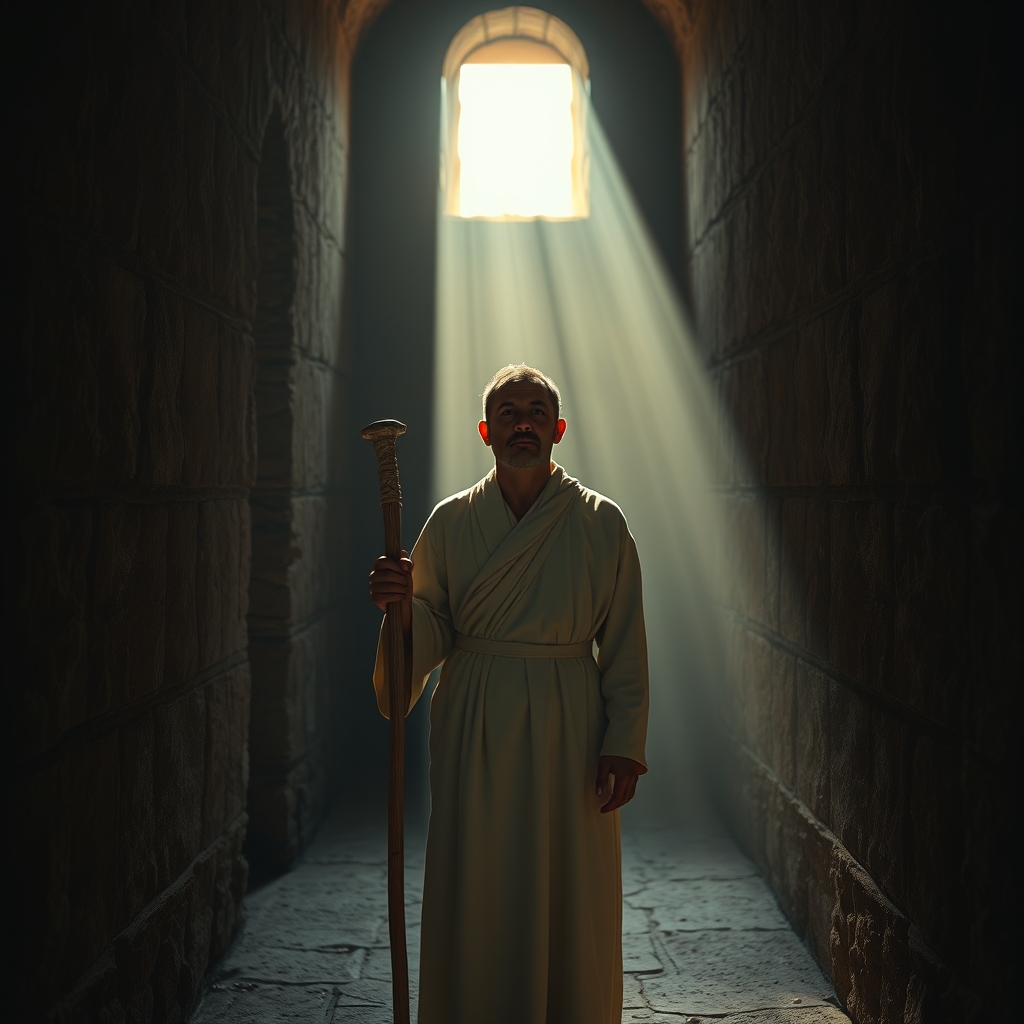
The phrase “Jesus I know, and Paul I know, but who are you?” is spoken by an evil spirit in Acts 19:15 to the seven sons of Sceva, Jewish exorcists who tried to use the name of Jesus without a genuine relationship with Him. This passage reveals that even demons recognize the true authority of Jesus Christ and His faithful servants, but they have no regard for those who invoke His name without authentic faith. It is a powerful reminder that the name of Jesus carries divine authority only when spoken by those who truly belong to Him.
Few passages in Scripture are as startling—or as revealing—as the moment recorded in Acts 19, when an evil spirit spoke through a man and declared, “Jesus I know, and Paul I know; but who are you?” These words, spoken by a demon confronted by the seven sons of Sceva, carry a weight that still echoes through the church today. They expose a spiritual reality that every believer must understand: the name of Jesus Christ is not a magic phrase to be wielded carelessly, but the most powerful name in all of creation—a name that demands genuine faith, true relationship, and surrendered obedience.
In this article, we will explore the full context of Acts 19:15, unpack the meaning behind the demon’s chilling words, and discover what this passage teaches us about the true authority that belongs to Jesus Christ alone. Whether you are a new believer seeking to grow in your faith or a mature Christian hungry for deeper understanding, the truths found here will challenge you to examine your own relationship with the Lord. As the Apostle Paul wrote, “At the name of Jesus every knee should bow, in heaven and on earth and under the earth” (Philippians 2:10). Let us begin by looking at who spoke these words and the remarkable events that led to this extraordinary moment in the early church.
Who Said “Jesus I Know, Paul I Know, but Who Are You?”?
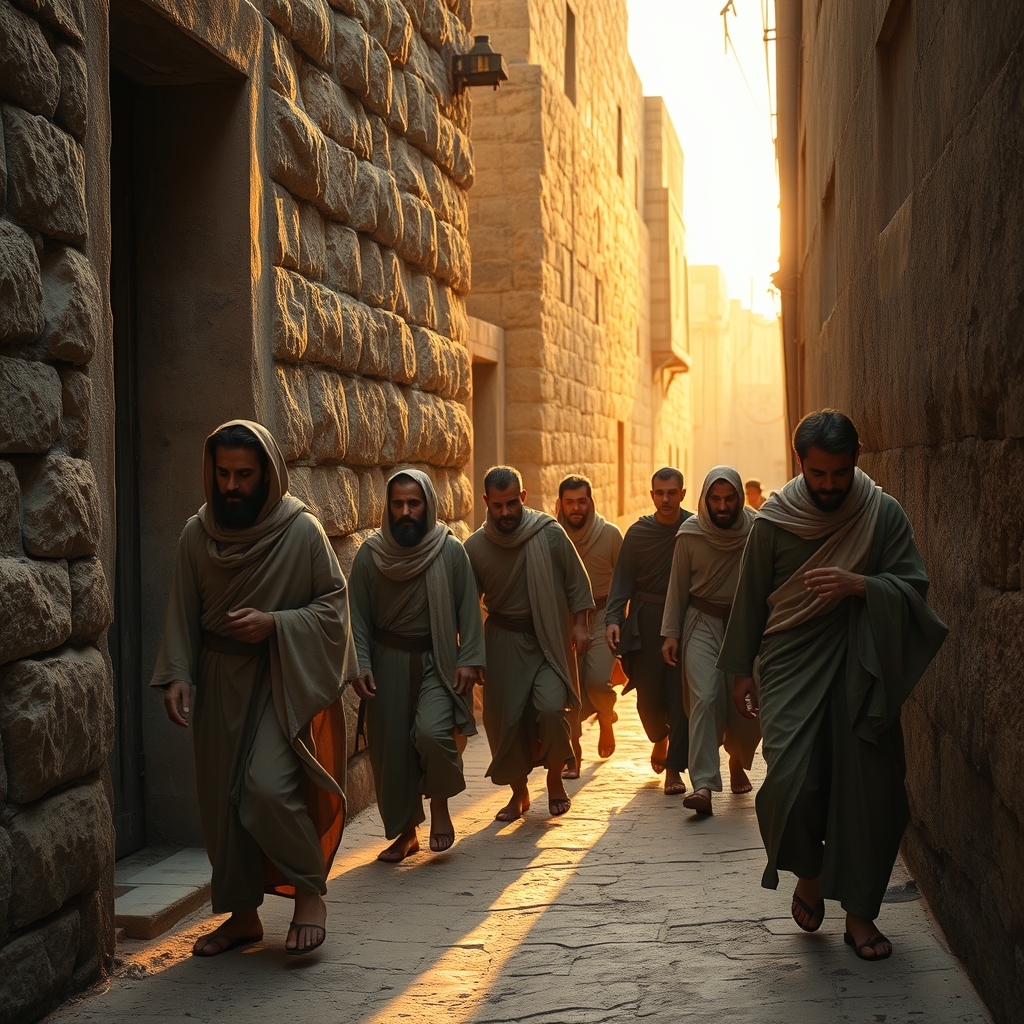
The Context: Paul’s Ministry in Ephesus
The story of the famous words “Jesus I know, and Paul I know; but who are you?” takes place during one of the most powerful seasons of the Apostle Paul’s ministry. Paul arrived in Ephesus during his third missionary journey, around 52–55 AD. Ephesus was a major city in the Roman province of Asia, known for its grand temple of Artemis and its deep involvement in the occult. [1]
However, despite the city’s darkness, God was doing extraordinary things through Paul. The book of Acts tells us that Paul spent approximately three years in Ephesus, teaching daily in the hall of Tyrannus. As a result, the gospel spread throughout the entire region. Acts 19:10 records that “all they which dwelt in Asia heard the word of the Lord Jesus, both Jews and Greeks.”
Furthermore, God performed unusual miracles through Paul. Even handkerchiefs and aprons that had touched his body were brought to the sick, and their diseases were cured (Acts 19:11–12). This created an atmosphere of tremendous spiritual power and authority in the city. the name of Jesus was being magnified in ways that the demonic realm could not ignore.
The Seven Sons of Sceva
It was in this context that a remarkable and sobering event took place. A group of Jewish exorcists, known as the seven sons of Sceva, observed the power at work through Paul. Sceva is described in Acts 19:14 as “a chief of the priests,” though some scholars note this title may not have been officially recognized in Jerusalem. Regardless, these seven sons saw an opportunity.
They attempted to cast out an evil spirit from a man by invoking the name of Jesus. Their exact words were recorded in Acts 19:13: “I adjure you by Jesus whom Paul preaches.” In other words, they tried to use the name of Jesus as a formula, much like a magic incantation, without any genuine relationship with Christ.
This reveals a critical spiritual truth:
- They observed the power — They saw what God was doing through Paul and wanted the same results.
- They imitated the method — They used the name of Jesus, but without faith or submission to Him.
- They lacked the relationship — They had no personal knowledge of Jesus Christ as Lord and Savior.
Their approach was purely transactional. They treated the name of Jesus as a tool rather than recognizing it as the name of the living God. This is a warning that remains deeply relevant today.
The Evil Spirit’s Response in Acts 19:15
The response from the evil spirit was immediate and devastating. Acts 19:15 records: “And the evil spirit answered and said, Jesus I know, and Paul I know; but who are you?” This single verse carries enormous theological weight.
First, notice that the demon acknowledged Jesus. The evil spirit said, “Jesus I know.” This is not a casual recognition. The demonic realm has always known exactly who Jesus is. In Mark 3:11, we read that “unclean spirits, when they saw him, fell down before him, and cried, saying, Thou art the Son of God.” Demons do not doubt the identity of Christ. They tremble before Him (James 2:19).
Second, the evil spirit acknowledged Paul. It said, “Paul I know.” This is remarkable because it demonstrates that the spiritual realm recognized the genuine authority God had given to Paul. Paul’s ministry was not based on his own strength. It was rooted in his intimate relationship with Jesus Christ and the power of the Holy Spirit working through him.
However, the most striking part of this verse is the rebuke: “But who are you?” The evil spirit had no recognition of these exorcists whatsoever. They had no standing in the spiritual realm. They had no authority. They were, in the eyes of the demonic world, completely unknown and powerless.
The consequences were severe. Acts 19:16 tells us that the man with the evil spirit “leaped on them, and overcame them, and prevailed against them, so that they fled out of that house naked and wounded.” These seven men were publicly humiliated and physically harmed. Their attempt to use the name of Jesus without knowing Jesus Himself ended in disaster.
This account serves as a powerful reminder that the Christian life is not about formulas, rituals, or religious performance. It is about a living, personal relationship with Jesus Christ. As Jesus Himself declared in John 15:5, “I am the vine, ye are the branches: He that abideth in me, and I in him, the same bringeth forth much fruit: for without me ye can do nothing.”
What Is the Meaning of “Jesus I Know, Paul I Know, but Who Are You?”?
The Evil Spirit Recognized Jesus as Lord
When the evil spirit spoke through the man in Acts 19:15, it declared, “Jesus I know.” This is a remarkable statement. Even the forces of darkness recognize who Jesus truly is. The spirit did not deny Jesus’ existence. It did not question His power. Instead, it acknowledged Him openly.
This recognition carries deep theological weight. Throughout the Gospels, demons consistently identified Jesus as the Son of God. In Mark 1:24, a demon cried out, “What do you want with us, Jesus of Nazareth? Have you come to destroy us? I know who you are — the Holy One of God!” Similarly, in Luke 4:34, a demon shouted, “Go away! What do you want with us, Jesus of Nazareth? Have you come to destroy us? I know who you are — the Holy One of God.”
James 2:19 reinforces this truth: “You believe that there is one God. Good! Even the demons believe that — and shudder.” The evil spirit’s acknowledgment of Jesus was not casual. It was a confession born of fear and knowledge. The spirit understood that Jesus is Lord over all creation, including the spiritual realm.
Furthermore, this recognition reminds us that belief alone is not enough. The demons know who Jesus is, yet they remain in rebellion. True faith requires more than intellectual agreement. It requires surrender, repentance, and a living relationship with Christ.
The Evil Spirit Acknowledged Paul’s Authority
The spirit’s second statement — “Paul I know” — is equally significant. Paul was not one of the original twelve apostles. He never walked with Jesus during His earthly ministry. Yet the spiritual realm recognized Paul’s God-given authority.
Paul had been chosen by Jesus Christ for a unique mission. In Acts 9:15, the Lord said of Paul, “This man is my chosen instrument to proclaim my name to the Gentiles and their kings and to the people of Israel.” Paul’s authority did not come from himself. It came directly from the Lord who commissioned him.
Throughout his ministry, Paul demonstrated this authority in powerful ways. He cast out demons. He healed the sick. He performed signs and wonders among the Gentiles. As a result, even evil spirits could not deny that Paul carried the authentic power of God.
Consider the evidence of Paul’s authority:
- He was called by Jesus personally on the road to Damascus (Acts 9:3–6).
- He performed miracles that confirmed the gospel message (Acts 19:11–12).
- He planted churches across the Roman Empire through the Holy Spirit’s power (Acts 16:5).
- He wrote Scripture under the inspiration of the Holy Spirit (2 Timothy 3:16).
The evil spirit knew Paul because Paul walked in genuine relationship with Jesus. His ministry was not built on empty words. It was built on the foundation of Christ’s lordship and the power of the Holy Spirit.
The Rebuke: “But Who Are You?”
The final part of the spirit’s statement is the most striking: “But who are you?” This was a direct rebuke aimed at the seven sons of Sceva. They had attempted to use the name of Jesus as a tool. However, they had no relationship with Him. They carried no divine authority.
This question exposes a critical spiritual truth. the name of Jesus is not a magic formula. It cannot be wielded by anyone for personal gain or power. The sons of Sceva treated the name of Jesus like a charm. They assumed that simply saying His name would produce results. They were gravely mistaken.
Their failure teaches us several important lessons:
- The name of Jesus has power, but only when spoken by those who belong to Him.
- Spiritual authority is not transferable through words alone. It flows from a living relationship with Christ.
- God cannot be manipulated by those who approach Him without faith and sincerity.
- Empty religion is dangerous. It invites spiritual harm rather than protection.
After this encounter, fear fell on all who heard about it. Acts 19:17 tells us that “the name of the Lord Jesus was held in honor.” Many believers came forward and confessed their sinful practices. They burned their magic scrolls, which were valued at fifty thousand drachmas. The gospel advanced powerfully because the people understood that Jesus’ name demands reverence, not casual use.
Ultimately, this passage calls every believer to examine their own heart. Do we approach Jesus with genuine faith? Do we carry His name with the weight and honor it deserves? The evil spirit’s question — “Who are you?” — challenges us to ensure that our identity is rooted firmly in Christ and not in empty religious performance.
What Does Acts 19:15 Teach Us About the Power of Jesus’ Name?

`html
The Name of Jesus Is Not a Magic Formula
The story in Acts 19:15 reveals a crucial truth. The seven sons of Sceva tried to use Jesus’ name like a magic spell. They assumed that simply saying “Paul I know Jesus I know” and invoking Jesus’ name would be enough to cast out demons. However, the evil spirit responded with devastating honesty: “Jesus I know, Paul I know; but who are you?” (Acts 19:15, KJV). Their formula failed spectacularly.
This teaches us something vital. The name of Jesus is not a magical incantation. It does not work like a spiritual password or a secret code. The seven sons of Sceva spoke the right words. Yet they had no power because they had no relationship with Jesus. Simply saying “Jesus I know” means nothing if we do not truly know Him.
Consider this: even demons know who Jesus is. James 2:19 tells us, “Thou believest that there is one God; thou doest well: the devils also believe, and tremble.” Demons acknowledged Christ’s lordship. Yet that knowledge alone gave the sons of Sceva no authority. In the same way, reciting prayers or speaking Jesus’ name without genuine faith is empty and powerless.
True Authority Comes from a Relationship with Christ
So where does true spiritual authority come from? It flows directly from a living, authentic relationship with Jesus Christ. The apostle Paul cast out demons not because he memorized the right words. He did so because the Holy Spirit worked through him. Paul walked daily with Christ. His faith was real, deep, and transforming.
Acts 13:9-12 confirms this. Paul, filled with the Holy Spirit, confronted a sorcerer and struck him with blindness. This was not magic. This was the power of God flowing through a yielded servant. Furthermore, in Acts 16:16-18, Paul cast a spirit out of a slave girl simply by commanding it in the name of Jesus Christ. The difference? Paul actually belonged to Jesus.
Authority comes through identification with Christ. Romans 6:5 says, “For if we have been planted together in the likeness of his death, we shall be also in the likeness of his resurrection.” When we are in Christ, His power becomes available to us. The phrase “Jesus I know Paul I know” was powerful on Paul’s lips because it reflected genuine spiritual reality. On the lips of the sons of Sceva, it was hollow.
Paul himself wrote in Philippians 2:9-11 that God highly exalted Jesus. He gave Him the name above every name. At the name of Jesus, every knee shall bow. However, this power is activated through faith. It is not in the syllables of the name itself. It is in the living Lord the name represents.
Jesus taught this same truth in John 15:5: “I am the vine, ye are the branches: He that abideth in me, and I in him, the same bringeth forth much fruit: for without me ye can do nothing.” Abiding in Christ means:
- Daily surrender to His will through prayer and obedience
- Deep knowledge of His Word through consistent Bible study
- Genuine love for others as evidence of His Spirit within us
- A transformed life that reflects His holiness and grace
Without these marks of true faith, claiming authority in Jesus’ name is meaningless.
The Danger of Using Jesus’ Name Without Faith
The fate of the seven sons of Sceva stands as a solemn warning. Acts 19:16 records that the man with the evil spirit “leaped on them, and overcame them, and prevailed against them, so that they fled out of that house naked and wounded.” Their attempt to wield spiritual power without genuine faith resulted in shame, defeat, and physical harm.
This passage speaks directly to us today. It cautions against treating faith casually or superficially. Using the phrase “Jesus I know, Paul I know” as a spiritual tool without knowing Jesus personally is dangerous. It exposes us to spiritual harm rather than protecting us.
Jesus Himself warned about this in Matthew 7:21-23:
“Not every one that saith unto me, Lord, Lord, shall enter into the kingdom of heaven; but he that doeth the will of my Father which is in heaven. Many will say to me in that day, Lord, Lord, have we not prophesied in thy name? and in thy name have cast out devils? and in thy name done many wonderful works? And then will I profess unto them, I never knew you: depart from me, ye that work iniquity.”
These are sobering words. People will claim to have done mighty works in Jesus’ name. Yet He will say He never knew them. The lesson is clear: religious activity without a personal relationship with Christ is worthless.
The sons of Sceva were Jewish exorcists. They had religious credentials. They knew the right formulas. Yet they had no saving faith in Jesus. As a result, they were powerless and humiliated. Their story reminds us that:
- Knowing about Jesus is not the same as knowing Jesus
- Religious rituals without heart transformation lead to spiritual emptiness
- Attempting to use God’s power for personal gain invites judgment
- Only those who belong to Christ can truly operate in His authority
Acts 19:15 ultimately points us to the true source of all spiritual power. It is not in formulas, rituals, or religious titles. It is in the person of Jesus Christ Himself. When we truly know Him, His name on our lips carries the weight of heaven. When we do not, even the most confident declaration of “Jesus I know, Paul I know” falls flat.
Let us therefore examine our own hearts. Do we truly know Jesus? Or are we merely repeating words? The power of His name is available to all who come to Him in genuine faith, repentance, and surrender. As Romans 10:13 promises, “For whosoever shall call upon the name of the Lord shall be saved.” But that calling must come from a heart that truly belongs to Him.
`
What Is Paul Saying in Philippians 3:13?
`html
Forgetting What Lies Behind
In Philippians 3:13, Paul writes, “Brethren, I count not myself to have apprehended: but this one thing I do, forgetting those things which are behind, and reaching forth unto those things which are before.” This is a powerful statement from a man who had every reason to dwell on his past.
Paul’s past was complicated. He had persecuted the church of God. He had approved of the death of Stephen, the first Christian martyr (Acts 8:1). He had dragged believers from their homes and thrown them into prison. By his own admission, he was “a blasphemer, and a persecutor, and injurious” (1 Timothy 1:13).
Yet Paul chose to forget what lay behind him. This does not mean he had amnesia. Rather, he refused to let his past define him, paralyze him, or disqualify him from God’s purpose. The enemy loves to keep believers chained to their former failures. However, God’s grace breaks every chain.
Consider what Paul left behind:
- His former reputation as a Pharisee
- His record of persecuting Christians
- His self-righteousness based on the law
- His old identity apart from Christ
Paul understood a profound truth. In Christ, the old has passed away, and the new has come (2 Corinthians 5:17). He did not deny his past. Instead, he refused to be controlled by it. This is the freedom that Jesus offers to every believer.
Furthermore, Paul also forgot his successes. He did not rest on past victories or spiritual achievements. He knew that yesterday’s revelation is not enough for today’s journey. Every day requires fresh faith and renewed dependence on the Lord.
Pressing Toward the Goal in Christ
Paul did not merely forget the past. He also pressed forward. In Philippians 3:14, he declares, “I press toward the mark for the prize of the high calling of God in Christ Jesus.” This is the heart of the Christian life. It is a relentless, joyful pursuit of Jesus Christ.
The word “press” in the Greek carries the idea of stretching forward with intensity, like a runner straining toward the finish line. Paul was not casual about his faith. He was urgent, focused, and wholehearted. His goal was not earthly fame or comfort. His goal was Christ Himself.
This connects directly to the theme of our article. When the evil spirit declared, “Jesus I know, and Paul I know; but who are you?” (Acts 19:15), it revealed a critical distinction. Jesus is Lord over all. Paul was known because he was fully surrendered to Jesus. The seven sons of Sceva, however, had no genuine relationship with Christ. They tried to use His name without knowing His person.
Paul’s life demonstrates the opposite. He knew Christ intimately. He had encountered the risen Jesus on the Damascus Road (Acts 9:1-6). That encounter transformed everything. As a result, Paul spent the rest of his life pressing toward one goal: knowing Christ more deeply (Philippians 3:10).
What does it mean for us to press toward the goal today? It means:
- Prioritizing our relationship with Jesus above all else
- Refusing to be distracted by the enemy’s accusations about our past
- Pursuing holiness and obedience with earnest desire
- Keeping our eyes fixed on the eternal prize, not temporary comforts
- Living each day with the awareness that Christ is our ultimate reward
Paul’s message in Philippians 3:13 is both a warning and an encouragement. The warning is this: do not let anything hold you back from following Jesus wholeheartedly. The encouragement is this: no matter what you have done, God’s grace is sufficient. You can start fresh today.
The Christian life is not a single moment of salvation. It is a lifelong journey of growing closer to Jesus. Paul modeled this beautifully. He forgot what was behind and pressed forward with everything he had. As believers, we are called to do the same.
Jesus Christ is the author and finisher of our faith (Hebrews 12:2). He is both the goal and the guide. When we fix our eyes on Him, the distractions of the past and the fears of the future lose their power. We find strength to run the race set before us, knowing that He who began a good work in us will bring it to completion (Philippians 1:6).
`
What Does Colossians 3:17 Say?
Colossians 3:17 provides a powerful summary of how believers are called to live every moment of their lives. The verse states, “And whatsoever ye do in word or deed, do all in the name of the Lord Jesus, giving thanks to God and the Father by him” (KJV). This single verse captures the heart of the Christian life. It calls us to honor Jesus in everything we say and do.
When we reflect on the story in Acts 19, where the evil spirit declared, “Jesus I know, and Paul I know; but who are ye?”, we see a stark contrast. The seven sons of Sceva tried to use the name of Jesus without truly knowing Him. They had no relationship with Christ. As a result, they had no authority. Colossians 3:17 shows us the right way to live. It is not about using Jesus’ name as a formula. It is about living in genuine connection with Him.
Doing Everything in the Name of Jesus
To do something “in the name of Jesus” means to act with His authority, His character, and His approval. It means that our words and actions reflect who He is. Furthermore, it means we are not acting on our own strength or for our own glory. Instead, we represent Christ in every area of life.
This applies to all aspects of daily living. Consider the following areas where believers are called to act in Jesus’ name:
- In our speech: Every word we speak should honor the Lord. This includes how we talk to family, friends, coworkers, and even strangers. Ephesians 4:29 reminds us, “Let no corrupt communication proceed out of your mouth, but that which is good to the use of edifying.”
- In our work: Whether we are at a job, at home, or serving in ministry, we are to work wholeheartedly. Colossians 3:23 says, “And whatsoever ye do, do it heartily, as to the Lord, and not unto men.”
- In our relationships: How we treat others should reflect the love of Christ. This means showing patience, kindness, and forgiveness. In addition, it means pursuing peace and unity with those around us.
- In our decisions: Every choice we make should be guided by the question, “Does this honor Jesus?” When we face difficult decisions, we can seek His wisdom through prayer and Scripture.
The key difference between the sons of Sceva and a true believer is relationship. The sons of Sceva spoke the name of Jesus but did not know Him. However, when we have a living relationship with Christ, His name carries weight. It carries power. It carries authority. As a result, our lives become a testimony to His lordship.
Living a Life of Gratitude and Worship
The second part of Colossians 3:17 calls us to live with “giving thanks to God and the Father by him.” Gratitude is not just a feeling. It is a posture of the heart. It is an acknowledgment that every good thing comes from God. James 1:17 confirms this truth: “Every good gift and every perfect gift is from above, and cometh down from the Father of lights.”
When we give thanks, we shift our focus from our problems to our Provider. In addition, thanksgiving transforms our worship. It moves us from simply going through the motions to genuinely honoring God with our lives. Consider these ways to cultivate a lifestyle of gratitude:
- Start each day with thanksgiving. Before the busyness begins, take a moment to thank God for His blessings. Thank Him for His mercy, His provision, and His presence in your life.
- Keep a gratitude journal. Write down specific things you are thankful for each day. Over time, this practice trains your heart to recognize God’s goodness in every season.
- Give thanks even in trials. This is perhaps the hardest call. Yet 1 Thessalonians 5:18 instructs us, “In every thing give thanks: for this is the will of God in Christ Jesus concerning you.” Even in suffering, we can trust that God is working all things for good (Romans 8:28).
- Worship through song and prayer. Singing praises to God is one of the most powerful expressions of gratitude. It lifts our spirits and reminds us of His faithfulness.
Ultimately, Colossians 3:17 paints a beautiful picture of the Christian life. It is a life where every word, every deed, and every thought is offered to God through Jesus Christ. It is a life marked by gratitude, worship, and a deep awareness of who Jesus is. Unlike the sons of Sceva, who knew “Paul I know, Jesus I know” only in word, we are called to know Him in truth. We are called to walk in His authority, live in His love, and give thanks to the Father through Him. This is the life that honors the name above every name, the name of our Lord and Savior, Jesus Christ.
What Color Will We Wear in Heaven?
Robes of Righteousness in Scripture
When we think about heaven, many wonder what we will wear. The Bible gives us a beautiful and clear answer. In heaven, we will be clothed in robes of righteousness. These are not ordinary garments. They represent the perfect holiness that comes from Jesus Christ alone.
The prophet Isaiah declared this truth centuries ago. He wrote, “I will greatly rejoice in the Lord; my soul shall be joyful in my God, for He has clothed me with the garments of salvation, He has covered me with the robe of righteousness” (Isaiah 61:10, NKJV). This promise points forward to the salvation we receive through faith in Jesus.
Furthermore, the book of Revelation confirms this glorious truth. In Revelation 7:9, John sees a great multitude from every nation standing before the throne of God. They are “clothed with white robes.” These white robes symbolize purity, victory, and the righteousness of Christ given to every believer.
However, it is important to understand that we do not earn these robes. We cannot make them ourselves. The Bible says, “For by grace you have been saved through faith, and that not of yourselves; it is the gift of God” (Ephesians 2:8, NKJV). The white robes of heaven are a gift from God to all who trust in Jesus.
Consider what this means for every believer:
- Our righteousness comes from Christ, not from our own works (2 Corinthians 5:21).
- We are washed clean by the blood of Jesus (Revelation 7:14).
- We stand before God as holy and blameless because of what Jesus has done (Colossians 1:22).
- Our identity in heaven is rooted in our relationship with Christ, not in our earthly achievements.
This connects directly to the lesson from Acts 19:15. The evil spirit said, “Jesus I know, and Paul I know, but who are you?” The seven sons of Sceva tried to use Jesus’ name without truly knowing Him. They had no relationship with Christ. As a result, they had no authority and no covering. In contrast, every true believer is covered by the righteousness of Jesus. We do not approach God on our own merit. We come clothed in the finished work of Christ.
The Glory of God’s Presence
Beyond the robes we will wear, heaven is about the glory of God’s presence. The Bible tells us that God’s glory is the source of all light and beauty in heaven. Revelation 21:23 says, “The city had no need of the sun or of the moon to shine in it, for the glory of God illuminated it. The Lamb is its light” (NKJV).
In addition to the radiant glory of God, we will experience the fullness of joy in His presence. Psalm 16:11 promises, “In Your presence is fullness of joy; at Your right hand are pleasures forevermore” (NKJV). Heaven is not merely a place of beautiful clothing. It is a place of eternal communion with our Lord and Savior.
As a result, the question of what we wear in heaven is really a question about who we belong to on earth. If we belong to Jesus, we are already counted as righteous in Him. One day, we will see Him face to face. We will worship Him in white robes, not because of anything we have done, but because of everything He has done for us.
Let this truth encourage your heart today. The same Jesus whom the evil spirit acknowledged as Lord is the Jesus who invites you into eternal life. He is the One who clothes you in righteousness. He is the One whose glory will fill heaven forever. As Paul wrote, “For now we see in a mirror, dimly, but then face to face” (1 Corinthians 13:12, NKJV).
Frequently Asked Questions
Who said “Jesus I know, Paul I know, but who are you?”?
This statement was spoken by an evil spirit. It came from a man possessed by demons in Ephesus. The event is recorded in Acts 19:15. The spirit was responding to seven Jewish exorcists. These men were the sons of Sceva, a chief priest. They tried to cast out demons using Jesus’ name. However, they had no personal relationship with Christ. As a result, the evil spirit rejected their authority. The spirit said, “Jesus I know, and Paul I know; but who are you?” (Acts 19:15, NKJV). This moment revealed a powerful spiritual truth. The name of Jesus is not a magic word. It carries authority only through genuine faith.
What is the meaning of Acts 19:15?
Acts 19:15 teaches us several important truths. First, even evil spirits recognize the authority of Jesus Christ. The demon acknowledged that Jesus is Lord. Second, the spirit recognized Paul’s genuine authority. Paul had a real relationship with Christ. Third, the spirit rejected the seven sons of Sceva. They used Jesus’ name without knowing Him personally.
In addition, this verse warns believers today. We cannot use Jesus’ name as a formula. True spiritual power comes from faith. It comes from a living relationship with Christ. Furthermore, this passage shows that the spiritual realm is real. Demons are aware of who truly belongs to God. As Scripture says, “You believe that there is one God. You do well. Even the demons believe—and tremble!” (James 2:19, NKJV).
What does “Jesus I know, Paul I know” mean in the KJV and NKJV?
Both the King James Version and the New King James Version record this verse nearly identically. The KJV reads: “And the evil spirit answered and said, Jesus I know, and Paul I know; but who are ye?” The NKJV reads: “And the evil spirit answered and said, ‘Jesus I know, and Paul I know; but who are you?'”
The meaning is the same in both translations. The evil spirit was making a clear distinction. It recognized two things:
- Jesus is Lord. The demon acknowledged the supreme authority of Jesus Christ over all creation, including the spiritual realm.
- Paul has authority. The demon recognized that Paul had been given genuine spiritual authority through his relationship with Christ and his apostolic mission.
However, the demon did not recognize the seven sons of Sceva. They had no authority because they had no faith. This shows that knowing about Jesus is not the same as knowing Jesus personally. As Jesus Himself said, “Not everyone who says to Me, ‘Lord, Lord,’ shall enter the kingdom of heaven” (Matthew 7:21, NKJV).
What happened in Acts 19 with the seven sons of Sceva?
The story in Acts 19:13–17 is both dramatic and instructive. Here is what took place:
- Some Jewish exorcists tried to use Jesus’ name. Seven sons of Sceva, a Jewish chief priest, attempted to cast out evil spirits. They said, “I adjure you by the Jesus whom Paul preaches” (Acts 19:13, NKJV).
- The evil spirit responded with defiance. The demon said, “Jesus I know, and Paul I know; but who are you?” (Acts 19:15, NKJV).
- The possessed man attacked them. The man with the evil spirit leaped on them. He overpowered all seven of them. They fled from the house naked and wounded (Acts 19:16).
- The name of Jesus was magnified. When this became known, fear fell on everyone in Ephesus. Many believers came forward and confessed their sins. They burned their occult books, which were worth fifty thousand pieces of silver (Acts 19:17–19).
As a result, the gospel spread powerfully in Ephesus. This event proved that the name of Jesus is not a tool for the unfaithful. It is a name above every name. As Paul wrote, “God also has highly exalted Him and given Him the name which is above every name” (Philippians 2:9, NKJV). True authority in Jesus’ name belongs only to those who have surrendered their lives to Him as Lord and Savior.
`
Conclusion: The True Identity and Authority of Jesus Christ

The account of the seven sons of Sceva in Acts 19 delivers one of the most striking revelations in all of Scripture. When the evil spirit declared, “Jesus I know, and Paul I know, but who are you?” (Acts 19:15, NKJV), it exposed a truth that echoes through every generation. The spiritual realm recognizes genuine authority. Furthermore, it distinguishes between those who truly belong to Christ and those who merely use His name.
Throughout this study, we have explored the context of Paul’s ministry in Ephesus. We have examined the failed exorcism attempt by the seven sons of Sceva. In addition, we have uncovered the deeper meaning behind the demon’s words. Now, we arrive at the most important question of all. It is the same question that confronts every person who has ever heard the name of Jesus.
The Name of Jesus Is Above Every Name
The Apostle Paul wrote to the church in Philippi with unmistakable clarity. He declared that God the Father “has highly exalted Him and given Him the name which is above every name” (Philippians 2:9, NKJV). This is not a symbolic statement. Rather, it is a declaration of absolute, cosmic authority. The name of Jesus Christ stands supreme over every power, every principality, and every spiritual force in existence.
Consider what the evil spirit in Acts 19:15 actually acknowledged. It recognized Jesus as Lord. It also recognized Paul as a true representative of Christ’s authority. However, it rejected the seven sons of Sceva entirely. Why? Because those men had no real relationship with Jesus. They attempted to use His name as a tool. As a result, they were overpowered and humiliated.
This account teaches us several vital truths about the authority of Jesus Christ:
- Jesus is not merely a historical figure. He is the living Son of God, seated at the right hand of the Father (Hebrews 1:3).
- His name carries divine power. Demons tremble at the name of Jesus when it is spoken by those who truly belong to Him (James 2:19).
- Authority in Jesus’ name is not automatic. It flows from a genuine, saving relationship with Christ, not from religious ritual or empty words.
- God will not be mocked. Those who attempt to use the Lord’s name without faith will face serious consequences (Galatians 6:7).
Jesus Christ: Fully God, Fully Man
The Bible presents Jesus Christ as both fully divine and fully human. This is not a contradiction. Instead, it is the glorious mystery of the incarnation. The Apostle John wrote, “In the beginning was the Word, and the Word was with God, and the Word was God” (John 1:1, NKJV). He then added, “And the Word became flesh and dwelt among us” (John 1:14, NKJV). Jesus Christ is eternal God who took on human nature to accomplish our salvation.
The prophet Isaiah foretold this truth centuries before the birth of Christ. He wrote, “For unto us a Child is born, unto us a Son is given; and the government will be upon His shoulder. And His name will be called Wonderful, Counselor, Mighty God, Everlasting Father, Prince of Peace” (Isaiah 9:6, NKJV). Notice that this promised child is called “Mighty God.” This is not a title given to an ordinary man. It is a title reserved for God alone.
Furthermore, the Apostle Paul affirmed this truth in his letter to the Colossians. He wrote that in Christ “dwells all the fullness of the Godhead bodily” (Colossians 2:9, NKJV). Jesus Christ is not partially divine. He is not a lesser god. He is the one true God, clothed in human flesh, who came to seek and to save the lost (Luke 19:10).
The Resurrection: Proof of His Authority
The resurrection of Jesus Christ is the cornerstone of the Christian faith. Without it, as Paul himself admitted, “your faith is futile; you are still in your sins” (1 Corinthians 15:17, NKJV). However, Christ did rise from the dead. He conquered sin, death, and the grave once and for all.
The resurrection proves that Jesus is exactly who He claimed to be. He is the Son of God with power (Romans 1:4). It also validates every promise He ever made. Because He lives, we too shall live (John 14:19). In addition, the resurrection demonstrates that no power in the universe can stand against Him. Not even death itself could hold Him.
Consider the following truths that the resurrection confirms:
- Jesus has authority over death. He said, “I am the resurrection and the life. He who believes in Me, though he may die, he shall live” (John 11:25, NKJV).
- Jesus has authority to forgive sins. After His resurrection, He told His disciples, “If you forgive the sins of any, they are forgiven them” (John 20:23, NKJV).
- Jesus has authority over all creation. He declared, “All authority has been given to Me in heaven and on earth” (Matthew 28:18, NKJV).
- Jesus has authority to intercede for believers. He “is also able to save to the uttermost those who come to God through Him, since He always lives to make intercession for them” (Hebrews 7:25, NKJV).
The Question That Remains: “But Who Are You?”
The evil spirit’s question to the seven sons of Sceva is ultimately a question that every person must answer for themselves. It is not enough to know about Jesus. The demons know about Jesus, and they tremble (James 2:19). It is not enough to know about faithful servants of God like Paul. Head knowledge alone does not save.
What matters is whether you have a personal, living relationship with Jesus Christ. Have you placed your faith in Him as your Lord and Savior? Have you repented of your sins and trusted in His finished work on the cross? Furthermore, are you walking in obedience to His Word?
Jesus Himself warned that “Not everyone who says to Me, ‘Lord, Lord,’ shall enter the kingdom of heaven, but he who does the will of My Father in heaven” (Matthew 7:21, NKJV). True faith is not mere words. It is a transformed life powered by the Holy Spirit.
The seven sons of Sceva tried to operate in spiritual authority they did not possess. As a result, they were left wounded and ashamed. However, the good news of the Gospel is that genuine authority and power are available to every believer. Paul wrote, “I can do all things through Christ who strengthens me” (Philippians 4:13, NKJV). This power does not come from ourselves. It comes from abiding in Christ and walking in the Spirit.
Standing Firm in the Authority of Christ
As believers, we do not need to fear the enemy. Jesus has already won the victory. However, we must ensure that our faith is genuine. We must be rooted in a real relationship with Christ. In addition, we must rely on His strength, not our own.
The Apostle Paul gave us this encouragement: “Finally, my brethren, be strong in the Lord and in the power of His might” (Ephesians 6:10, NKJV). Our strength comes from the Lord. Our authority comes from His name. Furthermore, our confidence comes from His promises.
Let us never be like the seven sons of Sceva, who presumed to use the name of Jesus without knowing Him. Instead, let us be like Paul, who could say with full conviction, “I know whom I have believed and am persuaded that He is able to keep what I have committed to Him until that Day” (2 Timothy 1:12, NKJV).
Come to Jesus Today
If you have never placed your faith in Jesus Christ, today is the day of salvation (2 Corinthians 6:2). He is not a distant or unknowable God. He is the Good Shepherd who lays down His life for the sheep (John 10:11). He is the Way, the Truth, and the Life (John 14:6). Furthermore, He is the only way to the Father.
The Bible promises that “if you confess with your mouth the Lord Jesus and believe in your heart that God has raised Him from the dead, you will be saved” (Romans 10:9, NKJV). Salvation is not earned through good works or religious effort. It is received by grace through faith in Jesus Christ alone (Ephesians 2:8–9).
Jesus Christ is Lord. He is the risen Savior, the King of Kings, and the soon-returning King. The evil spirit in Acts 19:15 knew exactly who Jesus was. The question is, do you? More importantly, do you belong to Him?
We invite you to respond to the Gospel today. Turn from your sins. Place your trust in Jesus Christ. As a result, you will receive the gift of eternal life and the power of the Holy Spirit. You will no longer be a stranger to the authority of Christ. Instead, you will be a child of God, sealed and secure in His love (Ephesians 1:13–14).