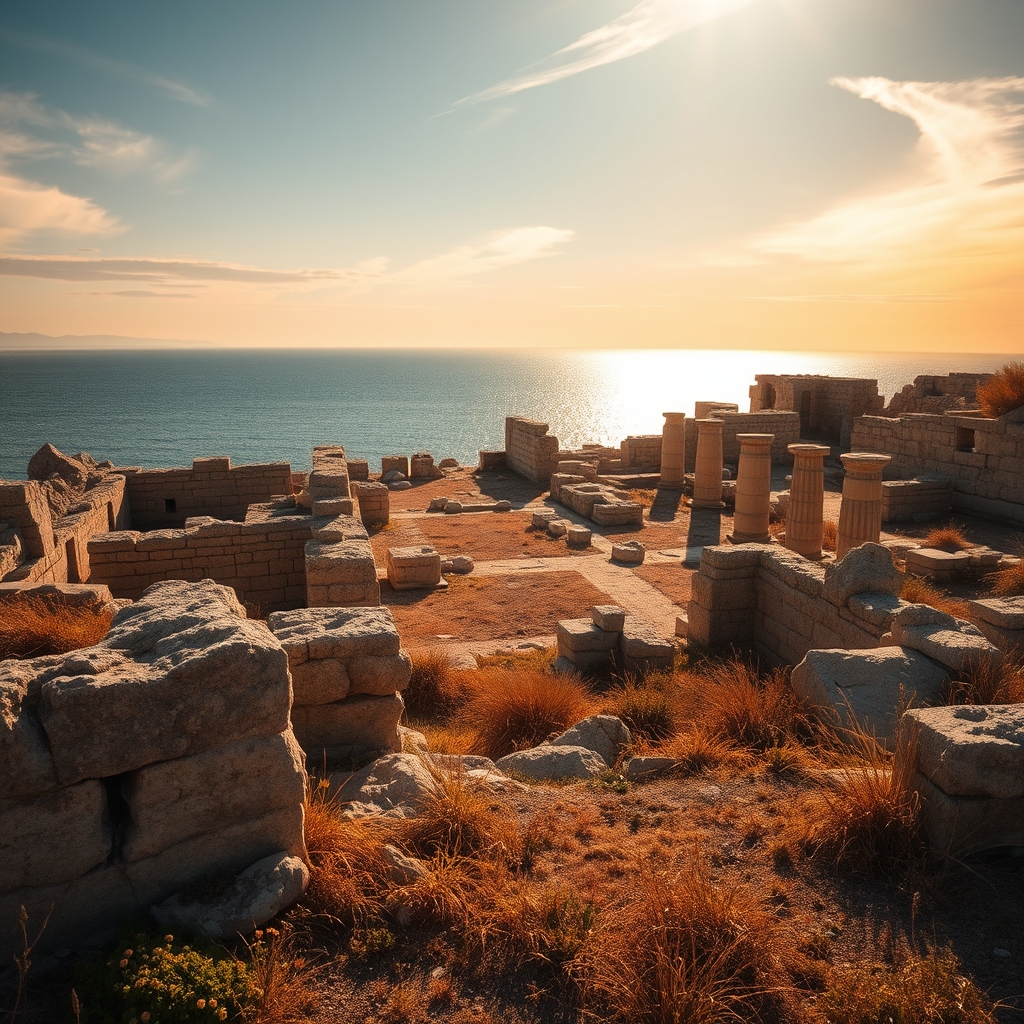
Bethsaida in the Bible is a fishing village on the Sea of Galilee, known as the hometown of the apostles Peter, Andrew, and Philip (John 1:44). Despite witnessing many of Jesus’ mighty works, the city did not repent, leading Jesus to pronounce a curse upon it (Matthew 11:21).
What if the very place where Jesus performed some of His most astonishing miracles became the same place He publicly rebuked? That is the sobering story of Bethsaida in the Bible—a small fishing village that witnessed the miraculous power of Christ yet faced a divine warning that echoes through the centuries to us today. In Matthew 11:21, Jesus uttered a stunning pronouncement: “woe to you, Bethsaida! For if the mighty works which were done in you had been done in Tyre and Sidon, they would have repented long ago in sackcloth and ashes.” These words were spoken about a town that had seen the blind receive sight, had been near the site where thousands were miraculously fed, and had been intimately connected to some of Christ’s own disciples.
In this article, we will explore the meaning of the name Bethsaida, where this village was located in biblical times, the miracles and events that took place there, and—most critically—why the Son of God issued such a strong condemnation upon it. Whether you are a new believer seeking to understand the geography and history of Scripture, or a seasoned Christian looking to deepen your understanding of God’s call to genuine repentance and faith, this study of Bethsaida in the Bible carries a timeless message that every person would do well to hear.
What Is Bethsaida in the Bible?
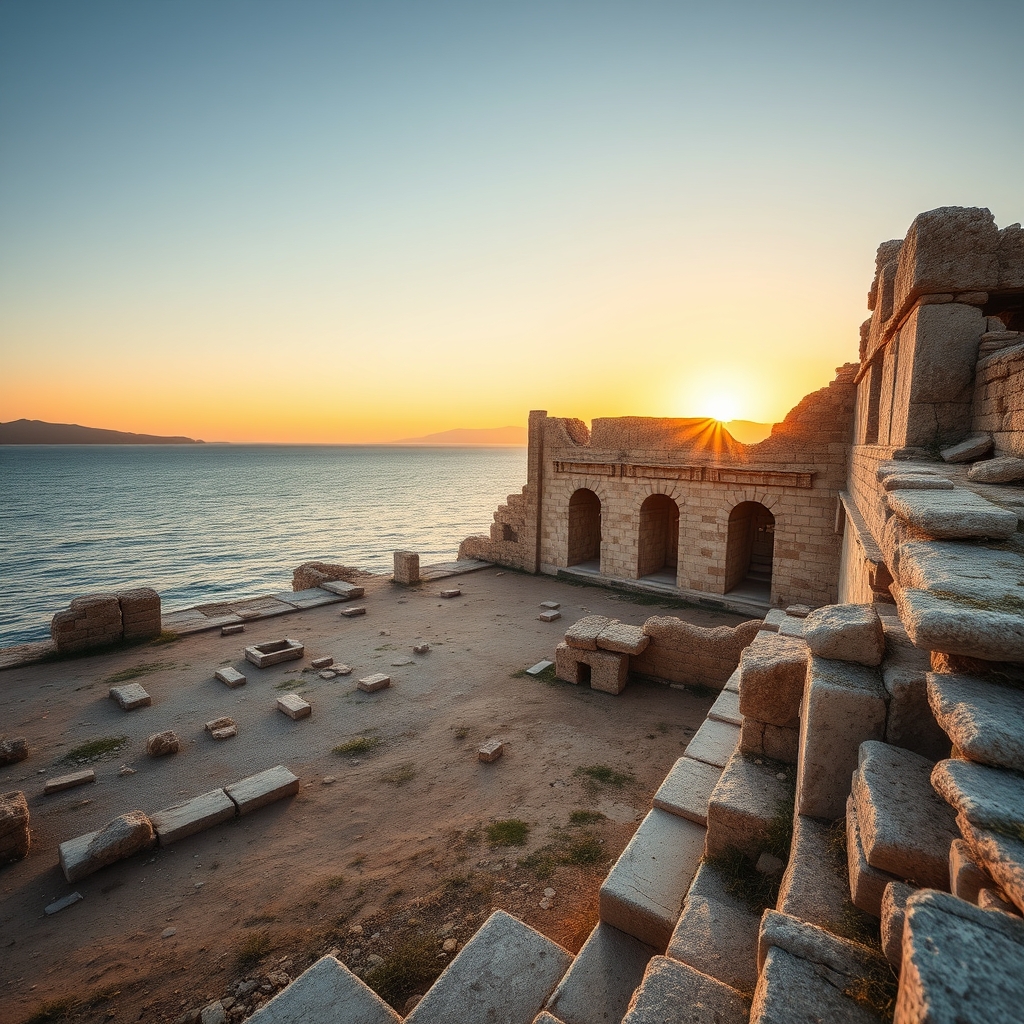
Understanding Bethsaida in the Bible is essential for anyone seeking to deepen their knowledge of the Gospels and the ministry of our Lord Jesus Christ. Bethsaida holds a unique and significant place in Scripture. It was a city that witnessed the power and compassion of Jesus firsthand. Yet, it also faced His stern warning. Let us explore what the Bible reveals about this ancient city, its meaning, and its location.
The Meaning of the Name Bethsaida
The name “Bethsaida” comes from Hebrew and Aramaic roots. It is generally understood to mean “House of Fishing“ or “House of the Hunter.” The name is derived from two words:
- Beth: This means “house” in Hebrew.
- Saida: This comes from a Hebrew and Aramaic word meaning “fishing” or “hunting.”
Furthermore, the name perfectly reflects the city’s identity. Bethsaida was located near the Sea of Galilee, a region known for its thriving fishing industry. Additionally, many of Jesus’ earliest disciples came from this region, including Peter, Andrew, and Philip. As a result, the name “House of Fishing” carried both literal and spiritual significance in the unfolding story of Christ’s ministry.
Where Is Bethsaida According to the Bible?
The location of Bethsaida in the Bible is described in several passages. The Gospel of John provides the clearest reference, stating that Bethsaida was the city of Andrew and Philip (John 1:44). It was situated near the Sea of Galilee, close to where the Jordan River flows into the lake.
Archaeological evidence places Bethsaida at a site known today as et-Tell, located on the northeastern shore of the Sea of Galilee in modern-day Israel. [1]
Bethsaida was also closely associated with two other cities mentioned in Scripture:
- Chorazin: Located nearby, this city was also cursed by Jesus for its lack of repentance (Matthew 11:21).
- Capernaum: Jesus made this city the center of His Galilean ministry, and both it and Bethsaida were rebuked together for rejecting the miracles of Christ.
In summary, Bethsaida was a real, historical place on the northern shore of the Sea of Galilee. It was a fishing village that played a vital role in the earthly ministry of Jesus Christ, the Son of the Living God.
Why Did Jesus Curse Bethsaida?
Why Did Jesus Curse Bethsaida?
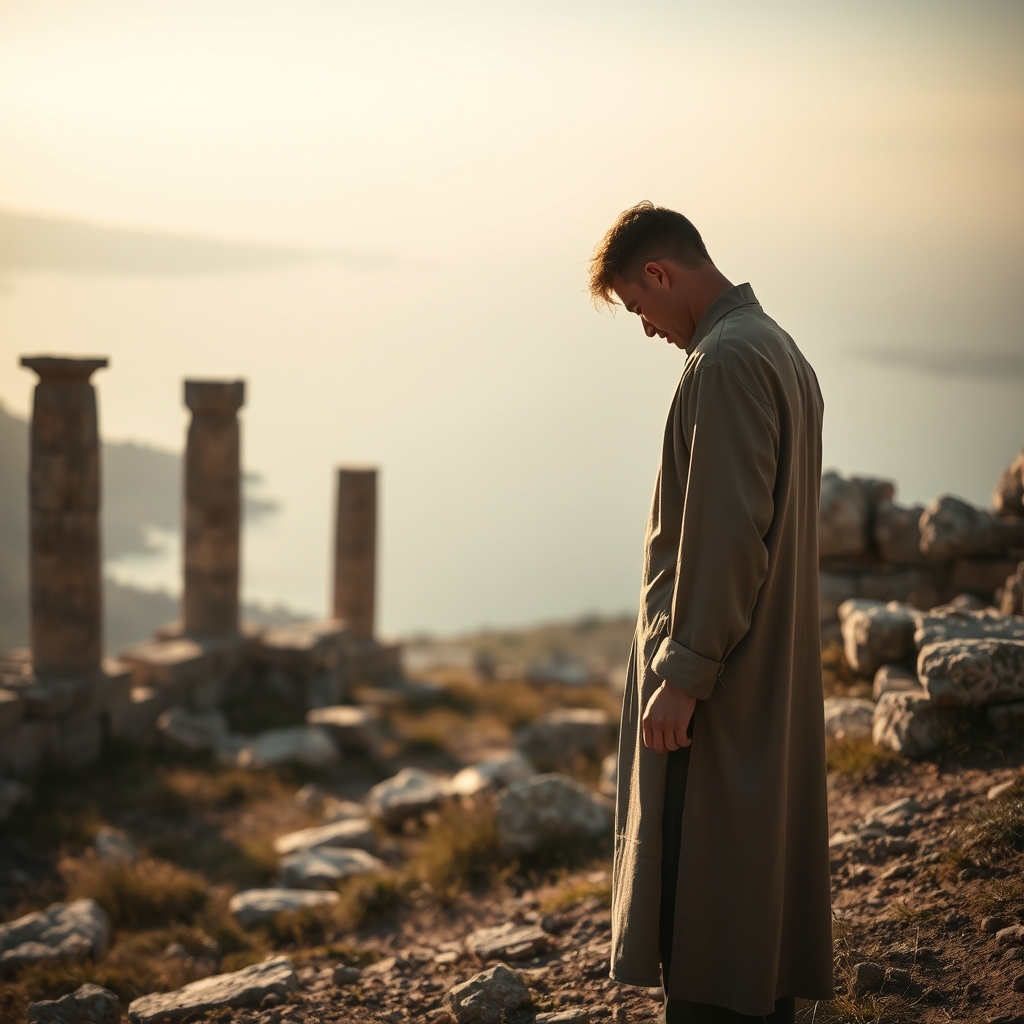
Among the many towns mentioned in the Gospels, Bethsaida holds a surprisingly sobering distinction. It was not only a place where Jesus performed mighty miracles. It was also a place that received one of His most solemn warnings. Understanding why Jesus cursed Bethsaida reveals a profound and heartbreaking truth about the human heart and the seriousness of rejecting God’s grace.
The Biblical Account in Matthew 11:21
Jesus spoke these words directly and with grief:
“Woe to you, Bethsaida! For if the mighty works which were done in you had been done in Tyre and Sidon, they would have repented long ago in sackcloth and ashes.” — Matthew 11:21 (NKJV)
This passage is part of a larger section where Jesus pronounced judgment on several cities in Galilee. The word “woe” is a cry of sorrow and warning. It is not spoken in anger alone. It is spoken in grief.
Jesus compared Bethsaida to Tyre and Sidon. These were pagan cities known for their wickedness. Yet Jesus said that even those cities would have repented if they had witnessed what Bethsaida witnessed. This makes Bethsaida’s unbelief all the more severe.
What Was Bethsaida’s Sin?
The sin of Bethsaida was not one single act of wickedness. It was something far more dangerous. It was the persistent rejection of God’s truth despite overwhelming evidence.
Consider what Bethsaida had experienced:
- They witnessed the miracles of Jesus firsthand.
- They saw the Son of God with their own eyes.
- They heard the teaching of Jesus Christ, the Word made flesh (John 1:14).
- They experienced the compassion and power of God in their midst.
Yet they did not repent. They did not believe. Their hearts remained hard and unmoved.
Scripture warns strongly against this kind of spiritual hardness. The book of Hebrews says, “today if you will hear His voice, do not harden your hearts” (Hebrews 3:15). The greatest tragedy in Scripture is not the rejection of a stranger. It is the rejection of God Himself after He has drawn near.
Bethsaida’s sin can be summarized in three dimensions:
| Dimension of Sin | Explanation | Scripture Reference |
|---|---|---|
| Privilege Without Response | They were given more revelation than most towns in Israel, yet they did not act on it. | Luke 12:48 |
| Witness Without Faith | They saw the mighty works of Jesus but refused to trust in Him. | John 12:37 |
| Opportunity Without Repentance | They had every advantage to turn to God, but they delayed and refused. | 2 Corinthians 6:2 |
This is a sobering reminder for every person who encounters the Gospel. Greater privilege brings greater responsibility. The Apostle Paul wrote, “For everyone to whom much is given, from him much will be required” (Luke 12:48).
Bethsaida’s story is not simply ancient history. It is a warning to every heart that hears the truth of Jesus Christ and chooses to remain indifferent. The Lord does not delight in judgment. He delights in mercy (Micah 7:18). Yet His justice is real, and His patience, though long-suffering, is not without limit.
We can take comfort in knowing that the same Jesus who warned Bethsaida is the One who freely offers salvation to all who believe. As Scripture promises, “If we confess our sins, He is faithful and just to forgive us our sins and to cleanse us from all unrighteousness” (1 John 1:9). The question for each of us today is the same one Bethsaida faced: What will we do with Jesus?
What Happened in Bethsaida in the Bible?
Bethsaida holds a remarkable place in biblical history. This small fishing village witnessed some of the most extraordinary moments of Jesus’ earthly ministry. Despite its eventual judgment, Bethsaida was a city privileged to see the power of God Almighty displayed firsthand through the Son of God, Jesus Christ. In the Gospel accounts, Bethsaida served as the backdrop for miraculous healings and signs that revealed the compassion and identity of the Messiah.
Miracles Performed by Jesus in Bethsaida
The Gospels record that Jesus performed multiple miracles in and near Bethsaida. These were not random acts of power. Each miracle demonstrated Jesus’ divine authority over sickness, nature, and human suffering. Furthermore, they served as signs pointing to His identity as the Son of God. The Bible says in John 20:30-31, “Jesus performed many other signs in the presence of His disciples… But these are written that you may believe that Jesus is the Christ, the Son of God.”
While some cities witnessed even greater numbers of miracles, what sets Bethsaida apart is the startling contrast between what the people saw and how little they responded. Jesus Himself rebuked the city, as we will explore in the article. Nevertheless, the biblical record gives us specific accounts of miracles performed there.
- Healing of the blind man (Mark 8:22-26): A blind man was brought to Jesus, and the Lord healed him in a unique, two-step miracle outside the village of Bethsaida.
- Healing of the sick (Luke 10:9-11): Jesus sent out the seventy-two disciples to heal the sick and preach the Kingdom of God, including in the towns around Bethsaida.
- Feeding of the 5,000 (Luke 9:10-17): Near the vicinity of Bethsaida, Jesus miraculously fed a multitude of over 5,000 men with just five loaves of bread and two fish.
The Feeding of the 5,000
One of the most famous events associated with Bethsaida in the Bible is the miraculous feeding of the 5,000. According to Luke 9:10, Jesus had withdrawn privately to a place near Bethsaida with His disciples. However, the crowds followed Him, and Jesus welcomed them, preaching about the Kingdom of God and healing those who needed healing.
As evening approached, the disciples suggested sending the crowd away to find food. But Jesus said to them, “You give them something to eat” (Luke 9:13). With only five loaves and two fish, Jesus performed one of the greatest miracles recorded in Scripture:
- He directed the people to sit down in groups on the grass.
- He took the five loaves and two fish, looked up to heaven, gave thanks, and broke them.
- He distributed the food through His disciples.
- Everyone ate and was satisfied, and twelve baskets of leftovers remained.
This miracle was profoundly significant. It demonstrated Jesus’ ability to supply provision beyond human capacity. As Exodus 16 records, God fed Israel with manna in the wilderness. Here, Jesus showed He was greater than manna — He was the Bread of Life (John 6:35). The miracle near Bethsaida was a sign that the Messiah had come. Sadly, many saw the sign but failed to see what truly mattered: the Savior standing before them.
Healing of the Blind Man
Mark 8:22-26 provides one of the most unique miracle accounts associated with Bethsaida. People in the region brought a blind man to Jesus and begged Him to touch the man and heal him. What makes this miracle stand out is that Jesus led the man out of the village before healing him. The encounter unfolded as follows:
- Jesus took the blind man by the hand and led him outside Bethsaida.
- He put saliva on the man’s eyes and placed His hands on him.
- Jesus asked, “Do you see anything?” The man replied that he saw people, but they looked like walking trees.
- Jesus placed His hands on the man’s eyes again, and his sight was fully and perfectly restored.
This miracle is the only recorded two-stage healing in the Gospels. Some scholars view it as symbolic of spiritual blindness — seeing partially before receiving clarity. Others point to the fact that this miracle occurred in Bethsaida, a city that had much spiritual light yet remained spiritually blind. Just as the man could not fully open his eyes at first, so the people of Bethsaida struggled to fully recognize Jesus as Lord despite witnessing His mighty works.
After healing the man, Jesus sent him home, saying, “Don’t even go into the village” (Mark 8:26). This detail is striking. It may suggest that Jesus was distancing the healed man from the city’s unbelief. It further emphasizes that Bethsaida had already begun to harden its heart against the very presence of the Messiah.
The events that took place in Bethsaida remind us today of a sober truth: seeing God’s power is not the same as surrendering to God’s authority. The people of Bethsaida witnessed miracles that most never imagined. Yet their hearts remained unchanged. May we, however, respond differently when we encounter Jesus Christ — with repentance, faith, and worship of the only true Son of God.
The Pool of Bethsaida in the Bible
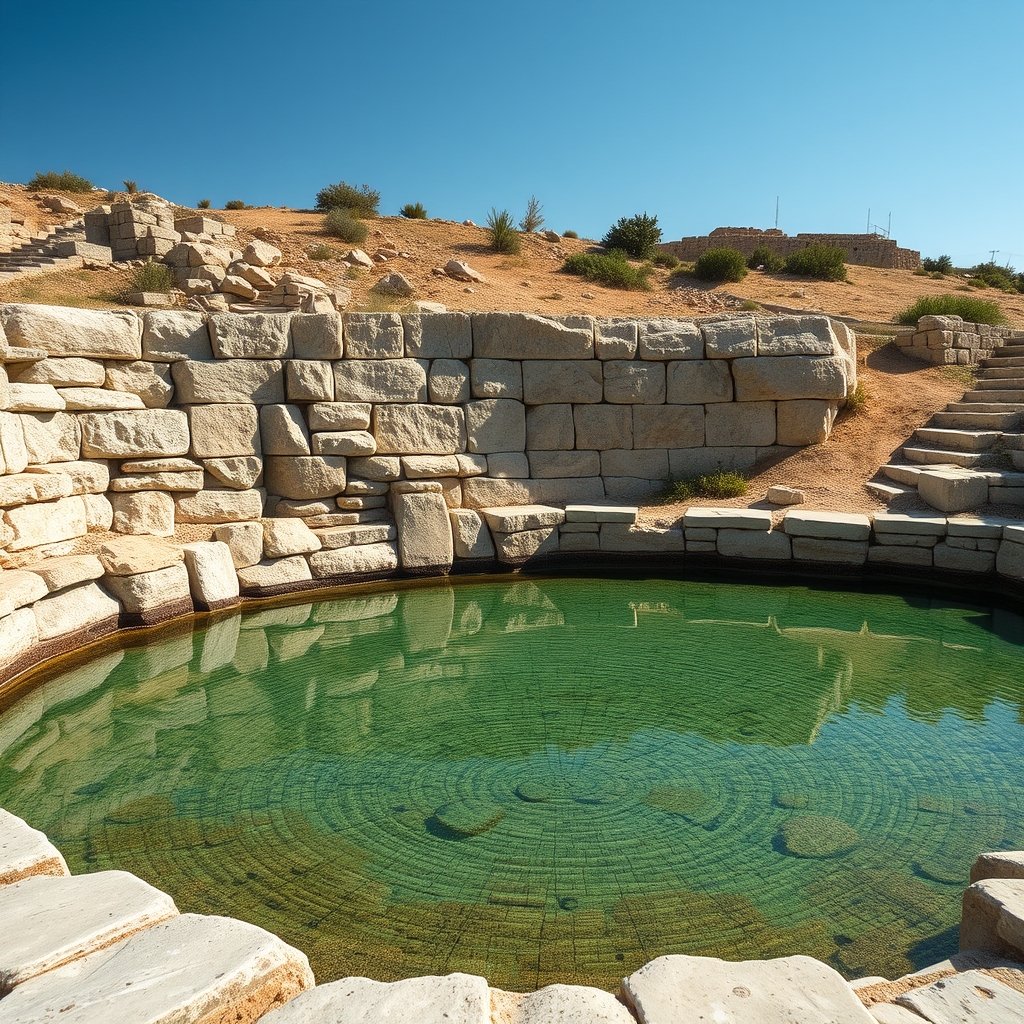
John 5:2 and the Healing at Bethesda
One of the most significant connections often made with the location involves the Pool of Bethesda mentioned in the Gospel of John. Many Bible readers and scholars alike have long sought to understand the precise relationship between the Pool of Bethesda recorded in John 5:2 and the biblical city of Bethsaida. While the names are similar and are sometimes confused, understanding the context of this passage is vital for anyone seeking to deepen their knowledge of Bethsaida in the Bible.
First, it is important to clarify a common point of confusion. The Pool of Bethesda described by the Apostle John is located in Jerusalem, not in the Galilean fishing village of Bethsaida. The Gospel writer tells us explicitly that this pool was located in Jerusalem, by the Sheep Gate. However, the phonetic similarity between “Bethesda” and “Bethsaida” has led to centuries of discussion among Bible students.
Understanding the Two Locations
The distinction between these two locations is essential for an accurate reading of Scripture:
- Bethsaida: A village on the northern shore of the Sea of Galilee. It was the hometown of the apostles Peter, Andrew, and Philip. Furthermore, it was the location where Jesus performed significant miracles, including healing a blind man.
- Bethesda: A pool located near the Sheep Gate in Jerusalem. It is also described as having five covered colonnades, or porches. It is associated with the healing of a man who had been paralyzed for 38 years.
In addition, while the locations are different, both locations share a profound common thread: they are stages for the miraculous power of Jesus Christ.
The Significance of Jesus’ Healing Ministry
Why does Jesus choose locations near water to perform healings? The Bible presents water as a symbol of life, cleansing, and the Holy Spirit. Therefore, it is deeply meaningful that the Son of God, who came so that we “may have life, and have it to the full” (John 10:10), demonstrates His divine authority at these specific places.
The healing at the Pool of Bethesda in Jerusalem demonstrates several foundational truths:
- Jesus is sovereign over all human suffering. The paralyzed man had waited 38 years for healing. Human efforts had failed him completely. However, with one word from the Lord, he was made completely whole.
- Jesus’ compassion knows no borders. He healed in Galilee. He healed in Jerusalem. Indeed, He healed wherever faith was present and His Father’s will was to be accomplished.
- Jesus requires active faith. He asked the invalid, “Do you want to get well?” This seemingly obvious question invited the man to express his need and trust in the one who could meet it.
A Lesson for Today
The Pool of Bethesda narrative is found exclusively in John 5:1-15. For those studying Bethsaida in the Bible, this passage, while set in Jerusalem, carries the same life-giving message. Jesus does not passively observe human suffering. He steps into our pain. He asks us to place our trust in Him completely.
Whether by the Sea of Galilee or in the ancient city of Jerusalem, Jesus Christ remains the same yesterday, today, and forever (Hebrews 13:8). Therefore, as you study the locations and events of the Bible, remember that every miracle reveals the compassionate heart of our Lord. He is still in the business of transforming lives, bringing spiritual sight to the blind, and restoring those who have waited long for healing. In closing, He lovingly calls each of us to come to Him by faith, for He “is able to do immeasurably more than all we ask or imagine, according to his power that is at work within us” (Ephesians 3:20).
What Does Bethsaida Mean Spiritually?
A Call to Repentance and Faith
The story of Bethsaida in the Bible is not just about an ancient town. Its spiritual meaning reaches directly into our hearts today. Bethsaida received the light of Christ. Yet it refused to respond with repentance.
Jesus pronounced a sobering warning against Bethsaida in Matthew 11:21. He said, “Woe to you, Bethsaida! For if the mighty works which were done in you had been done in Tyre and Sidon, they would have repented long ago in sackcloth and ashes.” This verse carries a timeless spiritual truth. Greater revelation brings greater responsibility.
Let us explore the spiritual meaning. Bethsaida speaks to every person who has encountered the truth of God’s Word.
Privilege Demands a Response
Bethsaida was no ordinary village. Jesus Himself called it home for ministry. He performed extraordinary miracles there. A blind man received sight in that very town. The crowd was fed with only five loaves and two fish.
Yet the people saw these miracles and remained unchanged. This is the first spiritual lesson of Bethsaida.
- God’s blessings are not meant to be admired from a distance.
- Every act of God invites a personal response.
- Spiritual hardness is a choice, not a circumstance.
As Hebrews 3:15 warns, “Today, if you will hear His voice, do not harden your hearts.” Grace is always accompanied by an invitation. We must answer that invitation with genuine faith and surrender.
The Danger of Spiritual Familiarity
One of the greatest threats to faith is familiarity with the things of God. The people of Bethsaida had witnessed the Messiah with their own eyes. Still, their hearts remained cold. They saw miracles yet felt no need for repentance.
This same danger exists today. Many have grown up hearing the Gospel. Some attend church regularly. Others Bible each day. Yet the question remains: Has the message truly penetrated the heart?
Spiritual apathy is not the absence of knowledge. It is the absence of response. Revelation without repentance leads only to greater accountability. As Jesus declared, much is required from those to whom much is given (Luke 12:48).
Repentance: The Doorway to Restoration
The call of Bethsaida is ultimately a call to repentance. Repentance is not merely feeling sorry for sin. It means a complete turning of the heart toward God. It involves acknowledging our sin and choosing to follow Jesus as Lord.
Acts 3:19 makes this beautifully clear: “Repent therefore and be converted, that your sins may be blotted out, so that times of refreshing may come from the presence of the Lord.” Repentance opens the door to restoration. It allows the saving work of Christ to transform our lives.
Here is what genuine repentance looks like:
- Honest confession: Acknowledging our sin before God without excuse or justification.
- Genuine sorrow: Feeling true grief over our rebellion against a holy and loving God.
- Complete surrender: Placing our faith entirely in Jesus Christ and His sacrifice on the cross.
- Transformed living: Walking in obedience to God’s Word through the power of the Holy Spirit.
God does not reject anyone who comes to Him in sincere repentance. As 1 John 1:9 promises, “If we confess our sins, He is faithful and just to forgive us our sins and to cleanse us from all unrighteousness.”
Faith: Choosing to Believe and Follow
Repentance and faith are inseparable. One turns from sin. The other turns toward Christ. Hebrews 11:6 tells us, “Without faith it is impossible to please God.” Genuine faith is not passive agreement. It is active trust in the finished work of Jesus on the cross.
Ephesians 2:8-9 reminds us, “For by grace you have been saved through faith, and that not of yourselves; it is the gift of God, not of works, lest anyone should boast.” Salvation is a gift received through faith in Jesus Christ alone.
The people of Bethsaida witnessed undeniable proof of Jesus’ divine authority. However, they stopped short of surrendering their lives to Him. Today, we are called to go beyond mere admiration of Jesus. We are invited into a living relationship with Him.
The Urgency of Today
The spiritual meaning of Bethsaida carries an urgent message. Every moment of delay is a moment of resistance to the Holy Spirit. Tomorrow is never guaranteed. Today is the day of salvation (2 Corinthians 6:2).
If you have encountered the Gospel and felt conviction in your heart, do not postpone your response. Come to Jesus now. Surrender your life into His loving hands. He is the way, the truth, and the life (John 14:6). There is no salvation in anyone else. Acts 4:12 assures us there is no other name under heaven by which we must be saved.
Bethsaida stands as a solemn reminder and a gracious call. It reminds us that those who reject the testimony of Christ face serious consequences. At the same time, it calls every reader to respond today with repentance and faith. Do not let familiarity with Jesus keep you from knowing Him personally. Open your heart to Christ and experience the new life He offers.
Bethsaida in the Bible Today
Archaeological Discoveries
The story of Bethsaida in the Bible is not confined to ancient scripture alone. Over the past several decades, archaeologists have worked diligently to uncover the physical remains of this once-prominent village. Their discoveries have brought new life to the biblical narrative and deepened our understanding of the world Jesus walked through.
In 1987, Israeli archaeologist Rami Arav identified the site of et-Tell, located on the northeastern shore of the Sea of Galilee, as the likely location of ancient Bethsaida. [1] Since then, extensive excavations have revealed remarkable findings that align with the biblical record.
- Fishing village artifacts: Excavations have uncovered lead net weights, stone anchors, and fish-processing equipment. These findings confirm Bethsaida’s identity as a fishing village, which matches its biblical name meaning “House of Fishing” or “House of the Hunter.”
- First-century dwellings: Archaeologists have discovered the remains of residential homes and communal structures dating to the time of Jesus. These buildings give us a glimpse into the daily lives of the people Jesus encountered.
- Old Testament connections: Even older remains from the Iron Age have been found at the site, suggesting Bethsaida had a long history before Jesus’ ministry. This supports the biblical record of Bethsaida as an established settlement by the time of the New Testament.
- A Roman temple: Remains of a Roman-period temple were discovered, possibly linked to Julia Livias. Emperor Augustus renamed the city after around 30 AD. This renaming helps explain why Luke 9:10 refers to it as a “city” rather than a village.
These archaeological discoveries affirm the historical reliability of the Bible. They remind us that the events recorded in scripture took place in real locations, among real people, under real circumstances. Furthermore, they encourage believers to approach the biblical text with confidence, knowing that the Word of God is grounded in verifiable history.
However, it is important to remember that archaeology supports faith but cannot replace it. As Scripture teaches, “We walk by faith, not by sight” (2 Corinthians 5:7). The potsherds and foundations unearthed at Bethsaida are meaningful, but the true treasure is the eternal truths revealed in God’s Word.
Bethsaida on Biblical Maps
For modern readers seeking to understand Bethsaida in the Bible, biblical maps serve as invaluable tools. They help connect the names on the page to actual places on the earth. In addition, they bring the geography of the Gospels to vivid life.
Bethsaida is consistently depicted on biblical maps in the northeastern region of the Sea of Galilee, near where the Jordan River flows into the lake. Its placement is significant for understanding several key events in Jesus’ ministry.
- Near Capernaum and Chorazin: Biblical maps show Bethsaida in close proximity to these two other cities. Jesus links all three in His lament over their unbelief in Matthew 11:20-24. Their geographic closeness underscores the sad reality that even neighboring communities can respond very differently to the Gospel.
- On the route of Jesus’ ministry: Maps reveal that Bethsaida sat along important travel routes around the Sea of Galilee. Jesus and His disciples likely passed through the region multiple times. This proximity made Bethsaida’s rejection of Jesus all the more tragic.
- The feeding of the 5,000: Many maps mark the nearby area as the site where Jesus performed this miraculous sign (Luke 9:10-17). The flat, grassy terrain near the shore would have been suitable for such a large gathering.
- The healing of the blind man: Mark 8:22-26 records Jesus healing a blind man in Bethsaida. Biblical maps help readers locate this event within the broader geography of Galilee, making the miracle more tangible and real.
Studying biblical maps deepens our appreciation for the Gospel narratives. They remind us that Jesus did not minister in some abstract, timeless realm. Instead, He walked on real roads, stood on real shores, and spoke to real people in real towns. The God of all creation entered into the particular places and moments of human history to bring salvation to the world.
Today, believers can visit the region and walk in the very areas where Jesus performed miracles, taught the crowds, and extended His call to repentance and faith. Whether through maps, travel, or study, exploring the places of Scripture draws us closer to the heart of the biblical story. Ultimately, the story of Bethsaida challenges every reader to consider their own response to Jesus Christ. The same Lord who wept over Bethsaida’s unbelief offers forgiveness and eternal life to all who believe (John 3:16).
How to Pronounce Bethsaida
If you have come across the name Bethsaida in the Bible, you may have wondered how to say it correctly. Many biblical names can be challenging to pronounce. However, with a simple breakdown, you can confidently speak this important name.
The Correct Pronunciation
The name Bethsaida is pronounced:
- BETH-say-EE-duh
Here is a syllable-by-syllable breakdown:
| Syllable | Pronunciation | Sound |
|---|---|---|
| Beth | “Beth” | Rhymes with “breath” |
| say | “say” | Rhymes with “day” |
| i | “ee” | Sounds like the letter “E” |
| da | “duh” | Rhymes with “the” |
Origin and Language Notes
Furthermore, understanding the origin of the name can make pronunciation easier. Bethsaida comes from two different ancient languages.
- Hebrew: בֵּית צַידָה (Beit Tzaydah), meaning “House of Fishing” or “House of the Hunter” [2]
- Greek: Βηθσαϊδά (Bēthsaidá), as it appears in the New Testament [3]
As a result, you may hear slight variations in pronunciation depending on whether someone uses the original Hebrew form or the Greek form found in Scripture. Nevertheless, both versions share a very similar sound pattern.
Common Mispronunciations to Avoid
To help you speak with confidence, here are some common mistakes to watch for:
- BETH-sigh-duh — Avoid pronouncing “sai” as “sigh”
- BETH-say-duh — The “da” at the end needs a soft “uh” sound
- BETH-say-AI-duh — Do not add an extra syllable in the middle
How to Practice Saying Bethsaida
Here is a simple way to practice:
- Say “Beth” first, making sure it rhymes with “breath”
- Next, add “say,” as in the English word “day”
- Then add “ee,” sounding like the letter “E”
- Finally, end with “duh,” a soft and short sound
- Put it all together slowly: BETH — say — EE — duh
- Gradually speed up until it flows naturally
Why Pronunciation Matters
Furthermore, learning the correct pronunciation of Bethsaida helps you engage more deeply with Scripture. This was a real place where our Lord Jesus Christ performed mighty miracles. He healed a blind man there (Mark 8:22–26). He also fed the five thousand nearby (Luke 9:10–17). As a result, speaking the name with confidence allows you to share its meaning and significance with others.
Most importantly, studying places like bethsaida in the bible grounds our faith in God’s Word. As it is written in 2 Timothy 3:16, “All Scripture is given by inspiration of God, and is profitable for doctrine, for reproof, for correction, for instruction in righteousness.” Therefore, every name, every place, and every detail in the Bible holds significance for our walk with Christ.
Frequently Asked Questions
Why did Jesus curse Bethsaida?
Jesus cursed Bethsaida because of its deep stubbornness and refusal to repent. Despite witnessing His mighty works, the people remained unchanged in their hearts.
In Matthew 11:21, Jesus said:
“Woe to you, Bethsaida! For if the mighty works which were done in you had been done in Tyre and Sidon, they would have repented long ago in sackcloth and ashes.”
Bethsaida had been given a great privilege. Jesus Himself walked its streets and performed miracles there. Yet the people rejected His message of grace. Their hearts grew harder, not softer.
As a result, Jesus pronounced judgment on the city. His curse was not spoken in anger alone. It was a sorrowful warning. It showed that greater light brings greater responsibility [4].
However, this truth should move every heart to humility. It reminds us that witnessing the works of God without responding in faith carries serious weight.
Where is Bethsaida according to the Bible?
The Bible places Bethsaida on the northern shore of the Sea of Galilee. It served as a fishing village and a significant ministry location for Jesus.
Scripture identifies Bethsaida as follows:
- John 1:44 calls it the hometown of Peter, Andrew, and Philip
- Mark 8:22 describes it as the place where Jesus healed a blind man
- Luke 9:10 mentions Jesus retreating to a place near Bethsaida with His disciples
- Luke 10:13 and Matthew 11:21 both reference Jesus’ lament over the city
Today, archaeologists identify a site called et-Tell, located northeast of the Sea of Galilee, as the most likely location of biblical Bethsaida [5]. Excavations have uncovered fishing artifacts and ancient remains consistent with the biblical descriptions.
Furthermore, multiple biblical maps confirm this general region as Bethsaida’s location, helping readers visualize the geography of Jesus’ ministry.
What happened to Bethsaida?
Bethsaida experienced both blessing and judgment during the years of Jesus’ earthly ministry. Understanding what happened to this city reveals important spiritual truths.
What Bethsaida received:
- Jesus personally visited and ministered among its people
- The city witnessed miraculous signs, including healings and provision
- It was exposed to the greatest teaching the world has ever known
li>Jesus chose it as a home for three of His twelve apostles
What Bethsaida rejected:
-
li>The people refused to respond to Jesus with genuine repentance
- They saw His miracles but remained spiritually hardened
li>They rejected the very Son of God standing among them
As a result, Jesus pronounced judgment upon Bethsaida (Matthew 11:21, Luke 10:13). The city that had received the greatest privilege faced the sternest warning.
Eventually, the city faded from prominence. Historical and archaeological evidence suggests that Bethsaida was eventually destroyed and left in ruins, fulfilling the prophetic warning of divine judgment (source: https://www.jewishvirtuallibrary.org/bethsaida).
Nevertheless, the story of Bethsaida is not just a tale of destruction. It serves as a powerful reminder to all who hear the gospel today.
What does Bethsaida mean spiritually?
Spiritually, Bethsaida represents a solemn warning. It stands as a picture of those who receive God’s revelation yet refuse to respond with repentant faith.
The name “Bethsaida” itself means “house of fishing” or “house of the hunt.” In the Bible, fishing is often associated with gathering people into the Kingdom of God (Matthew 4:19). However, even in a place meant for harvest, rejection was found.
The spiritual lessons of Bethsaida include:
- Privilege demands responsibility. To whom much is given, much will be required (Luke 12:48). Bethsaida was given the presence of Christ Himself, and their accountability was correspondingly greater.
- Miracles alone do not produce faith. The people of Bethsaida saw signs and wonders, yet their hearts remained unchanged. True faith comes through the work of the Holy Spirit, not simply through witnessing supernatural events.
- Today is the day of salvation. As the writer of Hebrews warns, “Today if you will hear His voice, do not harden your hearts” (Hebrews 3:15).
Spiritually, Bethsaida calls every reader to examine their own heart. Have you responded to the message of Jesus Christ? Have you placed your trust in Him as Lord and Savior?
The example of Bethsaida shows that no one is beyond the reach of God’s grace. However, it also warns that persistent rejection leads to hardened hearts and missed opportunities.
What is the Pool of Bethsaida in the Bible?
This question often arises due to a common confusion between two similar biblical names. Let us clarify this important distinction.
The pool mentioned in John 5:2 is more accurately called Bethesda, not Bethsaida. This pool was located near the sheep gate in Jerusalem. It was by this pool that Jesus healed a man who had been paralyzed for 38 years (John 5:1-9).
Key differences between Bethsaida and Bethesda:
| Feature | Bethsaida | Bethesda |
|---|---|---|
| Location | Northern shore of the Sea of Galilee | Near the sheep gate in Jerusalem |
| Biblical Reference | Matthew 11:21, John 1:44, Mark 8:22 | John 5:2-9 |
| Significance | Hometown of apostles; site of Jesus’ curse | Site of the healing of the paralyzed man |
| Name Meaning | “House of fishing” | “House of mercy” or “house of flowing water” |
However, some ancient manuscripts of John 5:2 do use the name “Bethsaida” or “Bethzatha” instead of “Bethesda.” This has led to some confusion over the centuries [6].
Despite this textual variation, the pool in John 5 is universally understood by scholars to be the Pool of Bethesda in Jerusalem, not the Galilean town of Bethsaida.
What matters most is the miracle that took place there. Jesus, the Son of God, demonstrated His divine authority over sickness and suffering. He spoke a word, and a man who had been helpless for nearly four decades rose and walked. This is the power of Christ, and it is available to all who come to Him in faith.
If you have never placed your trust in Jesus Christ, let the stories of Bethsaida and Bethesda move your heart. One city rejected Him and faced judgment. One man believed Him and received healing. Today, the same Jesus stands ready to save all who call upon His name (Romans 10:13).
`
Sources
- https://www.biblicalarchaeology.org/daily/biblical-sites-places/biblical-archaeology-places/bethsaida/
- https://www.bible-study.org/hebrew-dictionary.php
- https://www.biblestudytools.com/encyclopedias/isbe/bethsaida.html
- https://www.biblegateway.com/resources/commentaries/Matthew/Gills-Exposition/Matthew-11
- https://www.biblicalarchaeology.org/daily/biblical-sites-places/biblical-archaeology-sites/bethsaida-home-of-the-apostles/
- https://www.bibleodyssey.org/en/passages/related-articles/pool-of-bethesda